Introduction: The New Frontier of Entertainment
Esports, or electronic sports, has emerged as one of the most exciting and fastest-growing segments of the entertainment industry. What started as small, niche competitions among passionate gamers has evolved into a global phenomenon. Esports events now attract millions of viewers, feature high-stakes tournaments with multimillion-dollar prize pools, and boast professional players who are as famous as traditional sports stars. But what exactly is esports, and how did it grow into the cultural and economic force it is today? In this blog post, we’ll explore the evolution of esports, its impact on gaming culture, its growth as a spectator sport, and the opportunities and challenges it presents for players, fans, and the industry at large.
Understanding Esports: What It Is and How It Works
At its core, esports refers to organized, multiplayer video game competitions, particularly between professional players, individually or as teams. Esports titles range from strategy games like League of Legends and Dota 2, to first-person shooters like Counter-Strike: Global Offensive and Overwatch, to sports simulation games like FIFA and NBA 2K. These games often feature online matchmaking systems, where players compete against each other for rankings, in addition to live competitions in arenas or streamed tournaments.
Esports tournaments are typically structured much like traditional sports events. They are organized into leagues and competitions, often with regional qualifiers and culminating in major championships. Players or teams compete for fame, sponsorships, and, of course, monetary rewards. The global nature of esports allows for international competition, with players from different countries facing off in some of the most prestigious and intense tournaments.
The Evolution of Esports: From Hobby to Industry
The roots of esports can be traced back to the late 1990s and early 2000s, when the first competitive gaming events began to take shape. Early competitions, such as the Red Annihilation tournament for Quake in 1997, marked the beginning of esports as a formal competition. By the mid-2000s, titles like StarCraft in South Korea and Warcraft III in the West began to build early competitive scenes, with players gathering at LAN parties and tournaments to compete for prizes and recognition.
What truly propelled esports into the mainstream, however, was the rise of streaming platforms such as Twitch, which launched in 2011. These platforms allowed gamers to broadcast their gameplay to a global audience in real-time, sparking the growth of esports as a spectator sport. As gaming became more accessible and widespread, professional players gained larger fanbases, and the stakes of tournaments began to rise. In the past decade, the prize pools for major esports tournaments have ballooned to millions of dollars, drawing attention from brands, investors, and even traditional sports organizations.
The Esports Ecosystem: Players, Teams, and Organizations
Esports is not just about the games themselves—it’s about the entire ecosystem that supports professional gaming. Just as in traditional sports, esports players are the stars, but they are part of a larger system that includes coaches, analysts, managers, sponsors, media companies, and fans.
Professional esports teams operate much like sports franchises. These teams recruit players who specialize in specific games, invest in coaching staff, and participate in leagues and tournaments. Teams often train their players in-house, providing them with resources such as practice facilities, performance analysis tools, and mental coaching to improve their game.
In addition to teams, esports organizations play a pivotal role in the business side of the industry. These organizations manage branding, sponsorship deals, marketing, and partnerships with other businesses. Big brands like Coca-Cola, Intel, and Red Bull have recognized the power of esports, offering sponsorships to players, teams, and tournaments in exchange for brand exposure.
The Role of Streaming and Social Media in Esports Growth
Streaming has been a game-changer for esports, enabling fans to engage with their favorite players and events on an unprecedented scale. Twitch, YouTube Gaming, and Facebook Gaming are now the primary platforms for watching esports competitions and live streams. These platforms have brought gaming into the living rooms and mobile devices of millions around the world, turning it into a form of entertainment that rivals traditional media.
Streamers often have dedicated followings, with some influencers boasting millions of subscribers and viewers. For many esports fans, watching a favorite streamer’s daily gameplay, interacting with the streamer in chat, or tuning in to watch a major tournament has become as normal as watching a TV show or following a sports game. This interaction between players and fans fosters a sense of community and belonging, as fans can communicate with their idols in real-time.
Esports as a Spectator Sport: A New Era of Entertainment
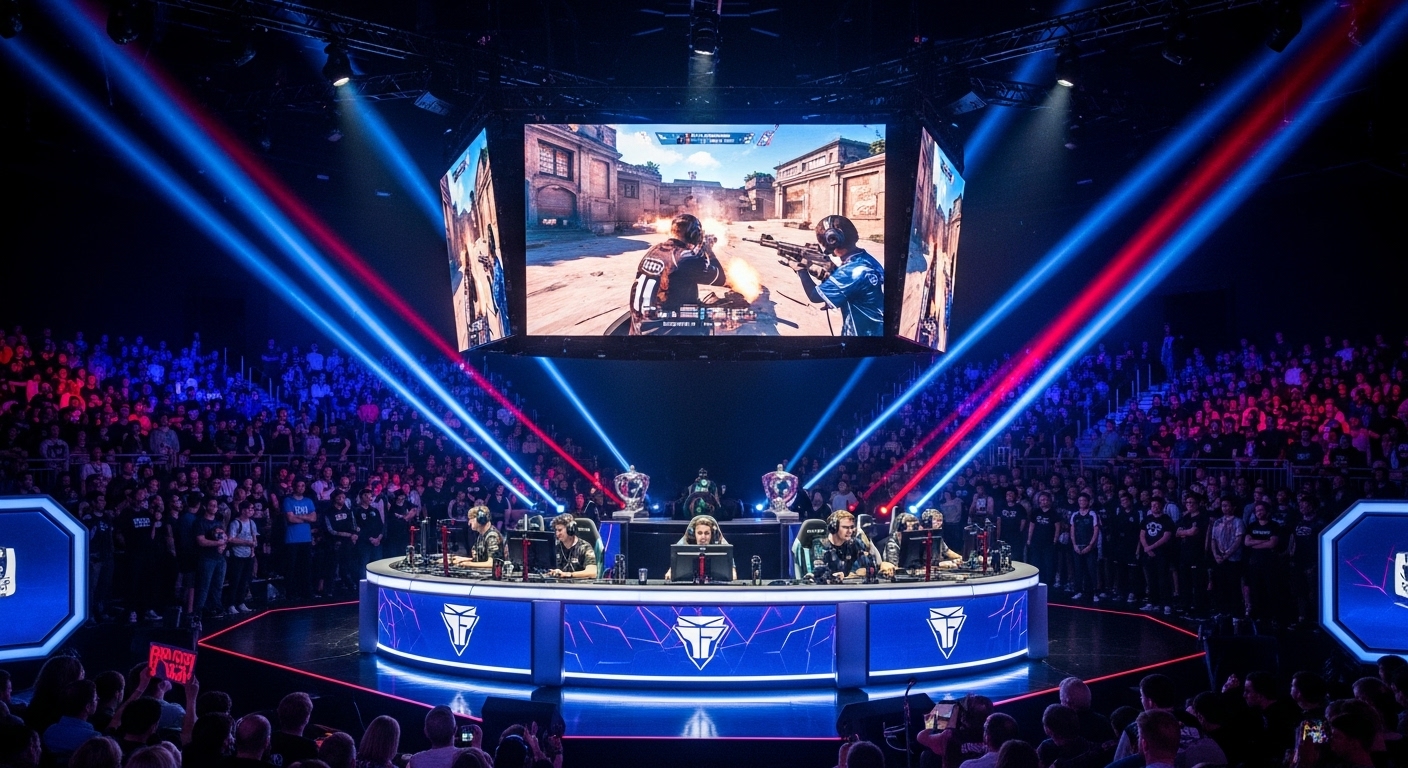
Esports’ growth as a spectator sport has been meteoric, particularly in the last decade. Major tournaments like The International (for Dota 2), League of Legends World Championship, and Fortnite World Cup now draw millions of viewers, both in-person and online. These events are broadcast globally, with multi-language commentary, high production value, and millions in prize money. What makes esports unique as a spectator sport is that viewers are often as invested in the players’ journeys as they are in the gameplay itself. Fans follow the stories of their favorite players or teams, rooting for them as they would for any professional athlete.
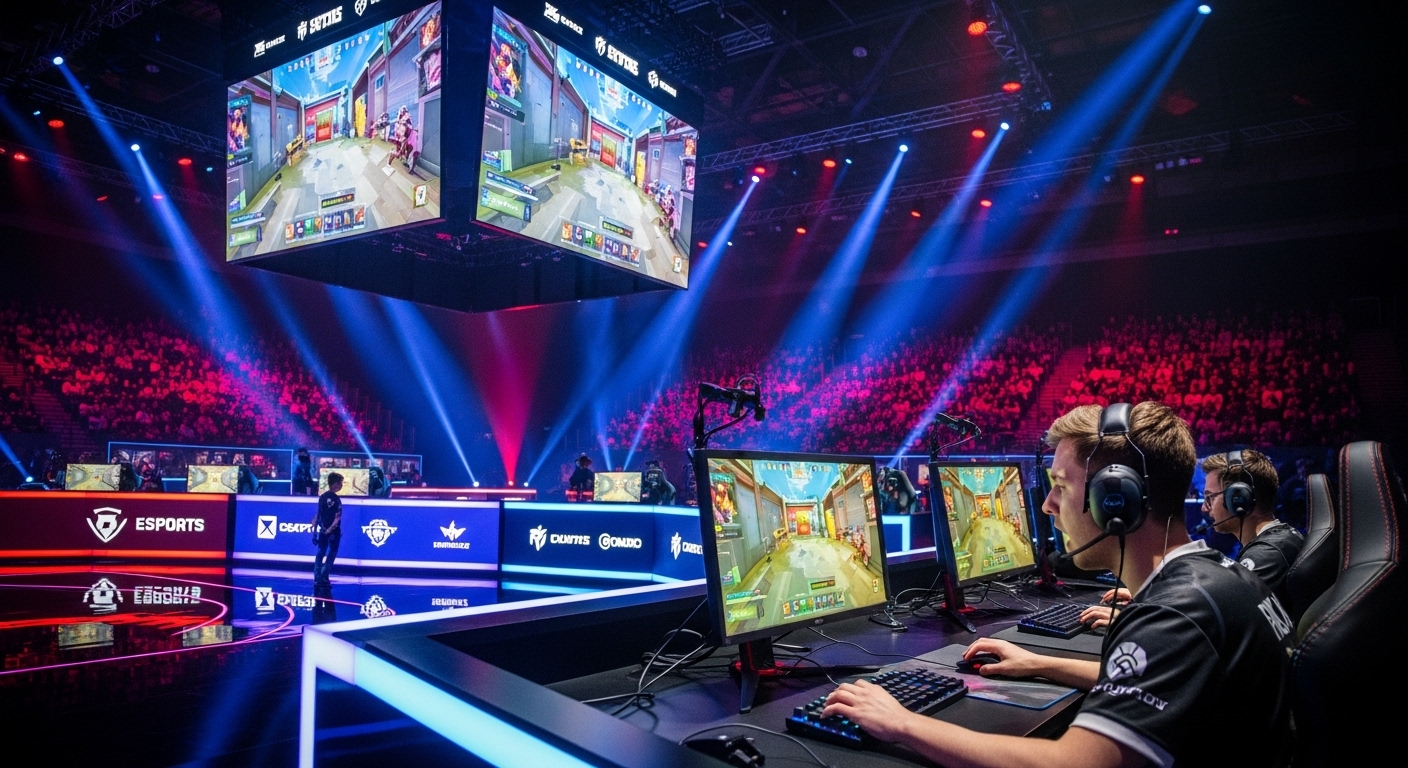
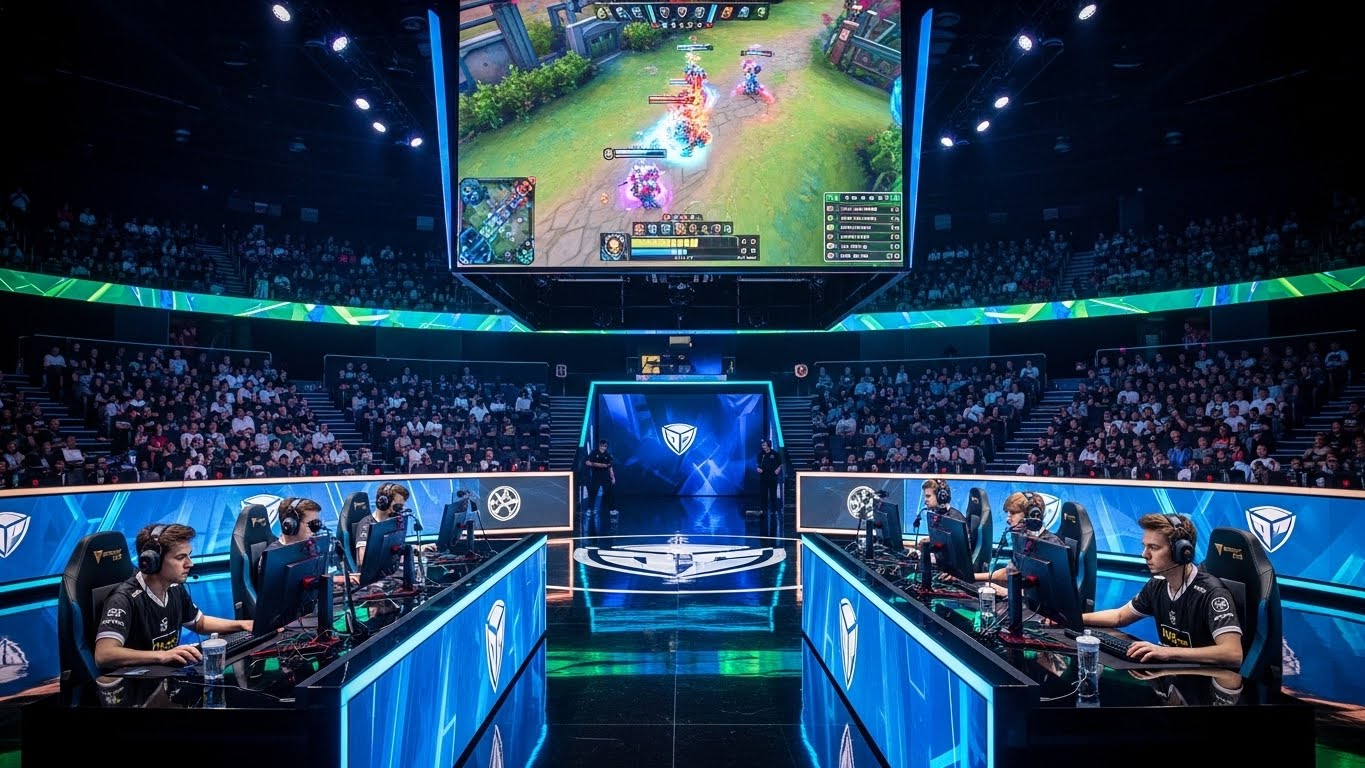
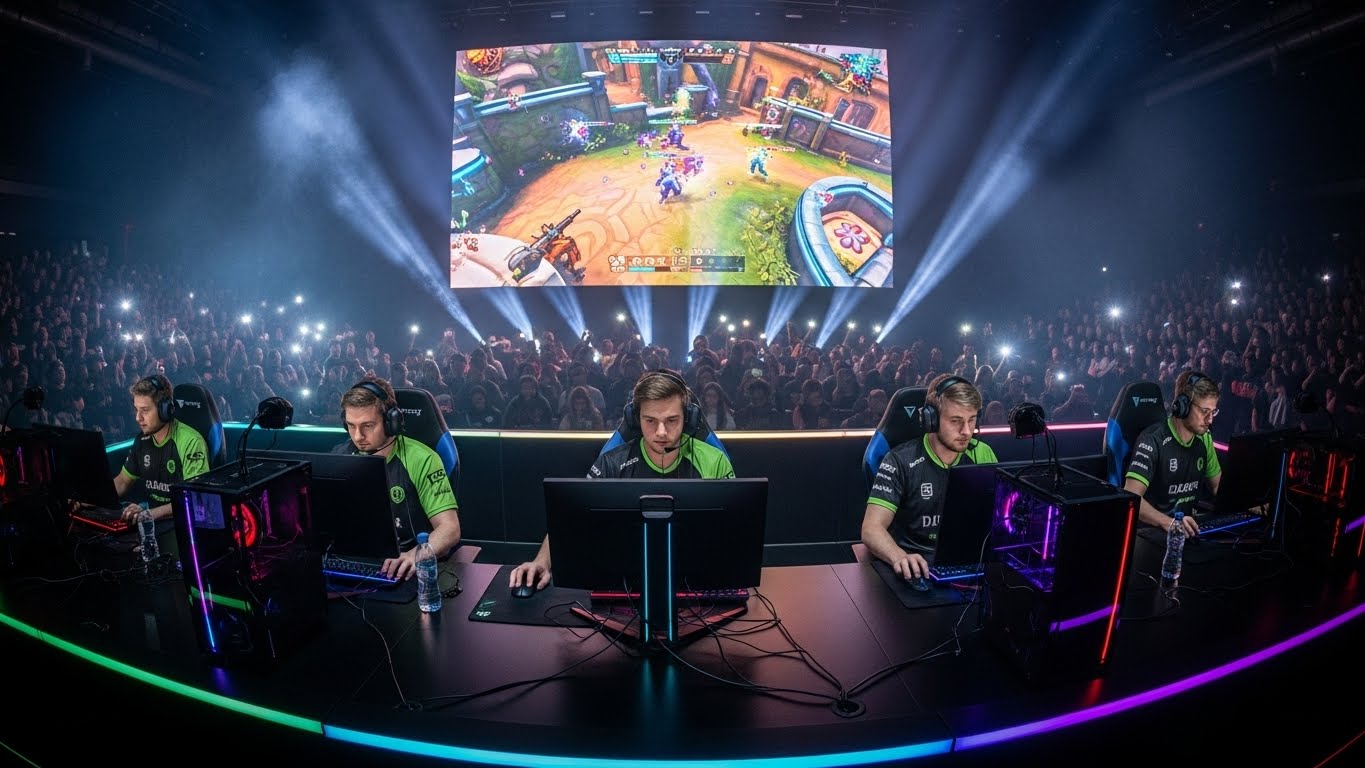
Esports events are often staged in massive arenas, with fans packing the stands to cheer for their teams, while millions more watch from home or on their mobile devices. Esports also incorporates elements from traditional sports broadcasting, such as expert analysis, interviews with players, and instant replays of key moments. Esports events often culminate in electrifying finales, where the most skilled players or teams face off for the ultimate prize.
The Economic Impact of Esports: A Booming Industry
Esports has become a multi-billion-dollar industry, with revenues generated through sponsorships, advertising, merchandise sales, ticket sales, and media rights. In 2020, the global esports industry was valued at over $1 billion, and it is expected to continue growing. The rise of esports has also created a significant job market, with opportunities for players, analysts, commentators, producers, and other roles within the industry.
The financial rewards for players have also skyrocketed, with some of the highest-paid esports athletes earning millions of dollars in prize money and sponsorship deals. In addition to prize pools, players can also make money through streaming platforms and content creation. This financial potential has attracted many talented gamers from around the world, leading to a rise in professionalism and competition in esports.
Esports and Education: The Emergence of Esports Scholarships
The growth of esports has also led to its recognition as an academic and career pathway. Many colleges and universities now offer esports scholarships, allowing students to pursue a degree while also playing at a competitive level. In fact, some schools have established full esports programs, with dedicated teams, coaches, and facilities.
Esports education doesn’t just cover gameplay; it also encompasses areas like game design, event management, marketing, and media production. Students interested in pursuing a career in the esports industry can now receive formal training and education that prepares them for the business and technical aspects of the field. This has opened up new career opportunities for individuals passionate about gaming and esports but who may not necessarily be interested in professional gameplay.
The Challenges Facing Esports: Inclusivity, Sustainability, and Regulation
Despite its rapid growth, esports faces a number of challenges. One of the most pressing issues is the need for inclusivity and diversity. While esports has made strides in becoming more inclusive, there is still work to be done to ensure that everyone, regardless of gender, race, or background, feels welcomed and represented in the community. Many esports organizations and players are working to create safer and more inclusive spaces, but addressing toxic behavior, harassment, and discrimination remains a key focus.
Sustainability is another challenge for the industry, especially as major tournaments often require significant resources to host and broadcast. Ensuring that esports remains accessible and continues to grow sustainably will require careful management of resources, infrastructure, and business practices.
Finally, regulation is an ongoing conversation in the esports world. Issues like player contracts, cheating, and fair play require oversight, especially as esports continues to professionalize. Maintaining integrity within the industry will be crucial for its long-term success.
The Future of Esports: Where It’s Heading
As esports continues to evolve, it’s clear that it will remain a prominent part of global culture. The increasing integration of virtual reality (VR) and augmented reality (AR) into gaming will likely open up new opportunities for immersive and interactive experiences. Additionally, the global expansion of esports leagues and tournaments will create even more opportunities for players and fans around the world to connect, compete, and enjoy the spectacle of competitive gaming.
With its combination of skill, strategy, and entertainment, esports will continue to captivate audiences worldwide. It’s not just a fad—it’s a revolution in how we experience competition and entertainment.
Conclusion: A Thriving Ecosystem
Esports has come a long way from its humble beginnings as a hobby for a select few. Today, it is a global industry with a passionate fanbase, professional players, and millions of dollars in revenue. Whether you’re a casual gamer, an aspiring pro, or a fan of high-octane competition, esports offers something for everyone. Its rapid growth shows no sign of slowing down, and its future promises even more excitement, innovation, and opportunities. Esports is more than just gaming—it’s a cultural and economic force that is changing the way we think about competition, entertainment, and community.