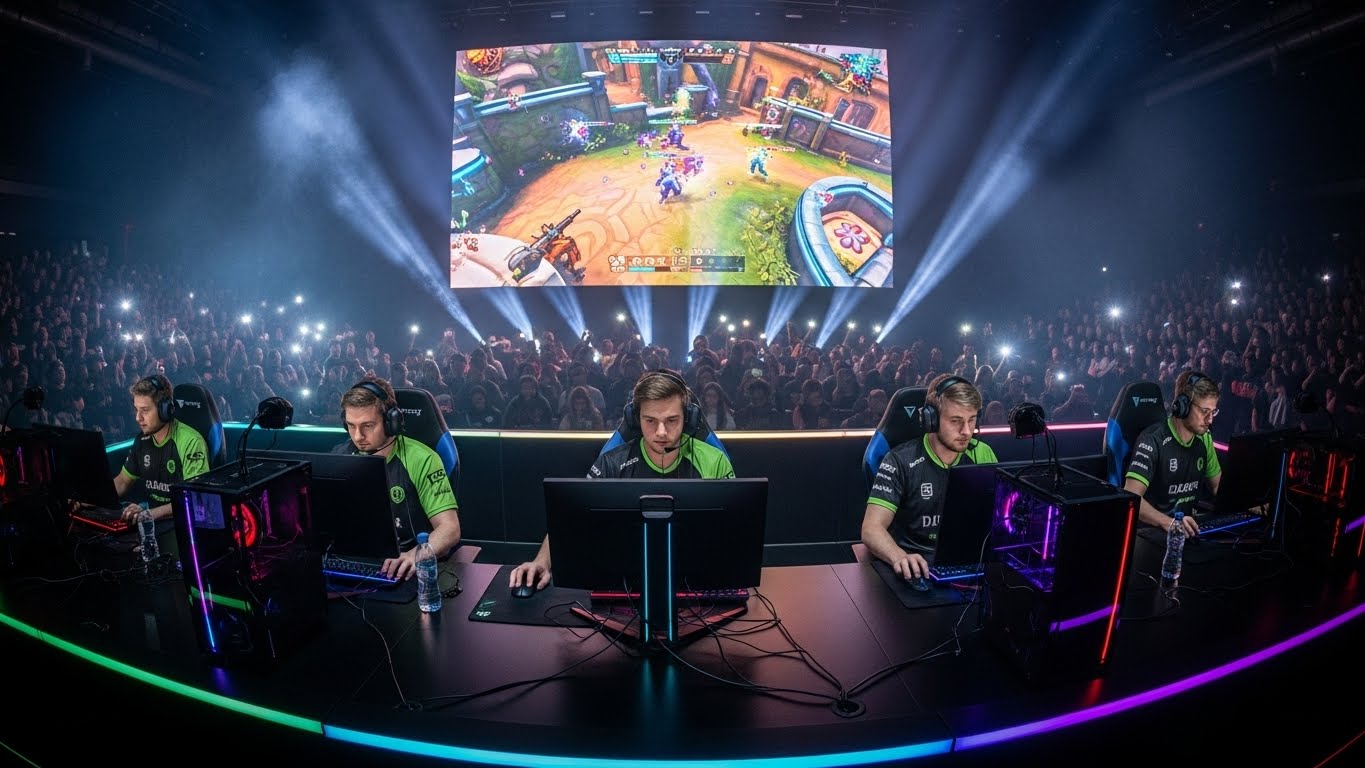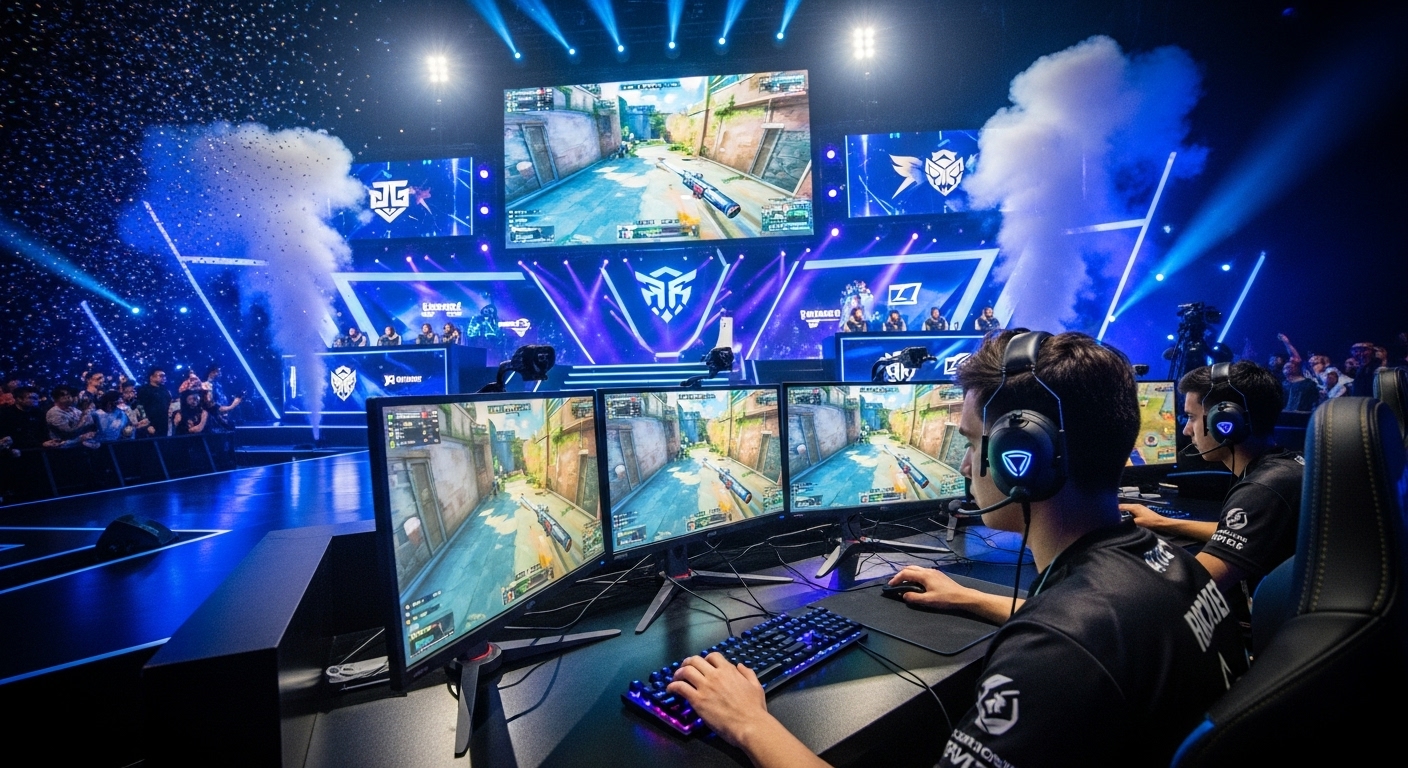

Esports has evolved from niche hobbyist gatherings into a worldwide entertainment powerhouse, attracting millions of fans, players, and investors. What began as informal competitions among friends has grown into a structured industry with professional teams, massive tournaments, and global audiences rivaling traditional sports. In the modern era, esports represents more than just gaming—it is a cultural phenomenon, a career path, and a platform for innovation in technology, marketing, and entertainment.
The Origins of Competitive Gaming
The concept of competitive gaming is as old as gaming itself. In the 1970s and 1980s, arcade games and early home consoles gave birth to informal tournaments where players competed for high scores. Games like Space Invaders, Pac-Man, and Donkey Kong inspired communities of dedicated players who thrived on competition. The first large-scale competitions were organized through arcades, magazines, and gaming conventions, laying the groundwork for what would become modern esports.
The 1990s brought a new level of sophistication. The rise of networked computers and the internet enabled multiplayer gaming on a scale previously unimaginable. Titles like Doom, Quake, and StarCraft became the foundation of competitive gaming communities. Early tournaments, though modest in prize pools, began attracting attention from sponsors and media, signaling the potential of competitive gaming as more than just a pastime.
The Explosion of Esports in the 21st Century
The 2000s marked the beginning of esports’ transformation into a global industry. The proliferation of high-speed internet and streaming technology allowed competitions to reach audiences far beyond physical venues. Games such as Counter-Strike, League of Legends, and Dota 2 became central to competitive gaming, with professional leagues and organized tournaments emerging around them.
With streaming platforms like Twitch, YouTube Gaming, and others, fans could watch tournaments live, interact with commentators, and follow their favorite teams and players. This accessibility changed the landscape entirely, creating a global community of viewers and competitors. Esports was no longer confined to local arcades or small conventions—it became an international spectacle.
The Structure of Professional Esports
Modern esports mirrors traditional sports in many ways. Professional players sign contracts with teams, train rigorously, and compete in structured leagues and tournaments. Teams are backed by sponsors, investors, and organizations that provide salaries, coaching, and support staff. Major tournaments offer prize pools in the millions, attracting top talent from around the world.
Esports leagues operate year-round, with seasons culminating in major championships. Games are divided into genres such as multiplayer online battle arenas (MOBAs), first-person shooters (FPS), and real-time strategy (RTS) games, each with its own competitive ecosystem. Professional players often specialize in a single game or even a specific role within that game, emphasizing the skill, strategy, and teamwork required to succeed at the highest levels.
Key Titles that Shaped Esports
Several games have had a profound impact on the growth of esports. StarCraft popularized competitive real-time strategy gaming in South Korea, creating a professional esports culture that continues to thrive. Counter-Strike introduced tactical first-person shooter competition that became a global standard. MOBAs like League of Legends and Dota 2 transformed esports into a spectator sport with elaborate tournaments and massive audiences.
Battle royale games such as Fortnite brought a new style of competition, blending casual accessibility with professional-level tournaments. Each of these games contributed to esports’ growth by providing structured competition, community engagement, and opportunities for professional careers.
The Role of Streaming in Esports Growth
One of the most critical factors in esports’ rise is streaming. Platforms like Twitch and YouTube Gaming have transformed how fans consume content, making it possible to watch live competitions, interact with players, and follow teams around the clock. Streaming has also provided a platform for content creators who entertain, educate, and build communities around games.
Streaming has democratized access to esports. Fans no longer need to attend live events to experience the excitement—they can watch from anywhere in the world. This has expanded the audience exponentially, creating new opportunities for sponsorships, advertising, and merchandise sales. Streaming also allows aspiring players to showcase their skills, providing a pathway to professional competition that was unavailable in the early days of esports.
Esports as a Career Path
The professionalization of esports has created career opportunities beyond just playing competitively. Players can earn salaries, bonuses, and sponsorship deals, sometimes rivaling traditional sports stars. Coaching, team management, broadcasting, and content creation are other roles within the industry. Analysts, commentators, and social media managers all contribute to the ecosystem, making esports a multifaceted career path.
Universities and colleges have recognized the legitimacy of esports, offering scholarships and organized programs for competitive gaming. This institutional support has further legitimized esports as a serious pursuit, providing education and career development opportunities for talented players.
Global Impact and Regional Hubs
Esports has become a truly global phenomenon, with significant hubs in South Korea, China, North America, and Europe. South Korea, in particular, pioneered the professionalization of esports, creating dedicated training facilities, broadcasting tournaments on national television, and treating professional gamers with the same respect as athletes in traditional sports.
China has become a major player, with government support for esports infrastructure, professional leagues, and massive viewership. North America and Europe have developed strong leagues and international tournaments, drawing top talent and global audiences. The international nature of esports has created a unique cultural exchange, bringing players and fans together across borders through a shared passion for gaming.
Esports and Traditional Sports Collaboration
Esports is increasingly intersecting with traditional sports. Professional sports organizations are investing in esports teams, hosting events, and leveraging gaming to engage younger audiences. These collaborations highlight the similarities between esports and traditional sports, emphasizing strategy, teamwork, training, and competition.
Some football clubs, basketball teams, and even Olympic committees have entered the esports arena, recognizing its potential to expand fan bases and create new revenue streams. This partnership between traditional and digital sports is helping esports gain legitimacy and reach audiences that may not have previously engaged with gaming.
The Business Side of Esports
The financial impact of esports is staggering. Revenue streams include tournament prize pools, sponsorships, advertising, merchandise, ticket sales, and streaming subscriptions. Top tournaments feature prize money in the millions, attracting professional talent and global viewership. Sponsorship deals with brands such as energy drinks, technology companies, and apparel manufacturers have further fueled growth.
Esports organizations are also exploring innovative business models, including franchised leagues, content monetization, and virtual experiences. This professional approach has transformed competitive gaming from a niche hobby into a sustainable industry with long-term growth potential.
The Community Aspect of Esports
Beyond professional competition, esports thrives because of its passionate communities. Online forums, fan groups, and social media channels allow fans to discuss strategies, celebrate achievements, and support their favorite teams. Community tournaments, amateur leagues, and content creation provide entry points for everyone, fostering inclusivity and engagement.
Esports communities are often global, bringing together people from diverse backgrounds who share a common interest. These connections transcend geography and culture, creating a sense of belonging that is a hallmark of the industry.
Challenges Facing Esports
Despite its growth, esports faces challenges. Player burnout, mental health issues, and the intense pressure of competition are significant concerns. Professional gamers often train for long hours, balancing performance expectations with personal life. Organizations are increasingly recognizing the importance of wellness programs, counseling, and support networks to address these challenges.
The industry also grapples with issues related to cheating, toxicity, and online harassment. Developers and tournament organizers are continually working to maintain fair competition and safe environments for players and fans alike. Regulatory and legal frameworks are still evolving, as governments and institutions attempt to define esports within the broader context of sports and entertainment.
The Future of Esports
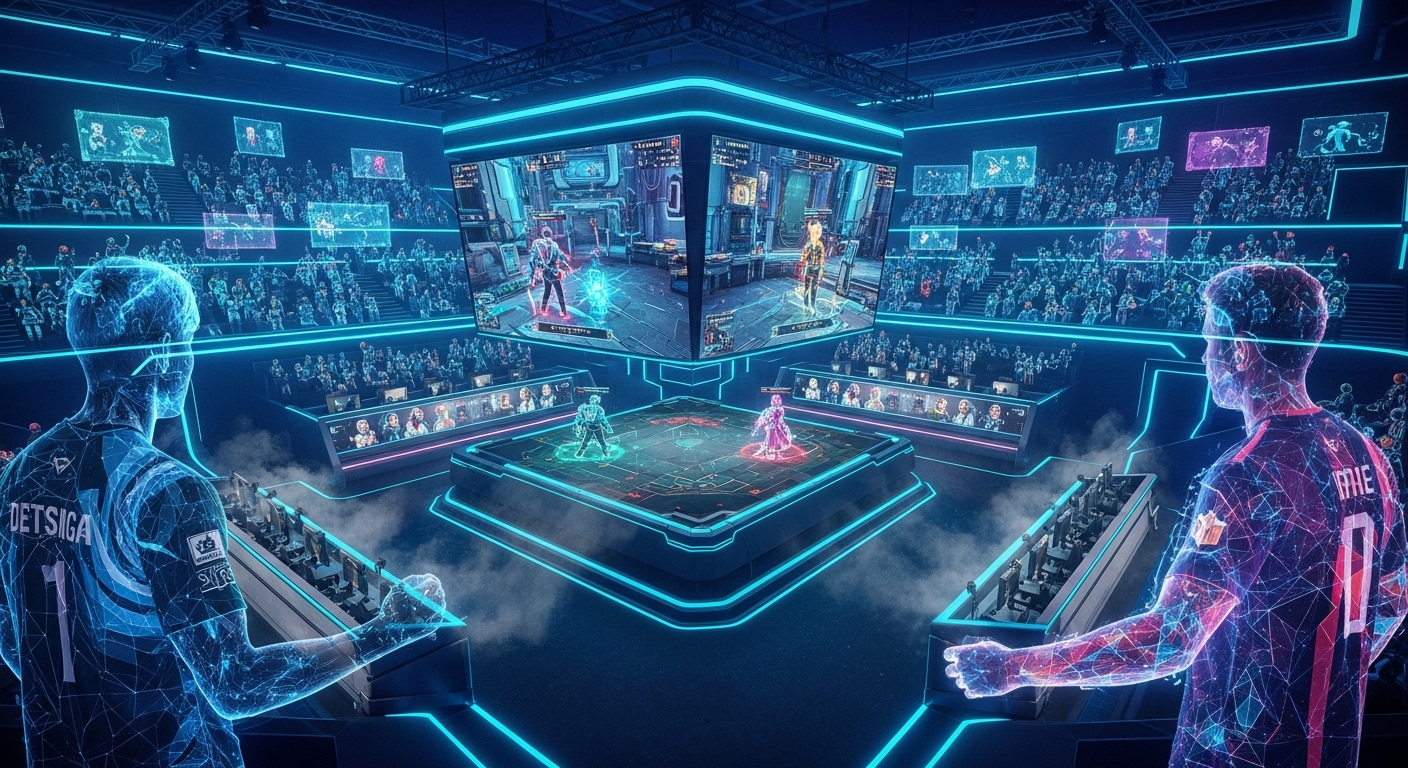
The future of esports is bright and multifaceted. Emerging technologies such as virtual reality, augmented reality, and artificial intelligence will create new forms of competition and spectator experiences. Esports may expand into new genres, formats, and interactive experiences that blend gaming with other forms of entertainment.
Education and training programs will continue to develop, nurturing the next generation of professional players, analysts, and content creators. As esports becomes increasingly mainstream, partnerships with traditional sports, entertainment industries, and global brands will continue to grow. The combination of technology, storytelling, and competition ensures that esports will remain a dynamic, evolving industry for years to come.
Esports as Cultural Phenomenon
Esports is more than just a form of entertainment—it is a cultural movement. It influences fashion, music, social media, and even lifestyle choices. Fans adopt the branding of their favorite teams, wear merchandise, and celebrate victories as passionately as traditional sports. Esports personalities and influencers become icons, inspiring millions to pursue their own passions in gaming or related fields.
The culture of esports emphasizes collaboration, strategic thinking, and creativity, values that resonate beyond the gaming world. It empowers individuals to find community, express themselves, and engage in a global conversation about competition, skill, and entertainment.
Conclusion
Esports has transformed from a niche hobby into a global industry, reshaping how people play, watch, and interact with games. It combines technology, entertainment, and human skill to create experiences that captivate millions around the world. Professional leagues, streaming platforms, and community engagement have made esports a legitimate career path, cultural movement, and business enterprise.
The growth of esports demonstrates the power of creativity, technology, and global connectivity. It has challenged traditional ideas of sports and entertainment, proving that digital competition can be as thrilling and meaningful as any traditional athletic endeavor. As technology continues to advance and audiences expand, esports will continue to evolve, inspiring the next generation of players, fans, and innovators.
In the end, esports is more than just gaming—it is a testament to the human desire for competition, connection, and the joy of shared experiences in a digital age.