Introduction: The Emergence of Esports as a Global Phenomenon
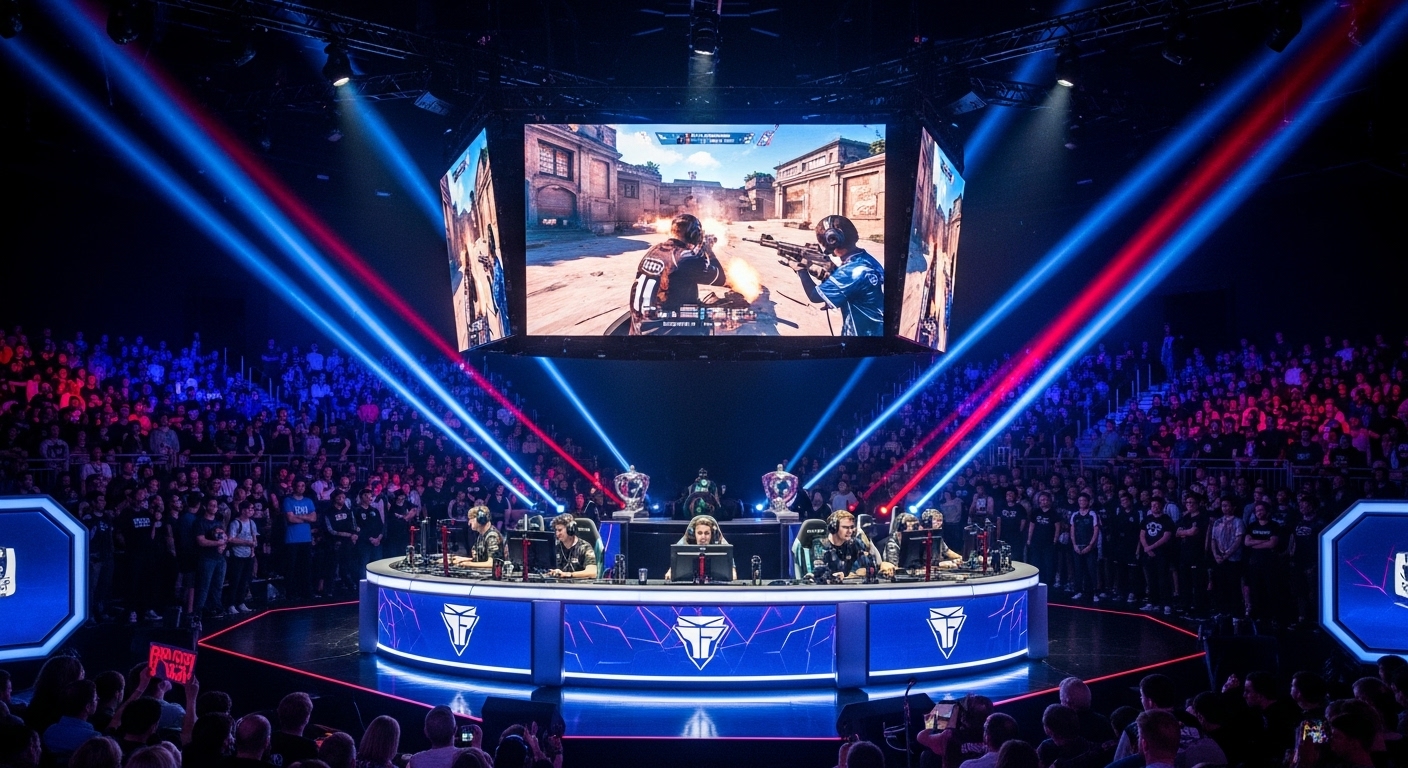
In the world of entertainment, there is one phenomenon that has grown exponentially over the past decade: esports. Competitive video gaming, or esports, has evolved from a niche hobby to a massive, multi-billion-dollar industry. What started as small, community-driven tournaments held in basements and internet cafes is now a global spectacle, with professional leagues, sponsorship deals, and millions of viewers around the world tuning in to watch top players compete in high-stakes events.
Esports has not only transformed the way we think about gaming, but it has also shifted the way we engage with sports in general. As more people engage with competitive gaming, its influence continues to spread into mainstream culture. In this blog post, we will explore the rapid rise of esports, the key factors contributing to its success, the professional landscape of competitive gaming, and the challenges that the industry must overcome to continue growing.
What is Esports? Understanding the Basics
Esports refers to organized, multiplayer video game competitions, particularly between professional players, teams, or organizations. These competitions are often streamed live on platforms such as Twitch, YouTube Gaming, and Facebook Gaming, where viewers can watch players battle it out in various games. Esports encompasses a wide range of genres, from first-person shooters (FPS) like Counter-Strike: Global Offensive and Overwatch to real-time strategy games like StarCraft II and League of Legends. Multiplayer Online Battle Arenas (MOBAs), such as Dota 2 and League of Legends, have become some of the most popular and lucrative games in the esports ecosystem.
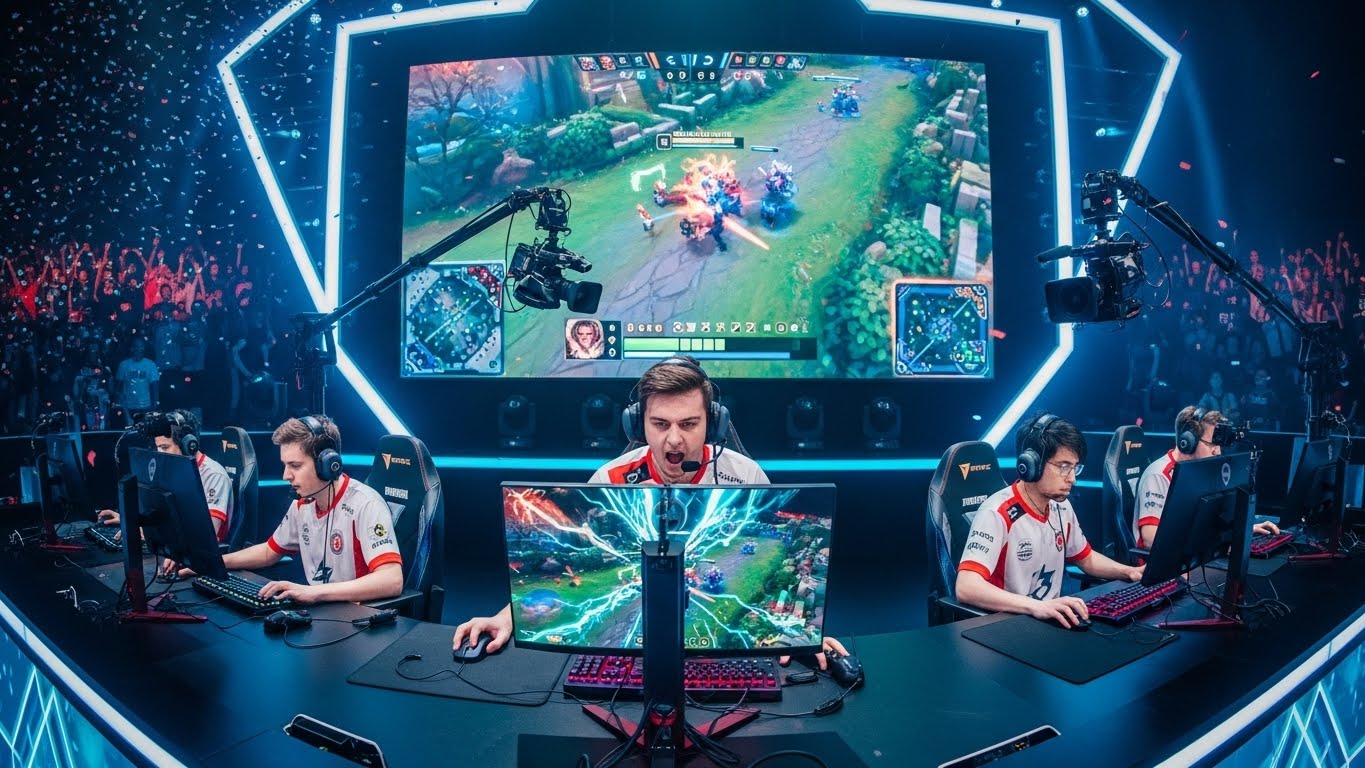
What sets esports apart from casual gaming is its level of competitiveness and professionalism. While millions of people play video games for fun, only a small fraction engage in competitive gaming at the highest level, where skill, strategy, and teamwork are crucial to victory. Professional esports players train just as rigorously as athletes in traditional sports, spending hours each day honing their skills, studying game mechanics, and developing strategies with their teams.
The Evolution of Esports: From Casual Hobby to Global Industry
The origins of esports can be traced back to the early 1990s when competitive gaming was first introduced through tournaments like the Red Annihilation Tournament in 1997, which was one of the first major tournaments for Quake, a first-person shooter. In the early years, esports events were small and localized, often held in LAN (Local Area Network) cafes or gaming centers. These tournaments were mostly attended by diehard fans of the games who were passionate about their favorite titles and wanted to see top players compete for glory.
The 2000s saw the beginning of a more structured esports scene, with the establishment of major competitions such as BlizzCon, hosted by Blizzard Entertainment, which showcased games like Warcraft and StarCraft. Around the same time, professional leagues and organizations began to emerge, and competitive gaming started to gain attention outside of dedicated gaming circles.
However, it wasn’t until the 2010s that esports began to explode in popularity. The rise of streaming platforms like Twitch (launched in 2011) allowed fans to watch live competitions and interact with players in real-time. This created a sense of community and brought esports to the forefront of the gaming world. At the same time, large gaming companies began investing in esports, organizing massive tournaments with multi-million-dollar prize pools. Titles like League of Legends, Dota 2, and Fortnite became household names, attracting millions of viewers worldwide.
By 2019, the global esports market was valued at over a billion dollars, with sponsorships, media rights, and advertising deals driving the majority of revenue. Esports tournaments, such as The International (for Dota 2) and League of Legends World Championship, offer prize pools that rival those of traditional sports events, with millions of dollars on the line for the top teams and players.
Key Factors Driving the Success of Esports
Several factors have contributed to the rapid rise of esports, making it one of the fastest-growing industries in the world. Let’s take a look at some of the key drivers behind esports’ success.
1. The Growth of Online Streaming
One of the most significant factors in the rise of esports is the growth of online streaming platforms. Websites like Twitch, YouTube Gaming, and Facebook Gaming have become central hubs for esports, offering live broadcasts of tournaments, match highlights, and personal streams from professional players. These platforms provide a level of accessibility that traditional television broadcasts cannot match, allowing fans to watch their favorite players in action from anywhere in the world.
The interactive nature of these streaming platforms has also played a huge role in fostering community engagement. Fans can chat with each other during live streams, ask players questions, and participate in giveaways, creating a sense of camaraderie that extends beyond just watching the games. This level of engagement helps build a loyal fanbase, which is crucial for the sustainability of esports.
2. Accessibility and Inclusivity
Another key factor driving the popularity of esports is its accessibility. Unlike traditional sports, which often require expensive equipment or facilities, esports can be played by anyone with a computer or gaming console and an internet connection. This has made esports accessible to a global audience, particularly in regions where traditional sports infrastructure may be lacking.
Moreover, esports has become an inclusive space for players of all backgrounds. Whether you’re a casual gamer or a professional, there are opportunities to participate in tournaments, regardless of gender, race, or geographic location. In recent years, there has been an increasing focus on diversity and inclusivity within the esports community, with initiatives aimed at encouraging female participation and supporting players from underrepresented regions.
3. The Professionalization of Esports
As esports has gained traction, the level of professionalism has increased dramatically. Teams and players are now signed to professional organizations, complete with sponsorship deals, coaches, analysts, and support staff. Esports players are treated like athletes in traditional sports, with rigorous training regimens, performance analysis, and recovery periods.
The rise of esports as a professional career has led to the development of a global ecosystem of teams, sponsors, broadcasters, and event organizers. These organizations are involved in everything from organizing large-scale tournaments to managing player contracts, sponsorships, and media rights. The establishment of professional leagues, such as the Overwatch League and Call of Duty League, has further solidified esports as a legitimate career path for talented players.
4. Cultural Shifts: The Appeal of Gaming
In addition to technological advancements, the changing cultural attitudes toward gaming have played a significant role in the rise of esports. Gaming is no longer seen as a pastime reserved for “nerds” or a niche hobby. It has become a mainstream form of entertainment, with millions of people around the world playing games regularly. This cultural shift has led to increased acceptance of esports as a legitimate form of competition, rather than just casual play.
Esports also appeals to younger generations who are digital natives and have grown up with video games. For many, watching competitive gaming is just as thrilling as watching traditional sports. Esports events like The International and League of Legends World Championship draw massive crowds and millions of online viewers, proving that there is a huge demand for competitive gaming content.
The Professional Esports Scene: Teams, Leagues, and Players
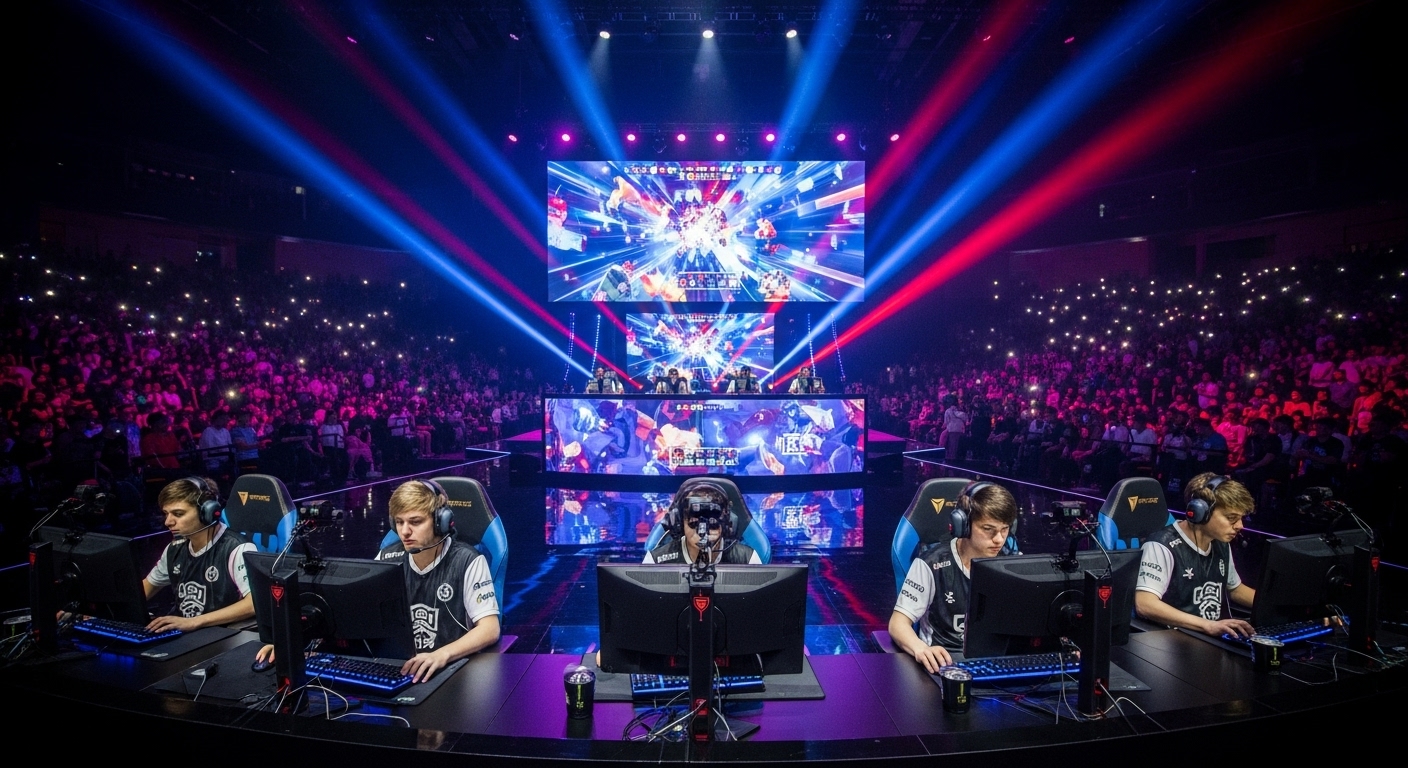
The professional esports ecosystem is structured much like that of traditional sports, with teams, leagues, and individual players all playing pivotal roles in the industry. Esports teams are typically composed of five to six players who compete together in a specific game, often with support staff such as coaches, analysts, and managers. These teams are backed by esports organizations that handle sponsorship deals, merchandising, and player contracts.
Professional esports leagues, such as the Overwatch League and League of Legends Championship Series (LCS), offer a structured environment for teams to compete in regular seasons and playoffs. These leagues attract top-tier sponsors, including major companies like Coca-Cola, Intel, and Red Bull, who invest in the growth of the industry.
Individual players, too, are increasingly recognized as athletes in their own right. Many esports players have become celebrities, with massive followings on social media and streaming platforms. Top players like Ninja, Faker, and S1mple have become household names, and their success on the competitive stage has earned them lucrative sponsorships and endorsement deals.
Challenges Facing the Esports Industry
While esports continues to experience rapid growth, it faces a number of challenges that could impact its long-term sustainability. One of the primary concerns is the health and well-being of professional players. Esports players spend hours a day practicing and competing, which can lead to physical and mental health issues, such as eye strain, carpal tunnel syndrome, and burnout. As the industry matures, there will need to be a greater focus on player health and the development of recovery programs.
Another challenge is the lack of standardization within the industry. While some games have established professional leagues and tournaments, others are still in the early stages of development. The esports landscape remains fragmented, with different games and tournaments being governed by various organizations. A lack of unified rules and regulations can create inconsistencies and challenges for teams and players.
The Future of Esports
The future of esports is incredibly promising. As technology continues to advance and the gaming community expands, esports will only continue to grow. The rise of virtual and augmented reality, as well as improvements in game development and broadcasting technologies, will further enhance the viewing experience for fans.
Esports will also continue to attract mainstream attention, with major media outlets, traditional sports organizations, and brands increasingly investing in the industry. As the audience for esports grows and the infrastructure becomes more robust, competitive gaming will continue to challenge traditional sports for its place in the global entertainment landscape.