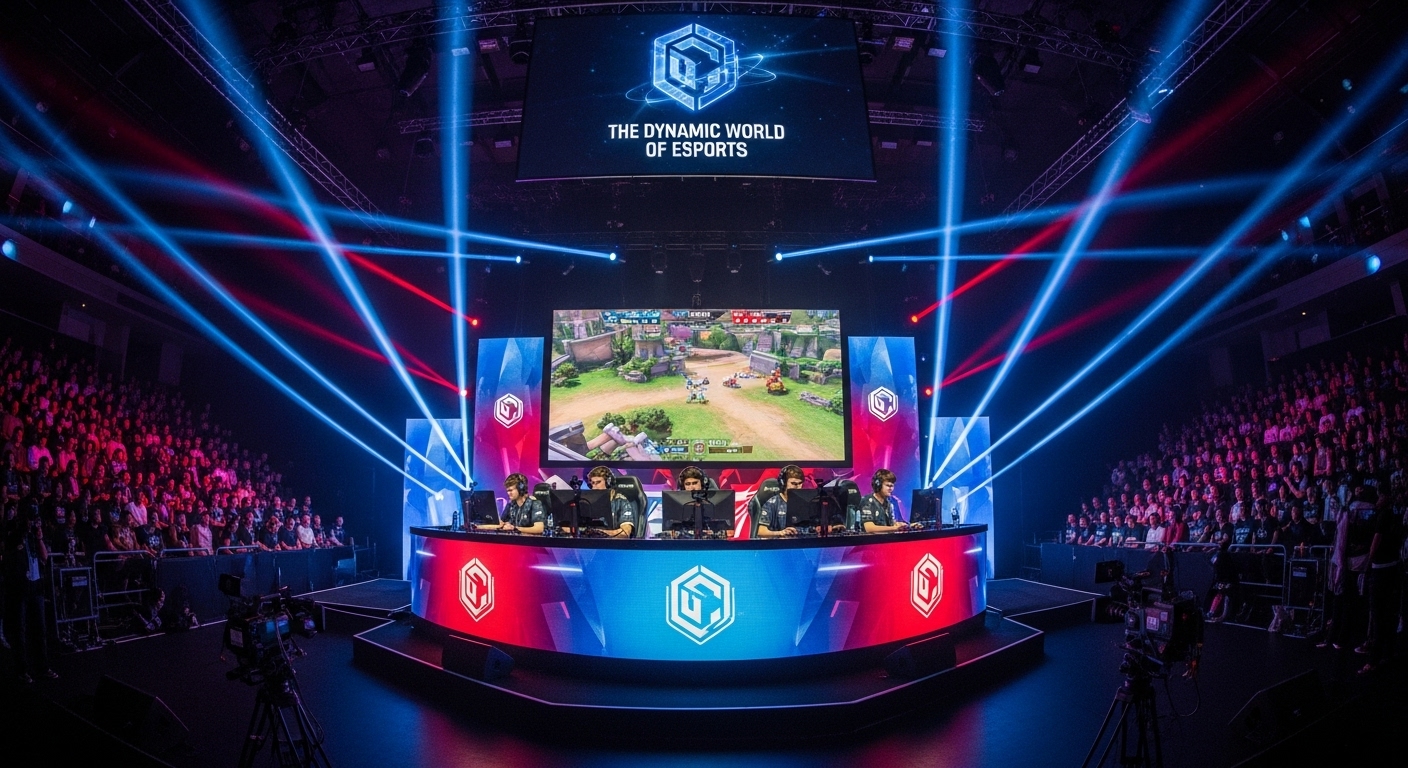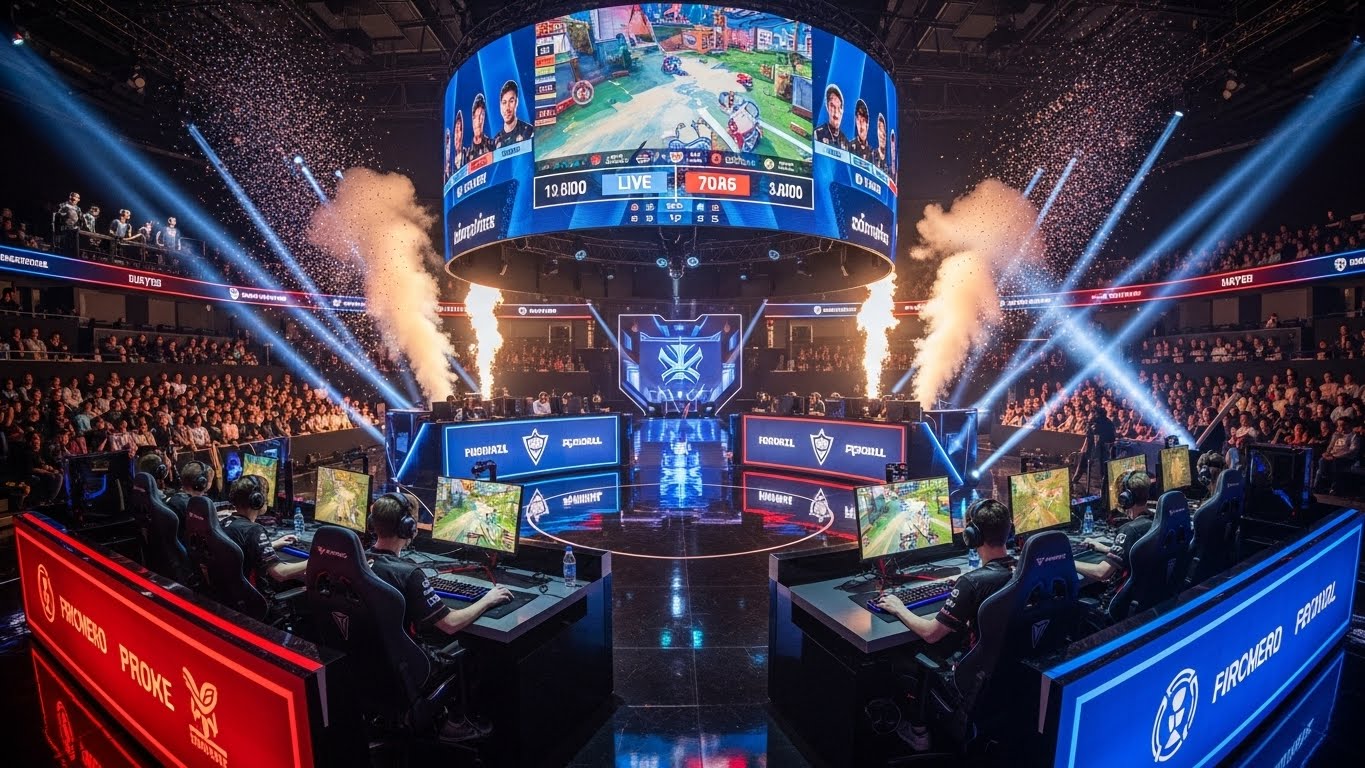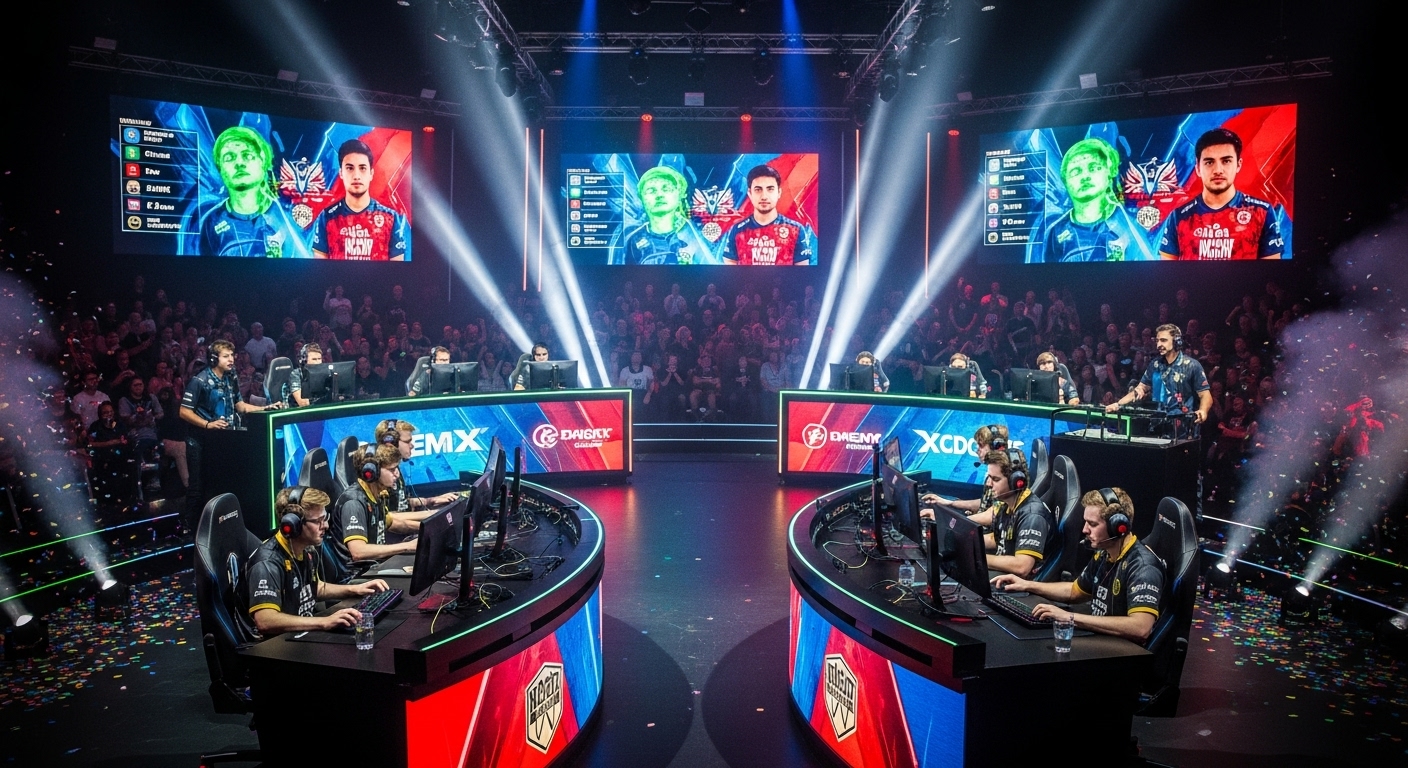
In recent years, the world of gaming has evolved dramatically, shifting from a niche hobby to a global phenomenon. What started as a pastime enjoyed by a small community has now become a multi-billion-dollar industry. Esports—organized, multiplayer video game competitions—has emerged as a leading form of entertainment, attracting millions of viewers and offering massive prize pools. In this blog post, we will explore the growth of esports, its cultural significance, and its future in the world of entertainment.
The Evolution of Esports: From LAN Parties to Global Tournaments
Esports has its roots in the early days of competitive gaming. In the 1990s, local area network (LAN) parties were popular, where friends would gather to play games like Quake, StarCraft, or Warcraft over local networks. These informal competitions laid the foundation for the professionalized esports scene we know today.
As technology improved, so did the opportunities for competitive gaming. Online platforms allowed players to compete against one another from different parts of the world. The creation of organized tournaments with sponsorships, broadcasting, and live streams provided an avenue for professional gamers to emerge. The turning point came when games like League of Legends, Counter-Strike, and Dota 2 began offering substantial prize money, attracting both players and viewers alike.
Esports as a Multi-Billion Dollar Industry
The growth of esports has been nothing short of explosive. In 2023, the global esports industry was valued at over $1 billion, and it continues to expand each year. This rapid growth can be attributed to several factors, including increased access to high-speed internet, the rise of streaming platforms like Twitch and YouTube, and the increasing popularity of mobile gaming.
Esports is no longer just about competitive gaming—it’s a thriving ecosystem that includes sponsorships, advertising, merchandise, and broadcasting rights. Major companies like Coca-Cola, Intel, and Red Bull have invested heavily in the industry, signaling the immense potential of esports as a mainstream form of entertainment. What’s more, traditional sports organizations have also taken notice, with some even purchasing esports teams or forming partnerships with esports organizations.
The Appeal of Esports: Why It’s So Popular
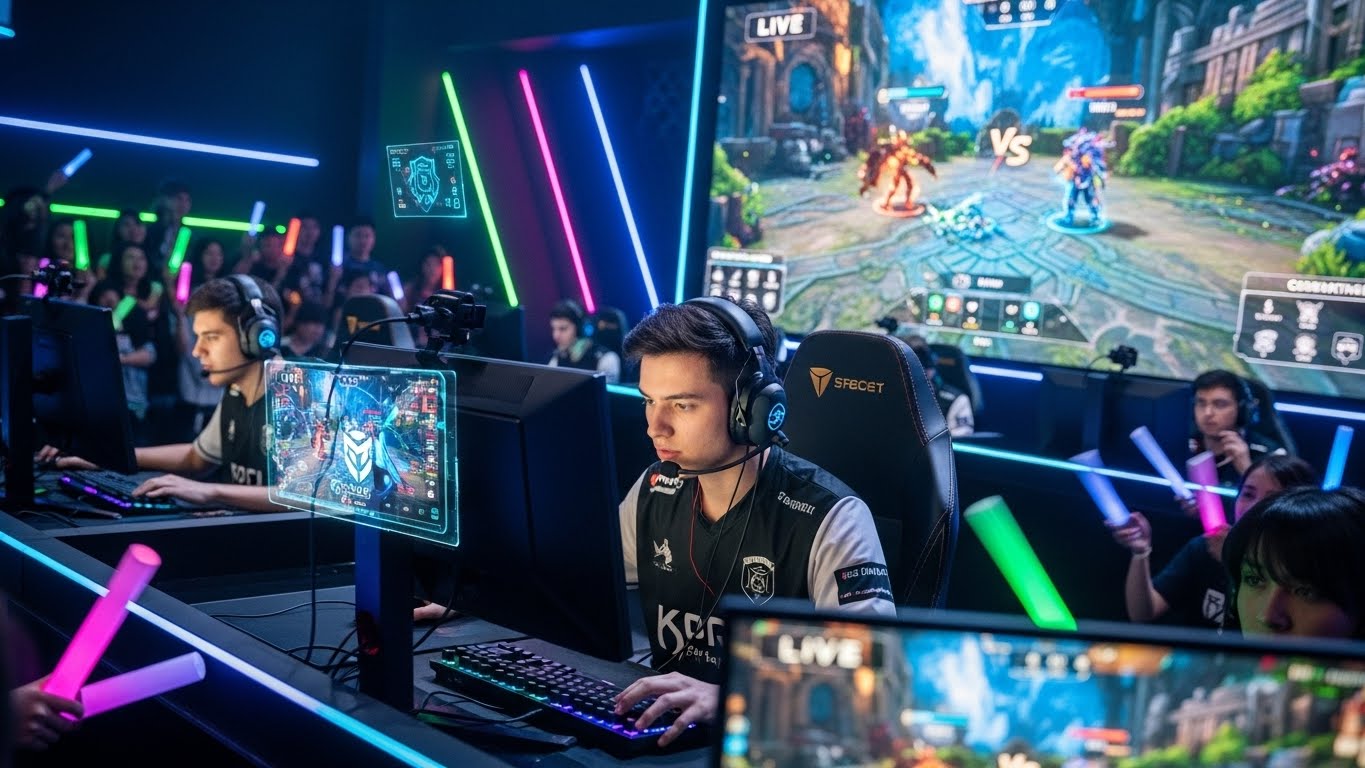
Esports is not just about playing video games—it’s about community, competition, and spectacle. The thrill of watching highly skilled players face off in fast-paced, strategic matches is a major draw for fans. The sense of immersion, combined with the high stakes and emotional intensity of tournaments, makes esports viewing a unique experience.
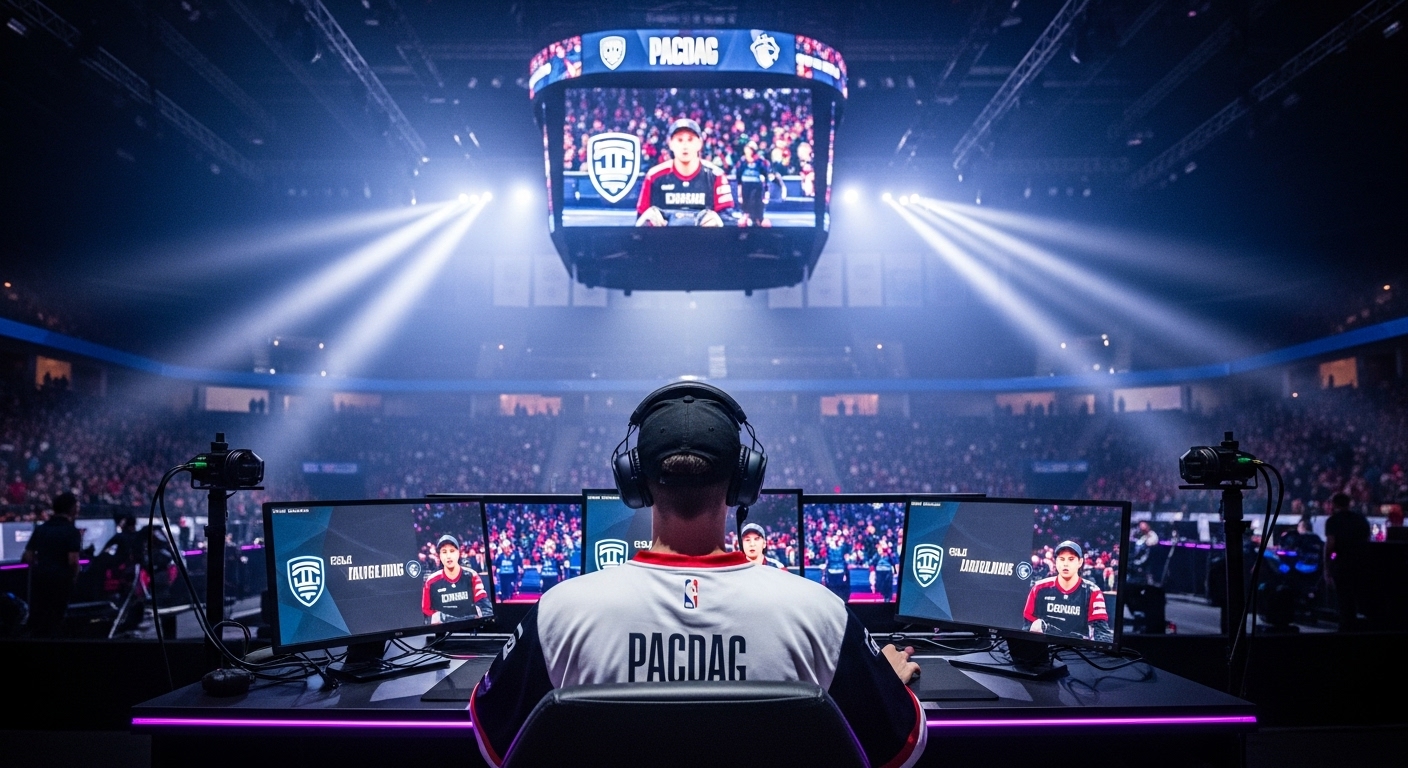
Fans can watch their favorite players or teams on live streaming platforms, and the best esports events are broadcasted to millions of viewers around the world. These tournaments often take place in massive arenas, where spectators cheer on their favorite players, similar to traditional sports events. This sense of camaraderie and excitement helps explain why esports has garnered such a passionate following.
Moreover, the accessibility of esports plays a crucial role in its success. Unlike traditional sports, where physical skill and equipment can be barriers to entry, esports allows anyone with a computer or gaming console to participate in the competitive scene. Whether it’s a local tournament or an international championship, aspiring gamers from all walks of life can dream of reaching the top level of competition.
The Players Behind the Game: Professional Gamers and Their Journey
At the heart of the esports industry are the players who dedicate their time, skill, and energy to becoming the best. Professional esports players are often some of the most talented and hard-working individuals in the gaming world, training for hours every day to hone their skills, develop strategies, and keep up with the ever-evolving metagame.
Being a professional gamer isn’t just about playing for fun—it’s a full-time job that requires commitment, discipline, and sacrifice. Many players start their journey in their teens and spend years building their skills and reputation. Along the way, they must manage the pressures of competition, the expectations of their fans, and the demands of sponsorships and media appearances.
For many players, esports isn’t just a career—it’s a calling. The top players can earn substantial incomes through tournament winnings, sponsorships, and streaming, but the path to success is competitive and challenging. The pressure to perform at the highest level is immense, and burnout is a real concern for some players.
Esports and Its Cultural Impact
Esports has had a profound impact on global culture. It has introduced a new form of entertainment that appeals to a younger, tech-savvy audience. Gaming has become a way of life for millions, and esports has played a key role in shaping the identity of this generation.
The rise of esports has also given birth to a new type of celebrity. Professional gamers and streamers now enjoy fame and recognition on par with traditional athletes and entertainers. Social media platforms have allowed fans to connect with their idols, follow their careers, and even support them financially through platforms like Patreon or Twitch subscriptions.
Esports has also encouraged the growth of online communities and fanbases. Forums, fan art, memes, and fan conventions have become integral parts of the esports experience, fostering a sense of belonging and shared passion among fans.
The Future of Esports: What’s Next?
The future of esports looks bright, with continued growth expected across multiple areas. As technology advances, we can expect even more immersive experiences, such as virtual reality (VR) and augmented reality (AR) integrations. These innovations could further enhance the spectator experience, offering fans new ways to engage with their favorite games and players.
Additionally, the integration of esports into mainstream media continues to grow. Major networks are beginning to broadcast esports events, while streaming platforms are becoming more integrated into everyday life. Some universities have even started offering scholarships for esports athletes, recognizing the legitimacy and potential of esports as a career.
With the rise of mobile gaming, esports will likely continue to expand into new markets. Mobile esports tournaments have already gained popularity in regions like Southeast Asia and India, and as smartphone technology improves, more players will have the opportunity to compete at a high level.
Finally, as esports becomes more mainstream, it’s likely that we’ll see more traditional sports organizations and media companies investing in esports, helping to elevate the industry to new heights.
Conclusion: The Undeniable Power of Esports
Esports has come a long way since its humble beginnings. From LAN parties to sold-out arenas, it has transformed into a global entertainment juggernaut that’s shaping the future of gaming and competition. With its growing popularity, massive prize pools, and dedicated fanbase, esports is poised to become a central part of the entertainment landscape for years to come.
Whether you’re a casual viewer or an aspiring professional, there’s no denying that esports is here to stay, and its influence on the world of sports, entertainment, and culture will continue to expand in exciting new directions.