Introduction
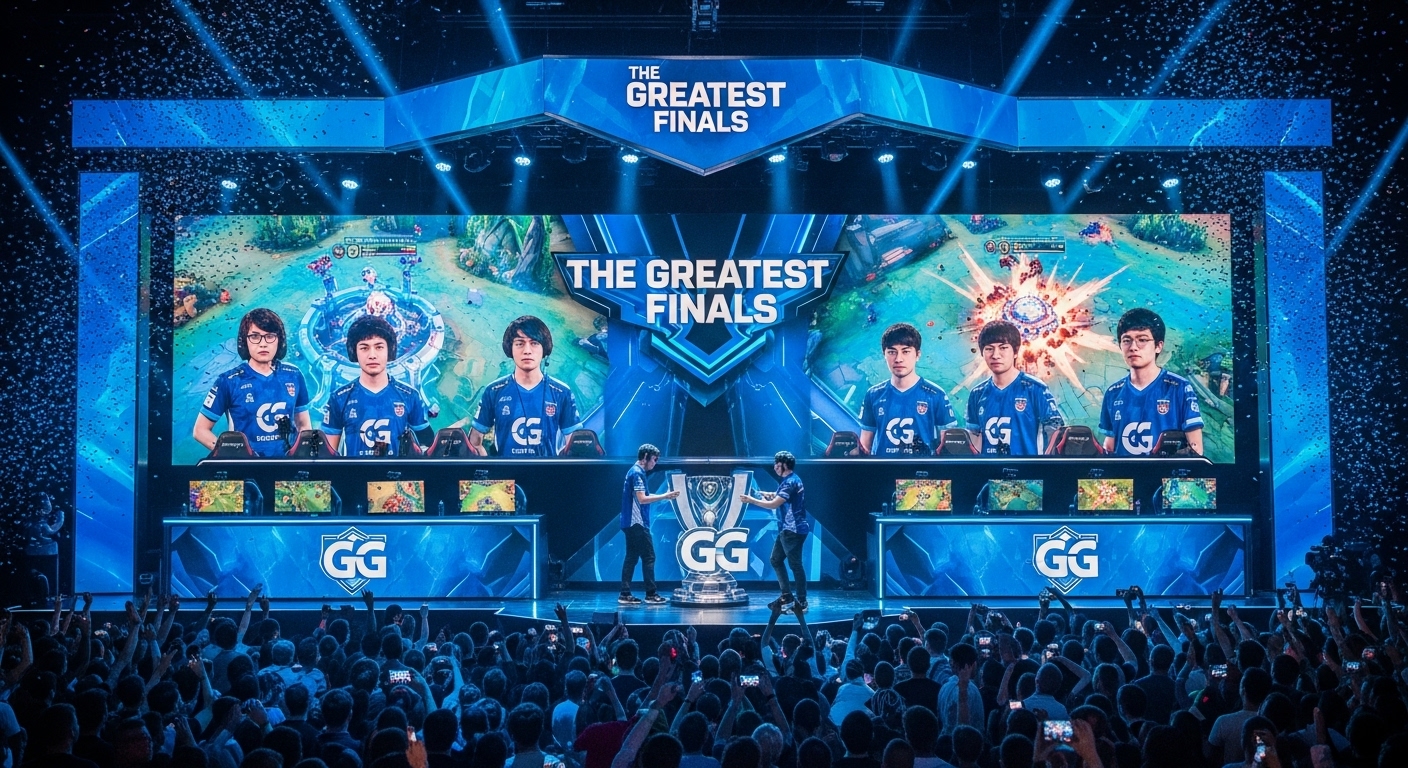
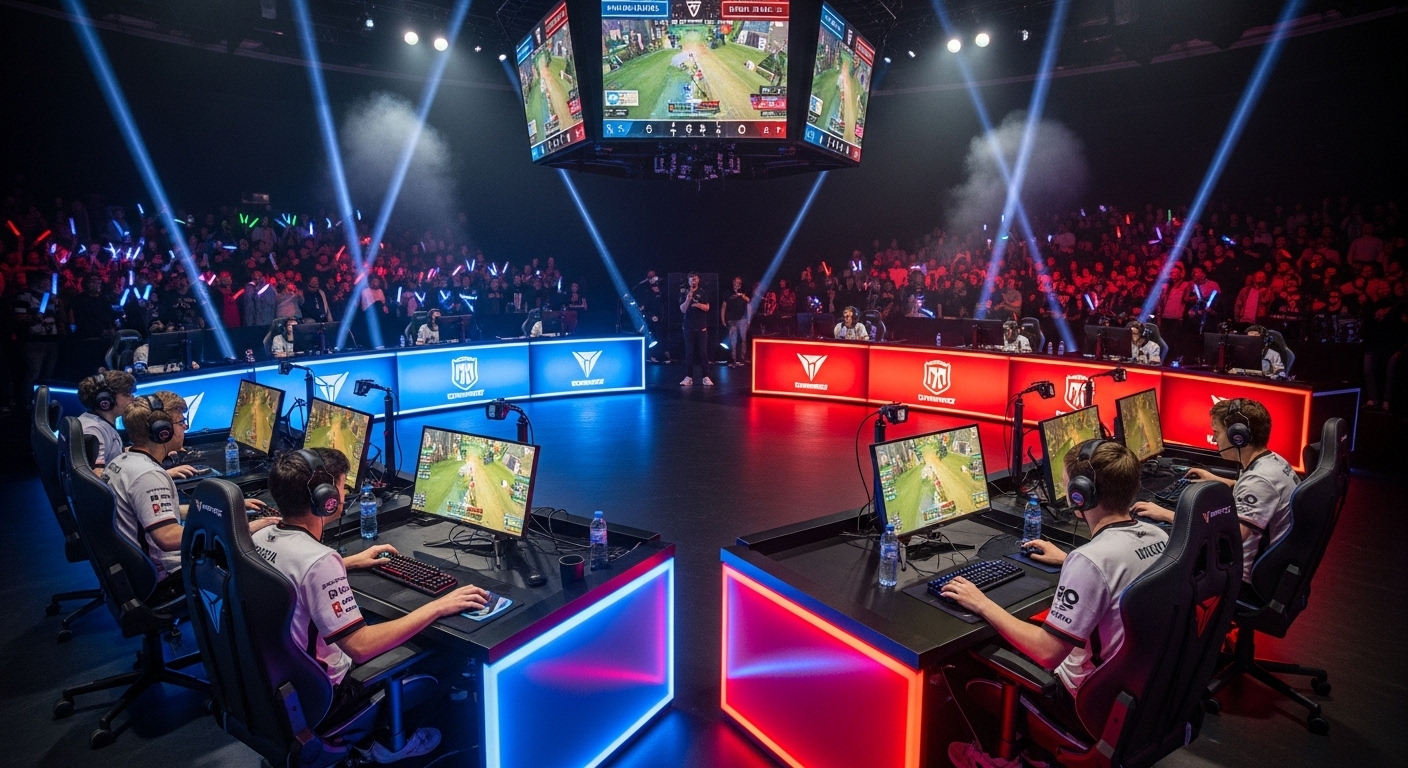
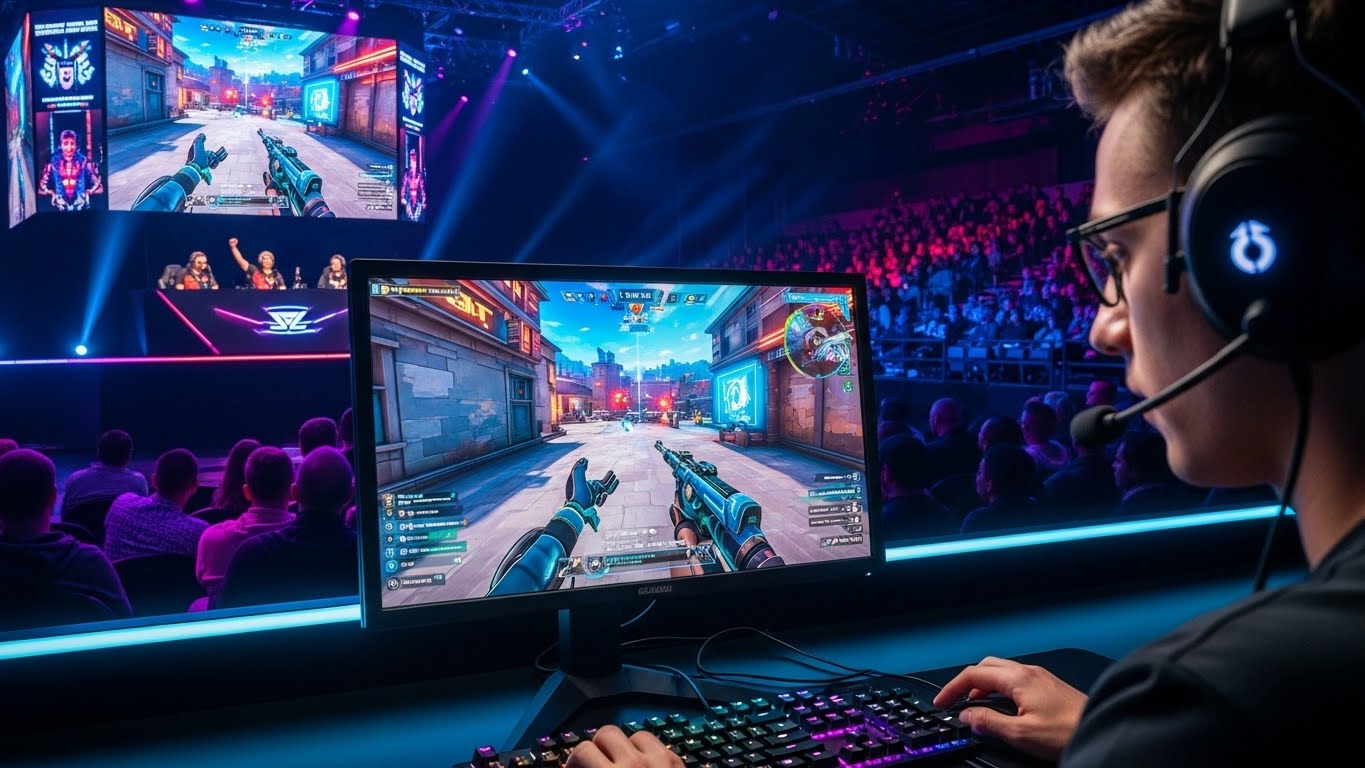
Esports, short for electronic sports, has evolved into one of the most influential entertainment phenomena of the 21st century. What once began as a niche hobby for gamers has exploded into a billion-dollar industry with millions of fans around the globe. Competitive gaming has found its place alongside traditional sports, and the stakes have never been higher. From its humble beginnings in local LAN tournaments to packed arenas and global streaming platforms, esports has grown into an organized, professional industry, with a significant cultural impact that cannot be ignored.
In this blog post, we’ll explore the rise of esports, its evolution, the factors contributing to its growth, and what the future holds for competitive gaming.
The Origins of Esports: From Casual Play to Professional Competition
Esports, in its earliest form, began in the 1970s and 1980s, though it wasn’t widely recognized as a competitive industry until much later. The first known competitive video game event was the 1972 “Spacewar” tournament at Stanford University. However, it wasn’t until the late 1990s and early 2000s that esports began gaining serious traction. Games like StarCraft in South Korea, Quake, and Warcraft III formed the early foundation of competitive gaming.
In South Korea, StarCraft became a national pastime, and the country’s emphasis on high-speed internet connections allowed professional gaming to flourish. This period saw the rise of gaming leagues, with the Korean e-Sports Association (KeSPA) playing a pivotal role in shaping the esports landscape. South Korea’s impact on esports has been immense, and the country continues to be one of the most influential esports hubs globally.
In the early 2000s, organizations like Major League Gaming (MLG) in the United States further formalized competitive gaming, hosting tournaments for games like Halo, Call of Duty, and Counter-Strike. Esports, though still small by today’s standards, began to take shape as a legitimate form of entertainment.
The Growth of Esports: Key Milestones in the Industry
As the internet evolved, so did the esports industry. Several key factors contributed to the exponential growth of esports, including advances in technology, the rise of online multiplayer games, and the development of streaming platforms like Twitch.
- The Rise of Online Multiplayer Games
One of the most important catalysts for the rise of esports was the development of online multiplayer games. Titles like League of Legends, Dota 2, Counter-Strike: Global Offensive (CS: GO), and Overwatch introduced new possibilities for competitive play, allowing players from across the globe to compete against one another in real time.
Games like League of Legends, which was launched by Riot Games in 2009, became a cornerstone of esports. With regular updates, competitive seasons, and a growing community, LoL became one of the world’s most-watched esports titles. The game’s competitive scene, featuring regional leagues and global championships, paved the way for other games to adopt similar structures.
- Streaming Platforms and Global Reach
The advent of streaming platforms like Twitch in 2011 played a pivotal role in the growth of esports. Twitch allowed gamers to stream their gameplay live, attracting large audiences and allowing esports events to be broadcast directly to fans worldwide. This instant access to live competitions made esports more accessible, enabling fans to follow their favorite players, teams, and events no matter where they lived.
As a result, esports events began drawing attention from mainstream media and entertainment companies. In 2016, for example, The International, the world’s premier Dota 2 tournament, offered a prize pool exceeding $20 million. The prize money alone highlighted the massive potential of esports as an industry.
- The Emergence of Esports Organizations and Sponsorships
As esports became more mainstream, it attracted attention from major corporations and investors. Leading companies in the tech, telecommunications, and entertainment industries began sponsoring esports teams, players, and events. Organizations like Cloud9, Fnatic, and Team Liquid signed professional gamers to represent them in tournaments and leagues.
Sponsorships also helped elevate the profile of esports. High-profile brands such as Intel, Coca-Cola, Red Bull, and Nike began associating themselves with esports, further legitimizing the industry. The influx of money and resources led to the creation of better infrastructure, improved player conditions, and increased visibility.
The Impact of Esports on Mainstream Culture
Esports has had a significant cultural impact that goes beyond the gaming community. The rise of esports has led to new forms of entertainment, a shift in the way people view competitive sports, and the creation of a global community that brings together fans from all walks of life.
- Esports as a Spectator Sport
One of the most fascinating developments in esports is its transformation into a spectator sport. Events like the League of Legends World Championship and The International attract millions of viewers, often rivaling traditional sports events in terms of viewership. The ability to watch live gameplay and cheer for one’s favorite team or player has resonated with a younger audience, who may not be as interested in traditional sports like football or basketball.
Esports also provides a more inclusive experience for fans. Unlike traditional sports, which often require a physical presence at events or a subscription to a cable network, esports can be watched for free online. This level of accessibility has played a crucial role in attracting fans and creating a more global fanbase.
- Esports in Education and Career Opportunities
Another major societal impact of esports has been its integration into education and career opportunities. Esports programs have been established at universities and colleges around the world, with some even offering scholarships for competitive gaming. This shift has legitimized gaming as a viable career path, providing young people with the chance to pursue their passion for gaming in a more structured and professional environment.
Moreover, esports has created numerous job opportunities, including roles in broadcasting, event management, content creation, marketing, and team management. As the esports industry continues to grow, it is expected that new career paths and opportunities will continue to emerge.
- The Role of Esports in Fostering Community
Esports has fostered a sense of community and camaraderie that transcends geographic boundaries. Online multiplayer games allow players from around the world to form friendships and connect with others who share their passion for gaming. Tournaments, whether online or in-person, create opportunities for fans to interact, socialize, and celebrate their love for the games they play.
Esports has also led to the rise of content creators on platforms like YouTube and Twitch. Gamers who produce content, such as gameplay videos, tutorials, and commentary, have gained massive followings. Many of these content creators have become celebrities in their own right, further contributing to the growth of esports as a cultural force.
Challenges Facing the Esports Industry
Despite its impressive growth, esports faces several challenges that need to be addressed for the industry to continue thriving.
- Sustainability and Player Health
One of the biggest challenges in esports is player health. Esports players often spend long hours practicing and competing, leading to physical and mental health issues. Conditions like repetitive strain injuries, eye strain, and mental burnout are common among professional gamers.
Organizations and leagues are starting to recognize the importance of player well-being and are implementing policies and programs to address these issues. For instance, some esports teams now employ sports psychologists, physical trainers, and nutritionists to ensure their players are in peak condition.
- Regulation and Fair Play
As esports continues to grow, there are increasing concerns about fairness, cheating, and match-fixing. The integrity of competitive gaming is vital for maintaining the trust of players and fans. Esports organizations are working to establish more robust regulations and anti-cheating measures to ensure a level playing field.
The Future of Esports: What’s Next?
The future of esports looks incredibly promising. As the industry continues to evolve, we can expect several key developments:
- Increased Integration with Traditional Sports
In the coming years, esports will likely see more integration with traditional sports leagues. Major sports organizations, such as the NBA and NFL, have already shown interest in esports, and collaborations may lead to joint events and cross-industry partnerships.
- Virtual and Augmented Reality Esports
The rise of virtual reality (VR) and augmented reality (AR) technologies could transform the way esports is played and viewed. These technologies offer new ways for players to engage with the game and for spectators to experience events in a more immersive manner.
- Global Expansion and Diversity
Esports will continue to expand across the globe, reaching new audiences in emerging markets. As esports becomes more diverse, it will also become more inclusive, attracting players from all backgrounds, ethnicities, and regions.
Conclusion
Esports has come a long way from its early days as a niche hobby. With its rapid growth and ever-expanding fanbase, competitive gaming is now a force to be reckoned with in the entertainment industry. Whether you’re a player, a fan, or simply someone curious about the world of esports, it’s clear that esports is here to stay. The future holds limitless potential, and as the industry continues to mature, the global esports ecosystem will likely become more accessible, more inclusive, and even more spectacular to watch.