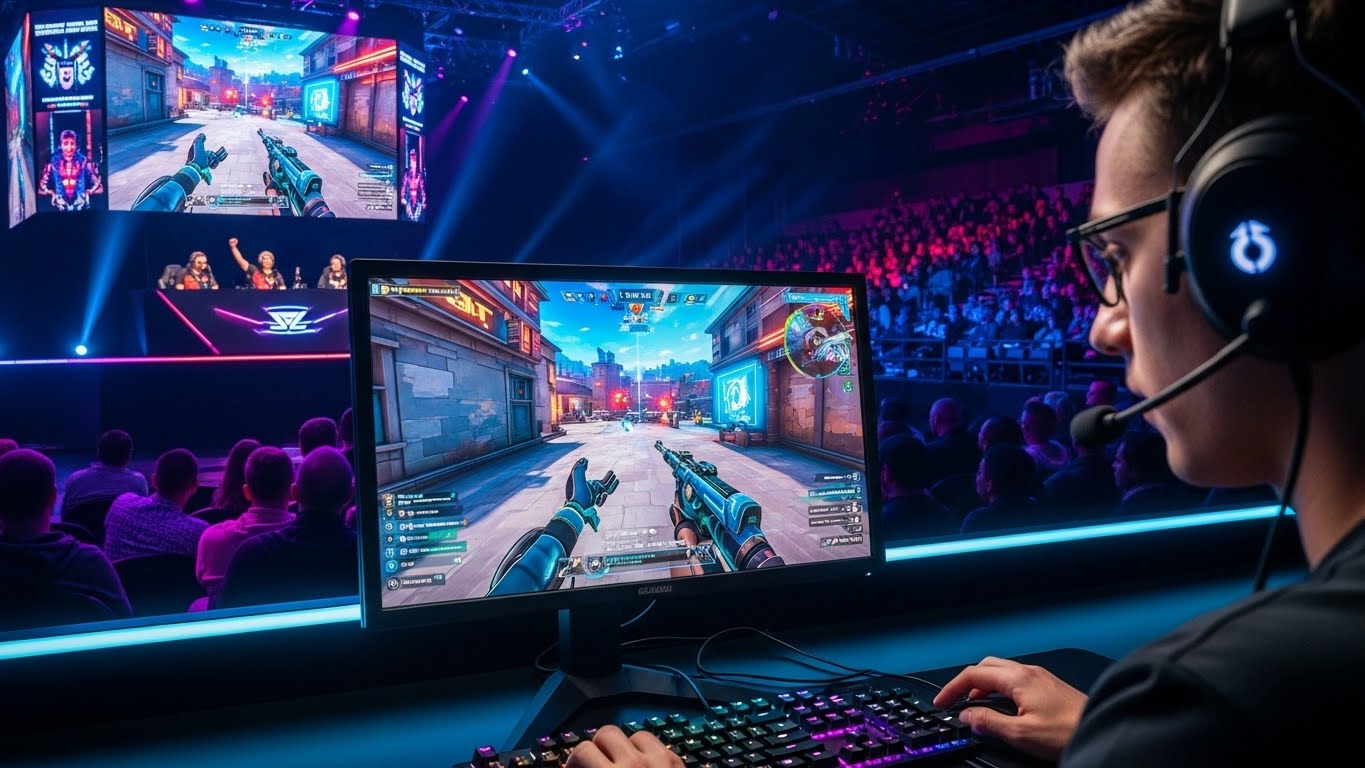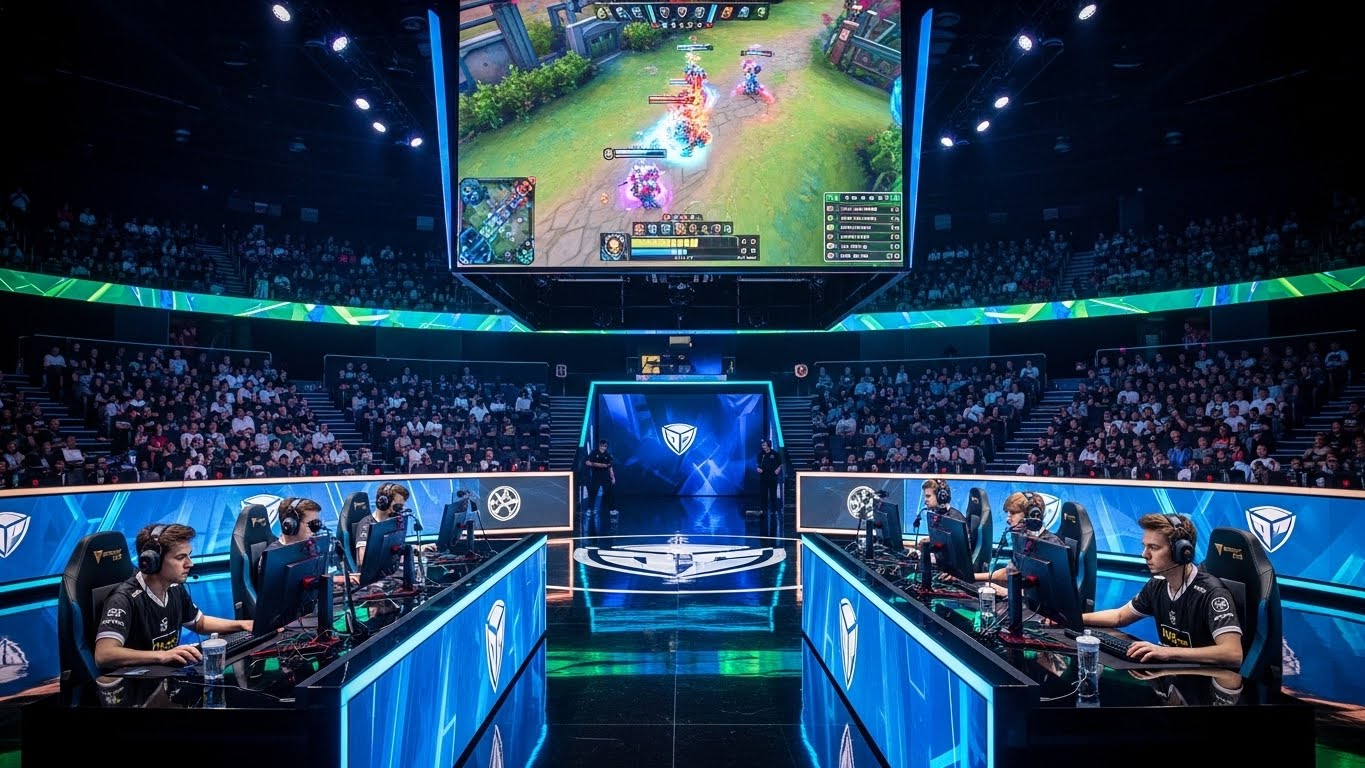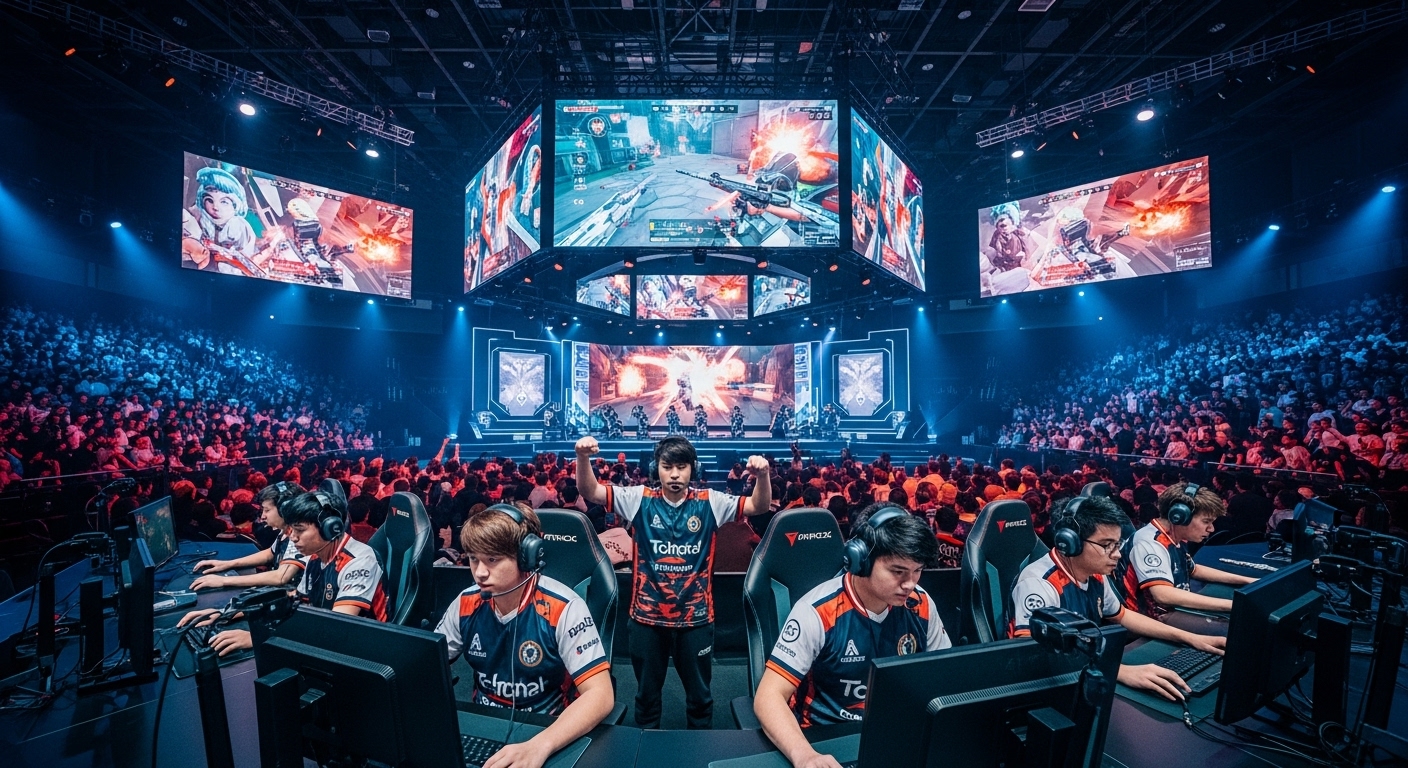

Esports has transformed from niche online gaming into a global phenomenon, captivating millions of players and viewers alike. What started as casual competitions among friends has evolved into professional leagues, massive tournaments, and a thriving industry with sponsorships, media coverage, and dedicated fanbases. The growth of esports reflects not only the popularity of gaming but also the way digital platforms are reshaping modern entertainment.
1. From Playgrounds to Professional Arenas
Esports has grown beyond bedrooms and local gaming centers into highly organized competitions. Professional players train rigorously, often treating gaming with the same dedication as athletes in traditional sports. Teams have coaches, analysts, and support staff, and tournaments are broadcasted to global audiences. The structure and professionalism of modern esports showcase its legitimacy as a competitive discipline.
2. The Games That Define Esports
Certain games have become cornerstones of esports, drawing massive player bases and viewership. Multiplayer online battle arenas, first-person shooters, and real-time strategy games dominate the scene. Each title brings its own unique strategies, teamwork requirements, and skill ceilings. The diversity of games ensures that esports appeals to a wide range of players and fans, making it more than just a single type of competition.
3. The Role of Streaming and Digital Media
Streaming platforms have fueled the rise of esports by connecting players with global audiences. Live broadcasts, commentary, and interactive features allow fans to engage with competitions in real time. This digital ecosystem has created opportunities for influencers, content creators, and sponsors, expanding esports into an entertainment powerhouse. It’s not just about playing; it’s about storytelling, community, and shared experiences.
4. Careers Beyond the Game
Esports is not limited to players alone. The industry has created careers in coaching, production, event management, marketing, and broadcasting. Analysts study gameplay patterns, designers develop immersive experiences, and commentators bring matches to life for viewers. The variety of opportunities demonstrates that esports is a multifaceted industry with economic and creative potential.
5. The Future of Esports
The future of esports is bright, with advancements in technology, virtual reality, and mobile gaming expanding possibilities. International tournaments are attracting record-breaking audiences, and collegiate programs are emerging worldwide. As esports continues to grow, it will influence mainstream culture, entertainment, and even education, proving that competitive gaming is more than a trend — it’s a lasting movement.
Conclusion
Esports has evolved into a global spectacle that combines skill, strategy, and entertainment. From professional players to digital arenas, the industry reflects the modern intersection of gaming and culture. As technology advances and communities grow, esports will continue to redefine how we think about competition, collaboration, and the future of digital entertainment.