Introduction
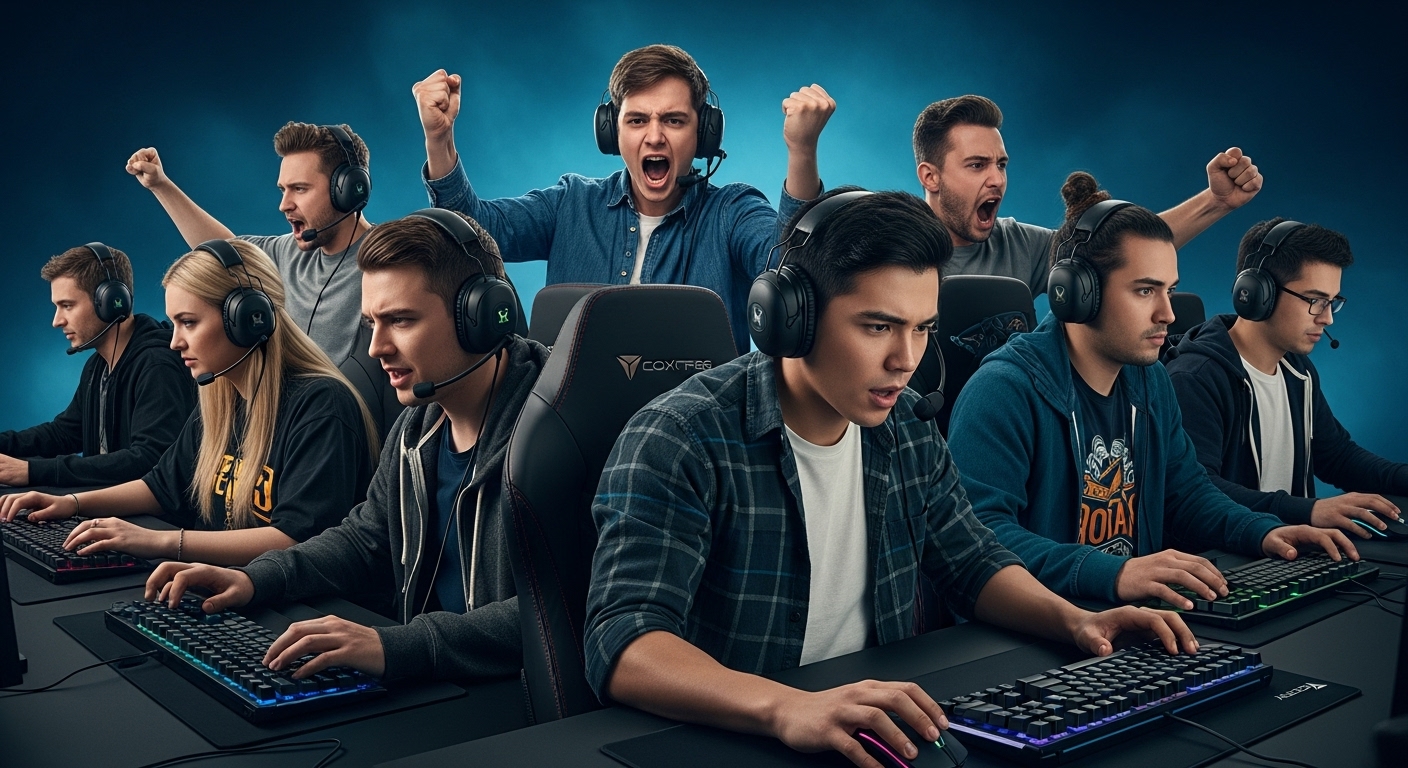
Not long ago, the idea of video games being considered a legitimate sport seemed far-fetched. For many, games were simply a way to unwind or escape into virtual worlds for fun. But today, esports—organized, competitive gaming—has become one of the fastest-growing industries in the world. Millions tune in to watch tournaments, cheer for their favorite players, and follow teams with the same passion fans show for football or basketball.
The rise of esports is not just a story about games. It’s a story about technology, community, business, and the changing way humans experience competition and entertainment. From the dimly lit arcades of the 1980s to massive stadiums filled with roaring fans, esports has evolved into a cultural and economic powerhouse that’s reshaping what it means to be an athlete and what it means to play.
The Early Roots of Competitive Gaming
While esports might seem like a product of the internet age, the roots of competitive gaming go back further than most people think. The first recognized gaming competition took place in 1972 at Stanford University, where students competed in Spacewar!, one of the earliest computer games. The prize? A year’s subscription to Rolling Stone magazine.
Through the 1980s and 1990s, video games became a mainstream part of entertainment culture. Arcade titles like Pac-Man and Donkey Kong attracted competitive players chasing high scores. The Nintendo World Championships in 1990 marked one of the first major gaming tournaments, creating an early model for organized competition. However, these events were still small in scale, often limited by the technology and connectivity of the time.
The Internet Era: Esports Takes Shape
The true transformation began with the rise of the internet in the late 1990s. Online multiplayer games allowed players to compete from anywhere in the world, creating the foundation for a connected gaming community. Titles like Quake, StarCraft, and Counter-Strike became early esports staples.
StarCraft, in particular, gained an almost cult-like following in South Korea, where it became a national obsession. Television channels broadcasted matches, professional teams formed, and players became celebrities. This was one of the first glimpses of esports as a full-fledged industry rather than a hobby.
The early 2000s saw further organization. Major tournaments like the Cyberathlete Professional League (CPL), Major League Gaming (MLG), and the World Cyber Games (WCG) began hosting international events. Players started earning sponsorships, salaries, and endorsements. Esports had started its journey toward professional legitimacy.
The Explosion of Modern Esports
The 2010s marked the decade when esports went from niche to mainstream. Several key developments fueled this rise.
Streaming Platforms Revolutionized Accessibility
Before streaming, watching esports required downloading massive video files or tuning in to limited broadcasts. With the launch of platforms like Twitch and YouTube Gaming, fans could now watch live matches with ease. Streaming not only connected players and fans but also created a direct line between professional gamers and their audiences.
Gamers could build personal brands, interact with fans, and generate income through ads, donations, and sponsorships. This changed everything. It blurred the line between professional competition and entertainment, helping esports reach millions globally.
Game Developers Invested in Competitive Scenes
Unlike early games, modern titles like League of Legends, Dota 2, Overwatch, and Valorant were built with esports in mind. Developers recognized the commercial potential of fostering competitive ecosystems.
Riot Games, for instance, launched the League of Legends Championship Series (LCS) and regional leagues worldwide, ensuring consistent structure and support for teams and players. Valve created The International, Dota 2’s flagship tournament, with multimillion-dollar prize pools crowdfunded by fans. These efforts turned esports into a sustainable, global business rather than scattered independent tournaments.
Sponsorships and Mainstream Recognition
As audiences grew, brands followed. Companies from energy drinks to car manufacturers began sponsoring teams and tournaments. Big networks like ESPN started broadcasting events, and universities introduced esports scholarships.
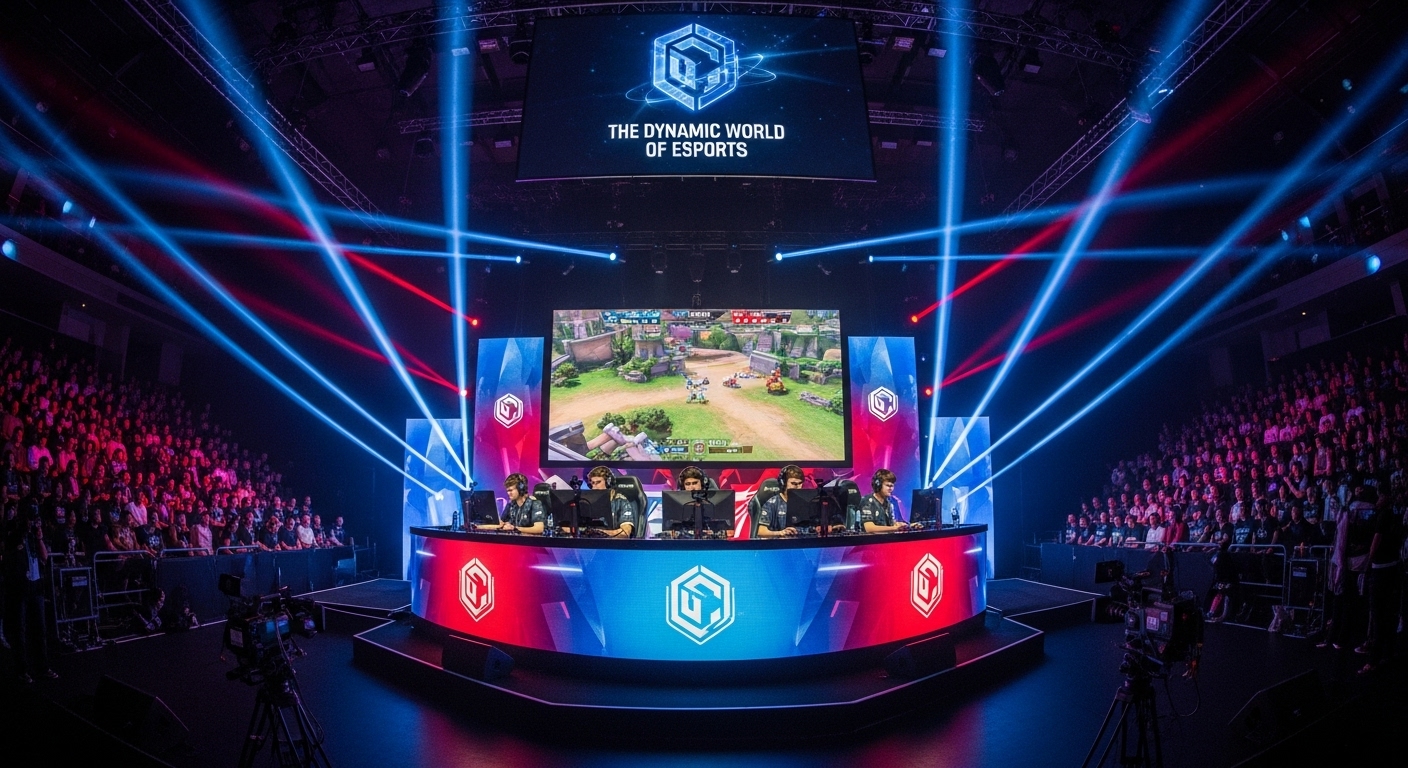
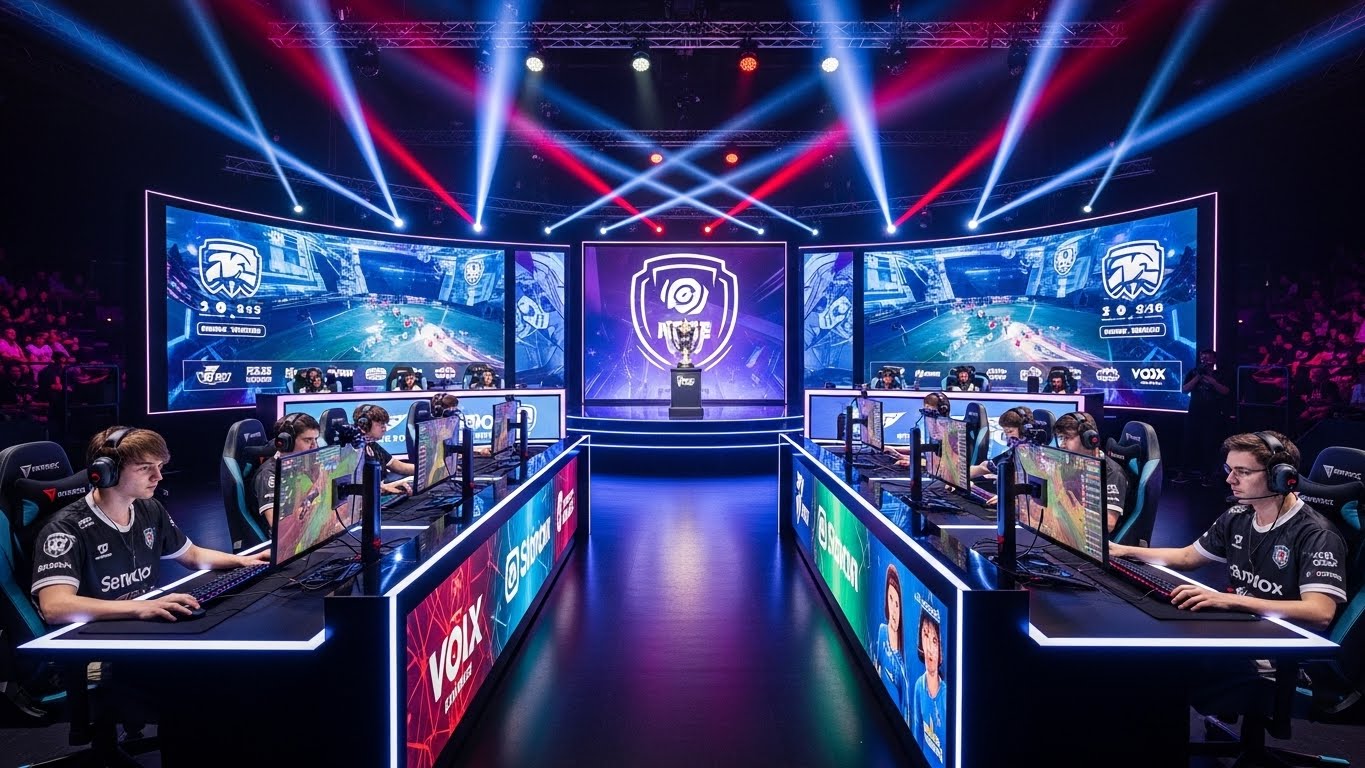
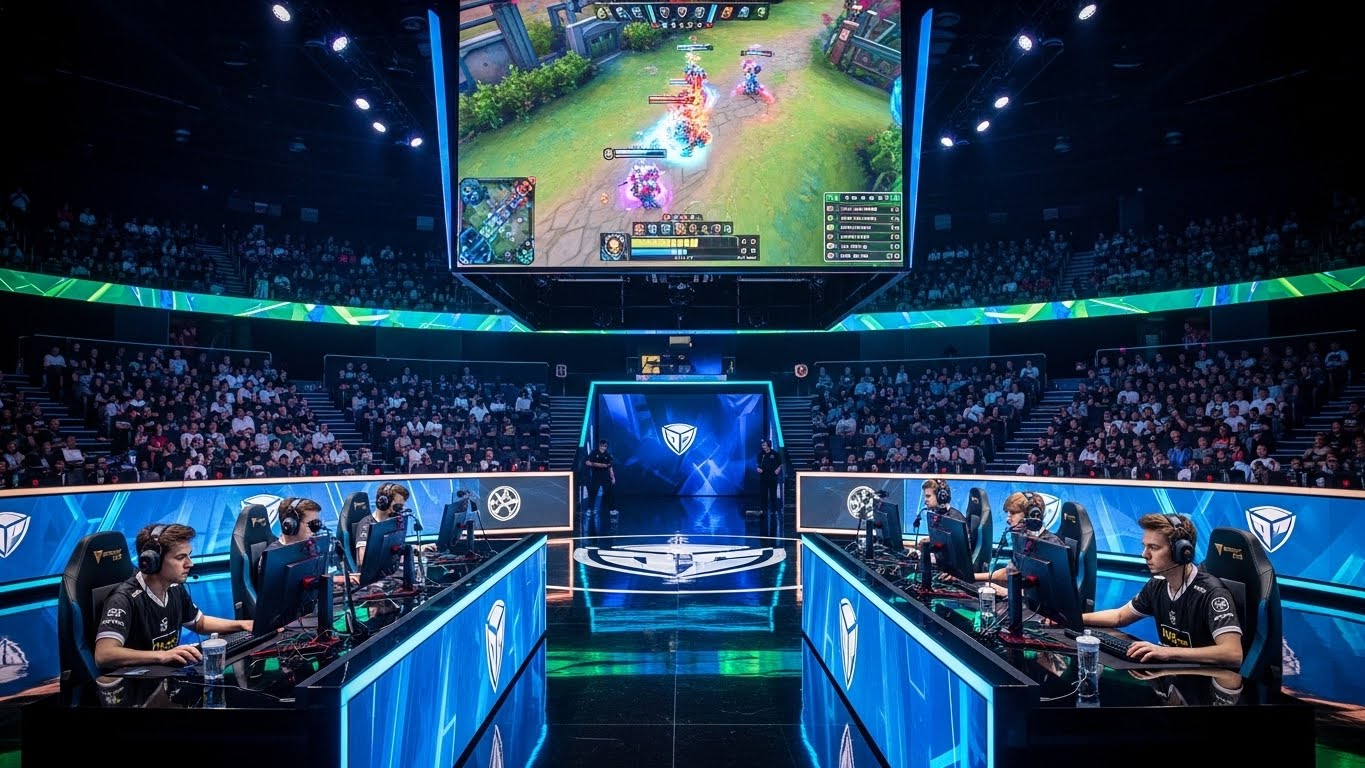
By the late 2010s, esports had firmly entered pop culture. Iconic arenas like Madison Square Garden and Staples Center hosted gaming tournaments. The Fortnite World Cup offered a $30 million prize pool, with teenage players earning life-changing sums of money. Suddenly, being a “gamer” wasn’t just a pastime—it was a career path.
The Culture of Esports: Fans, Teams, and Identity
Esports culture thrives on passion, identity, and community. Fans don’t just watch games; they live them. Online communities, social media, and forums give fans a voice and a space to connect, share strategies, and celebrate their favorite teams.
The Rise of Esports Teams and Organizations
Teams like Fnatic, Cloud9, Team Liquid, and T1 have become household names within gaming circles. These organizations operate much like traditional sports franchises—employing coaches, analysts, and marketing teams. They scout talent, negotiate contracts, and maintain training facilities equipped with cutting-edge technology.
What’s unique about esports organizations is their digital-first nature. Many of them also manage content creators, streamers, and influencers, blending competition and entertainment under one umbrella. This synergy keeps fans engaged even outside of tournaments.
The Global Nature of Esports
Unlike traditional sports, esports transcends geography. A player from Denmark can compete against a team from China, watched by fans in Brazil and South Africa—all in real time. Language barriers are often bridged through shared enthusiasm and universal understanding of the game.
This global accessibility has made esports one of the most inclusive forms of competition. Gender, nationality, and physical limitations matter far less in digital arenas, allowing a wider range of players to participate and thrive.
The Business of Esports
Behind the screens and lights, esports is a serious business. The industry has built an economic ecosystem involving developers, event organizers, sponsors, streamers, and even investors.
Revenue Streams and Growth
Esports revenue comes from multiple sources—advertising, media rights, ticket sales, merchandise, and sponsorships. In recent years, the global esports market has crossed the billion-dollar threshold, with projections showing continued growth as new audiences and technologies emerge.
Franchising models have also entered the scene, mirroring traditional sports leagues. Games like Overwatch and Call of Duty introduced city-based franchises, with investors paying tens of millions for ownership. This structure offers stability and long-term value, helping legitimize esports as a sustainable business venture.
The Role of Streaming and Content Creation
Streaming remains the beating heart of esports. Top players can earn as much from streaming and sponsorships as from tournament winnings. Platforms like Twitch have made it possible for players to turn gaming into full-time careers, even outside professional leagues.
This ecosystem of streamers, content creators, and competitive players has created a continuous loop of engagement. Even when no tournaments are running, fans stay connected through streams, YouTube videos, and social media updates.
The Player’s Perspective: Training, Pressure, and Lifestyle
While esports might seem like pure fun from the outside, the life of a professional player is intense and demanding. The skill level required at the top is extraordinary—comparable to any physical sport in terms of dedication and discipline.
Training and Team Dynamics
Pro players often train for 8 to 12 hours a day, analyzing gameplay, practicing mechanics, and studying opponents. Teams employ coaches, analysts, and psychologists to improve both performance and mental resilience.
Team chemistry is crucial. A group of talented individuals can falter without communication and trust. Like in any sport, teamwork often decides victory or defeat.
Mental Health and Burnout
One of the growing concerns in esports is mental health. The pressure to perform, the constant travel, and the exposure to online criticism can take a toll. Unlike traditional sports, where players often peak in their 20s or 30s, esports players can face burnout in their late teens due to the intensity of the competition.
Organizations are starting to take mental wellness seriously, providing players with counseling, balanced schedules, and career planning to ensure longevity.
The Technology Driving Esports
Esports wouldn’t exist without technology—and the relationship between the two continues to evolve. Advances in internet speed, hardware performance, and streaming platforms have made competitive gaming accessible to millions.
Game Design and Infrastructure
Modern esports titles are engineered with competitive balance in mind. Developers fine-tune gameplay to ensure fairness, spectator modes to enhance viewing, and anti-cheat systems to maintain integrity.
At the same time, internet infrastructure and cloud services have made global online play smoother and more reliable, reducing latency and improving competitive standards worldwide.
The Role of Artificial Intelligence and Analytics
AI and data analytics are now integral to professional gaming. Teams analyze match data to uncover patterns, optimize strategies, and scout opponents. Some even use predictive algorithms to simulate matches or improve training routines.
The integration of machine learning tools also helps in detecting cheating, moderating communities, and enhancing the viewer experience through automated highlights and insights.
Esports and Education
One of the most fascinating developments is esports entering the education system. Universities and high schools are offering esports programs, degrees in game design and management, and even scholarships for talented players.
Educational institutions see esports as more than just gaming—it’s a gateway to learning teamwork, leadership, communication, and digital literacy. Schools with esports programs report improved student engagement and attendance, as well as stronger interest in STEM-related subjects.
Esports and Society: Beyond the Game
Esports has influenced not only how we play but also how we interact, communicate, and dream. Its social and cultural impact reaches far beyond the screen.
A New Generation of Role Models
Professional gamers and streamers are now role models for millions of young people. They represent a modern form of entrepreneurship, where skill, personality, and creativity intersect. Unlike traditional celebrities, they often build careers directly from their bedrooms—making success feel more attainable to fans.
Breaking Stereotypes
Esports challenges long-held stereotypes about gaming being antisocial or unproductive. Today, it’s a space where teamwork, critical thinking, and perseverance shine. It’s helping redefine what being “an athlete” means in the digital age.
Representation and Diversity
While esports still faces challenges in gender representation and inclusivity, the tide is turning. More women and minority players are entering the scene, advocating for equality and recognition. Organizations and developers are increasingly supporting diversity initiatives to make esports a truly inclusive space.
The Global Impact of Esports
The global influence of esports extends across industries—from media and entertainment to technology and education.
Economic Impact
Esports events generate tourism, job creation, and economic activity in host cities. Governments in countries like South Korea, China, and the United States recognize esports as a legitimate contributor to their digital economies.
Sponsorship deals with major brands further boost related industries, from hardware manufacturing to apparel.
Esports as a Cultural Bridge
Esports has become a form of cultural diplomacy. Players and fans from different countries connect through shared passion, transcending politics and borders. International tournaments foster mutual respect and understanding among diverse communities.
The Future of Esports
As we look ahead, the future of esports is both exciting and unpredictable.
Virtual Reality and the Next Generation of Games
Emerging technologies like virtual reality (VR) and augmented reality (AR) are expected to redefine the esports experience. VR could bring a new level of immersion, making players feel truly inside the game while offering audiences new ways to spectate.
Mobile Esports and Accessibility
Mobile gaming is already a massive force, particularly in regions like Asia and South America. Titles such as Mobile Legends, PUBG Mobile, and Free Fire have opened the esports world to millions who don’t own gaming PCs or consoles. The accessibility of mobile esports ensures continued global growth.
Mainstream Integration
Esports is likely to continue merging with traditional sports and entertainment. We’ve already seen collaborations with major leagues, crossover events, and celebrity investors entering the space. In the near future, we might see esports fully integrated into the Olympics or other global sporting events.
Conclusion: More Than Just a Game
Esports is no longer the future—it’s the present. It’s a movement that combines technology, creativity, and competition in ways no other industry can. It has built communities across continents, created new careers, and challenged old ideas about what sports and entertainment can be.
At its core, esports is a celebration of human skill, connection, and innovation. Whether you’re a lifelong gamer or someone just discovering this world, it’s impossible to ignore how deeply esports has reshaped modern culture. What began as a few players battling for bragging rights has evolved into a global stage where passion, precision, and performance collide.
Esports proves that play is powerful—and that in the digital era, games are far more than just games. They’re a new language of competition, a reflection of our connected world, and a glimpse into the future of human achievement.