The Rise of Esports in the Modern World
Esports, short for electronic sports, has evolved from a small community of gaming enthusiasts into one of the most influential global entertainment industries. What started as friendly competitions between friends in arcades or over local networks has now transformed into grand arenas filled with cheering fans, million-dollar prize pools, and professional athletes who train just as rigorously as those in traditional sports. The last two decades have seen esports explode into mainstream culture, breaking barriers and reshaping the idea of what competitive gaming truly means.
From simple 8-bit titles in the 1980s to highly complex, strategy-driven games like League of Legends, Dota 2, and Counter-Strike: Global Offensive, esports has followed a fascinating journey. Its growth reflects the evolution of technology, the internet, and social media, which have allowed players from all over the world to connect and compete in real time. Today, esports isn’t just about gaming—it’s about community, competition, entertainment, and the relentless pursuit of mastery.
The Early Foundations of Competitive Gaming
Long before esports became a global phenomenon, gaming competitions were already happening, though on a much smaller scale. In 1972, the first known video game competition took place at Stanford University, where students competed in the game Spacewar!. The prize was modest—a year’s subscription to Rolling Stone magazine—but it laid the foundation for organized gaming events.
The 1980s brought arcade games like Pac-Man, Donkey Kong, and Space Invaders, which ignited competitive spirit among players. In 1980, the Space Invaders Championship attracted over ten thousand participants, a record at the time. This was the first moment when the idea of gaming as a spectator event began to take shape.
Then came the 1990s, a crucial decade for esports. The rise of home consoles and early PC gaming made multiplayer games more accessible. Titles like Street Fighter II and StarCraft began forming professional circuits, while the internet opened doors to international play. South Korea, in particular, became the birthplace of professional esports, with televised StarCraft tournaments drawing massive audiences. This early success was the seed that would later bloom into a worldwide esports revolution.
The Explosion of Esports in the 2000s
As broadband internet became widespread, the early 2000s saw esports evolve into a structured and highly competitive scene. Online platforms allowed players to face off without geographical limitations. Tournaments like the World Cyber Games and Electronic Sports World Cup began offering significant cash prizes, pushing players to treat gaming as a career rather than a pastime.
During this time, major esports organizations and teams started forming. Names like Team Liquid, Fnatic, and Evil Geniuses became synonymous with competitive gaming excellence. These teams provided structure and professionalism, with contracts, coaches, and sponsorships. The idea of a “professional gamer” was no longer a fantasy—it was a legitimate career path.
Game developers also began designing titles specifically for competitive play. Counter-Strike, Warcraft III, Quake III Arena, and Halo set the stage for tactical, skill-based competition. Meanwhile, streaming platforms and forums helped fans follow their favorite players and teams. Esports had entered its golden age of global connectivity.
The Role of Streaming and Media
The rise of live streaming transformed esports into a true spectator sport. Platforms like Twitch and YouTube Gaming allowed millions of fans to watch tournaments live from anywhere in the world. This accessibility turned players into influencers and teams into global brands.
Streaming gave esports the same kind of reach that traditional sports enjoyed through television. Fans could now interact with streamers, learn strategies, and even donate to their favorite players. The barrier between athlete and audience became thinner, creating a deeply engaged fanbase.
The media began to take notice, too. Major sports networks started airing esports events, and mainstream sponsors—companies that once had nothing to do with gaming—began investing heavily. The world realized that esports was not just entertainment for a niche audience; it was an industry with massive cultural and financial potential.
The Economics of Esports
Esports today is a billion-dollar industry, supported by sponsorships, advertisements, merchandising, and ticket sales. Tournaments like The International (for Dota 2) and League of Legends World Championship regularly feature prize pools that surpass those of many traditional sporting events.
Players sign multi-million-dollar contracts, organizations attract global sponsorships from major brands, and tournaments sell out stadiums in minutes. Merchandise lines, gaming peripherals, and branded content add even more value to the ecosystem.
The industry has also created new job opportunities beyond players—commentators, analysts, event organizers, content creators, marketing specialists, and coaches all play vital roles in the esports world. It’s a complete ecosystem that thrives on both passion and professionalism.
Esports as a Legitimate Career Path
A few decades ago, telling someone you wanted to be a professional gamer might have been met with laughter or disbelief. Today, it’s a respected career choice. Aspiring players can attend esports academies, earn scholarships, and even represent universities in official competitions.
Just like traditional athletes, professional gamers dedicate long hours to practice, study opponents, and maintain both mental and physical fitness. Reaction time, strategy, teamwork, and communication are all critical skills. Many players even work with psychologists, nutritionists, and personal trainers to stay in peak condition.
Streaming and content creation also allow players to build personal brands beyond competition. Some professional gamers transition into full-time content creators after retirement, continuing to engage their fans and generate income through sponsorships and partnerships.
Global Esports Arenas and Events
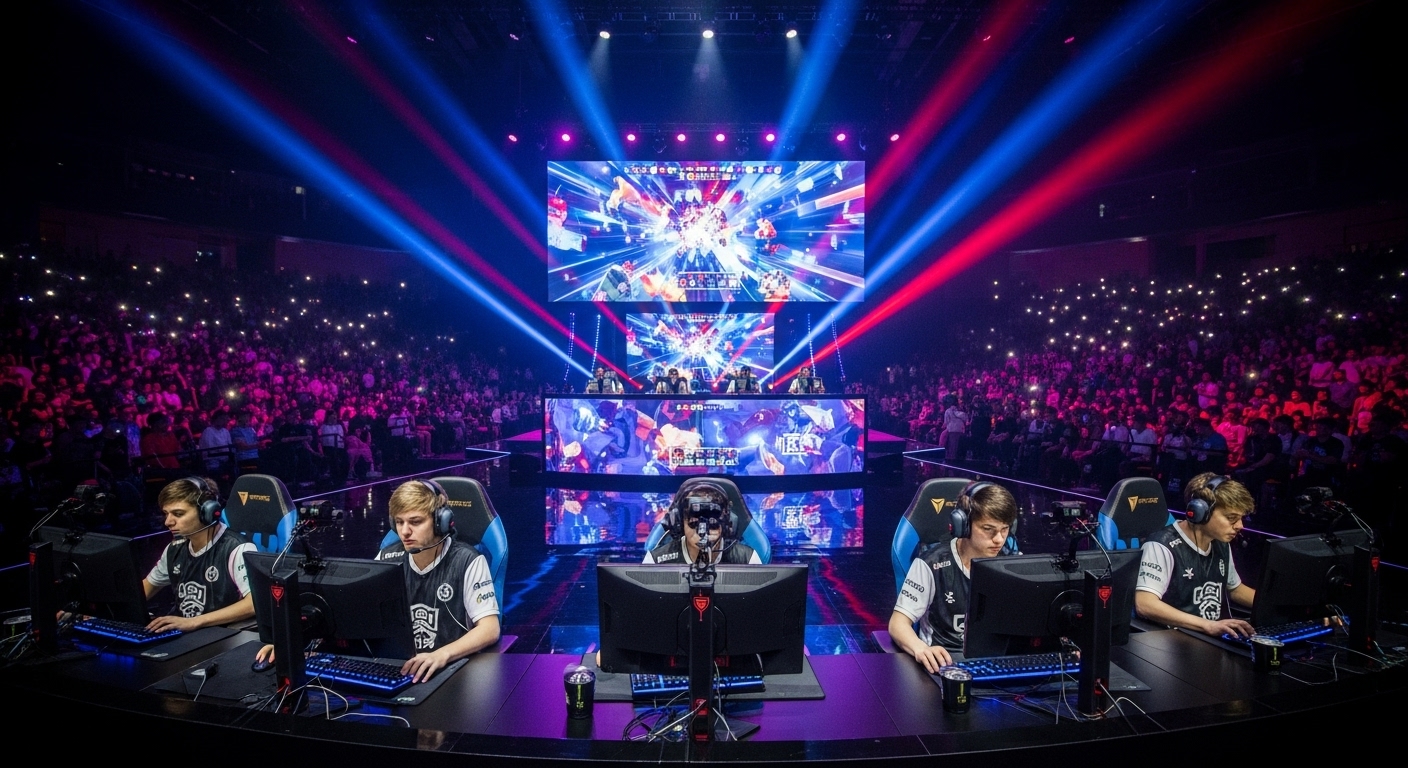
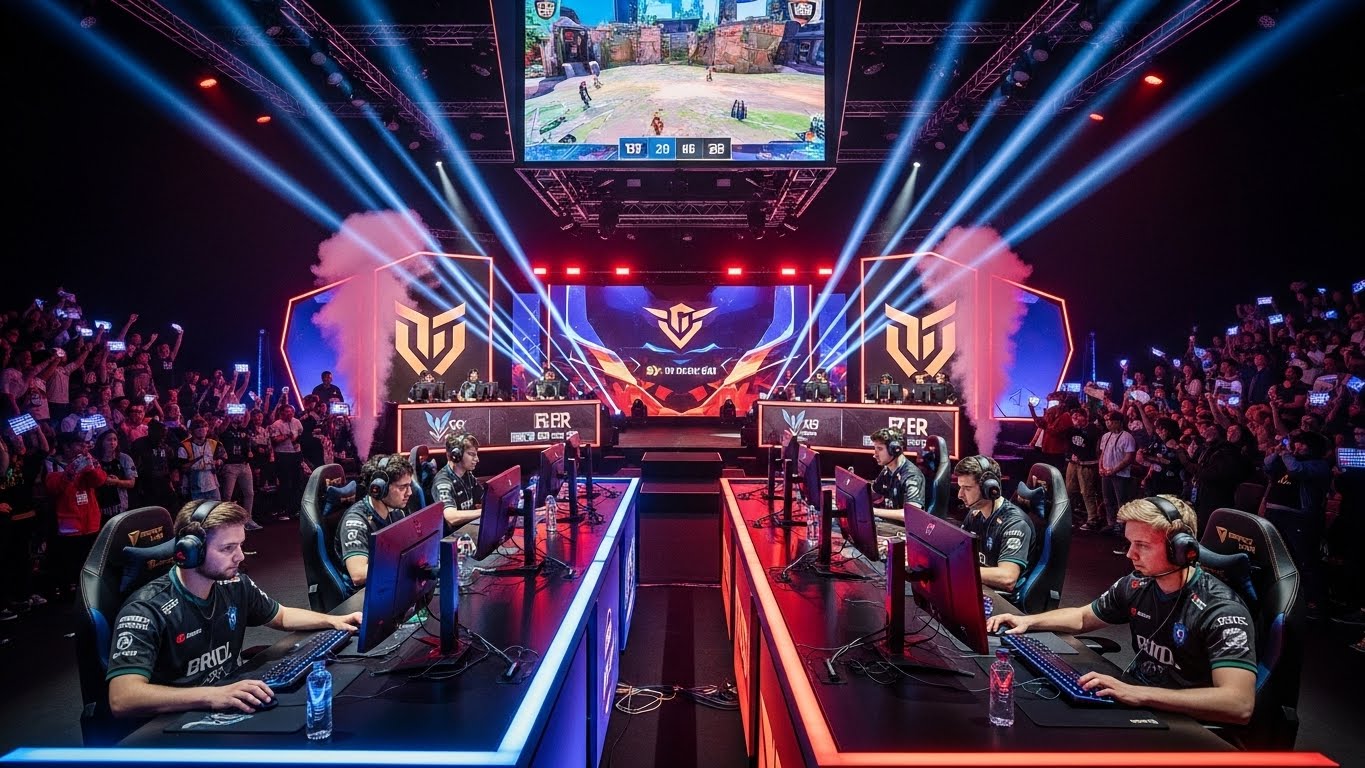
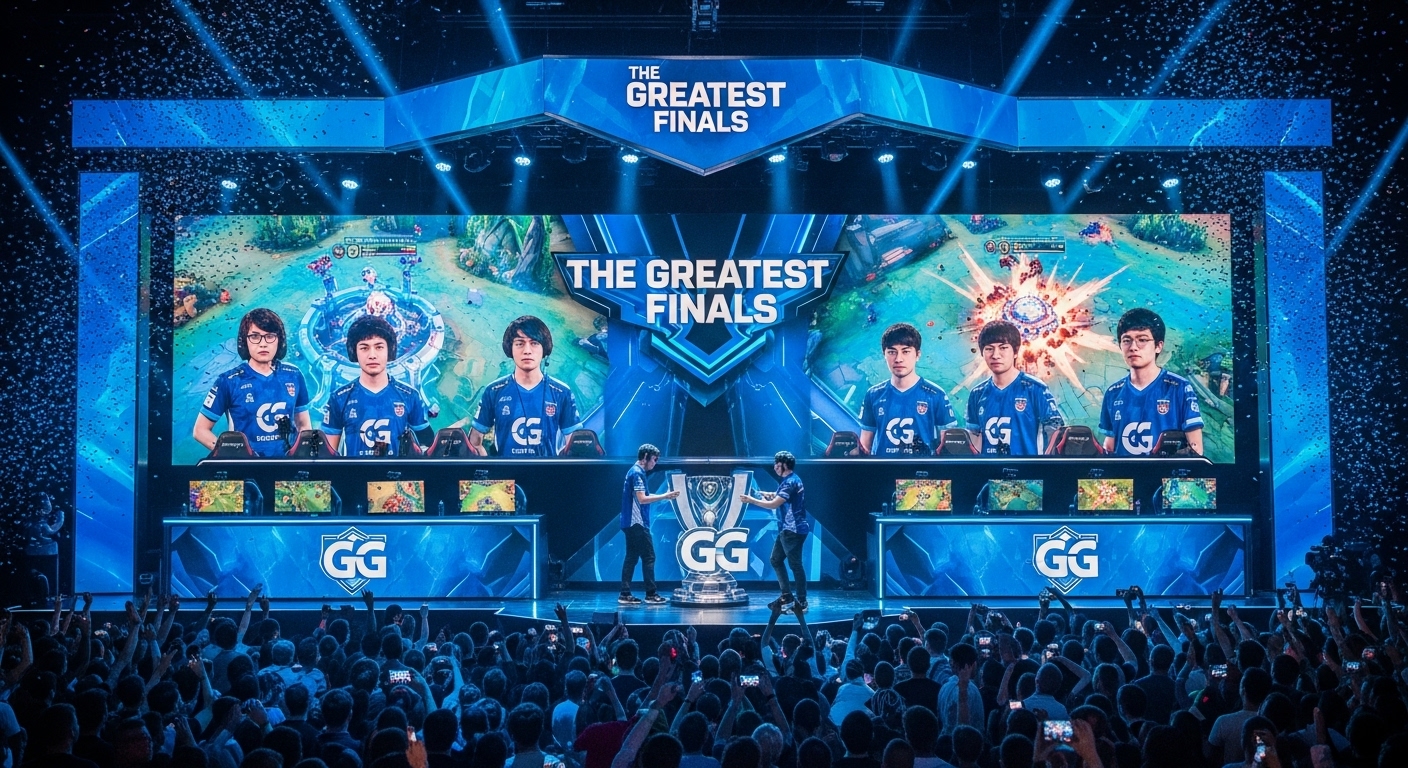
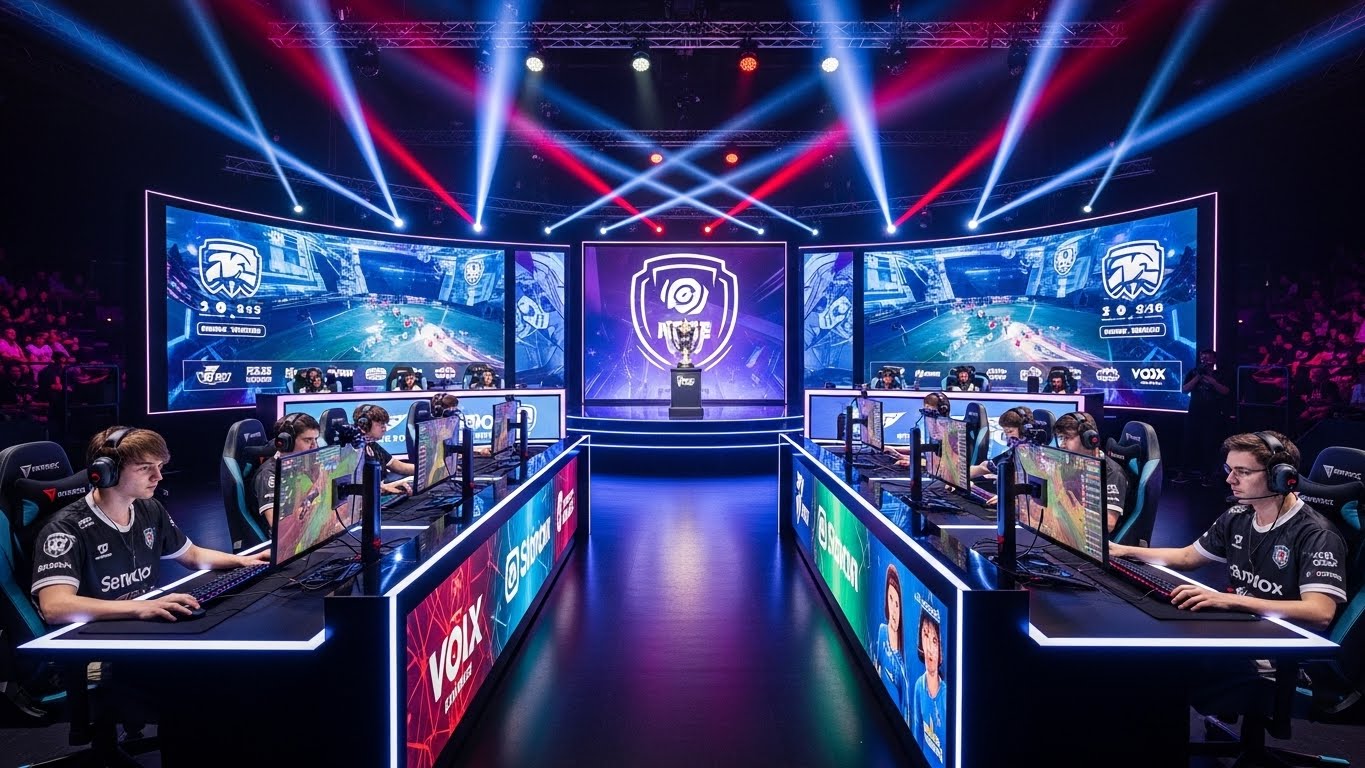
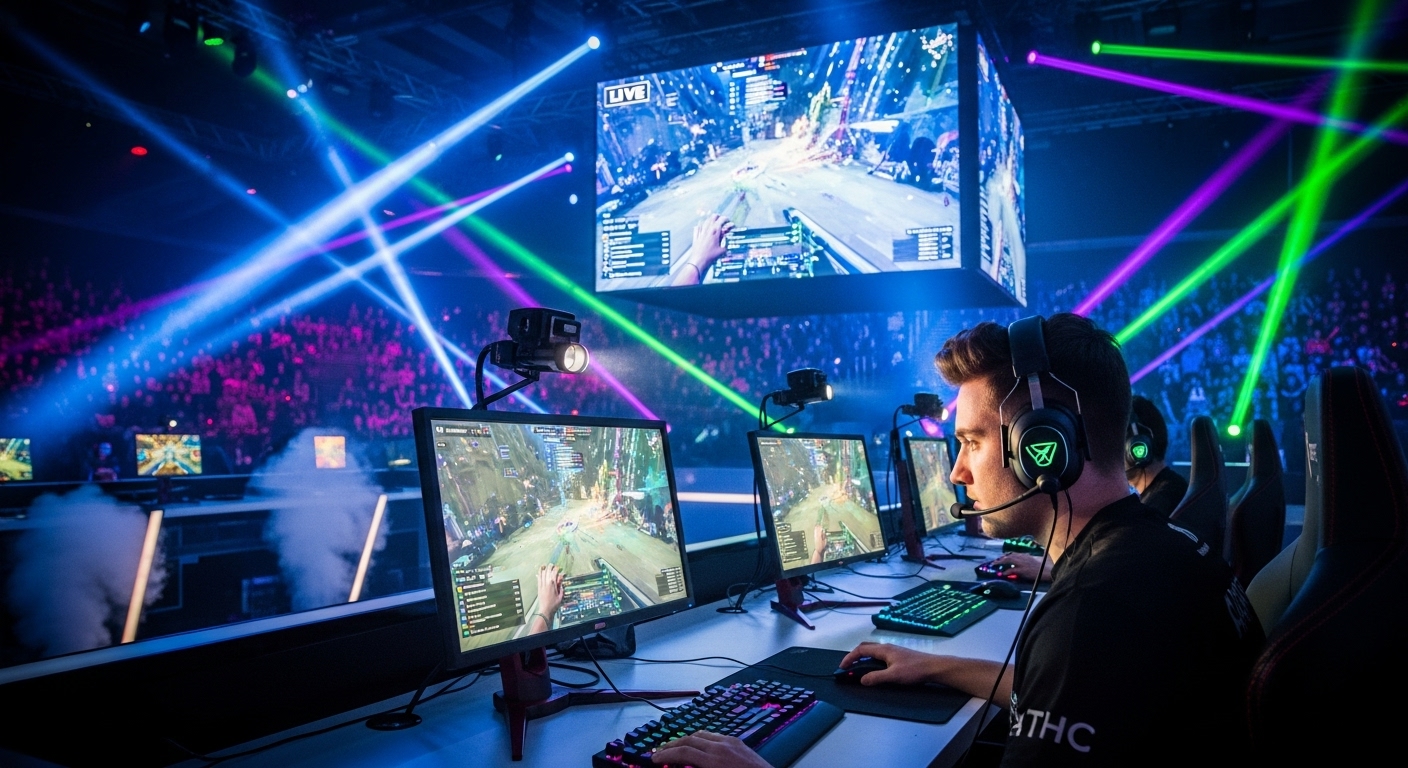
One of the most remarkable aspects of modern esports is the sheer scale of its live events. Tournaments fill massive arenas and stadiums across the world, from Seoul to Los Angeles to Berlin. The energy of a live esports crowd rivals that of a football or basketball game.
Events like the League of Legends World Championship, The International, and Fortnite World Cup have set new standards for production value, blending music, light shows, and storytelling with intense competition. The 2019 Fortnite World Cup, for example, saw a 16-year-old winner walk away with a $3 million prize—an iconic moment that captured global headlines and inspired a new generation of players.
Esports has become a form of global celebration, bringing together fans from different cultures and languages under a single passion for gaming. The shared excitement and unity during major events demonstrate how universal gaming has become.
The Impact of Esports on Youth and Culture
Esports has deeply influenced modern youth culture. For millions of young people, professional gamers have become role models, similar to how traditional athletes inspire others. Esports encourages teamwork, strategic thinking, creativity, and digital literacy.
However, this influence also comes with responsibility. The industry continues to work on promoting healthy gaming habits, managing screen time, and ensuring mental well-being for both players and fans. As esports integrates further into educational systems and youth programs, there’s an increasing emphasis on balance—combining competitive gaming with personal growth and academic achievement.
Beyond competition, esports has also shaped fashion, music, and media. Collaborations between gaming brands and fashion designers, live performances during tournaments, and gaming-themed content across platforms show how esports has become part of mainstream culture.
Women in Esports
For many years, esports was seen as a male-dominated space. However, women have been breaking through barriers and proving their skills on global stages. Female players, commentators, and team managers are gaining recognition and respect across multiple titles.
Organizations and tournaments dedicated to promoting women in gaming have further accelerated this progress. Communities are now becoming more inclusive, recognizing that talent and passion know no gender. The presence of women in esports adds diversity and strengthens the community as a whole.
Technological Advancements Driving Esports
The success of esports is closely tied to technological innovation. High-speed internet, powerful gaming hardware, and advanced streaming platforms have made it possible for players to compete globally with minimal latency.
Virtual reality (VR), augmented reality (AR), and artificial intelligence (AI) are expected to play major roles in the future of esports. These technologies could create more immersive experiences, realistic training environments, and smarter analytics for players and teams.
Furthermore, the development of 5G networks will enhance mobile esports by reducing lag and improving connectivity. This could make mobile gaming—the fastest-growing segment in esports—even more accessible and competitive.
Esports and Traditional Sports: A Growing Partnership
Instead of viewing esports as a rival, many traditional sports organizations have embraced it. Football clubs, basketball teams, and even Formula 1 franchises now have their own esports divisions. This crossover brings credibility to esports and introduces gaming to a wider audience.
Both forms of competition share core principles—discipline, teamwork, strategy, and entertainment. The difference lies in the medium. Traditional sports rely on physical performance, while esports is a digital arena of mental agility and precision. The lines between them are blurring as both industries collaborate on hybrid events and joint sponsorships.
Challenges Facing the Esports Industry
Despite its incredible growth, esports faces several challenges. Player burnout is one of the biggest concerns, as the competitive schedule and constant practice can take a toll on physical and mental health.
Another challenge is maintaining fairness and integrity. Issues like cheating, match-fixing, and account boosting have occasionally tarnished the industry’s reputation. To combat this, organizations now enforce strict rules, anti-cheat software, and integrity monitoring systems.
The esports economy also needs to balance sustainability with growth. While prize pools and sponsorships are impressive, some smaller tournaments and teams struggle to stay financially stable. As the industry matures, creating more equitable revenue models will be crucial for long-term success.
The Future of Esports
The future of esports looks brighter than ever. With growing audiences, improved infrastructure, and global investment, the industry shows no sign of slowing down. Schools and universities will continue integrating esports into their programs, while countries develop national teams to represent them in international competitions.
We can expect to see esports included in more global sporting events. In fact, discussions about its inclusion in the Olympic Games highlight just how far esports has come. The line between virtual and physical competition will continue to blur as technology evolves.
Moreover, the community-driven nature of esports ensures that it will always adapt and innovate. New games, new formats, and new generations of players will keep the industry fresh and exciting.
Conclusion: The Power of Esports in a Connected World
Esports represents more than just competitive gaming—it’s a global cultural shift. It connects people across borders, celebrates skill and creativity, and redefines entertainment for the digital era. From humble beginnings in local arcades to massive world championships filling arenas, esports has proven that passion, technology, and community can create something extraordinary.
In the years ahead, esports will continue to inspire, innovate, and bring together millions under a shared love for competition. The story of esports is still being written, and the next chapters promise to be even more thrilling, inclusive, and transformative.