Introduction: A Digital Revolution in Competition
Esports has transformed from a niche hobby enjoyed by a small group of passionate gamers into a global phenomenon commanding stadiums full of fans, multimillion-dollar prize pools, and a rapidly expanding cultural influence. As traditional sports continue to thrive, a new wave of digital competition has surged beside them, attracting audiences from every corner of the world. In this blog, we explore the rise of esports, the science and skill behind competitive gaming, the business that powers it, and the future of this high-speed digital frontier.
The Evolution of Competitive Gaming
While video games have been part of entertainment culture since the late 20th century, competitive gaming did not always enjoy the spotlight it has today. Early competitions were small-scale, often organized among friends or held in local arcades. However, as technology improved and the internet expanded, gaming found a new home online. This shift enabled players from different continents to challenge one another in real time.
The introduction of faster internet, high-performance computers, and advanced gaming consoles paved the way for more complex and competitive games. Titles such as multiplayer battle arenas, tactical shooters, and strategy games became the foundation of esports. These games required precision, teamwork, strategy, adaptability, and mental endurance—characteristics that rival traditional sports in every way.
What Defines an Esport?
Not every video game is an esport. A game transitions into esports territory when it exhibits competitive balance, spectator appeal, and strategic depth. Competitive games typically feature organized tournaments, professional teams, and clear systems for ranking and progression.
Esports titles span various genres, including competitive shooters, real-time strategy, sports simulations, racing, and battle royales. Each game builds its own unique community and ecosystem. The variety of genres ensures that esports remains diverse and accessible, appealing to players and fans with different interests and playstyles.
The Rise of Professional Players and Teams
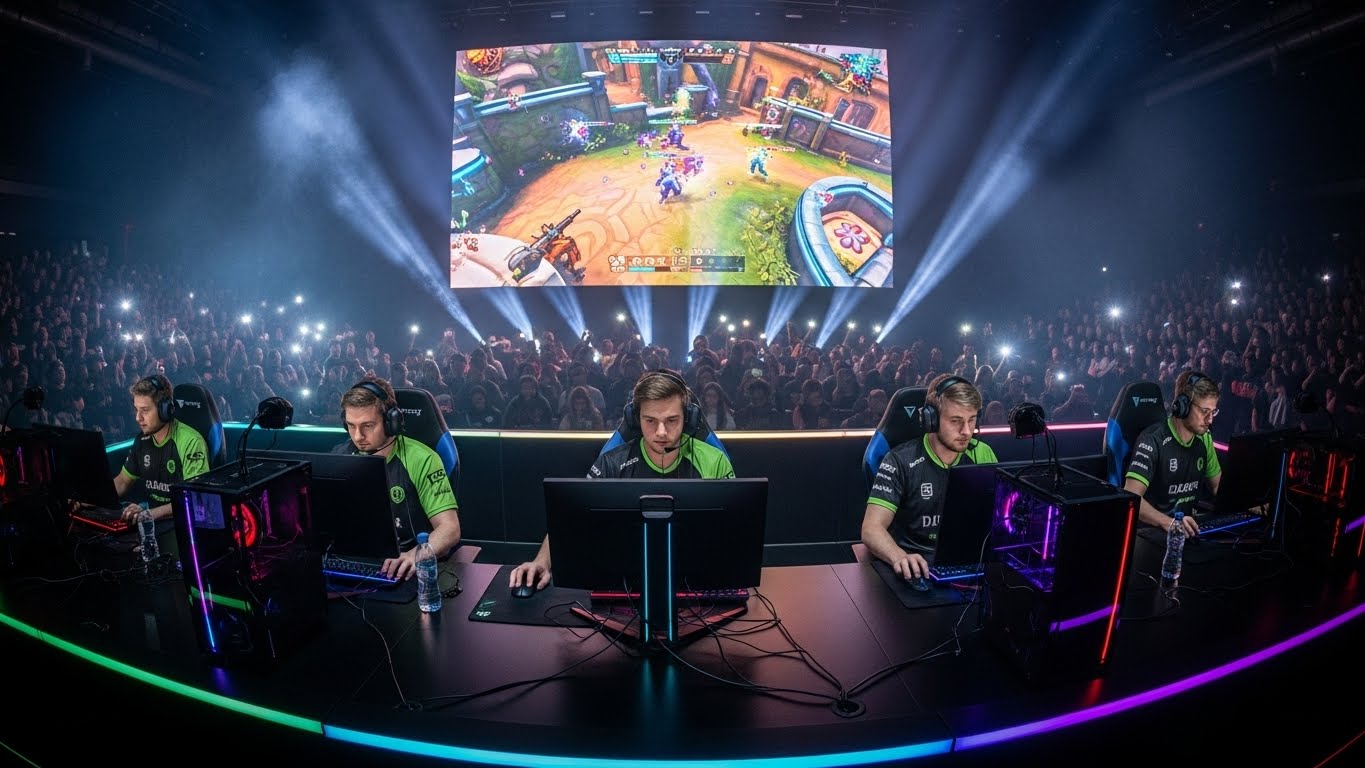
One of the defining features of modern esports is the emergence of professional players and organized teams. These athletes dedicate hours each day to mastering their skills, much like traditional sports professionals. Their training involves practice sessions, strategy discussions, mental conditioning, and sometimes even working with coaches, analysts, and nutritionists.
Professional esports teams often operate similarly to corporate organizations. They have management structures, sponsorship deals, boot camps for players, and global travel schedules for participating in tournaments. In many regions, esports athletes are recognized legally as professionals, enabling them to compete internationally with official visas and endorsements.
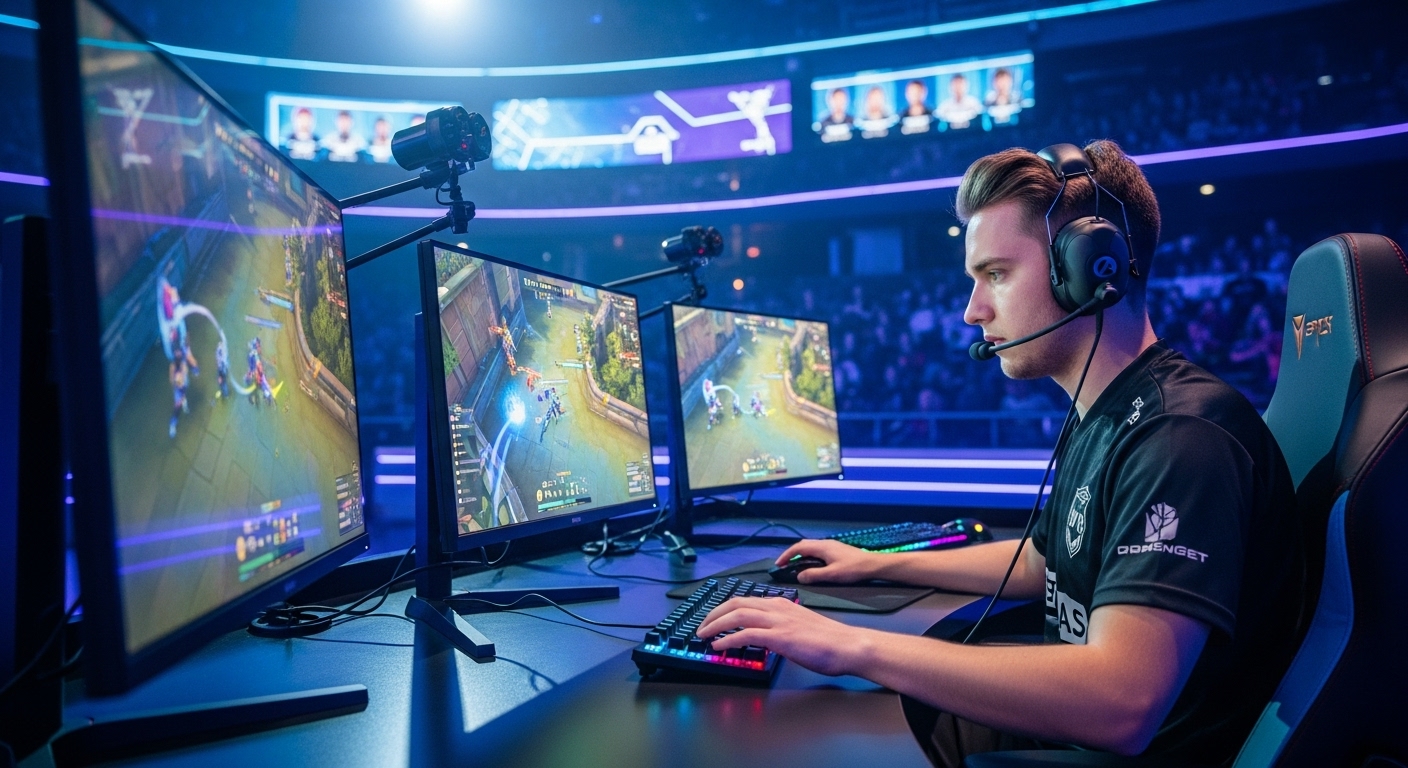
The level of dedication required to remain at the top of the esports ladder is immense. Players must maintain peak mental performance, possess lightning-fast reflexes, understand complex game mechanics, and sustain high levels of focus for hours on end. The result is a level of competition that is both intense and captivating for spectators.
The Global Audience and Fan Culture
Esports has a uniquely passionate global audience. Fans follow their favorite players and teams with the same devotion seen in traditional sports fandoms. Whether watching tournaments, streaming gameplay sessions, or engaging in social media discussions, fans form tight-knit communities with deep emotional investment in the competitive scene.
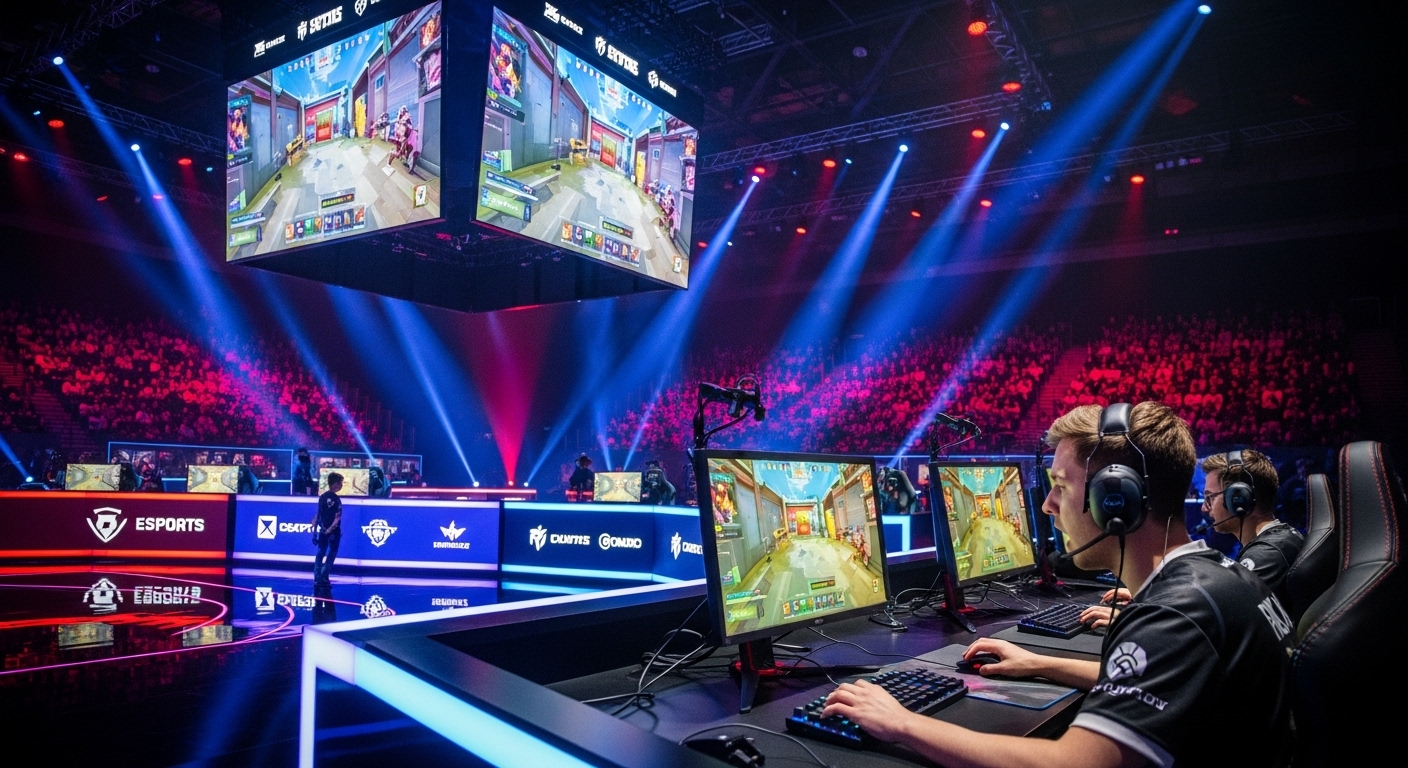
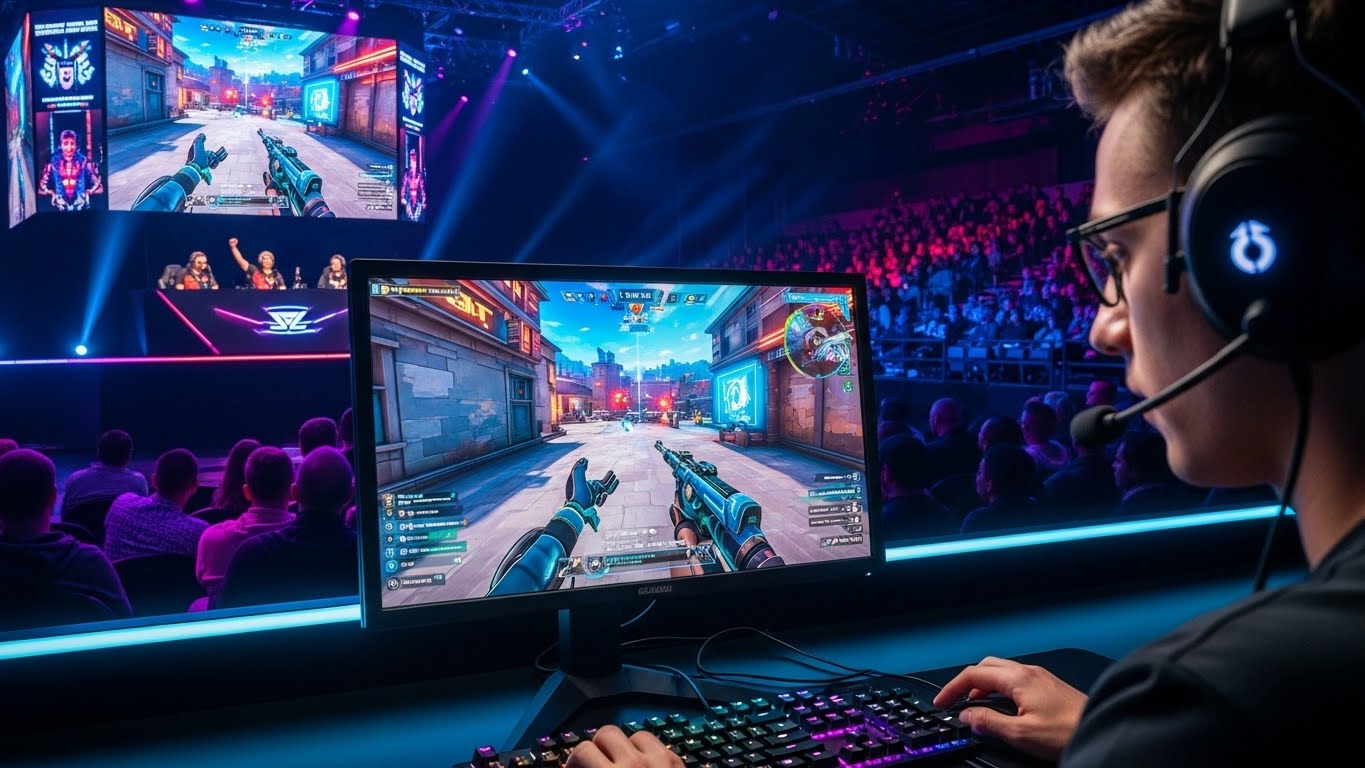
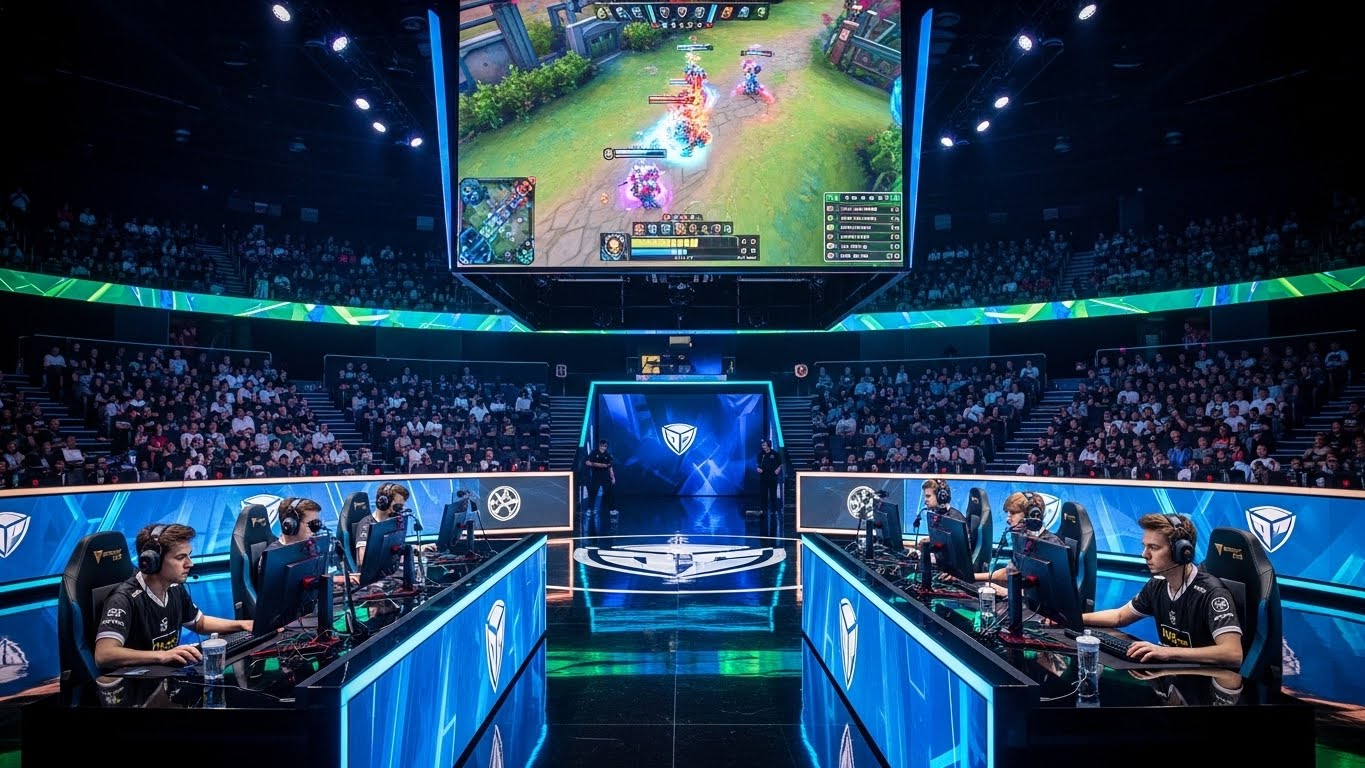
Live events often fill large stadiums, with thousands of fans cheering for their favorite teams. Spectators can also watch from home through streaming platforms where millions tune in for major tournaments. Commentary, analysis, and professional hosting have helped elevate esports viewership to cinematic levels, rivaling major sporting events in excitement and engagement.
Fan culture also extends to merchandise, team apparel, collectible items, and even virtual goods. Players become icons, not only for their skill but for their personalities, resilience, and ability to represent the dreams of aspiring gamers worldwide.
The Business Behind Esports
Esports is not just entertainment—it is a thriving industry with multiple revenue streams. Sponsorships and advertising deals are among the largest contributors, with major brands investing heavily in exposure within the gaming world. Technology companies, energy drink brands, automotive companies, and even fashion houses see esports as a gateway to reach younger, tech-savvy audiences.
Tournament organizers generate income through ticket sales, broadcasting rights, and partnerships. Developers of esports titles benefit from increased visibility and in-game purchases. Teams earn revenue from sponsorships, tournament winnings, merchandise sales, and content creation.
The financial impact has created job opportunities far beyond the players on stage. Coaches, analysts, production crews, event organizers, marketing professionals, broadcast teams, graphic designers, and community managers all contribute to the ecosystem. Esports has matured into an industry that supports extensive career paths across both gaming and non-gaming professions.
The Role of Streaming and Digital Platforms
Streaming platforms have played a crucial role in the explosive growth of esports. These platforms allow fans to watch their favorite players in real time, creating a bridge between athletes and audiences unlike anything seen in traditional sports. Commentators narrate gameplay, analysts break down strategies, and live chats bring fans together during matches.
The accessibility of streaming helps new fans enter the world of esports effortlessly. They can watch tutorials, gameplay highlights, behind-the-scenes documentaries, and professional matches at any time. For aspiring players, streaming offers education, entertainment, and inspiration.
Content creators also play an important role in expanding esports culture. They build personal brands, entertain millions, and often collaborate with professional teams, further merging the competitive and entertainment sides of gaming.
Esports in Education and Youth Development
In recent years, schools and universities have begun integrating esports into their extracurricular programs. Some institutions offer scholarships to talented players, recognizing the strategic, social, and cognitive skills developed through competitive gaming.
Esports in education is not only about producing professional players. Programs emphasize teamwork, problem-solving, communication, leadership, and digital literacy. These valuable skills prepare students for careers in technology, media, engineering, and design.
Youth involvement in esports fosters creativity and community, giving young people the opportunity to pursue passions that may one day develop into careers. The supportive, inclusive nature of these programs encourages personal growth and helps students channel their competitive drive positively.
Mental and Physical Aspects of Competitive Gaming
Although esports takes place in a digital environment, the physical and mental demands are very real. Players must maintain exceptional hand-eye coordination, quick reaction times, and mental endurance. Professional gamers often train their bodies with physical exercises to enhance focus, stamina, and posture.
Esports introduces unique mental challenges. Decision-making must be instantaneous, and players operate under immense pressure, often with thousands of spectators watching. Mental resilience, emotional control, and stress management are crucial skills for staying competitive.
To support their athletes, many teams employ sports psychologists and wellness experts who help players maintain balance and prevent burnout. Healthy routines, balanced nutrition, and structured training schedules contribute significantly to long-term performance and career longevity.
The Future of Esports
The future of esports looks brighter than ever. As technology evolves, new gaming experiences will bring fresh competitive landscapes. Advancements in virtual reality, augmented reality, and artificial intelligence may reshape how players compete and how audiences engage with esports content.
New generations are growing up with gaming as a central part of their lives. This shift in cultural perspective ensures that esports will continue to expand. The blending of entertainment, sports, and digital culture will drive innovative events, partnerships, and experiences.
Governments and international organizations are also recognizing the importance of esports. As regulation and infrastructure improve, opportunities for global tournaments, standardized competition, and international cooperation will grow.
Esports is on a path to becoming one of the most influential entertainment industries of the century. Its combination of technology, competition, community, and creativity ensures that its impact will continue to be felt for decades to come.
Conclusion: A New Era of Competition
Esports has redefined what it means to compete in the modern world. It merges the thrill of traditional sports with the innovation of digital technology, creating an inclusive space where anyone with passion and skill can rise to greatness. More than a game, esports has become a global movement—a gateway to careers, communities, and opportunities that stretch far beyond the screen.
As audiences grow, industries evolve, and technology advances, esports will continue to shape the future of entertainment and human connection. The realm of digital competition is still expanding, and this is only the beginning of its journey.