Introduction: The Dawn of a New Sport
In the past two decades, the world of gaming has undergone a remarkable transformation. What was once considered a casual pastime has evolved into a highly competitive and lucrative industry known as esports. Competitive gaming is no longer limited to hobbyists playing in basements; it has become a global phenomenon that fills arenas, attracts millions of viewers online, and creates professional athletes who train with the same intensity as traditional sports players.
Esports represents a new kind of competition where skill, strategy, teamwork, and mental resilience are as crucial as reflexes and hand-eye coordination. The rise of esports is not just about the games themselves; it is a reflection of how technology, media, and culture are shaping modern entertainment.
The Origins of Esports
The origins of esports can be traced back to the late 1990s and early 2000s when multiplayer games like StarCraft, Counter-Strike, and Warcraft III began gaining dedicated followings. Players formed teams and competed in small tournaments, often organized in local gaming centers or online forums. These early competitions laid the foundation for the esports ecosystem that exists today.
As broadband internet became more widespread, online multiplayer gaming allowed competitions to grow beyond local communities. Players could now compete globally, and game developers began to recognize the potential of fostering competitive communities. Tournaments began to attract sponsors, prize money increased, and the notion of professional gaming started to take shape.
Professionalization of Esports
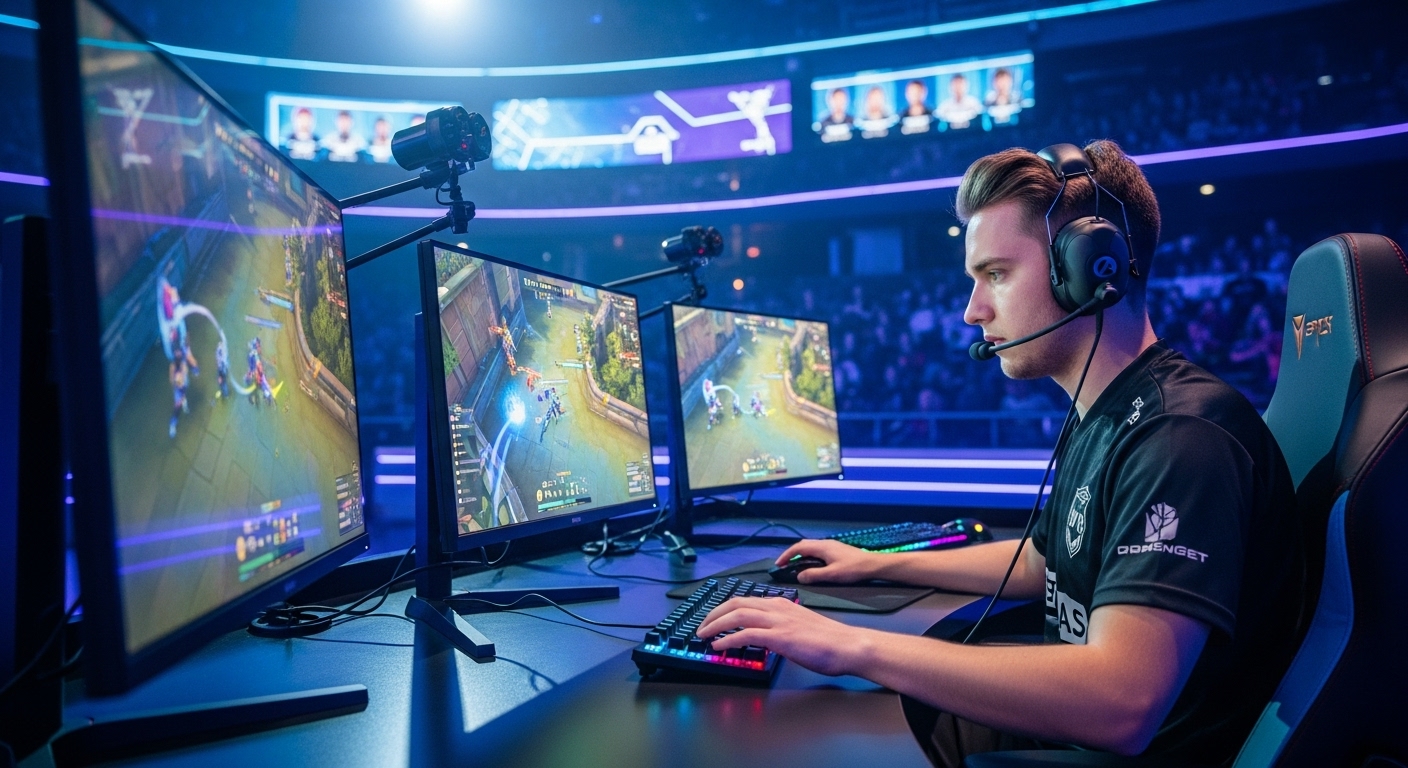
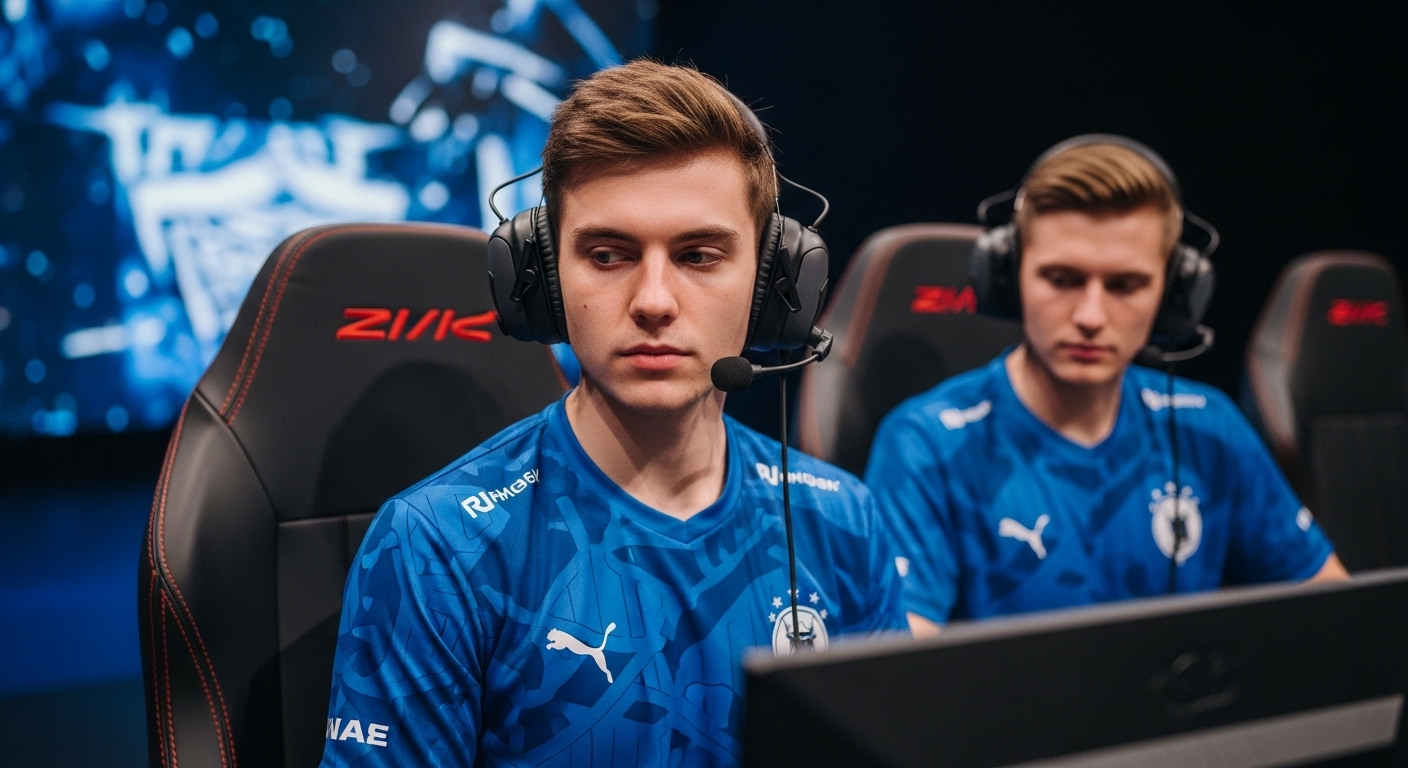
One of the most significant changes in esports over the last decade is its professionalization. Today, esports athletes train rigorously, often dedicating eight to twelve hours a day to practice. Teams employ coaches, analysts, nutritionists, and even psychologists to ensure peak performance. Just like traditional sports, preparation, strategy, and teamwork are vital for success.
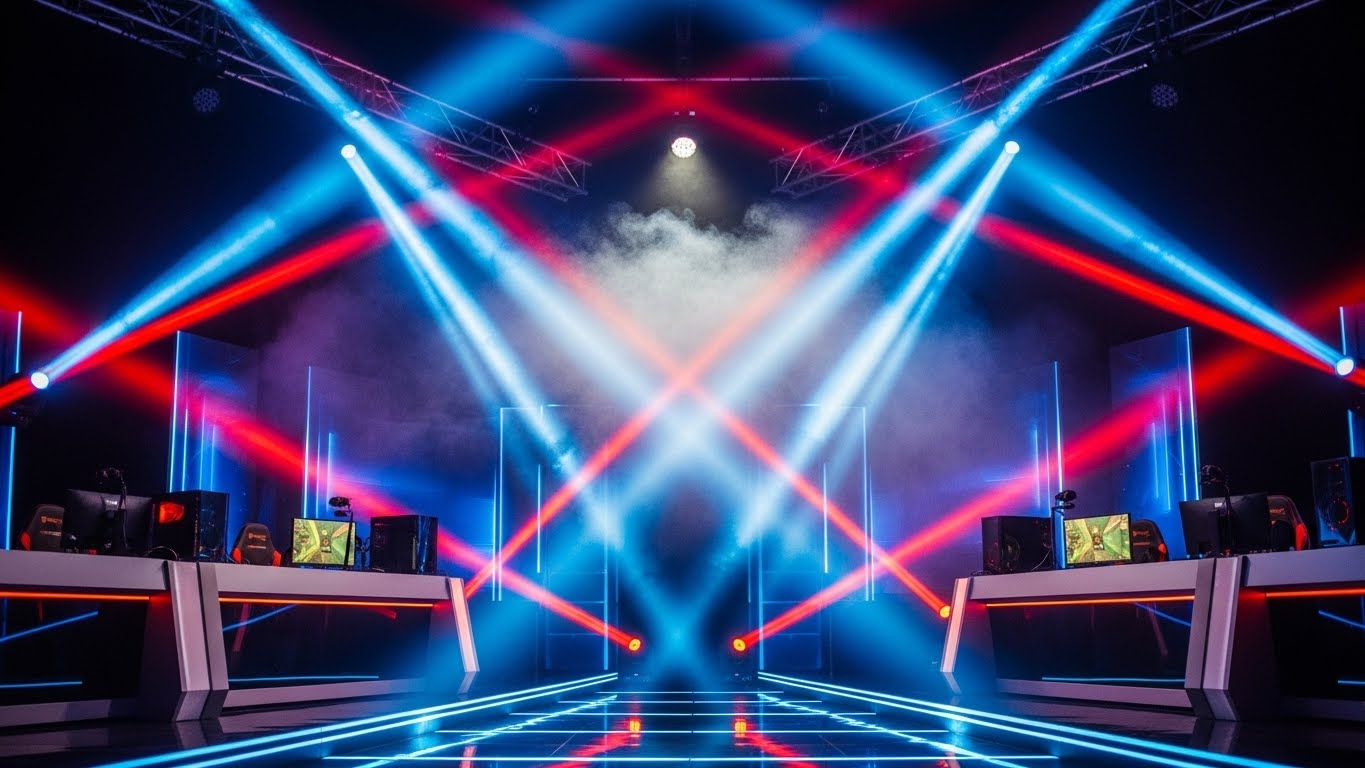
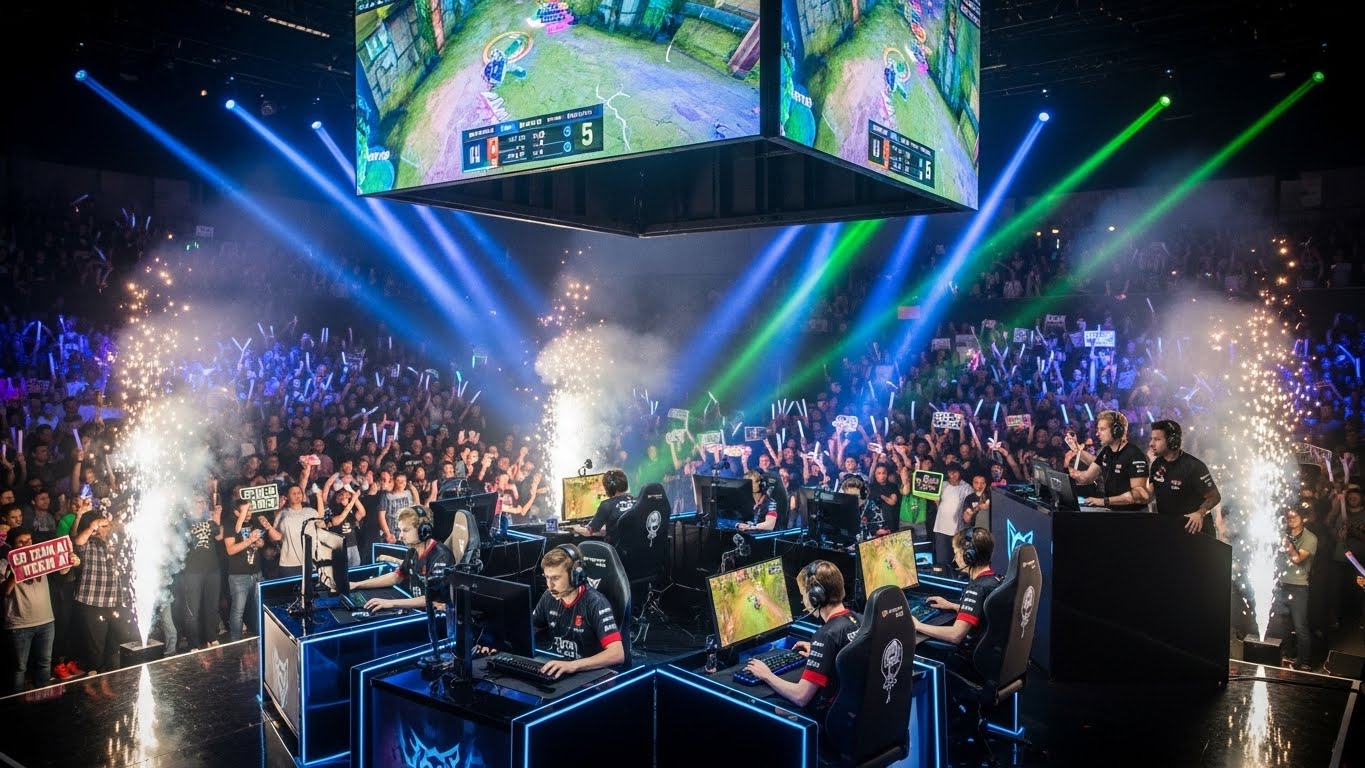
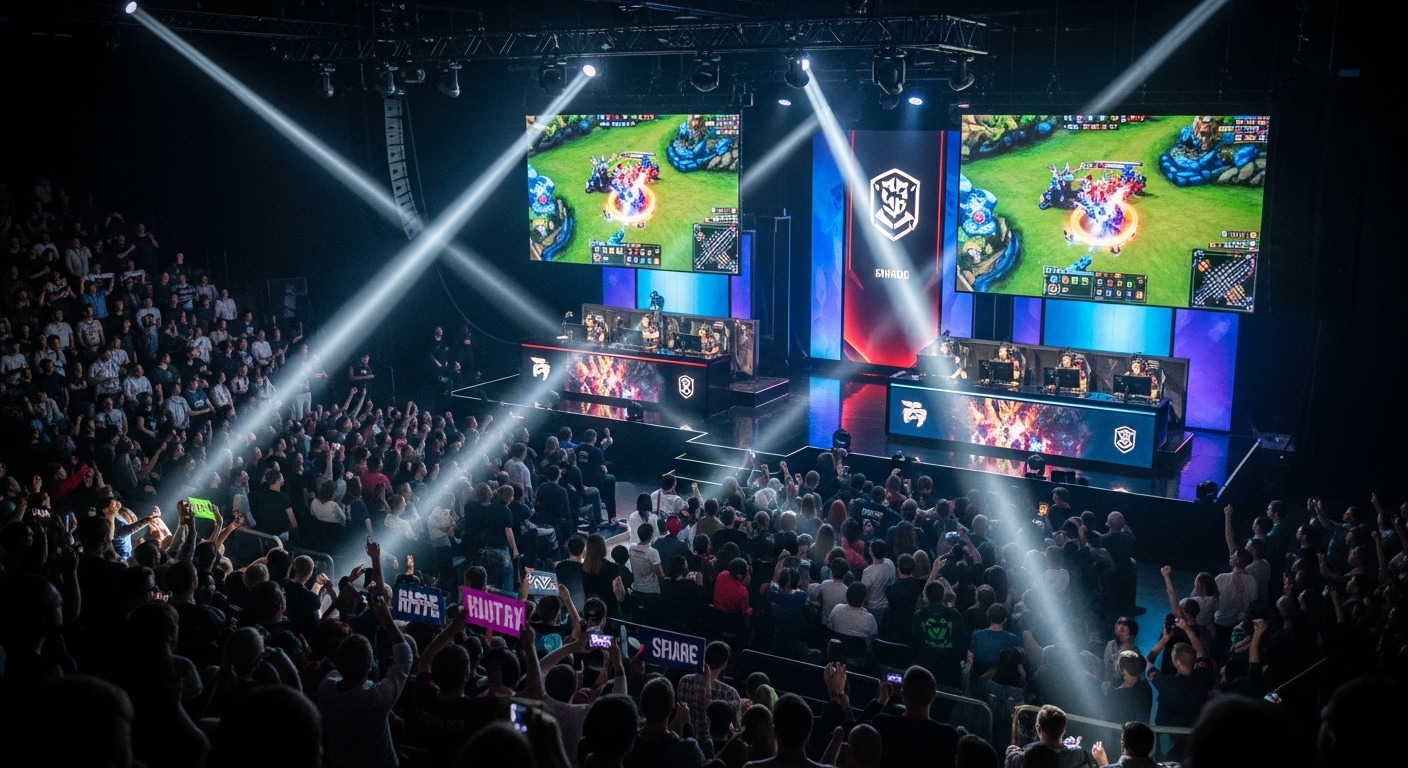
Esports organizations now operate like professional sports franchises. Teams have branding, merchandise, and fan engagement strategies. Major tournaments are hosted in arenas filled with cheering fans, accompanied by sophisticated productions including LED displays, live commentary, and interactive experiences for audiences. The prestige of professional gaming has reached levels where top players earn salaries, sponsorship deals, and worldwide recognition.
Popular Esports Games
The competitive gaming scene is built around specific games, each offering unique challenges and strategic depth.
League of Legends is one of the most influential esports titles, featuring team-based strategy and constant updates that keep the game dynamic. It has a structured competitive scene with regional leagues culminating in an annual World Championship.
Dota 2 is known for its complexity and high skill ceiling. Its tournament, The International, is famous for record-breaking prize pools funded by community contributions, reflecting strong fan engagement.
Counter-Strike: Global Offensive remains a staple of competitive shooters, emphasizing precision, coordination, and team tactics. Its longevity demonstrates the appeal of simple yet deep gameplay mechanics.
Fortnite brought a new generation into esports, blending battle royale gameplay with creative building mechanics and high-stakes tournaments that attract millions of viewers.
Valorant, combining tactical shooting with hero-based abilities, has quickly become a favorite among competitive players seeking both strategic depth and action-packed gameplay.
Each game contributes to the esports ecosystem, creating communities, competitions, and opportunities for players worldwide.
Global Reach and Cultural Impact
Esports is a global phenomenon, transcending language, culture, and geography. Unlike traditional sports, which may be limited by physical location or infrastructure, esports can be played and viewed anywhere with an internet connection. Countries such as South Korea, China, and the United States have become esports powerhouses, producing top-tier teams and players who dominate international competitions.
South Korea has been a pioneer in esports, particularly with games like StarCraft, where professional players became national celebrities. China’s dominance in games like Dota 2 and Honor of Kings showcases the country’s massive player base and investment in competitive gaming. The United States and European countries have strong communities around shooters and multiplayer online battle arenas, fostering innovation and rivalry.
Esports has also entered academic institutions. Universities now offer scholarships for talented players, and some even integrate esports into their athletic departments, signaling growing legitimacy and recognition.
Streaming and the Digital Spectator Experience
A key factor in esports’ success is the rise of streaming platforms. Services like Twitch and YouTube Gaming allow players to broadcast live matches to millions of viewers worldwide. Unlike traditional sports, esports thrives in an interactive digital environment where fans can engage in real-time through chat, reactions, and even donations.
Streaming has transformed spectatorship into a participatory experience. Fans are no longer passive; they contribute to the community and have a direct connection with players. Social media amplifies this effect, with highlights, memes, and viral moments circulating instantly, helping esports permeate popular culture. Teams and players leverage these platforms to build their brand, maintain fan engagement, and promote events.
Economic Impact of Esports
Esports has grown into a multi-billion-dollar industry. Revenue streams include sponsorships, advertising, media rights, merchandise, ticket sales, and streaming partnerships. Major brands, from technology companies to energy drink manufacturers, see esports as a way to connect with a young and highly engaged audience.
Franchise-based leagues emulate traditional sports, providing teams with stability and long-term value. Top-tier professional players can earn substantial salaries, with additional income from endorsements and streaming. Beyond competitive play, the industry supports jobs in event organization, coaching, casting, content creation, and marketing.
Esports also drives innovation in hardware and software, as players and fans demand high-performance equipment, immersive experiences, and seamless digital interaction.
Challenges Facing Esports
Despite its rapid growth, esports faces significant challenges. Player burnout is common, with young athletes often experiencing physical and mental strain due to intense practice schedules. Careers in esports tend to be shorter than in traditional sports, which raises concerns about post-competitive opportunities.
Integrity issues, such as cheating and match-fixing, pose another challenge. Organizations are working to establish rules and maintain fairness, but the industry lacks a unified governing body to standardize regulations across games and regions.
Esports also struggles with mainstream perception. While acceptance is growing, some still view gaming as leisure rather than legitimate competition. Overcoming these stereotypes requires continued education, exposure, and acknowledgment of esports’ professional and economic significance.
The Future of Esports
The future of esports is promising and full of possibilities. Technological advancements in virtual reality and augmented reality may redefine competitive gaming, creating immersive experiences that blend physical movement with digital strategy. Mobile esports are also expanding rapidly, particularly in regions where PC or console access is limited, demonstrating that competitive gaming can thrive on various platforms.
Esports is increasingly recognized in mainstream events, including multi-sport competitions and international tournaments. Its influence may extend beyond entertainment, touching areas like education, health, and digital innovation. The industry is poised to grow even further, creating diverse opportunities for players, creators, and entrepreneurs worldwide.
Conclusion: Esports as a Digital Revolution
Esports is more than a gaming trend; it is a digital revolution that has redefined competition and entertainment. It combines skill, strategy, community, and technology to create experiences that resonate with millions globally.
For players, it offers a legitimate career and a platform to showcase talent. For fans, it provides excitement, engagement, and community. As esports continues to grow, it challenges traditional notions of sports, entertainment, and cultural influence, proving that digital arenas can inspire the same passion and dedication as physical ones.
Esports has arrived, and it is here to stay—shaping the future of gaming, competition, and entertainment in ways we are only beginning to understand.