
Introduction
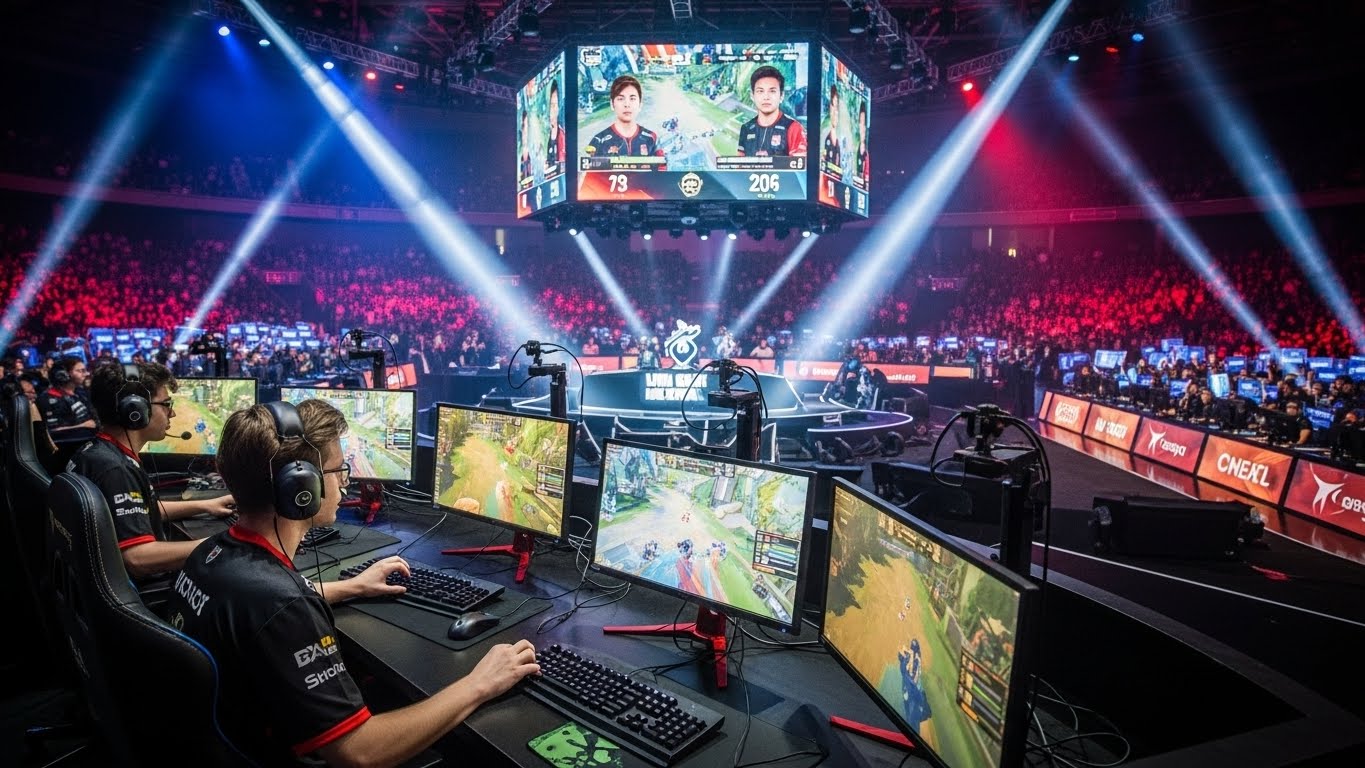
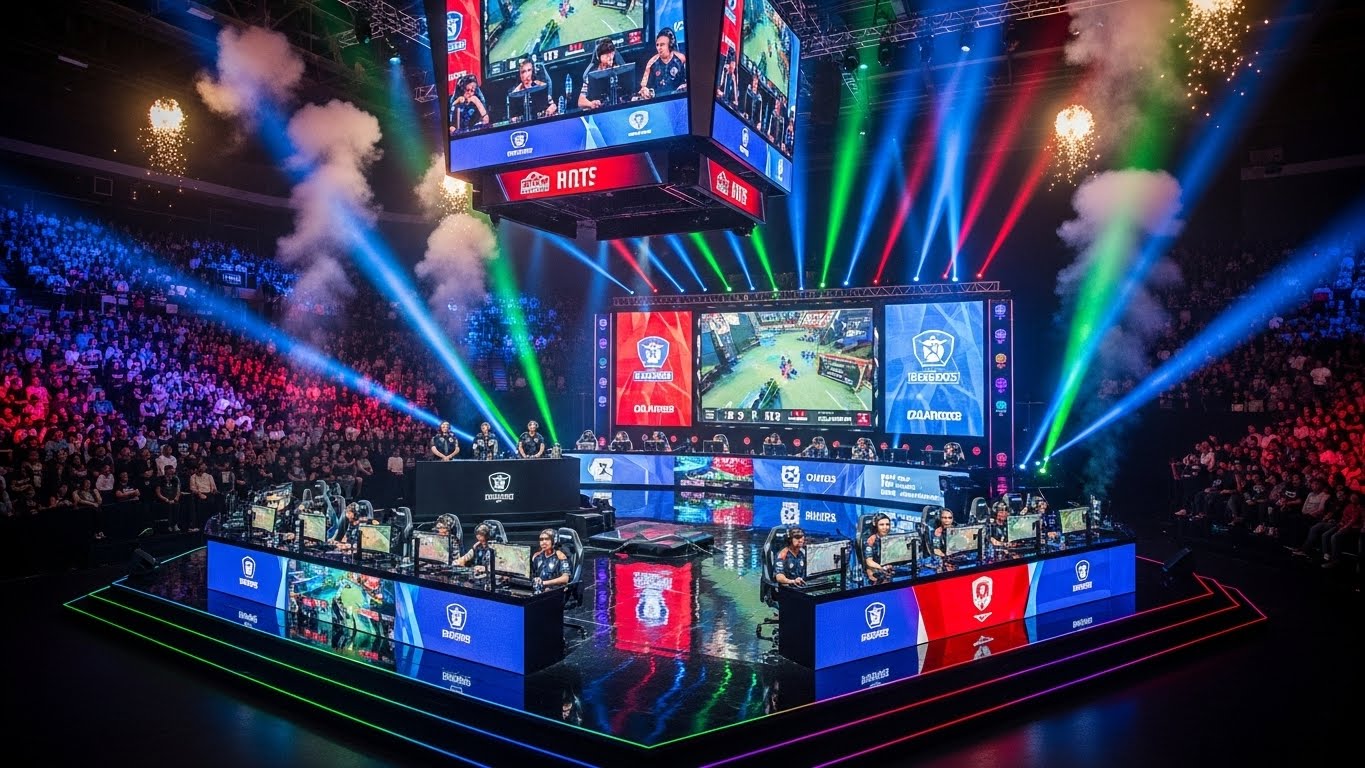
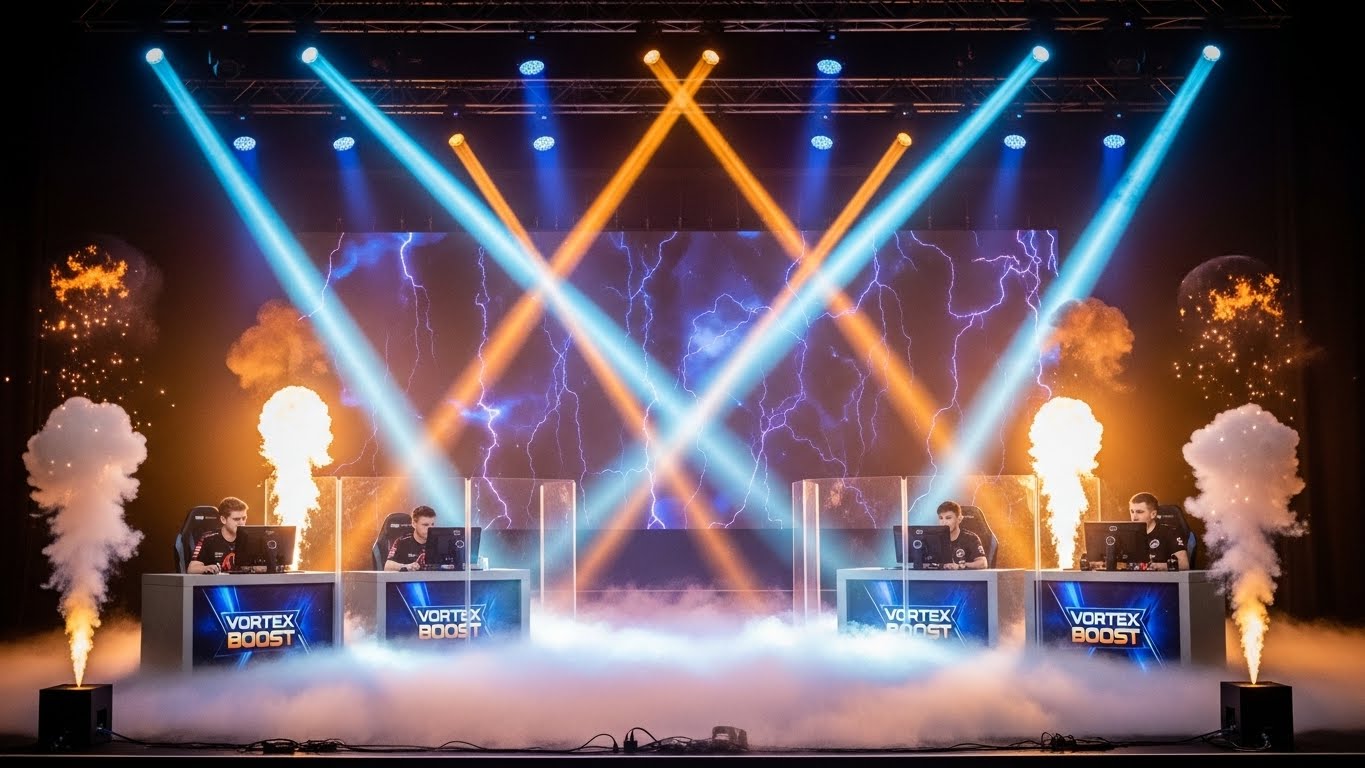
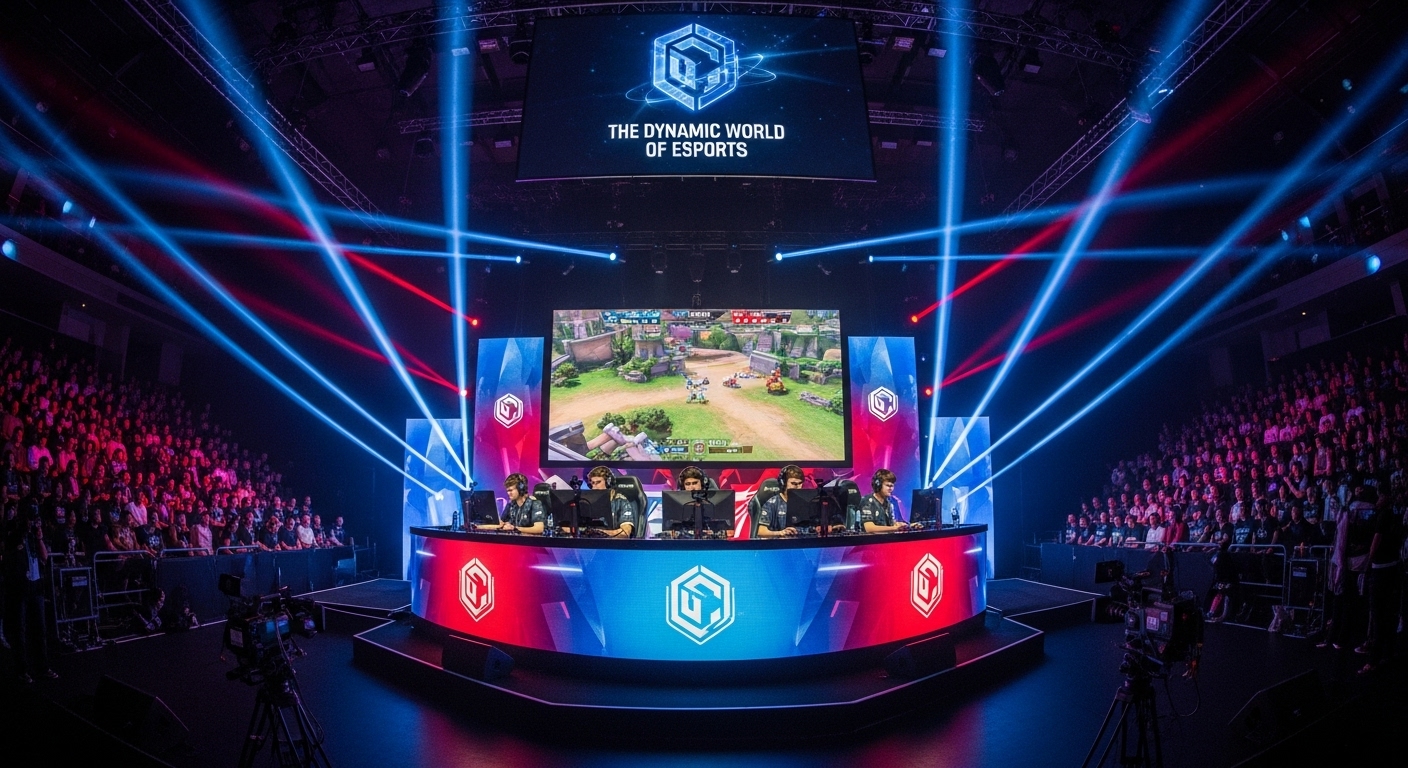
eSports, or competitive gaming, has transformed video games from a casual pastime into a global phenomenon. Millions of players and fans now engage in tournaments, leagues, and live events that rival traditional sports in popularity and excitement. eSports is not just about playing—it is about strategy, skill, teamwork, and the thrill of competition on a professional level.
The Evolution of eSports
The roots of eSports trace back to early gaming competitions in arcades and local tournaments. With the rise of the internet, online multiplayer games created new opportunities for players to compete globally. Today, eSports features professional leagues, sponsorships, and international tournaments with massive audiences, showcasing the evolution of gaming from hobby to highly organized competition.
Popular eSports Genres
eSports encompasses a variety of game genres, each requiring unique skills and strategies. Multiplayer online battle arenas (MOBAs) focus on teamwork and tactical decision-making. First-person shooters (FPS) emphasize precision, reflexes, and quick thinking. Real-time strategy (RTS) games challenge players to manage resources and plan long-term strategies. Sports simulation games bring real-world athletic competitions into the digital space, appealing to fans of traditional sports.
The Competitive Edge
Success in eSports requires more than just gaming skills. Players develop discipline, focus, and mental resilience through rigorous training and practice. Team coordination, communication, and strategic thinking are essential in competitive environments. The mental and physical preparation mirrors that of traditional athletes, demonstrating that eSports is both demanding and rewarding.
The eSports Community
eSports is driven by a passionate community of players, fans, and content creators. Online platforms allow players to connect, share strategies, and watch live tournaments. Communities form around favorite teams, players, and games, creating a sense of belonging and shared excitement. This social aspect strengthens the industry and encourages engagement from people around the world.
Economic Impact of eSports
The growth of eSports has created a booming industry with global economic significance. Sponsorships, advertising, merchandise, and streaming revenue contribute to billions of dollars annually. Professional players, coaches, event organizers, and broadcasters all benefit from the expanding market. The industry demonstrates the potential of digital entertainment as both a career path and a business opportunity.
Technology Driving eSports
Technology is at the heart of eSports success. High-performance computers, advanced graphics, fast internet connections, and streaming platforms all enhance the gaming and viewing experience. Innovations such as virtual reality, augmented reality, and AI analytics are beginning to influence training, gameplay, and audience interaction, ensuring that eSports continues to evolve alongside technology.
The Future of eSports
The future of eSports is bright and full of potential. With growing audiences, increased recognition, and expanding technological capabilities, eSports is poised to rival traditional sports in influence and reach. Educational programs, professional leagues, and global tournaments will continue to strengthen the industry, making competitive gaming a mainstream form of entertainment and a legitimate career path.
Conclusion
eSports has redefined what it means to compete and connect through gaming. It combines skill, strategy, teamwork, and technology to create experiences that inspire players and fans alike. As the industry continues to grow, eSports will remain a driving force in digital entertainment, shaping the future of how people play, watch, and engage with games on a global scale