
Introduction: A New Era of Competition
In the 21st century, the realm of competition has expanded beyond traditional sports to embrace the digital frontier. Esports, or competitive video gaming, has emerged as a cultural and economic powerhouse, captivating millions around the globe. What began as a niche hobby for a small group of enthusiasts has exploded into a multi-billion-dollar industry with professional players, global tournaments, and legions of dedicated fans.
This blog post explores the evolution of esports, its impact on society, the economics fueling its growth, the challenges it faces, and what the future might hold. Through this comprehensive analysis, we will uncover why esports has become more than just a pastime — it is a transformative movement redefining how we understand competition, entertainment, and community in the digital age.
The Origins of Esports: From Arcades to Online Competitions
The story of esports starts in the late 20th century, when video games first became widely accessible. In the 1970s and 1980s, arcades were social hubs where players competed informally for high scores on games like Space Invaders and Pac-Man. These competitions were more about personal achievement than organized contests, but they planted the seeds for what was to come.
One of the earliest recognized esports events was the Space Invaders Championship in 1980, which attracted tens of thousands of participants. This tournament marked a significant moment, signaling the potential for video gaming as a competitive sport.
The 1990s saw the rise of PC gaming and local area networks, which allowed players to compete head-to-head in fast-paced games like Doom, Quake, and StarCraft. This era introduced structured multiplayer matches and laid the foundation for esports communities to form.
The Internet Revolution: Transforming Esports into a Global Spectacle
The late 1990s and early 2000s brought the widespread adoption of broadband internet, revolutionizing esports. Online multiplayer games allowed players from different countries to compete in real time, breaking down geographical barriers and creating an international competitive scene.
This period also witnessed the rise of streaming technologies, which transformed esports into a spectator sport. Fans could now watch live matches from anywhere in the world, cheering for their favorite teams and players. Platforms designed for live game broadcasts emerged, fostering interactive communities and increasing esports’ accessibility.
Titles like Counter-Strike, Warcraft III, and StarCraft II became household names, supported by developers who invested in esports ecosystems with official leagues, tournaments, and prize money. These investments helped professionalize the scene and attract sponsors eager to tap into a young, engaged audience.
The Anatomy of Esports: Players, Teams, Tournaments, and Fans
Esports operates within a complex ecosystem involving players, teams, tournament organizers, fans, sponsors, and media.
Professional Players
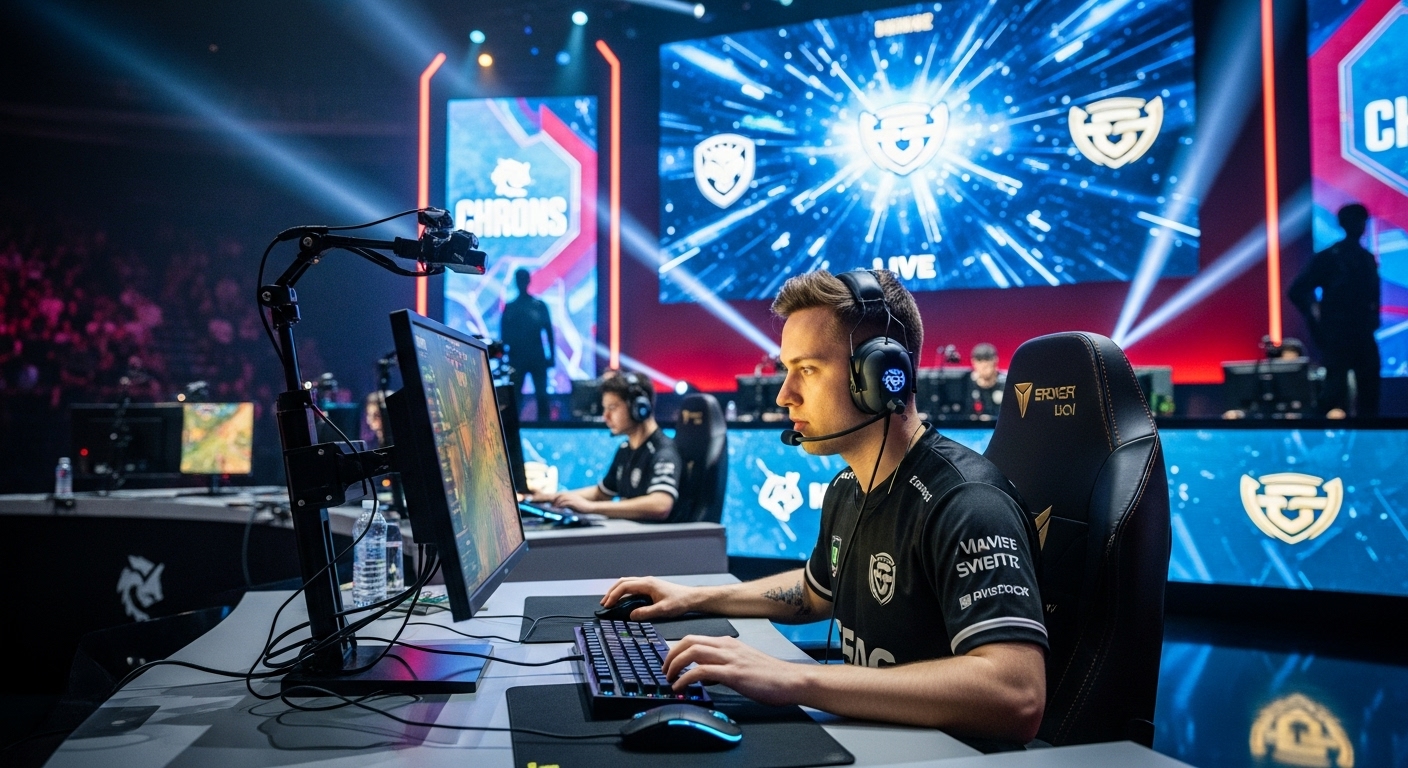
Competitive gamers dedicate extensive hours to mastering their craft. Their training often mirrors traditional athletes, involving physical conditioning, mental preparation, and strategic study. Reaction time, communication, teamwork, and game knowledge are essential skills honed through daily practice.
Many esports players start young, with careers often peaking in their twenties due to the cognitive and physical demands of the games. The pressure to perform consistently at the highest level is immense, and players must balance intense training with personal well-being.
Teams and Organizations
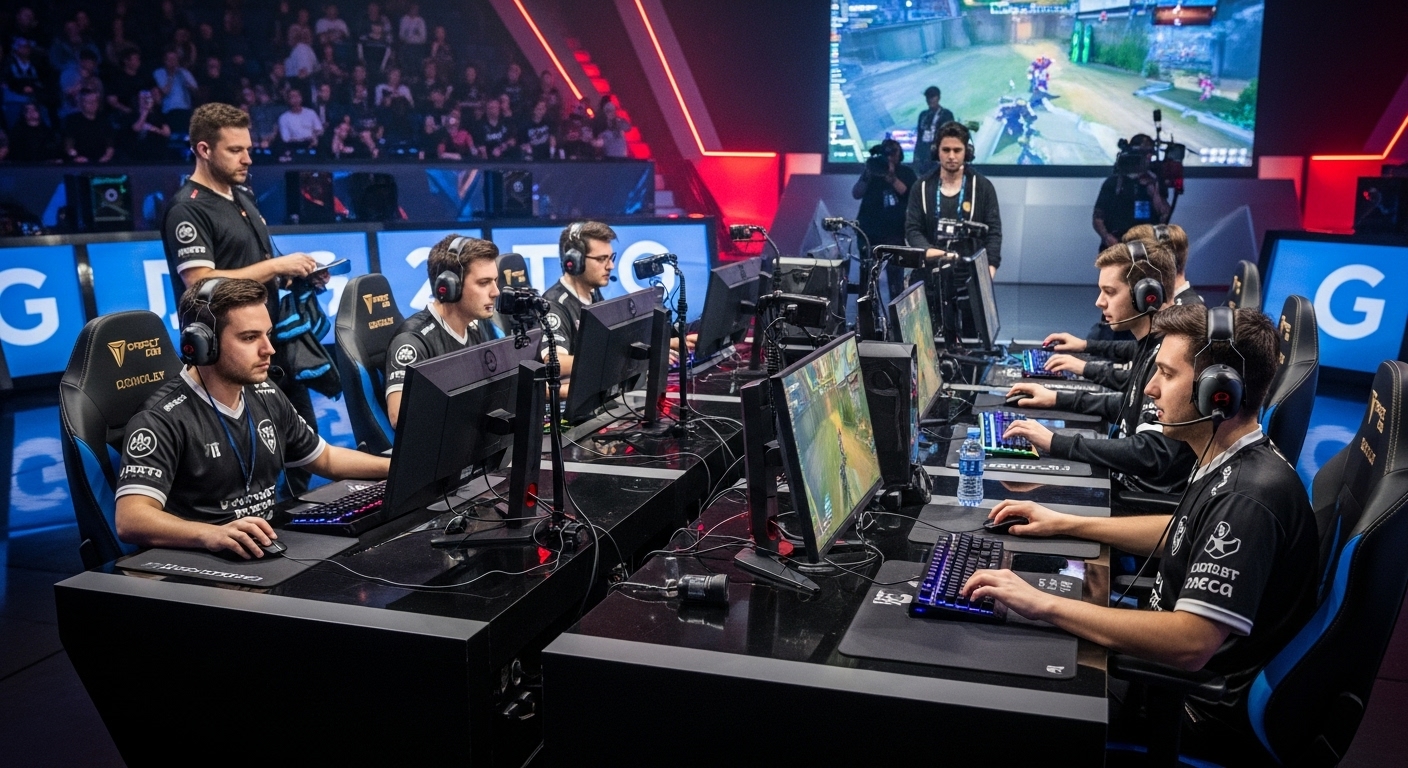
Teams provide structure and resources to players, much like sports franchises. They recruit talent, offer coaching and management support, and handle contracts and sponsorship deals. Top-tier organizations compete across multiple games to diversify their brand presence.
These organizations also engage with fans through content creation, social media, and merchandise, building loyal communities that extend beyond just gameplay.
Tournaments and Leagues
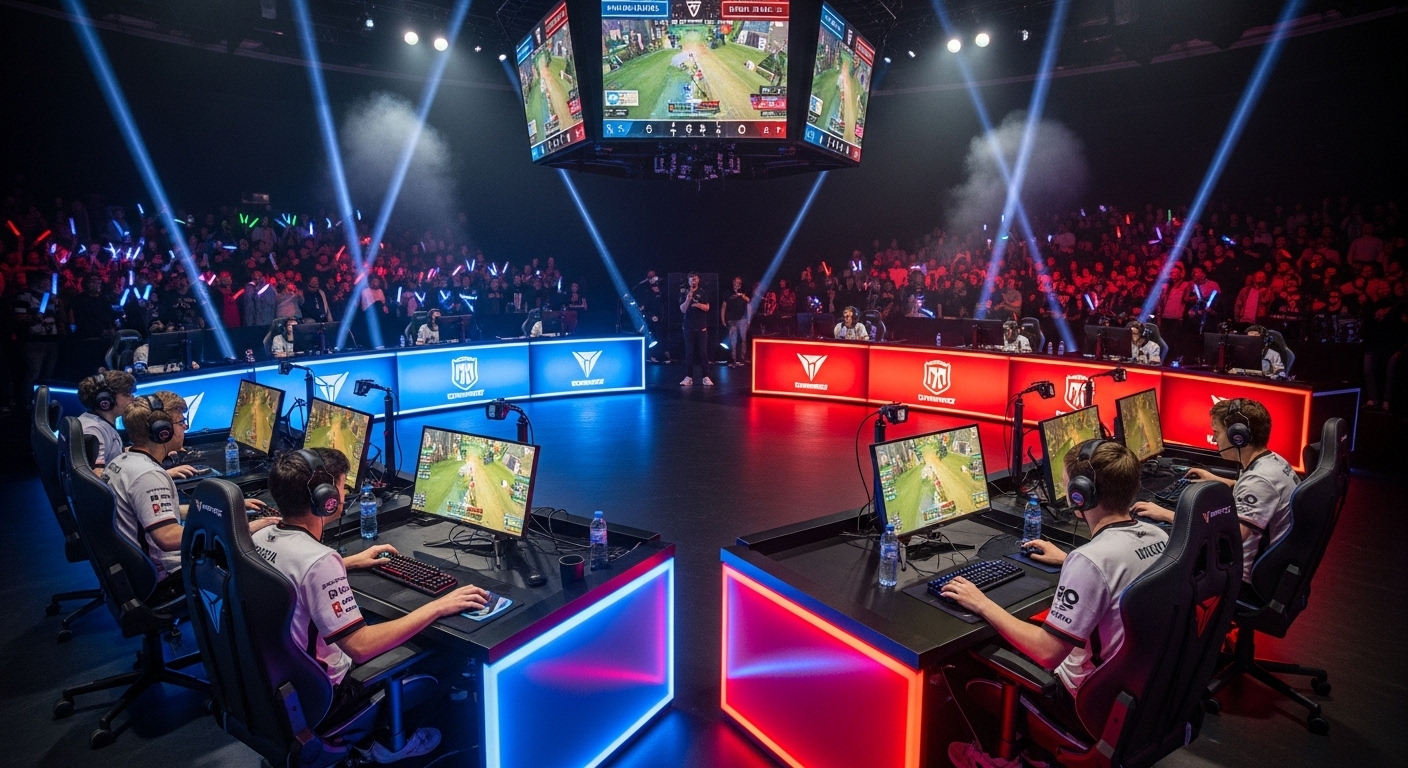
Esports competitions range from small-scale online events to massive international tournaments held in stadiums. Tournament formats can include round robins, group stages, playoffs, and finals, offering high-stakes competition with substantial prize pools.
Leagues with franchised teams, similar to traditional sports leagues, have emerged, providing consistent competition and fan engagement over seasons. This structure promotes stability and long-term growth for the industry.
Fans and Community
Esports fans are passionate and diverse, contributing to the ecosystem through viewership, participation in online forums, and attendance at live events. The interactive nature of streaming platforms enhances fan engagement, creating dynamic communities centered around shared enthusiasm.
Economic Dynamics: The Business Behind Esports
The rapid growth of esports has generated an expansive economic landscape.
Sponsorships and Advertising
Sponsorship is the backbone of esports revenue. Companies from technology, energy drinks, apparel, and many other industries invest heavily in teams, tournaments, and players. These partnerships provide brands with direct access to a younger demographic with high brand loyalty.
Advertising during broadcasts, on player jerseys, and within game-related content generates significant income, fueling further investment.
Media Rights and Broadcasting
Broadcasting rights are increasingly lucrative as production quality improves. Esports tournaments are streamed to millions worldwide, with advertising revenue shared between organizers and platforms. High-quality broadcasts with professional commentary and analysis elevate viewer experience.
Ticket Sales and Merchandise
Live events attract tens of thousands of attendees, generating revenue through ticket sales. Fans also purchase merchandise, including jerseys, collectibles, and branded accessories, supporting their favorite teams and players.
In-Game Purchases and Event Tie-Ins
Game developers monetize esports events through in-game content such as skins, emotes, and other cosmetic items linked to tournaments. A portion of these sales often contributes to prize pools, enhancing player incentives and fan engagement.
Investment and Franchising
Traditional sports franchises, celebrities, and venture capitalists are investing heavily in esports organizations and leagues. Franchised leagues require teams to buy slots, providing financial stability and a structured competitive environment.
Cultural Impact: Redefining Entertainment and Social Interaction
Esports has become a cultural phenomenon influencing society beyond the screen.
Global Connectivity and Community Building
Esports unites players and fans across continents, transcending cultural and language differences. Online platforms and social media enable shared experiences and friendships, fostering a global community built on mutual passion.
Changing Perceptions of Gaming
Once seen as a solitary or juvenile activity, gaming is now recognized for its strategic depth, skill, and social potential. Esports has helped elevate gaming into mainstream consciousness, influencing education, employment, and even policy in some regions.
Promoting Diversity and Inclusion
While challenges remain, esports is making strides in promoting inclusivity. Female gamers, LGBTQ+ players, and competitors from underrepresented regions are increasingly visible and supported. Efforts to combat toxicity and harassment are ongoing priorities within the community.
Career Opportunities Beyond Playing
The esports ecosystem offers diverse career paths including coaching, event management, broadcasting, marketing, game development, and analytics. Educational institutions have begun offering programs tailored to these emerging professions.
Challenges Facing Esports: Sustainability and Integrity
Despite its growth, esports grapples with significant challenges.
Player Health and Well-Being
The intense demands of training and competition can lead to burnout, mental health struggles, and physical injuries. Establishing best practices for health, rest, and mental care is vital for player longevity.
Game Lifecycles and Market Risks
Esports heavily depend on individual game titles. When a game loses popularity or developer support wanes, teams and players face disruption. Diversification and adaptability are key to mitigating this risk.
Regulation and Governance
Esports lacks a unified governing body, complicating rule enforcement, contract disputes, and anti-cheating efforts. Stakeholders are working towards more formalized governance to ensure fairness and transparency.
Monetization Ethics and Fan Trust
Balancing commercial interests with player and fan welfare remains a delicate task. Concerns about gambling, pay-to-win mechanics, and exploitative practices must be addressed to maintain integrity.
Infrastructure Inequality
Access to reliable internet and quality hardware remains a barrier in some regions, limiting global participation and diversity in esports.
Looking Forward: The Future of Esports
The future of esports is promising and dynamic, shaped by innovation and cultural trends.
Expansion of Mobile Esports
Mobile gaming is exploding globally, especially in developing markets. Mobile esports titles attract huge player bases and offer new opportunities for competition and audience growth.
Immersive Technologies
Virtual reality and augmented reality could transform esports, offering new ways to play and spectate with immersive experiences.
Artificial Intelligence Integration
AI tools are increasingly used to analyze gameplay, scout talent, and enhance broadcasts with real-time data and predictions.
Cross-Platform and Cross-Game Competition
Greater interoperability between platforms and games could expand player pools and audience reach.
Sustainability and Governance Efforts
Industry stakeholders are focusing on creating sustainable ecosystems, including player welfare initiatives, ethical monetization, and standardized regulations.
Conclusion: Embracing the Digital Competitive Frontier
Esports represents a profound shift in how humans compete, connect, and entertain. Its journey from arcade high scores to global stadium events illustrates the transformative power of technology and community.
While challenges remain, the dedication of players, fans, and industry leaders ensures a vibrant future. Esports not only redefines sports but also offers new cultural and economic opportunities worldwide.
As this digital arena continues to evolve, it invites us all to participate in a revolutionary form of competition — one that transcends physical boundaries and celebrates skill, strategy, and passion in the modern age.