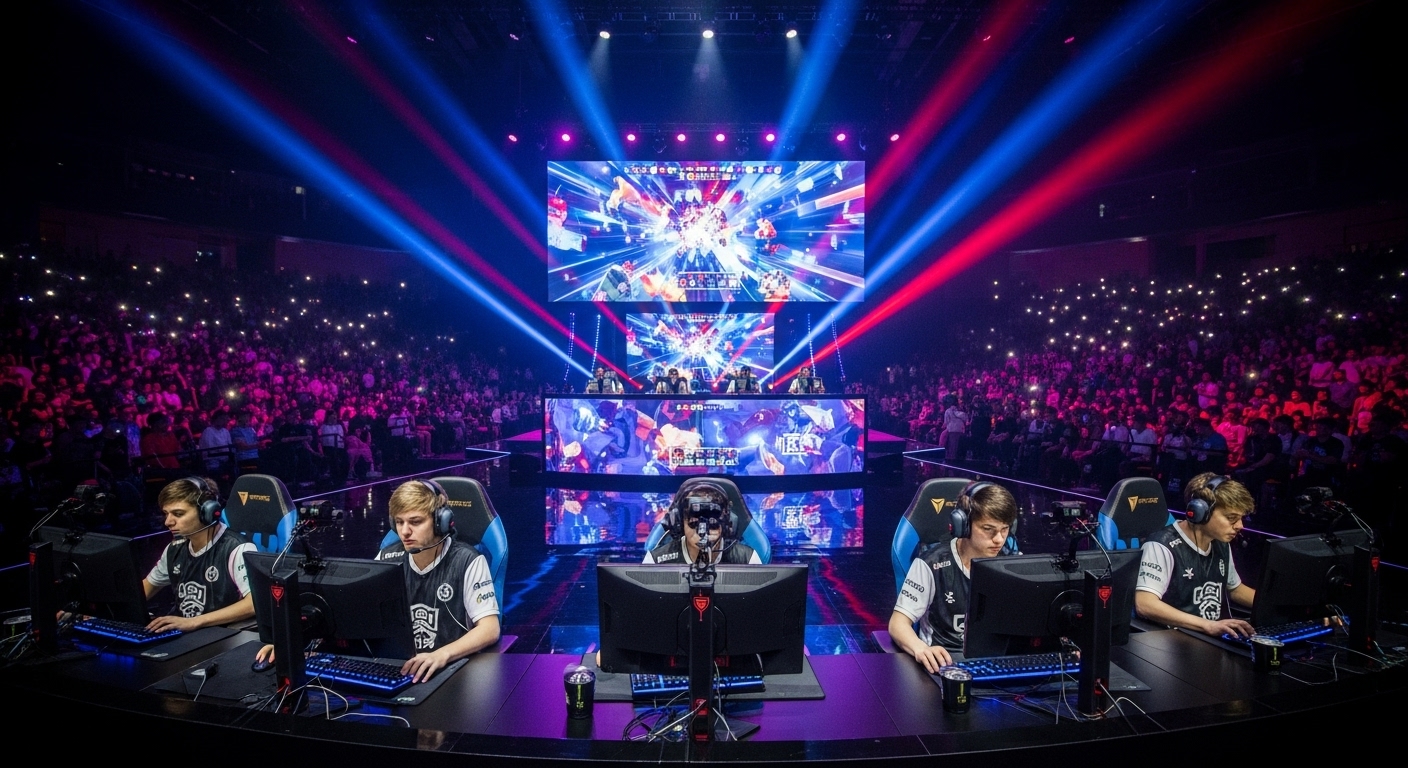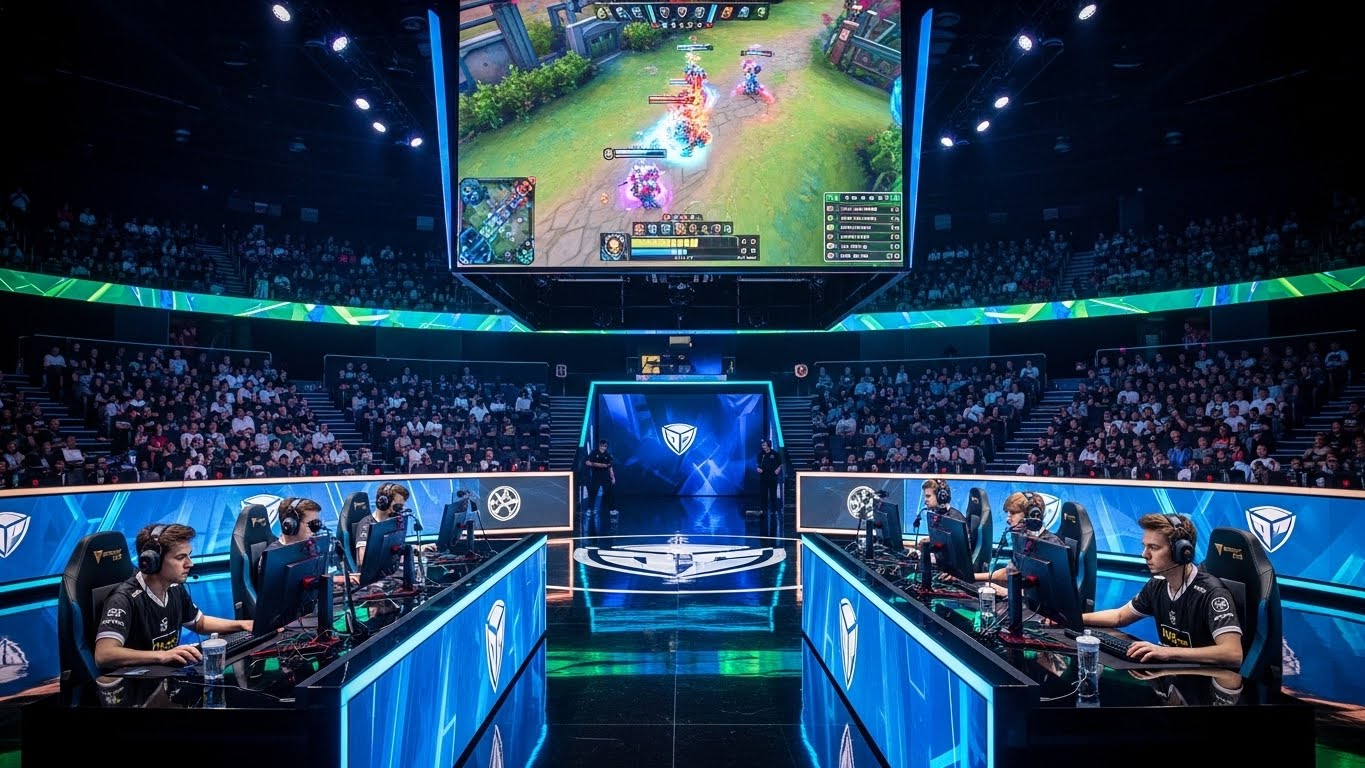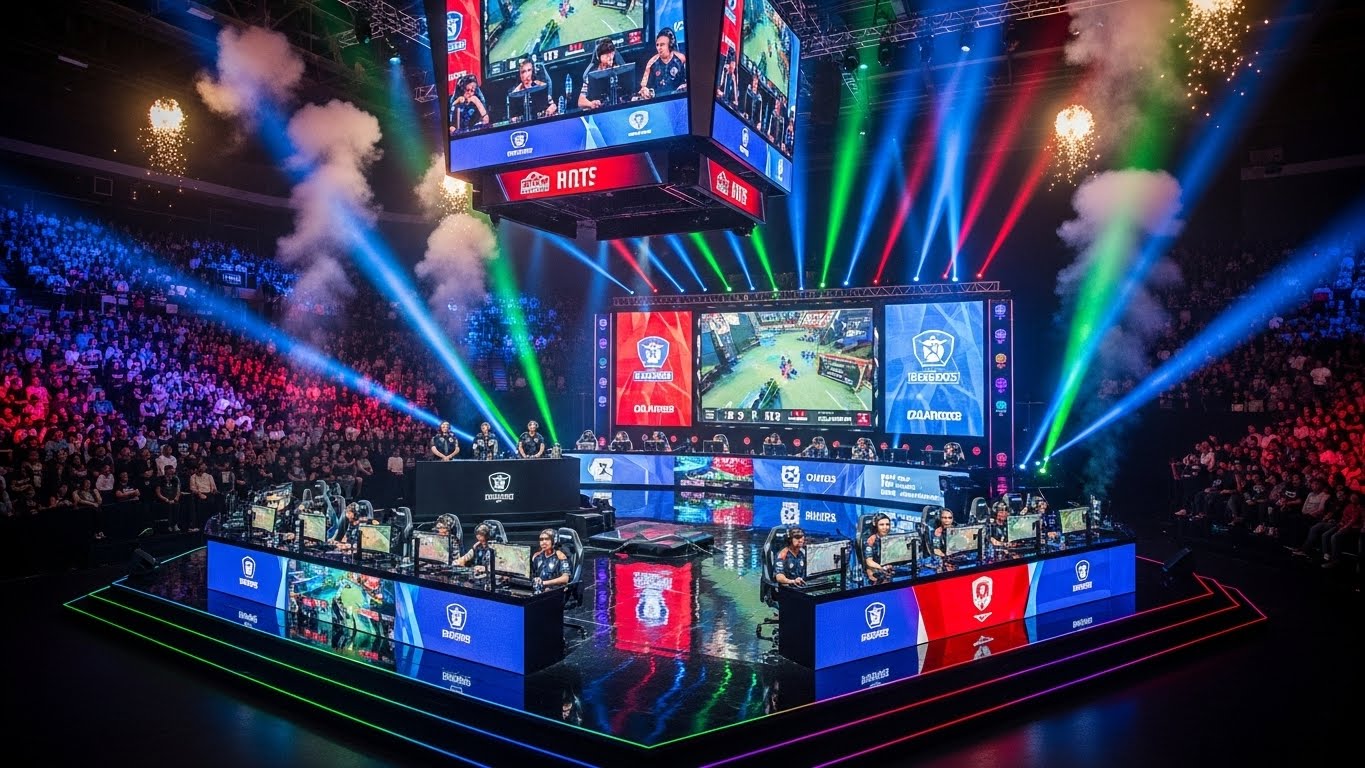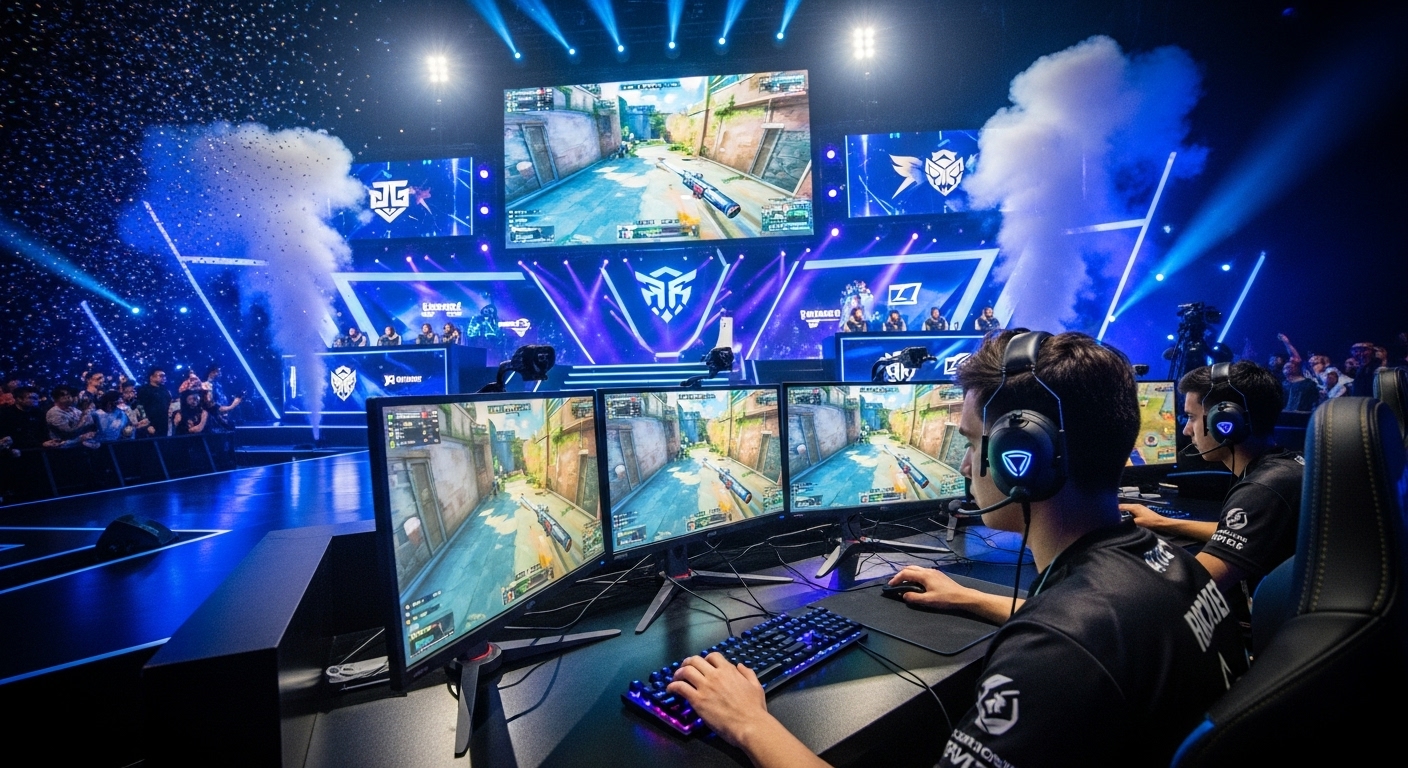
In recent years, esports has transformed from a niche hobby into a global phenomenon that captivates millions. Once dismissed as merely a pastime for gamers, esports now represents a powerful industry with professional teams, tournaments, and a massive following. This evolution reflects broader cultural shifts in technology, entertainment, and social interaction. Understanding esports is not just about knowing the games; it’s about exploring the intersection of technology, competition, and community in the digital age.
The Origins of Competitive Gaming
Competitive gaming has roots stretching back decades. In the late 1970s and early 1980s, video games like Space Invaders and Pac-Man inspired local competitions. Arcades served as gathering points for players to test their skills against one another. By the 1990s, with the rise of personal computers, competitive gaming began taking a more organized form. Games like StarCraft and Counter-Strike laid the foundation for modern esports by introducing multiplayer environments where players could compete globally.
The term “esports” itself started gaining popularity in the early 2000s. Online multiplayer games and platforms allowed players to compete without physical proximity, expanding the potential audience. The creation of leagues, tournaments, and structured competitions formalized gaming as a serious pursuit. What was once casual fun began transforming into a competitive discipline, attracting players willing to dedicate countless hours to mastery.
The Explosion of Esports in the 21st Century
The 21st century witnessed an unprecedented boom in esports. Several factors contributed to this growth, including advancements in technology, internet accessibility, and streaming platforms. Games such as League of Legends, Dota 2, and Fortnite became global sensations, drawing millions of viewers to competitive matches. These games are not only complex and strategic but also highly engaging for spectators.
Streaming platforms revolutionized the way people consumed gaming content. Fans could watch live tournaments, follow their favorite players, and engage with communities from anywhere in the world. This accessibility turned esports into an interactive spectator sport, bridging the gap between casual viewers and hardcore enthusiasts.
The rise of professional esports teams also mirrored traditional sports structures. Organizations began recruiting players, sponsoring events, and developing training facilities. Just like traditional athletes, esports players undergo rigorous training schedules, focusing on strategy, reflexes, teamwork, and mental resilience. The professionalization of esports demonstrated that gaming could be more than entertainment—it could be a viable career path.
Understanding Esports as a Spectator Sport
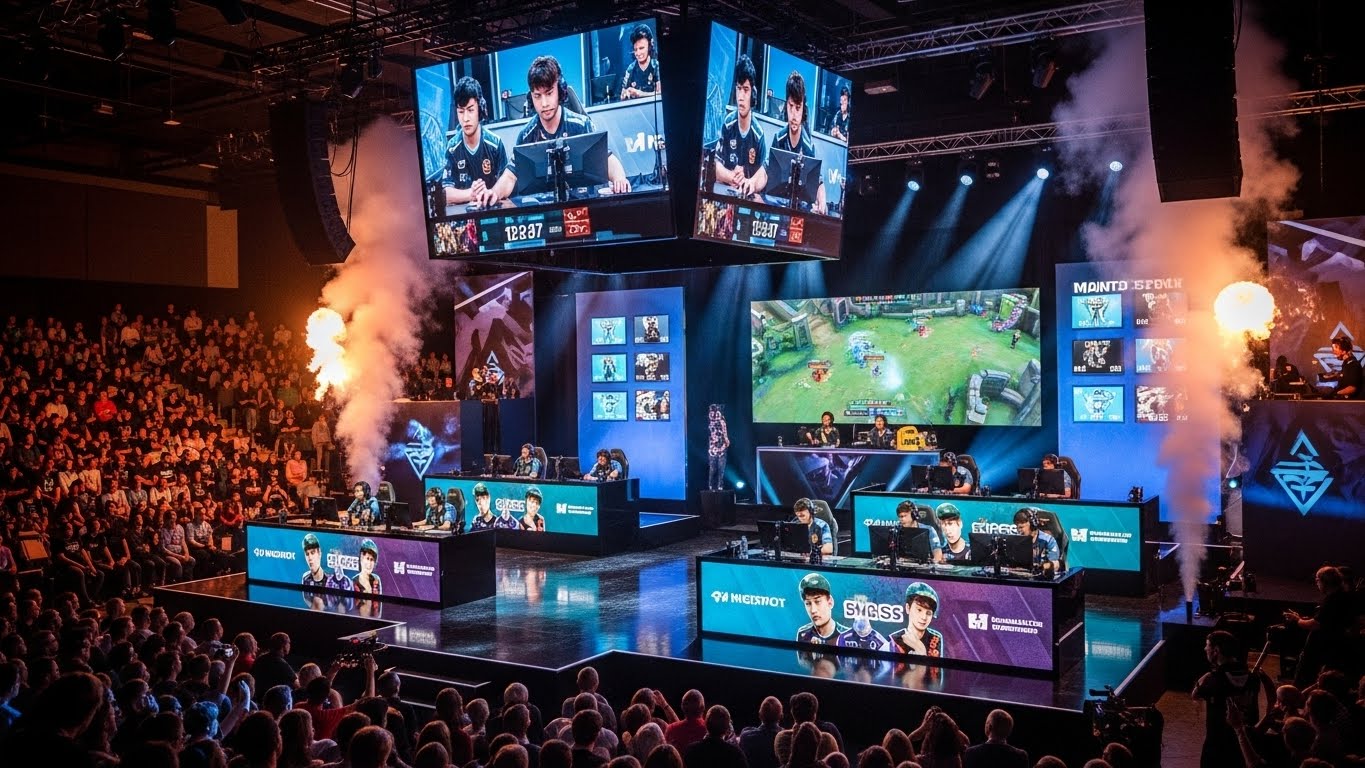
Esports is not just about playing games; it’s about watching them. The spectator experience is central to its success. Unlike traditional sports, where viewers observe physical action, esports spectators engage with virtual competition, often supplemented by live commentary, in-game statistics, and interactive features. This combination creates a unique form of entertainment that blends gaming, theater, and sport.
The popularity of esports tournaments reflects the global demand for competitive gaming content. Events like the League of Legends World Championship or The International for Dota 2 attract millions of viewers online and in stadiums. These events are not just competitions—they are cultural phenomena. Fans celebrate victories, analyze strategies, and form communities around shared enthusiasm for their favorite teams and players.
Streaming platforms play a crucial role in amplifying the spectator experience. Commentators, known as casters, guide viewers through complex matches, explaining strategies and highlighting key moments. This approach makes esports accessible even to newcomers, fostering a sense of inclusion and excitement.
Economic Impact of Esports
Esports has grown into a multi-billion-dollar industry, attracting investment from a wide array of sectors, including technology, advertising, and entertainment. Revenue streams include tournament prizes, sponsorship deals, merchandise sales, and streaming subscriptions. Major corporations recognize esports’ potential to reach younger, tech-savvy audiences, resulting in substantial marketing investments.
Sponsorship is a significant driver of economic growth in esports. Companies support tournaments, teams, and individual players, creating mutually beneficial relationships. Players gain financial stability and exposure, while sponsors access engaged audiences. Merchandise, including jerseys, gaming peripherals, and branded content, adds another layer of revenue, further cementing esports as a sustainable business model.
Moreover, the industry contributes to job creation beyond players. Analysts, coaches, event organizers, and content creators are all integral to the esports ecosystem. This diversification demonstrates that esports is more than just games; it’s a comprehensive professional sector with numerous career opportunities.
Esports and Technology
Technology is the backbone of esports. High-performance computers, gaming consoles, and fast internet connections are essential for competitive play. The development of game engines, graphics, and artificial intelligence has elevated the quality and complexity of modern games, providing players with challenging environments and spectators with visually stunning experiences.
Streaming technology has also played a transformative role. Platforms enable real-time broadcasting to millions of viewers simultaneously, creating a shared global experience. Innovations such as virtual reality and augmented reality promise to further enhance engagement, allowing spectators to immerse themselves in matches like never before.
The integration of data analytics has also become a vital part of esports. Players and teams use statistics to refine strategies, track performance, and identify areas for improvement. This analytical approach mirrors professional sports, emphasizing precision, preparation, and adaptability.
Social and Cultural Significance
Esports is not only an economic or technological phenomenon; it is also a cultural one. Gaming communities foster social interaction, collaboration, and identity formation. Players connect with others who share their interests, building friendships and networks that extend beyond the digital realm.
Esports also challenges traditional notions of sports and competition. Physical prowess is no longer the sole measure of excellence. Strategic thinking, reflexes, communication, and adaptability are equally important. This broadens the definition of athleticism and provides a platform for diverse talent to thrive.
Furthermore, esports has influenced popular culture. Games, memes, and tournaments permeate social media, fashion, and entertainment. Many esports players have become celebrities, influencing trends and inspiring younger generations to pursue gaming as a serious endeavor. The cultural impact of esports is visible in music, fashion, and even mainstream media, reflecting its integration into everyday life.
Challenges Facing Esports
Despite its growth, esports faces significant challenges. One major concern is the mental and physical health of professional players. Long hours of practice, high-pressure competitions, and public scrutiny can lead to stress, burnout, and health issues. Organizations are beginning to address these challenges by providing support systems, mental health resources, and structured schedules.
Another challenge is regulation. Unlike traditional sports, esports lacks standardized rules and governing bodies across all games. This can result in inconsistencies in competition formats, prize distribution, and player contracts. As the industry matures, establishing clear regulations and ethical standards will be crucial for its long-term sustainability.
Additionally, inclusivity remains an issue. While esports has made strides in attracting diverse participants, barriers such as gender disparity and limited representation persist. Encouraging a more inclusive environment will be essential for the growth and credibility of esports.
The Future of Esports
The future of esports looks promising. With continued technological advancements, increasing global participation, and expanding audience engagement, esports is poised to become a mainstream form of entertainment comparable to traditional sports. Virtual reality, artificial intelligence, and interactive streaming experiences will redefine how players compete and fans engage.
Education and professional development are also likely to play a larger role. Schools and universities are incorporating esports programs, offering scholarships, and integrating gaming into curricula. This formalization not only legitimizes esports as a career path but also equips players with skills applicable in technology, management, and media.
Esports is likely to continue blending with other forms of entertainment. Collaborations with music, film, and fashion industries are becoming more common, creating hybrid experiences that appeal to wider audiences. The boundary between gaming and mainstream culture is gradually dissolving, positioning esports as a central pillar of modern entertainment.
Conclusion
Esports is no longer a fringe activity; it is a complex, dynamic, and influential part of contemporary culture. From its humble beginnings in arcades to its current status as a multi-billion-dollar industry, esports reflects broader trends in technology, society, and entertainment. It offers opportunities for competition, community building, and career development while challenging traditional notions of sport and athleticism.
As technology evolves and global interest continues to rise, esports will undoubtedly play an even more significant role in shaping the future of entertainment and culture. It is a testament to the power of human creativity, adaptability, and the enduring appeal of play. Esports is more than games; it is a cultural movement, a professional arena, and a shared human experience that transcends borders and generations.