Introduction: Esports as a Modern Phenomenon
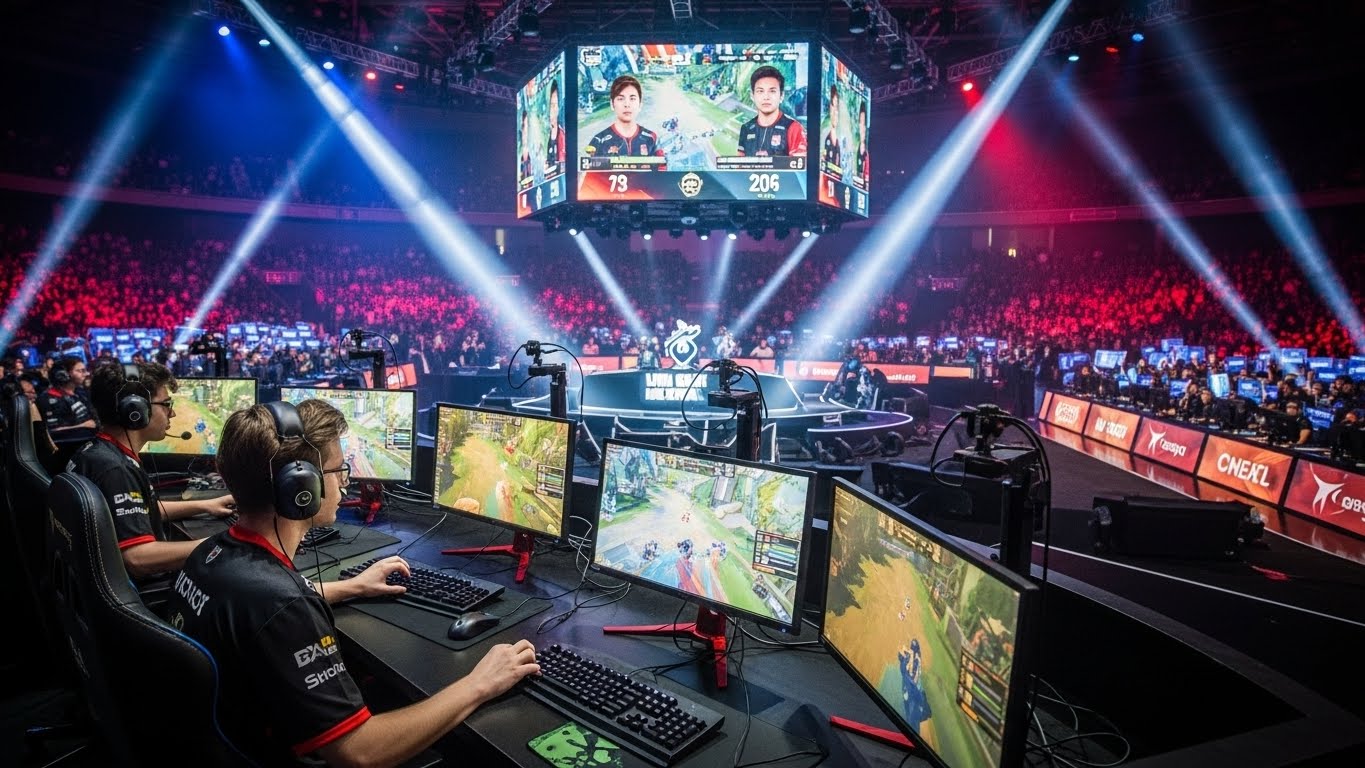
Esports, short for electronic sports, has transformed the world of gaming into a global phenomenon. What once was considered a niche hobby for video game enthusiasts has now become a professional, competitive, and lucrative industry. Esports combines skill, strategy, teamwork, and mental agility, attracting millions of players and fans worldwide. With professional leagues, live tournaments, sponsorships, and streaming platforms, esports has established itself as a legitimate form of competition and entertainment. In this blog, we will explore the evolution of esports, its impact on society, the technology driving it, and its promising future.
The Evolution of Esports: From Arcade Competitions to Global Stages
The roots of esports can be traced back to early video game competitions in the 1970s and 1980s. Simple games like Pong and Space Invaders introduced competitive play, while arcade tournaments created social communities around gaming. The 1990s saw the rise of local and regional competitions for games like Street Fighter, StarCraft, and Quake, which laid the foundation for organized esports.
With the advent of high-speed internet and multiplayer gaming in the 2000s, esports expanded rapidly. Online platforms enabled players to compete globally, giving rise to professional leagues and structured tournaments. Today, esports events attract millions of viewers both in arenas and through online streaming, showcasing a level of professionalism and skill comparable to traditional sports.
Popular Esports Titles and Genres
Esports covers a wide range of game genres, each requiring unique skills and strategies. Multiplayer online battle arena (MOBA) games like League of Legends and Dota 2 focus on teamwork, tactical planning, and fast decision-making. First-person shooters (FPS) such as Counter-Strike and Call of Duty test reflexes, precision, and situational awareness.
Real-time strategy (RTS) games like StarCraft demand long-term planning and resource management, while fighting games like Street Fighter and Tekken emphasize timing and technique. Each genre attracts its own community of players and fans, contributing to the diversity and growth of esports as a global industry.
The Rise of Professional Esports
Professional esports players dedicate countless hours to practice, strategy, and teamwork. They participate in structured leagues, tournaments, and international competitions, often earning substantial prize money and sponsorships. Unlike casual gaming, professional esports requires discipline, mental resilience, and the ability to perform under pressure.
Teams often have coaches, analysts, and support staff who study opponents, develop strategies, and optimize performance. Professional esports organizations operate much like traditional sports franchises, managing player contracts, marketing, and fan engagement. This level of professionalism has elevated esports into a respected and highly competitive field.
The Esports Community: Connecting Players Worldwide
One of the most remarkable aspects of esports is its ability to build global communities. Players from different countries and cultures connect through online platforms, forming friendships and rivalries. Fans engage with esports through live streams, forums, social media, and tournaments, creating a sense of shared experience and belonging.
Esports communities are often highly interactive. Fans discuss strategies, celebrate victories, and create content such as fan art, videos, and tutorials. This community-driven culture fosters collaboration, creativity, and social interaction, demonstrating that esports is not only about competition but also about connection.
Esports as Entertainment
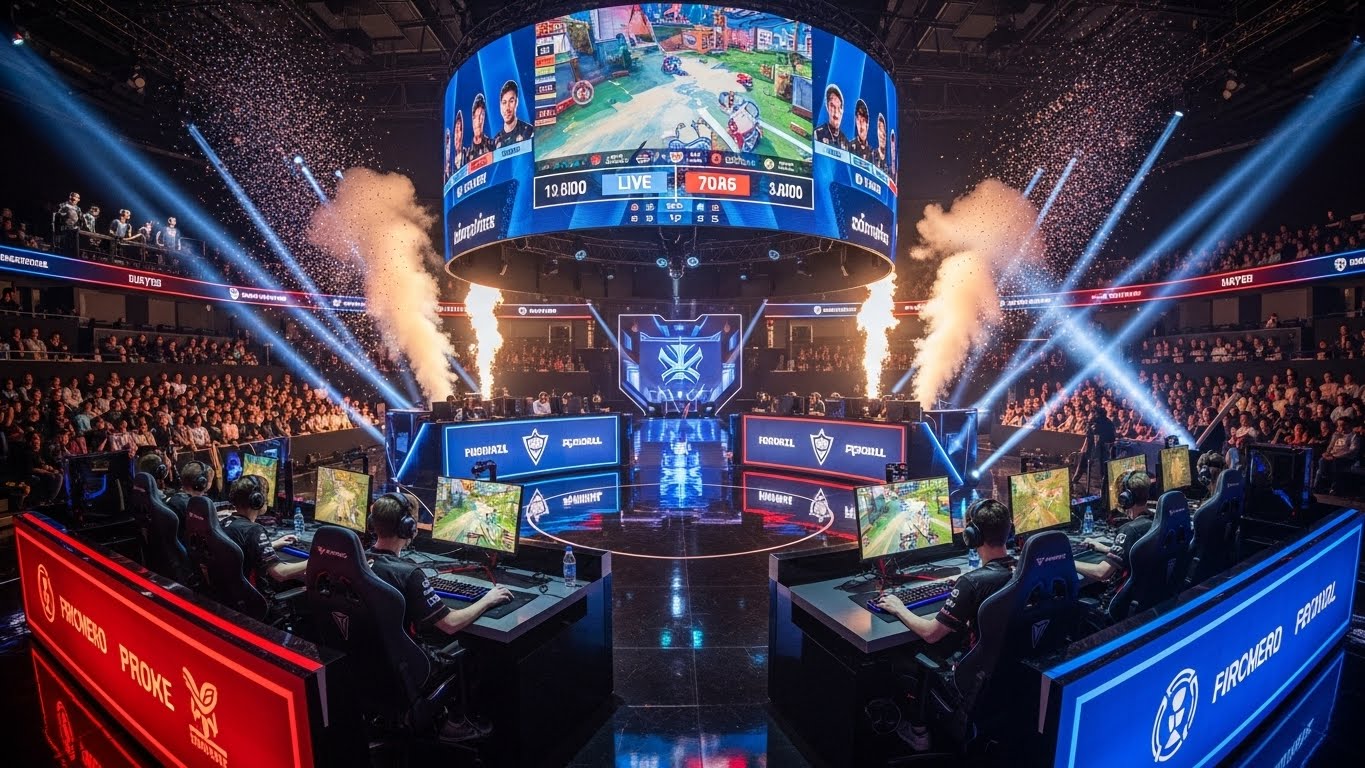
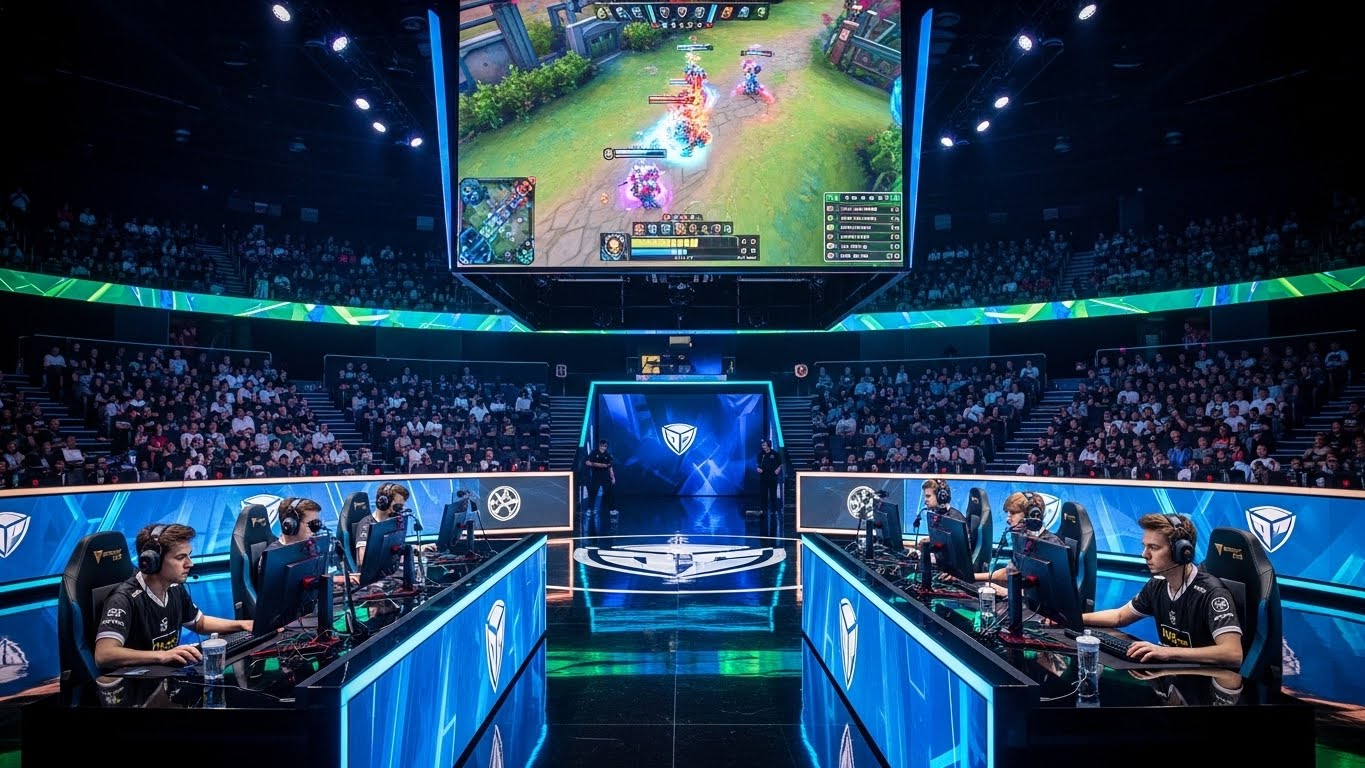
Esports has become a major form of entertainment, attracting audiences comparable to traditional sports. Live events fill arenas with cheering fans, while streaming platforms allow millions to watch competitions from home. Commentary, analysis, and live reactions add excitement and engagement, making esports broadcasts immersive and thrilling.
Content creators and streamers further expand esports entertainment by showcasing gameplay, providing tutorials, and interacting with viewers. The combination of competition, storytelling, and fan interaction has transformed esports into a multi-faceted entertainment medium.
The Economics of Esports
Esports has grown into a billion-dollar industry with diverse revenue streams. Prize money, sponsorships, advertising, merchandise, media rights, and streaming subscriptions contribute to its economic impact. Professional teams, tournament organizers, and streaming platforms benefit from a global audience eager to invest in their favorite players and events.
Major tournaments such as The International for Dota 2 and the League of Legends World Championship demonstrate the financial scale of esports, offering millions of dollars in prize pools. The economic growth of esports also creates job opportunities in marketing, management, coaching, event planning, and content creation, supporting a wide ecosystem around competitive gaming.
Technology Driving Esports
Technology plays a critical role in esports, from high-performance hardware to streaming software and analytics tools. Powerful gaming computers, fast internet connections, and advanced peripherals allow players to perform at peak levels. Video streaming platforms provide real-time access to events, while interactive features enable fan participation.
Data analytics and artificial intelligence are increasingly used to study gameplay, evaluate strategies, and optimize performance. Virtual reality and augmented reality may further revolutionize esports by creating more immersive and interactive experiences. Technology ensures that esports remains dynamic, accessible, and continuously evolving.
Esports and Education
Esports is making its way into educational institutions, offering opportunities for skill development, scholarships, and career paths. Schools and universities host esports clubs, leagues, and tournaments, allowing students to compete and learn in structured environments.
Participation in esports develops teamwork, strategic thinking, communication, and time management skills. Students learn to analyze opponents, adapt strategies, and manage pressure, gaining experiences that translate into academic and professional success. By integrating esports into education, institutions recognize gaming as a valuable and legitimate pursuit.
Mental and Cognitive Benefits of Esports
While often associated with leisure, esports offers significant mental and cognitive benefits. Strategic and competitive games enhance critical thinking, problem-solving, and multitasking abilities. Fast-paced games improve reflexes, hand-eye coordination, and decision-making speed.
Team-based esports fosters collaboration, leadership, and communication skills. Additionally, achieving in-game goals builds confidence, resilience, and motivation. Like traditional sports, esports requires discipline, focus, and practice, demonstrating that competitive gaming contributes to personal development and cognitive growth.
Inclusivity and Diversity in Esports
Esports has become a platform for inclusivity and diversity. Players from different genders, ethnicities, and backgrounds compete on equal footing, demonstrating that skill and strategy transcend social barriers. Women’s leagues, adaptive gaming programs, and global competitions promote access and representation for underrepresented groups.
Esports also challenges stereotypes about gamers and fosters a culture of acceptance, collaboration, and mutual respect. The inclusive nature of esports ensures that talent, passion, and dedication are valued over physical attributes or background, making it a progressive and dynamic field.
The Future of Esports
The future of esports is full of potential. Continued technological advancements, including virtual reality, augmented reality, and artificial intelligence, will create more immersive and interactive competitions. The expansion of streaming platforms and global fan engagement will increase accessibility and revenue.
Esports may also become integrated with traditional sports, combining physical and digital competition in innovative ways. Professional leagues, international tournaments, and educational programs will continue to grow, solidifying esports as a major cultural and economic force worldwide.
Conclusion: Esports as a Cultural and Competitive Force
Esports has grown from casual gaming to a professional, global phenomenon that impacts culture, technology, education, and entertainment. It connects communities, fosters creativity, builds cognitive and social skills, and provides career opportunities. With millions of players and fans worldwide, esports is more than just a hobby—it is a legitimate and dynamic competitive field.
As technology advances, communities expand, and professional infrastructure develops, esports will continue to shape the future of gaming and entertainment. It represents the evolution of play, the power of skill and strategy, and the limitless potential of human innovation. The rise of esports demonstrates that competition, connection, and creativity can thrive in the digital era, making it one of the most influential and transformative phenomena of modern times.