Introduction: Esports as a Global Phenomenon
Esports, or competitive gaming, has evolved from a niche hobby into a worldwide cultural and economic powerhouse. What once involved small local tournaments and arcade competitions has now grown into a global industry attracting millions of players, viewers, and investors. Professional esports athletes compete at the highest level, with international championships, multimillion-dollar prize pools, and widespread media coverage.
The appeal of esports lies not only in the thrill of competition but also in its capacity to bring people together, develop skills, and create a shared sense of community. It is a digital arena where talent, strategy, and entertainment converge, redefining how we perceive sports and competition in the modern era.
The Origins of Competitive Gaming
The roots of esports can be traced back to the 1970s and 1980s, when early arcade competitions and home console games laid the foundation for organized gaming. Titles like Pong, Space Invaders, and later Street Fighter and StarCraft attracted competitive players eager to prove their skills.
With the advent of high-speed internet in the 1990s and early 2000s, online multiplayer games transformed competitive gaming. Players could now compete across continents, connecting through digital networks. This shift created a global stage for competitive play and set the stage for esports as we know it today.
Major Esports Genres and Their Appeal
Esports encompasses a wide variety of game genres, each offering unique challenges and skills:
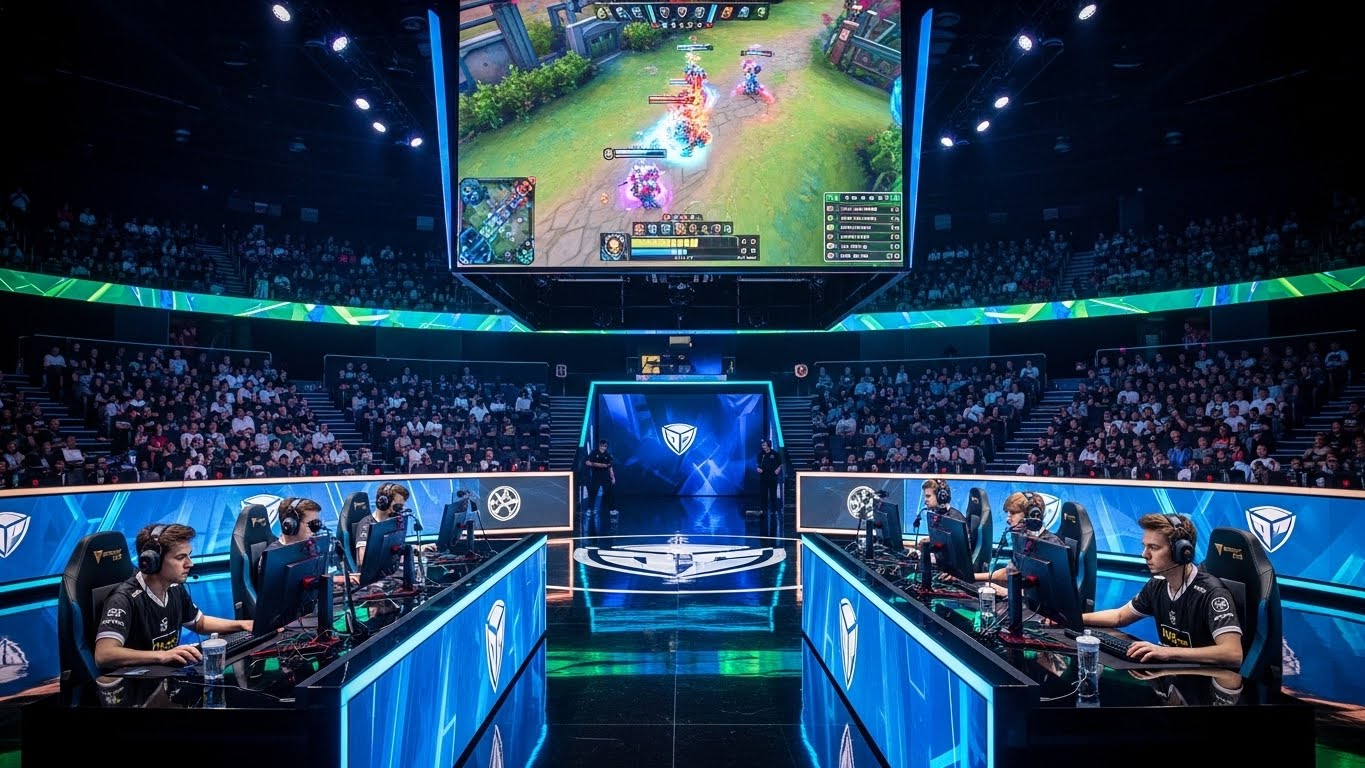
1. Multiplayer Online Battle Arenas (MOBA): Games like League of Legends and Dota 2 emphasize strategy, teamwork, and in-game decision-making. Success requires coordination, planning, and quick adaptation.
2. First-Person Shooters (FPS): Games such as Counter-Strike, Call of Duty, and Overwatch demand precision, fast reflexes, and situational awareness. FPS esports combine individual skill with team strategy.
3. Real-Time Strategy (RTS): Titles like StarCraft II challenge players to manage resources, command units, and execute complex strategies under pressure. RTS games test multitasking, foresight, and adaptability.
4. Battle Royale Games: Games like Fortnite and PUBG combine survival strategy, tactical planning, and rapid decision-making. Players must navigate dynamic environments and outlast competitors to win.
5. Sports Simulations: Virtual representations of real-world sports, such as FIFA and NBA 2K, allow players to simulate athletic competition. Mastery requires both knowledge of the sport and precise gameplay skills.
Esports as a Professional Career
Esports is no longer just a hobby—it is a viable career path. Professional players dedicate extensive hours to practice, strategy, and physical fitness. Teams and organizations operate similarly to traditional sports franchises, employing coaches, analysts, and support staff to enhance performance.
Prize money, sponsorships, and salaries have made competitive gaming financially rewarding. Additionally, careers in esports extend beyond playing; individuals work in broadcasting, content creation, marketing, event management, and software development, contributing to a thriving industry with diverse opportunities.
Global Esports Tournaments
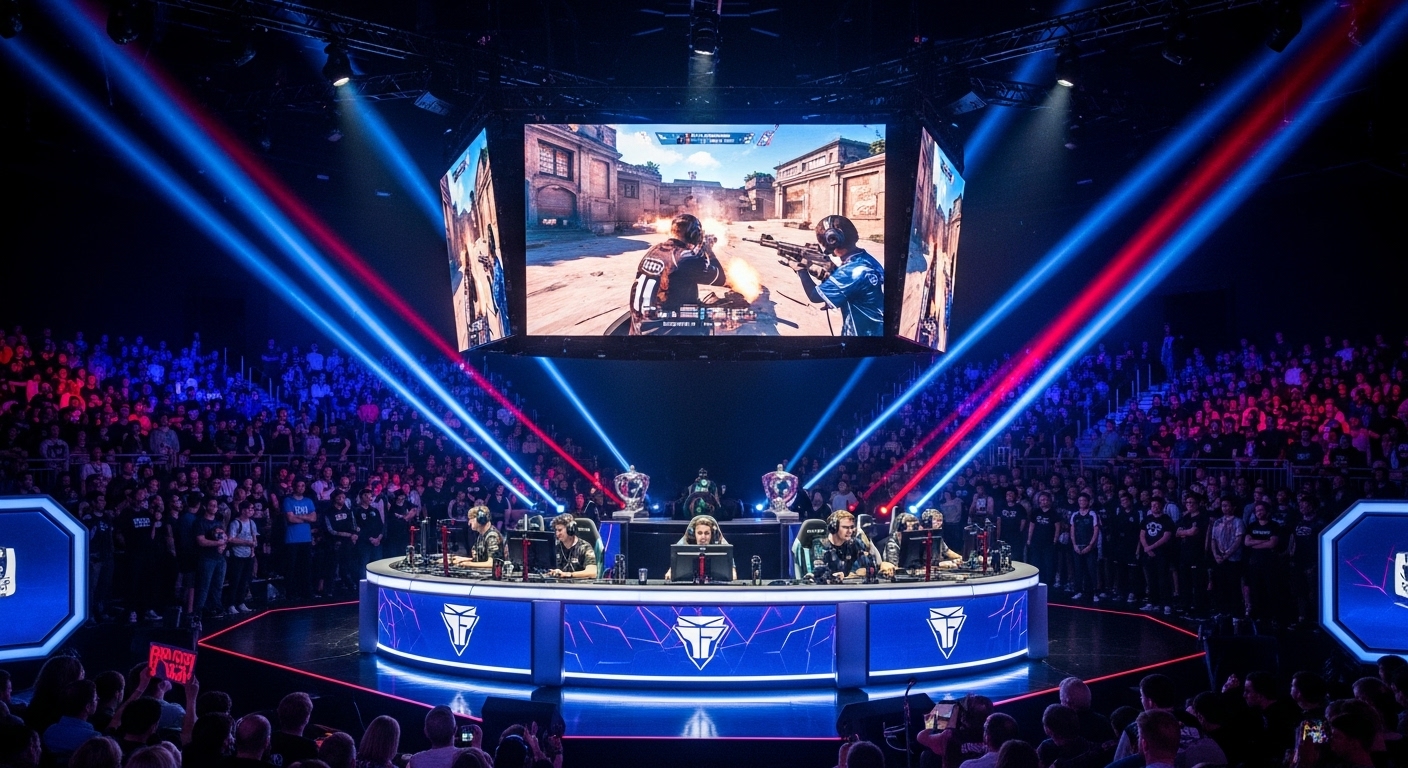
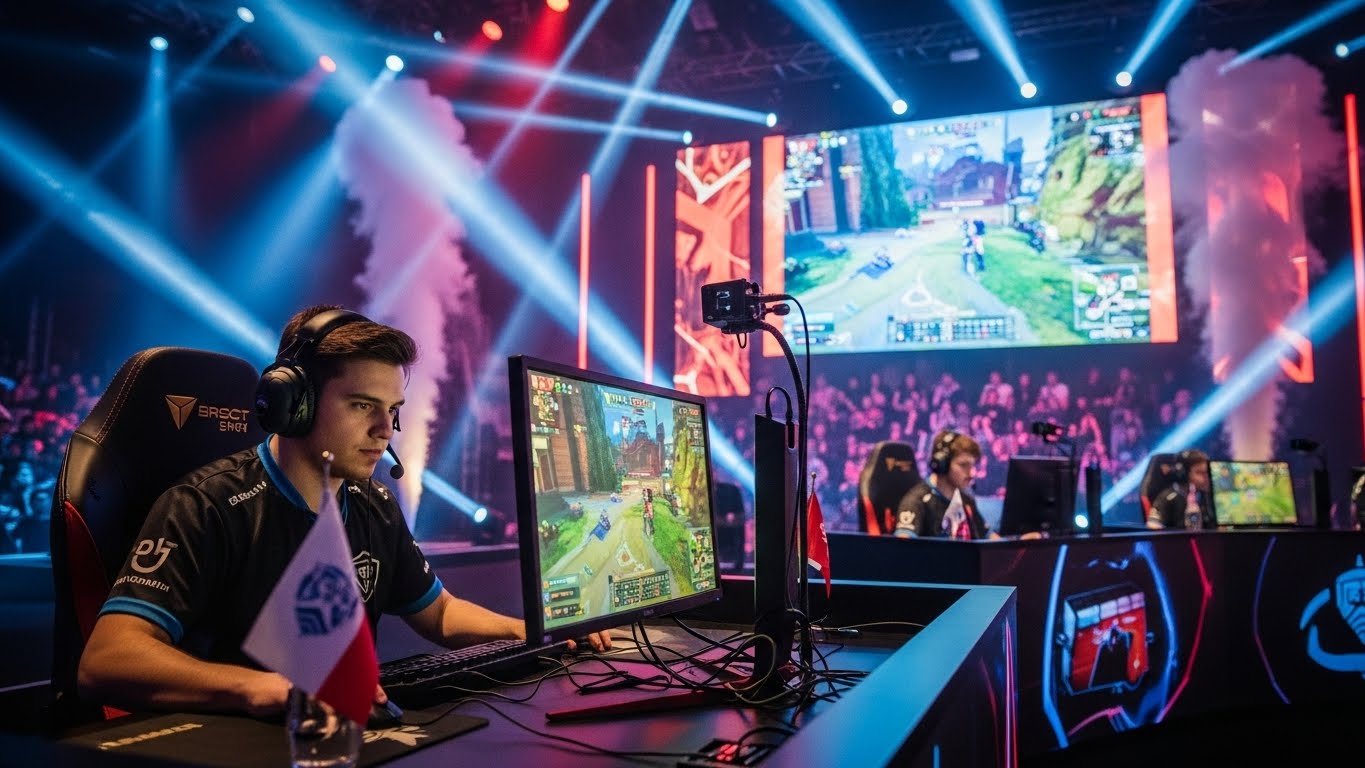
Tournaments are central to the esports ecosystem, drawing massive audiences both online and in-person. Competitions like The International, League of Legends World Championship, EVO, and Fortnite World Cup showcase elite talent and generate global attention.
These events provide entertainment, foster community, and promote international collaboration. They highlight stories of perseverance, skill, and strategy, creating shared cultural experiences for fans worldwide. Esports tournaments have become spectacles that rival traditional sports in scale and excitement.
The Role of Technology in Esports
Technology drives esports at every level. High-performance gaming hardware, fast internet connectivity, streaming platforms, and communication tools enable seamless competition and engagement. Analytical software and performance-tracking systems help players optimize their skills and strategies.
Emerging technologies, including virtual reality, augmented reality, and artificial intelligence, are poised to enhance the esports experience. These innovations will deepen immersion, improve training, and redefine how players and fans interact with games.
The Social and Cultural Impact of Esports
Esports has fostered a global community, connecting players and fans across countries, languages, and cultures. Online platforms facilitate collaboration, discussion, and competition, creating spaces where individuals can share experiences, learn from others, and build lasting relationships.
Esports also influences entertainment, fashion, and digital culture. Fans follow professional players, adopt gaming trends, and participate in content creation. The cultural impact of esports extends beyond gameplay, shaping social behavior, creativity, and digital interaction.
The Mental and Physical Demands of Esports
While esports is primarily digital, it places significant mental and physical demands on players. Quick decision-making, strategic planning, and sustained concentration are essential for high-level competition. Long hours of practice can lead to physical strain, requiring attention to ergonomics, fitness, and posture.
Professional organizations now prioritize wellness, incorporating physical training, nutrition, and mental health support. Balanced routines and proper care are crucial for longevity and performance in the esports profession.
Esports and Education
Esports is increasingly recognized in educational contexts. Schools and universities are establishing esports programs to develop skills such as teamwork, strategic thinking, and digital literacy. Scholarships and academic competitions provide pathways for students to pursue careers in competitive gaming and related industries.
Beyond competition, esports programs teach valuable life skills, including time management, communication, and goal-setting. Integrating esports into education demonstrates its potential as a tool for personal growth and professional preparation.
Women in Esports
The esports industry is becoming more inclusive, with women gaining visibility and influence. Female players, streamers, commentators, and developers are challenging traditional gender roles and expanding representation in competitive gaming.
Increased support, tournaments, and mentorship programs encourage women to participate and excel. Greater inclusion ensures that esports reflects the diversity of its global audience and fosters equitable opportunities for all.
Economic Significance of Esports
Esports has developed into a multibillion-dollar industry. Revenue comes from streaming platforms, sponsorships, merchandise, media rights, and ticket sales for events. Brands invest heavily in esports to reach young, engaged, and digitally connected audiences.
The economic impact extends beyond money. Esports drives innovation in technology, marketing, and entertainment, while supporting careers in multiple sectors. It is a growing ecosystem with far-reaching influence on the global economy.
The Future of Esports
The future of esports promises continued growth, innovation, and mainstream recognition. Cloud gaming, artificial intelligence, and virtual reality will create new ways for players to compete and fans to engage. Global leagues and hybrid events will expand reach and influence, while education and inclusivity initiatives will strengthen the foundation of competitive gaming.
Esports is poised to redefine sports and entertainment in the digital age, merging technology, creativity, and global culture in unprecedented ways.
Conclusion: Esports as a Cultural and Competitive Force
Esports is more than just playing video games—it is a powerful global movement that blends skill, strategy, community, and entertainment. It offers career opportunities, fosters social connections, and drives technological innovation.
From casual players to professional athletes, esports inspires excellence, perseverance, and collaboration. It has become a cultural phenomenon, shaping how people compete, communicate, and connect in the digital era. The growth of esports demonstrates that competitive gaming is a serious pursuit with the potential to influence the future of sports, entertainment, and global culture.