
Introduction: A New Era of Competition
Esports, once considered a niche interest of gamers, has evolved into a global phenomenon. With millions of fans, professional teams, massive sponsorship deals, and international tournaments, esports is not just a pastime—it’s a booming industry redefining entertainment and sports in the digital age.
The Evolution from Arcades to Arenas
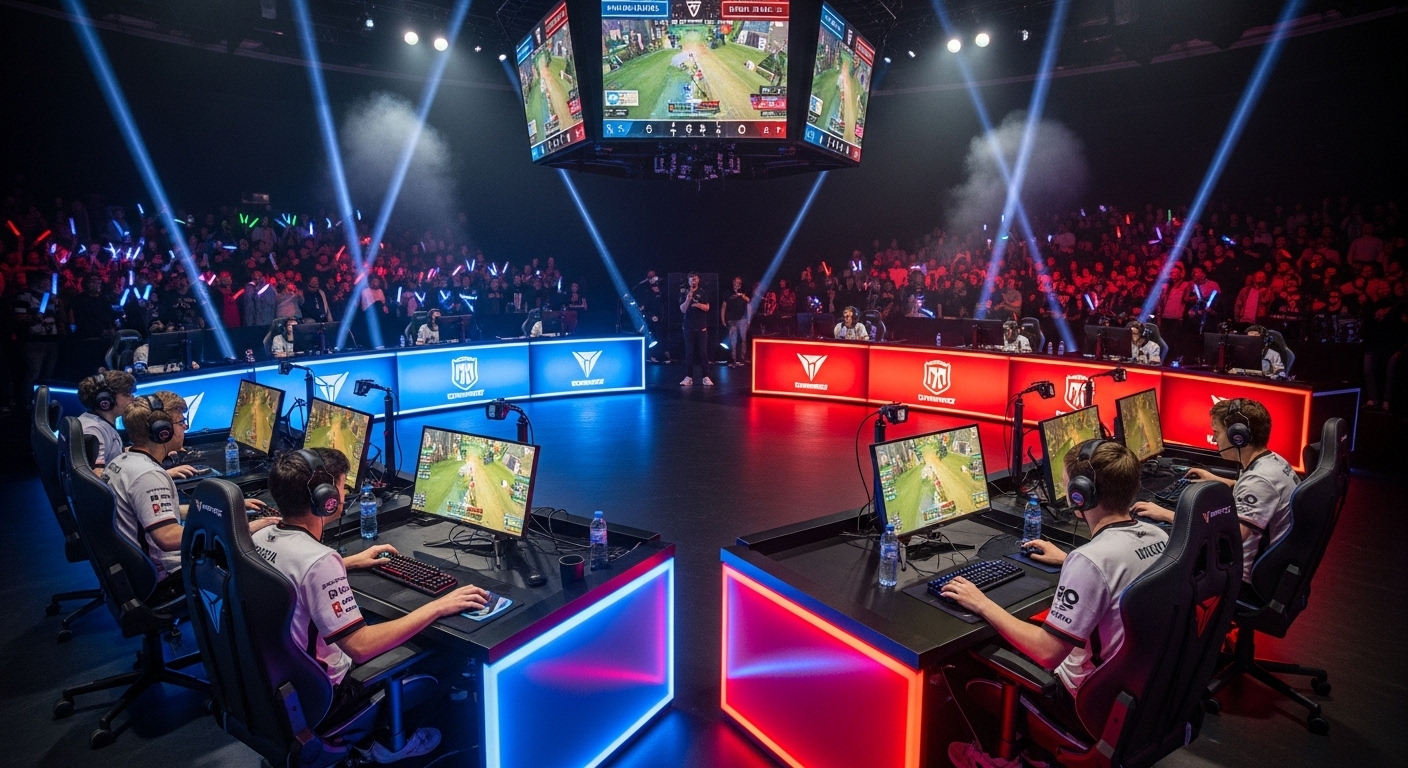
Gaming’s competitive roots trace back to the arcade era, where high scores meant bragging rights. Over time, this spirit of competition shifted to online multiplayer games like Counter-Strike, StarCraft, and League of Legends. The transition from living rooms and LAN parties to packed stadiums and virtual platforms marked the beginning of esports as we know it today.
Professional Players and Teams
Esports athletes dedicate countless hours to practice, strategy, and physical wellness. Like traditional sports stars, they sign contracts, earn salaries, and represent global organizations. Teams such as T1, FaZe Clan, and Team Liquid are household names in the gaming world, backed by both passionate fans and corporate sponsors.
Massive Tournaments and Global Viewership
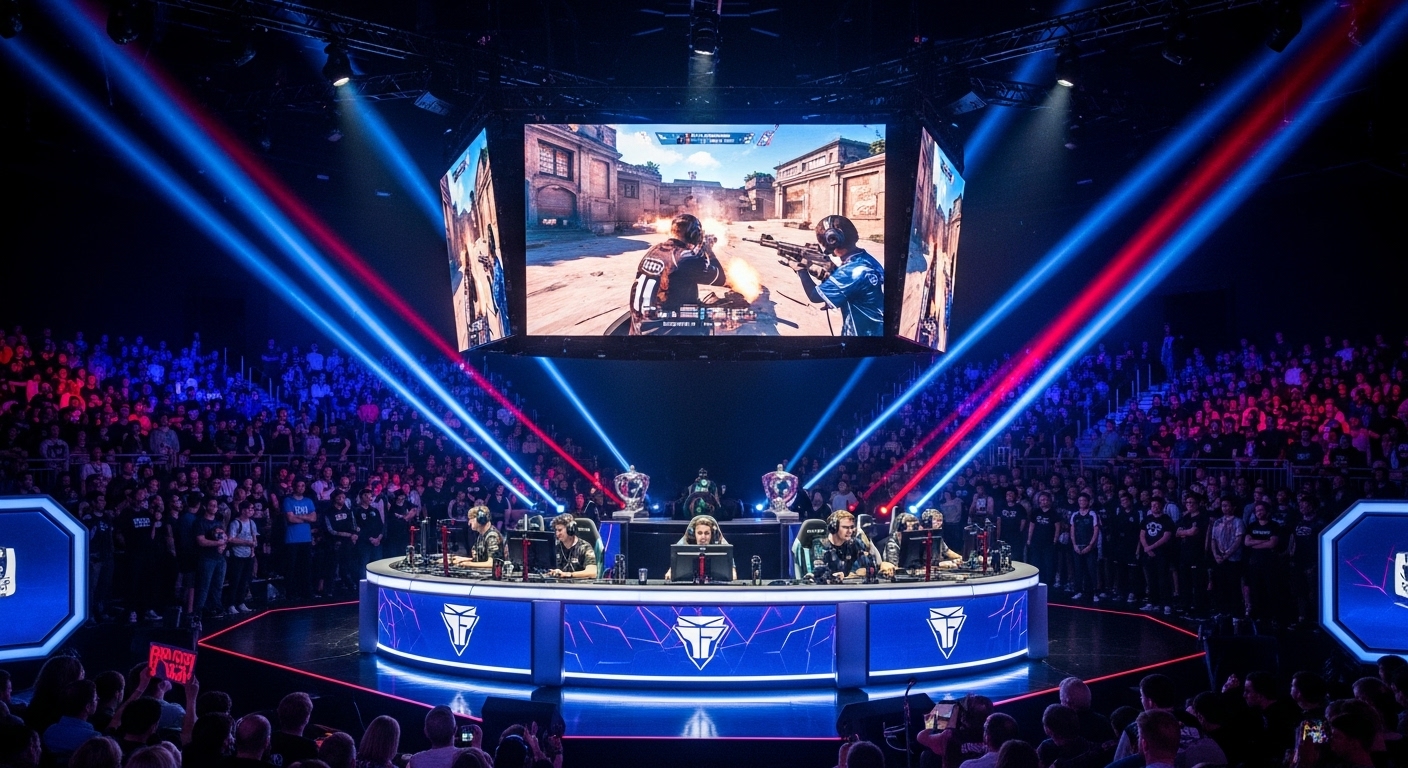
Tournaments like The International (for Dota 2) and the League of Legends World Championship attract millions of live viewers. Prize pools often reach tens of millions of dollars, rivaling or surpassing traditional sports events. These competitions are streamed live across platforms, making them accessible to a global audience hungry for high-stakes action.
The Business Behind the Screens
Esports isn’t just about playing games—it’s a complex ecosystem involving team management, broadcasting, marketing, game development, and event production. Sponsorships from major brands, advertising revenues, and merchandise sales all contribute to the billion-dollar industry. Tech giants and media companies are investing heavily, recognizing esports’ potential for future growth.
Esports in Education and Careers
Universities worldwide are offering esports scholarships and establishing official teams. Beyond playing, students are entering careers in esports journalism, coaching, analytics, and production. This integration into education signals a long-term acceptance of gaming as a viable career path.
Challenges Facing the Industry
Despite its success, esports faces several challenges. Player burnout, lack of standardized regulations, and issues of inclusivity are ongoing concerns. Moreover, the fast-changing nature of games and platforms demands constant adaptation from players and organizations alike.
The Cultural Impact of Esports
Esports has become a cultural force, influencing fashion, music, language, and social media. Streamers and pro players often have fan followings comparable to celebrities. Gaming has bridged global communities, allowing people from different backgrounds to connect through shared digital experiences.
Conclusion: The Future is Digital
Esports is no longer a future trend—it’s a present reality reshaping how we define sports, entertainment, and community. As technology continues to advance and gaming becomes more immersive, esports is poised to grow even more powerful. What started as a digital pastime is now a dominant force in global culture.