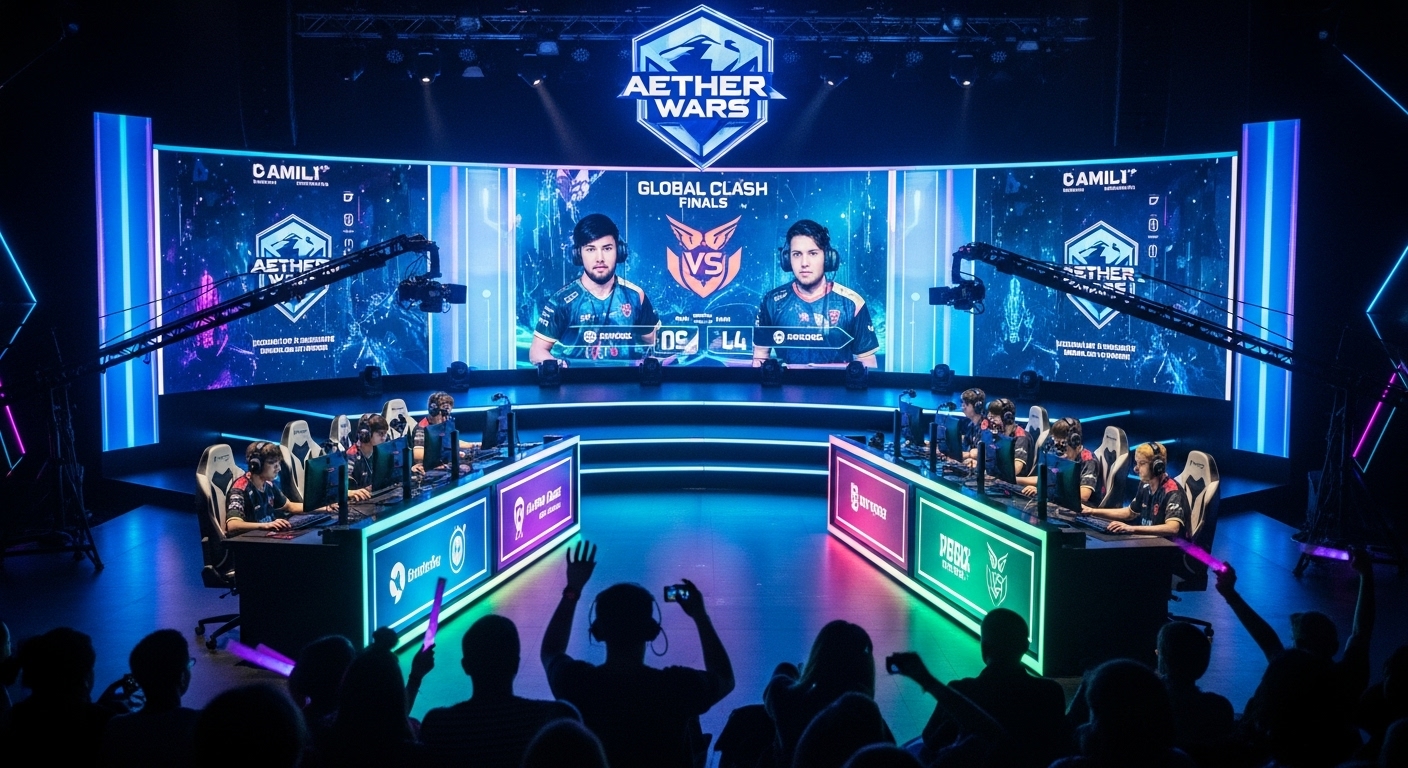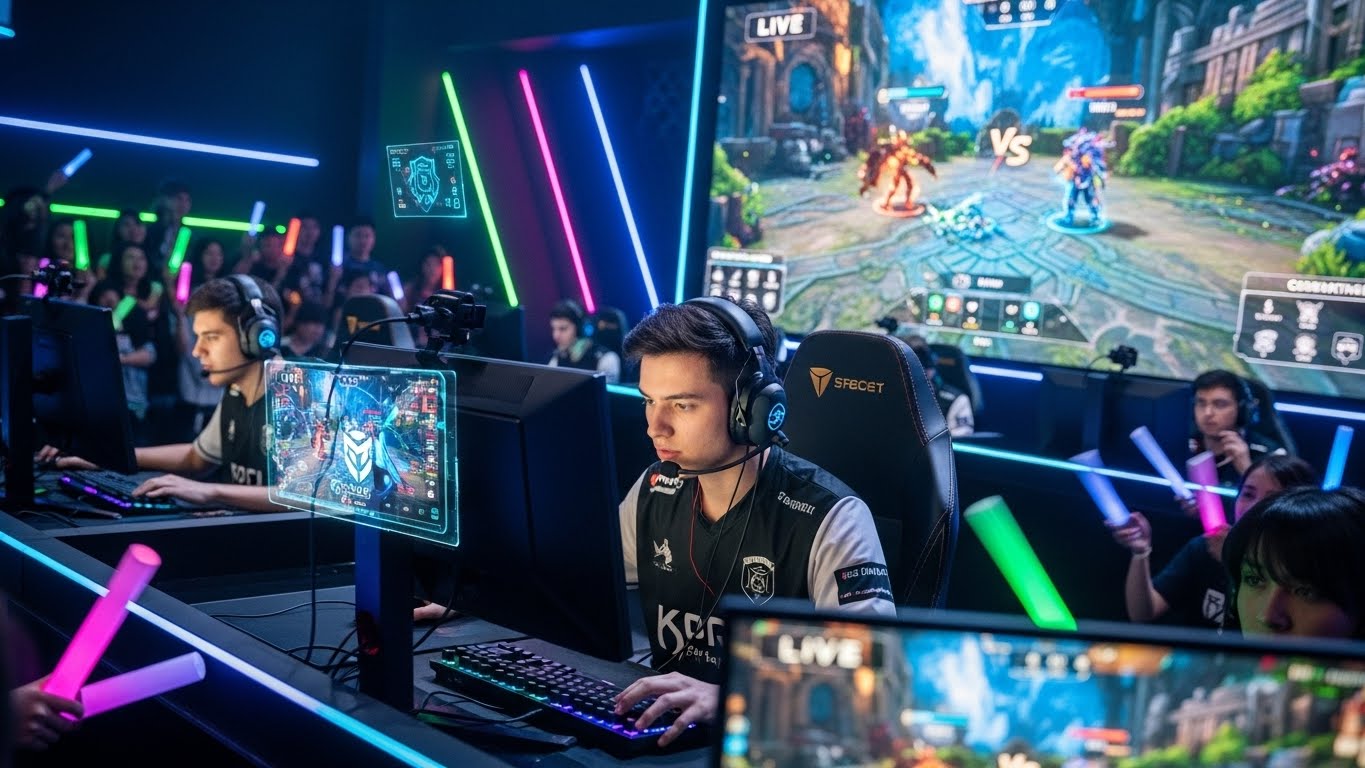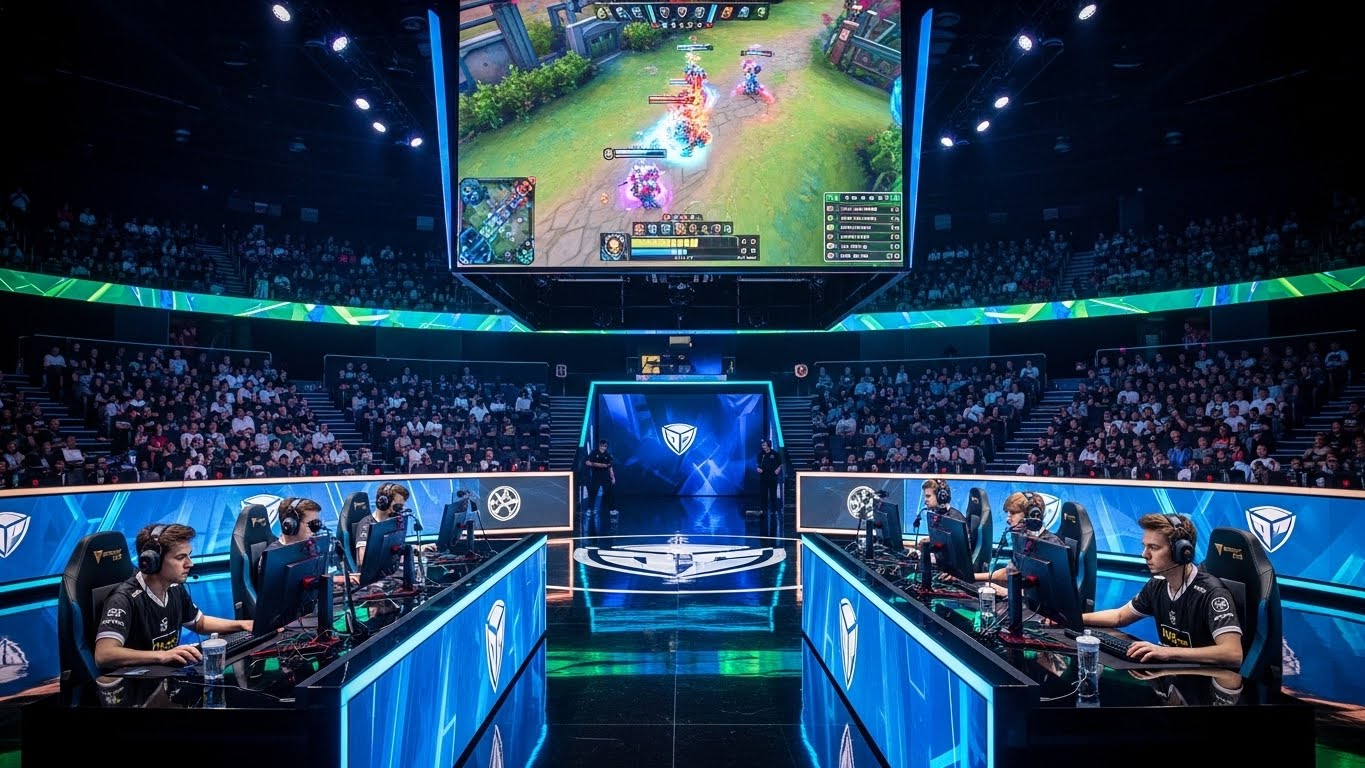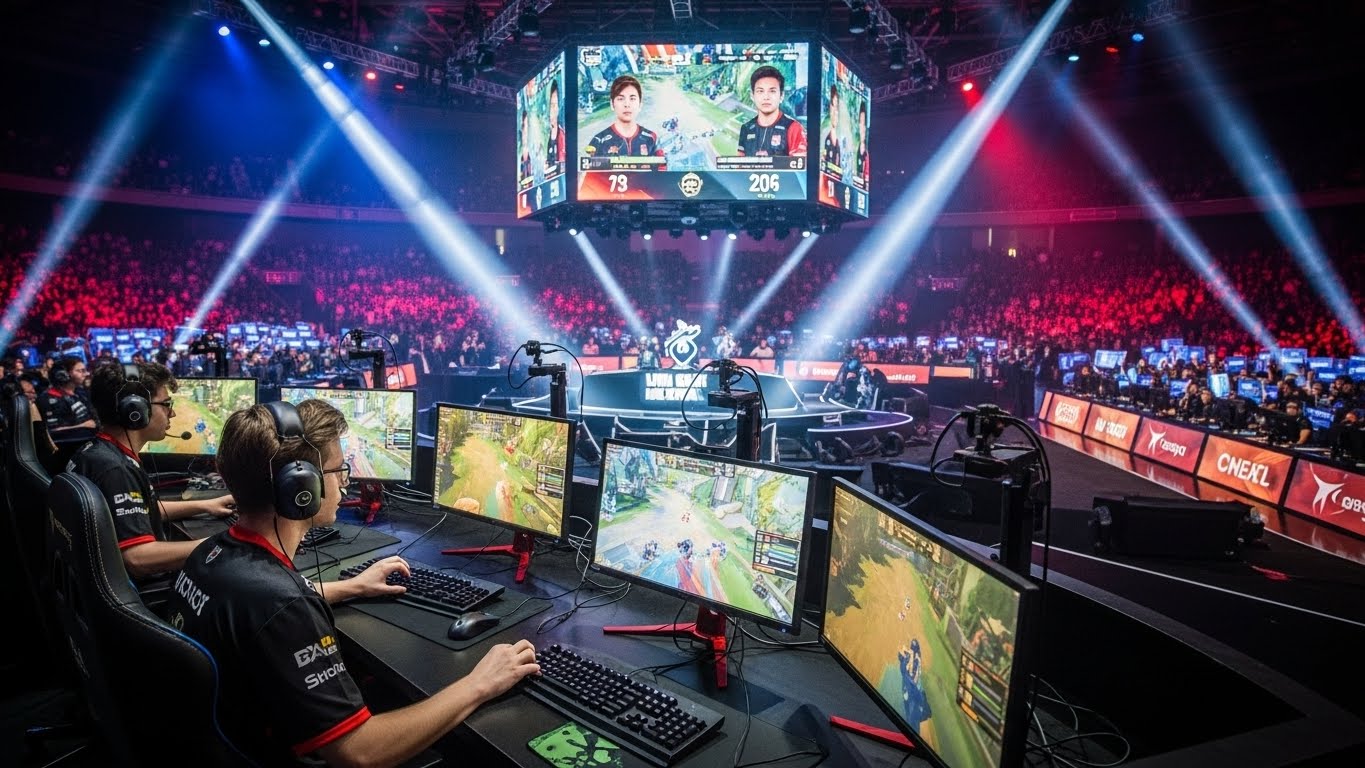
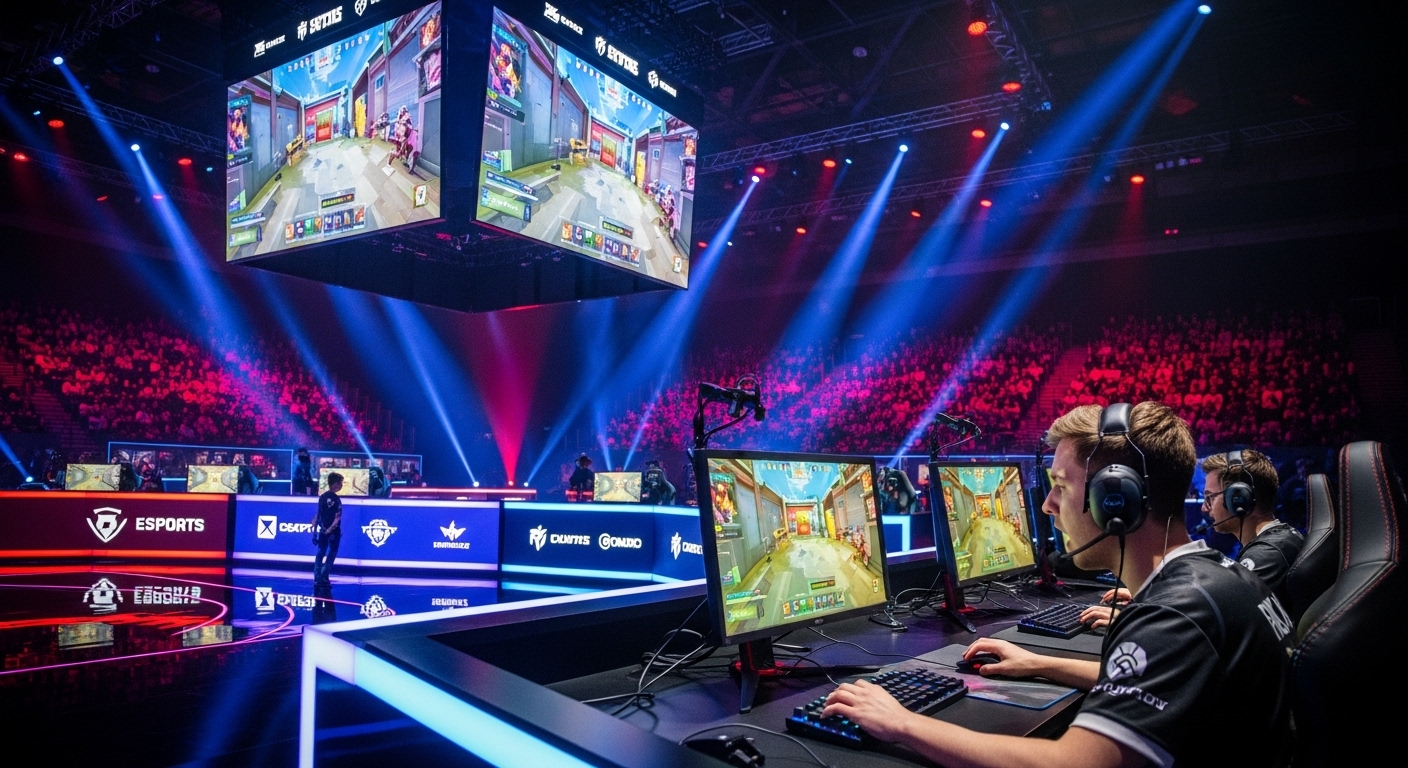
Esports has evolved into a highly competitive and fast-paced world where milliseconds can mean the difference between victory and defeat. While strategy, teamwork, and game knowledge are essential, one factor often overlooked but critically important is reaction time. In esports, reaction time refers to the speed at which a player can perceive, process, and respond to in-game stimuli. From dodging attacks in fighting games to executing precise shots in first-person shooters, reaction time can dramatically affect a player’s performance. Understanding its role, improving it, and incorporating it into training routines can give players a crucial edge over their competition.
Understanding Reaction Time in Esports
Reaction time is the interval between perceiving a stimulus and initiating a response. In traditional sports, it might be how quickly a soccer player moves to intercept a pass. In esports, it translates to how fast a player responds to in-game events, such as enemy movements, environmental changes, or timing-based challenges.
Reaction time is influenced by multiple factors, including cognitive processing speed, hand-eye coordination, muscle response, and experience. In esports, even a delay of 50 milliseconds can determine whether a shot hits or misses, a character survives an attack, or a critical objective is secured. Elite players often have reaction times faster than the average human, honed through practice, experience, and specialized training exercises.
The Role of Reaction Time in Different Game Genres
Different esports genres demand varying levels of reaction time. In first-person shooters (FPS) like Counter-Strike or Valorant, split-second aim and reflexes are vital. Players must track enemies, predict movements, and execute precise shots, often within fractions of a second.
In fighting games such as Street Fighter or Tekken, reaction time is crucial for defending, countering combos, and exploiting openings. A delay in response can lead to devastating consequences in matches where timing determines success.
Real-time strategy (RTS) games like StarCraft require rapid decision-making and multi-tasking. Players must quickly respond to enemy strategies, manage resources, and deploy units efficiently. While reaction time may not involve reflexive shooting, it directly impacts the speed and effectiveness of decisions.
Even in multiplayer online battle arena (MOBA) games like League of Legends or Dota 2, reaction time influences positioning, skill execution, and response to team fights. Players must anticipate enemy actions, coordinate with allies, and react instantly to environmental changes.
Cognitive Factors That Influence Reaction Time
Reaction time in esports is not just physical; it is highly cognitive. The brain must quickly process visual or auditory cues, analyze the situation, and send commands to the body to respond.
Several cognitive factors impact this process. Attention and focus are critical—distractions or fatigue can delay reactions. Memory also plays a role; experienced players recognize patterns and anticipate events, reducing the time it takes to react. Decision-making speed, risk assessment, and situational awareness all contribute to how effectively a player translates perception into action.
Mental training, including visualization and mindfulness exercises, can enhance cognitive processing speed. Players who maintain peak focus and awareness tend to have faster reaction times and make more accurate decisions under pressure.
Physical Factors Affecting Reaction Time
Physical factors are equally important in esports. Hand-eye coordination, fine motor control, and muscle responsiveness determine how efficiently a player executes commands. Ergonomics, posture, and the type of peripherals, such as high-quality mice, keyboards, or controllers, also influence response time.
Nutrition, hydration, and sleep significantly impact reaction time. Fatigue slows cognitive processing, reduces alertness, and increases the likelihood of mistakes. Regular physical exercise can improve overall neural efficiency and reflex speed, providing a competitive advantage.
Training to Improve Reaction Time
Professional esports players dedicate time to improving reaction time through both in-game practice and specialized exercises. Reaction drills, aim trainers, and reflex-based mini-games are common tools used to enhance reflexes.
Beyond gaming, cognitive training apps and hand-eye coordination exercises can strengthen neural pathways and improve response efficiency. Consistent practice, combined with physical health maintenance, ensures that reaction time remains sharp during critical matches.
Moreover, analyzing gameplay to identify slower response patterns allows players to target specific areas for improvement. For instance, a player may focus on faster skill execution or quicker map awareness depending on the game genre.
The Impact of Reaction Time on Competitive Success
Reaction time often separates good players from elite competitors. In high-stakes esports tournaments, even small delays can be the difference between winning and losing rounds or matches. Players with faster reaction times can dominate duels, secure objectives, and capitalize on opponents’ mistakes more effectively.
Reaction time also influences strategic flexibility. Players who respond quickly can adapt to unexpected scenarios, maintain control during chaotic moments, and execute advanced tactics. This ability to consistently act faster and more accurately often translates into higher rankings, better team performance, and tournament victories.
Technology and Tools to Measure Reaction Time
Modern technology has made it easier to measure and analyze reaction time. Software applications, gaming peripherals, and motion-capture devices allow players to track performance metrics precisely.
These tools provide insights into average response times, consistency, and accuracy under pressure. By using data-driven approaches, players can fine-tune their training, monitor progress, and identify areas that require improvement. Some professional esports teams even employ sports scientists to optimize reaction times, combining physiological and cognitive training techniques.
Reaction Time and Age Considerations
Age can influence reaction time, with younger players often having naturally faster reflexes. However, experience, strategic thinking, and practice can compensate for slight declines in reflex speed over time. Many veteran players maintain elite performance levels by leveraging anticipation, game knowledge, and positioning to reduce reliance on raw reaction speed alone.
In esports, the combination of reflexes, decision-making, and experience defines longevity and success. Players who understand their strengths and optimize training around them can remain competitive across multiple years and even decades.
Psychological Factors: Stress, Pressure, and Reaction Time
High-pressure environments, such as tournaments or championship matches, can affect reaction time. Stress and anxiety trigger physiological responses that may either enhance or hinder performance. Some players thrive under pressure, experiencing heightened focus and faster reactions, while others may struggle with delayed responses due to cognitive overload.
Mental conditioning, stress management, and pre-match routines are essential to maintaining optimal reaction time in competitive settings. Techniques such as breathing exercises, visualization, and mindfulness help players regulate their stress responses and perform consistently under pressure.
The Future of Reaction Time Optimization in Esports
As esports continues to grow, reaction time optimization will become increasingly sophisticated. Advances in neurotechnology, wearable sensors, and AI-based training tools may allow players to monitor and enhance cognitive and physical reflexes more precisely than ever before.
Additionally, research into personalized training programs tailored to an individual’s strengths, weaknesses, and physiological characteristics could revolutionize performance improvement. Reaction time may evolve from a natural talent into a trainable skill with measurable and predictable outcomes.
Conclusion: The Critical Role of Reaction Time in Esports
Reaction time is a fundamental component of esports performance, influencing every aspect of gameplay from aiming and dodging to decision-making and strategy execution. Both cognitive and physical factors contribute to how quickly a player can respond, and even small improvements can provide a competitive edge.
Elite esports players recognize the importance of training their reflexes, maintaining physical health, and developing mental resilience. By understanding and optimizing reaction time, gamers can enhance performance, elevate team success, and achieve remarkable results in competitive tournaments.
In the fast-paced world of esports, milliseconds matter—and the ability to react faster than your opponent often defines champions.