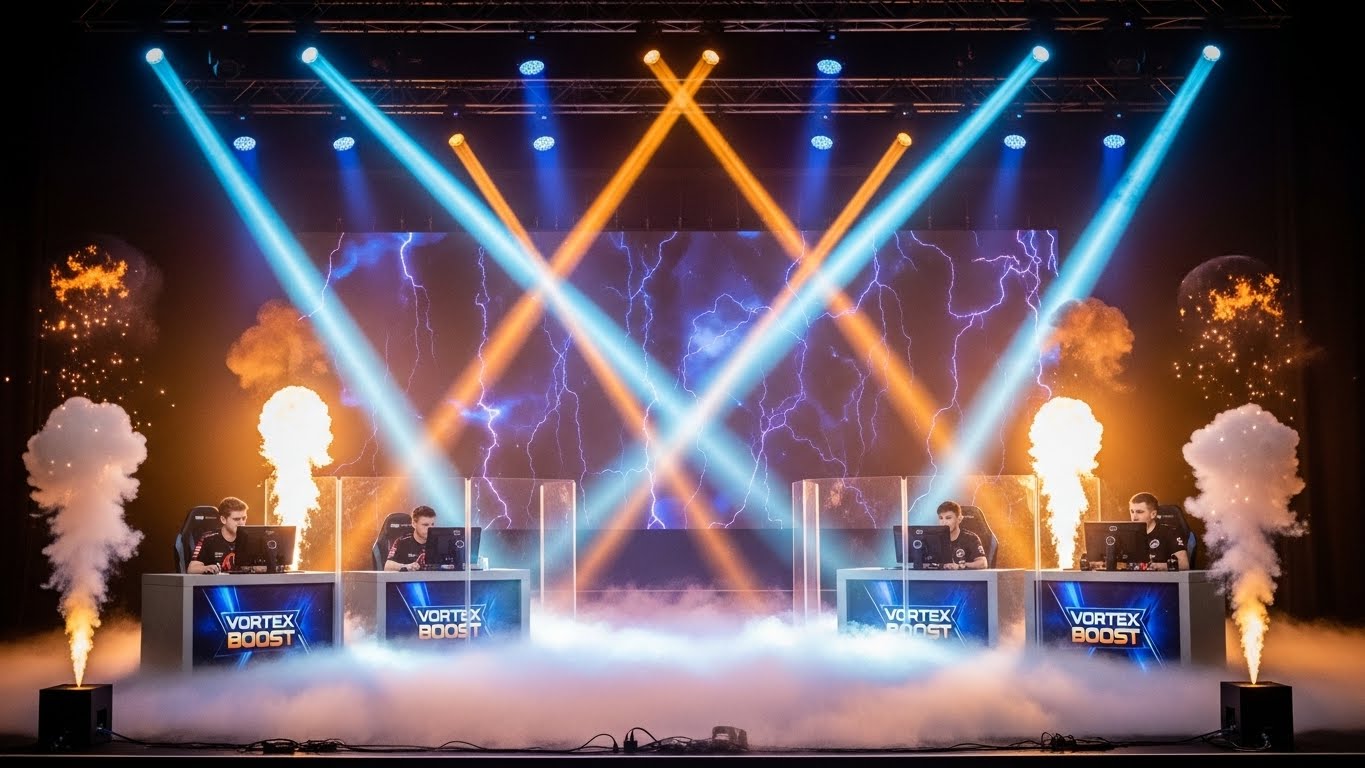
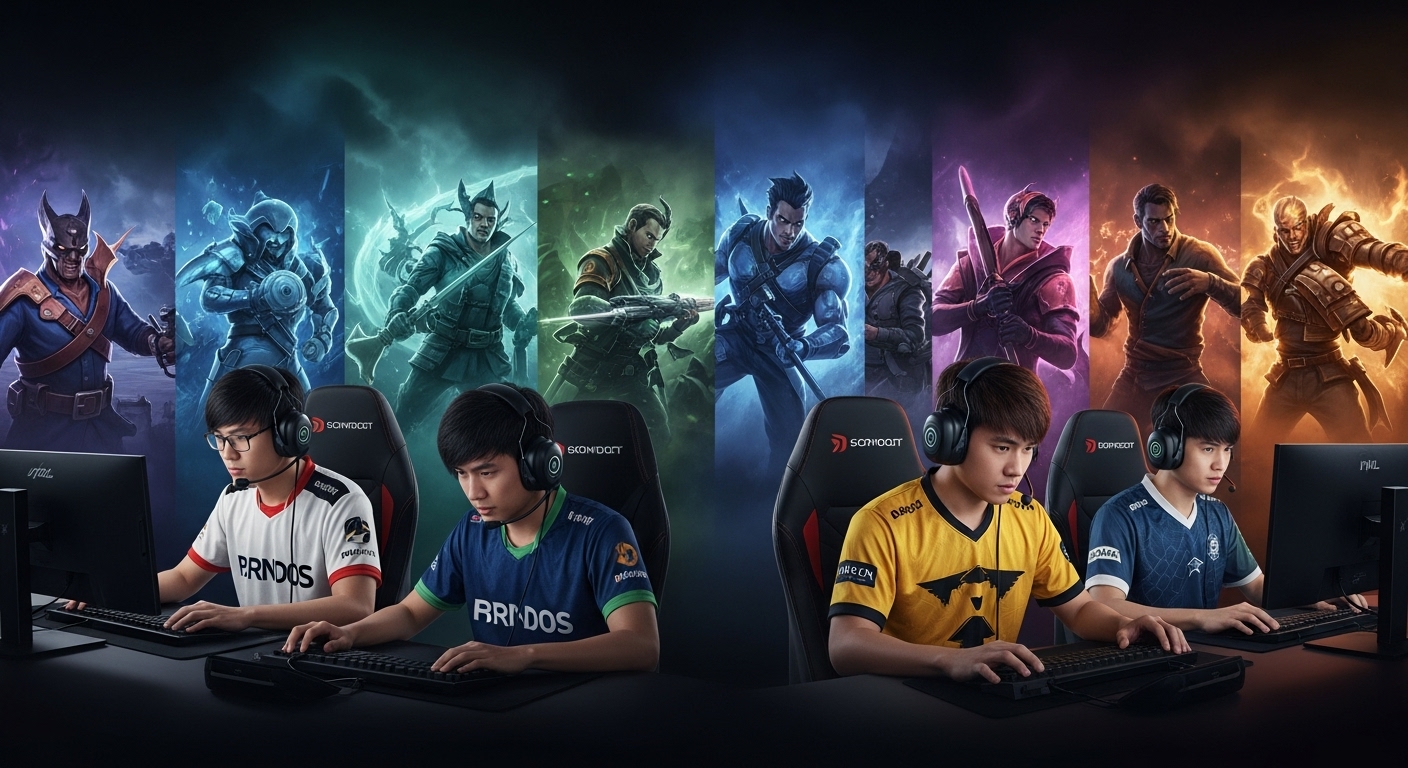
Esports, or electronic sports, is a global phenomenon that has transformed from a niche hobby to a multi-billion-dollar industry. What began as small LAN (Local Area Network) parties and online gaming tournaments has evolved into a professional sector with massive international appeal. From titles like League of Legends and Counter-Strike to Dota 2 and Fortnite, esports has garnered a vast following and even attracted major investments from traditional sports franchises and global corporations. In this blog post, we will explore the world of esports—its history, growth, cultural impact, and what the future holds for competitive gaming.
What is Esports?
At its core, esports refers to competitive video gaming, where individuals or teams compete against one another in organized tournaments or leagues, often for cash prizes, fame, and sponsorships. The competition typically revolves around specific video games that are designed for multiplayer action, strategic gameplay, and professional play. While it encompasses a variety of genres, the most popular esports titles tend to fall under categories such as first-person shooters (FPS), multiplayer online battle arenas (MOBA), real-time strategy (RTS), and battle royale games.
Unlike casual gaming, esports is about high-level competition, professional training, and live events where players demonstrate exceptional skill, coordination, and strategic thinking. Tournaments often take place in front of thousands of fans in arenas or are broadcasted online, sometimes reaching millions of viewers through streaming platforms like Twitch, YouTube, and Facebook Gaming.
The Origins of Esports
The concept of competitive gaming isn’t new. In fact, it dates back to the early 1970s when games like Spacewar! were played in a competitive setting, though the prizes were modest—usually just a certificate or a small trophy. However, it was in the 1990s, with the rise of PC gaming and the internet, that the foundation for modern esports began to take shape.
The first real step toward organized competitive gaming occurred in 1997 when the Red Annihilation tournament for Quake took place. The prize for winning this tournament was a Ferrari, which showed the potential for high-stakes competition in video games. Following this, in 1998, the CPL (Cyberathlete Professional League) was founded, which organized some of the earliest major esports tournaments for Quake and later Counter-Strike.
As broadband internet became more widely available, online multiplayer gaming exploded, paving the way for games like Warcraft III, StarCraft, and Counter-Strike, which established competitive communities and began to shape esports as we know it today. Over time, professional teams, players, and leagues began to emerge, creating the infrastructure for organized tournaments, sponsorships, and streaming.
Esports Today: A Multi-Billion Dollar Industry
As of 2023, esports has grown into a highly lucrative industry, with an estimated global revenue exceeding $1.5 billion. This figure comes from a mix of sources, including media rights, sponsorships, advertising, merchandise sales, ticketing, and streaming revenue. The exponential growth of the industry can be attributed to several factors, including the increasing mainstream acceptance of gaming, the rise of streaming platforms, and the support of large corporations.
Sponsorships and Partnerships
Sponsorship is one of the primary sources of revenue for esports. Global brands, ranging from tech companies like Intel and NVIDIA to sportswear giants like Nike and Adidas, have recognized the value of aligning with esports. Many top esports teams and players sign lucrative sponsorship deals with these companies to promote products like gaming peripherals, clothing, and energy drinks. In addition to individual sponsorships, large esports events also secure high-profile sponsors that contribute significant amounts of funding.
Traditional sports franchises have also jumped into the esports arena, with organizations like the NBA, NFL, and European soccer clubs launching their own esports teams. For example, the NBA has created the NBA 2K League, a competitive league for NBA 2K, and football teams like Manchester City and Paris Saint-Germain have invested heavily in esports teams that compete in games like FIFA.
Streaming and Digital Platforms
The rise of streaming platforms like Twitch and YouTube Gaming has had a profound impact on the esports industry. These platforms allow fans to watch live broadcasts of esports tournaments and daily gameplay, leading to an enormous online viewership base. In 2021, Twitch alone had over 30 million daily active users, many of whom tune in to watch esports competitions.
Esports tournaments are streamed live, often attracting millions of viewers. For example, the League of Legends World Championship regularly draws in over 100 million viewers globally, making it one of the largest annual sports events in terms of viewership. The ability to watch esports competitions in real-time, along with interactive elements such as live chats, has created a sense of community among fans, further fueling the industry’s growth.
Prize Pools and Player Salaries
Esports players are increasingly earning substantial amounts of money. Top-tier professional players can earn millions of dollars in prize money alone. One of the most well-known examples of high-stakes competition is Dota 2, whose International tournament has one of the largest prize pools in esports history. In 2021, the prize pool for The International reached over $40 million, with the winning team taking home over $18 million.
Aside from prize money, players also earn through sponsorships, streaming, content creation, and endorsements. Prominent esports organizations and players are signing multi-million-dollar contracts, attracting attention from not only the gaming world but also the broader sports and entertainment industries. Players such as Faker from League of Legends and Ninja from Fortnite have become household names, securing sponsorships and endorsement deals from major brands.
The Popularity of Esports Titles
There are several genres within esports, and different games appeal to different audiences. Some of the most popular and enduring esports titles include:
1. League of Legends (LoL)
League of Legends, a Multiplayer Online Battle Arena (MOBA), is one of the most popular and enduring esports games in the world. Developed by Riot Games, LoL boasts one of the largest player bases and has a massive global esports scene. The League of Legends World Championship is one of the most-watched esports events, attracting millions of viewers every year. With its complex strategy, dynamic gameplay, and team-oriented nature, LoL has become the face of competitive gaming.
2. Counter-Strike: Global Offensive (CS:GO)
Counter-Strike: Global Offensive (CS:GO) is a tactical first-person shooter (FPS) that has been the centerpiece of competitive esports for over a decade. Known for its skill-based gameplay, CS:GO has a dedicated fanbase and one of the most prestigious tournament circuits in esports. Events like the CS:GO Major Championships continue to draw large crowds and offer hefty prize pools.
3. Dota 2
Developed by Valve, Dota 2 is another MOBA that has gained immense popularity in esports. The International, Dota 2‘s annual tournament, consistently offers one of the largest prize pools in esports history, with over $40 million in 2021. The game’s deep strategic elements and high-skill ceiling make it a favorite among competitive players.
4. Fortnite
While relatively new compared to other esports titles, Fortnite has quickly established itself as a leader in the battle royale genre. Epic Games’ title has drawn attention not only for its gameplay but also for its integration of cultural events, brand collaborations, and its massive appeal among casual gamers. Fortnite tournaments feature impressive prize pools, and its World Cup event in 2019 paid out $30 million in total prizes.
5. Overwatch
Overwatch, a team-based first-person shooter developed by Blizzard Entertainment, has also made a significant impact in the world of esports. The Overwatch League (OWL) is one of the most structured esports leagues globally, with teams from cities around the world competing for championship titles. The game’s emphasis on teamwork, diverse characters, and strategies has made it a favorite among fans.
Esports and Its Cultural Impact
Esports has had a profound cultural impact, both within and outside of the gaming community. Here are a few key ways that esports has influenced culture:
1. Esports as a Career
For many young people, esports offers a legitimate career path. Professional gamers, analysts, coaches, broadcasters, and tournament organizers now have full-time roles in the industry. This has led to the growth of esports-related degrees and academic programs at universities, where students can learn about game design, esports management, and other related fields.
The rise of esports has also created new opportunities for content creators and streamers, who can build large audiences and earn income through sponsorships, donations, and ad revenue. Many top players have become influencers, bridging the gap between competitive gaming and traditional entertainment.
2. Mainstream Acceptance
Esports has gained acceptance from mainstream media and sports organizations. Major television networks and streaming platforms now broadcast esports tournaments, reaching audiences who may not traditionally be interested in gaming. Furthermore, professional sports leagues have partnered with esports organizations, recognizing the growing overlap between traditional sports and esports fans.
The inclusion of esports in events like the Asian Games and discussions about esports becoming an Olympic event further solidify its place in mainstream culture. Governments and private investors are also increasingly interested in funding esports infrastructure, leading to the development of esports arenas, training facilities, and leagues.
3. Diversity and Inclusivity
Esports has become an arena for diverse and inclusive representation. Unlike traditional sports, which have long been dominated by physicality, esports allows players of all backgrounds, genders, and abilities to compete on an equal footing. Many organizations are actively working to make esports more inclusive, with initiatives designed to encourage women, minorities, and people from underrepresented communities to join the competitive scene.
The Future of Esports
As esports continues to grow, it will undoubtedly face new challenges and opportunities. The future of esports will likely involve technological advancements, changes in player behavior, and the increasing importance of monetization models.
1. Virtual and Augmented Reality (VR/AR)
The next frontier for esports could lie in virtual and augmented reality. VR gaming, in particular, has already begun to take root in some competitive games, offering players an immersive experience that takes competitive gaming to the next level. As VR and AR technology improves, it’s likely that esports will incorporate these technologies into future competitions, offering a new layer of interactivity for players and spectators alike.
2. Mobile Gaming
Mobile esports is another rapidly growing sector. Games like PUBG Mobile and Clash Royale have established mobile gaming as a serious competitive endeavor, especially in regions like Southeast Asia and India. The widespread availability of smartphones means that esports is no longer restricted to PC gamers, and mobile tournaments will likely become more prominent in the future.
3. Continued Investment and Global Expansion
Esports will continue to attract significant investment from both traditional and tech sectors. As the global fanbase grows, companies will continue to invest in events, teams, and platforms. Additionally, esports will become more global, with more international tournaments and localized leagues taking place across different regions.
Conclusion
Esports is no longer just a hobby for a select few; it’s a booming industry that is changing the landscape of entertainment. From humble beginnings to multi-billion-dollar tournaments, esports has proven that it is here to stay. With dedicated fans, professional players, and massive global tournaments, the world of competitive gaming has grown into a cultural phenomenon that will continue to thrive in the coming years. As technology evolves and the gaming community grows, esports’ influence on entertainment, sports, and even society as a whole will only increase, making it one of the most exciting industries to watch.