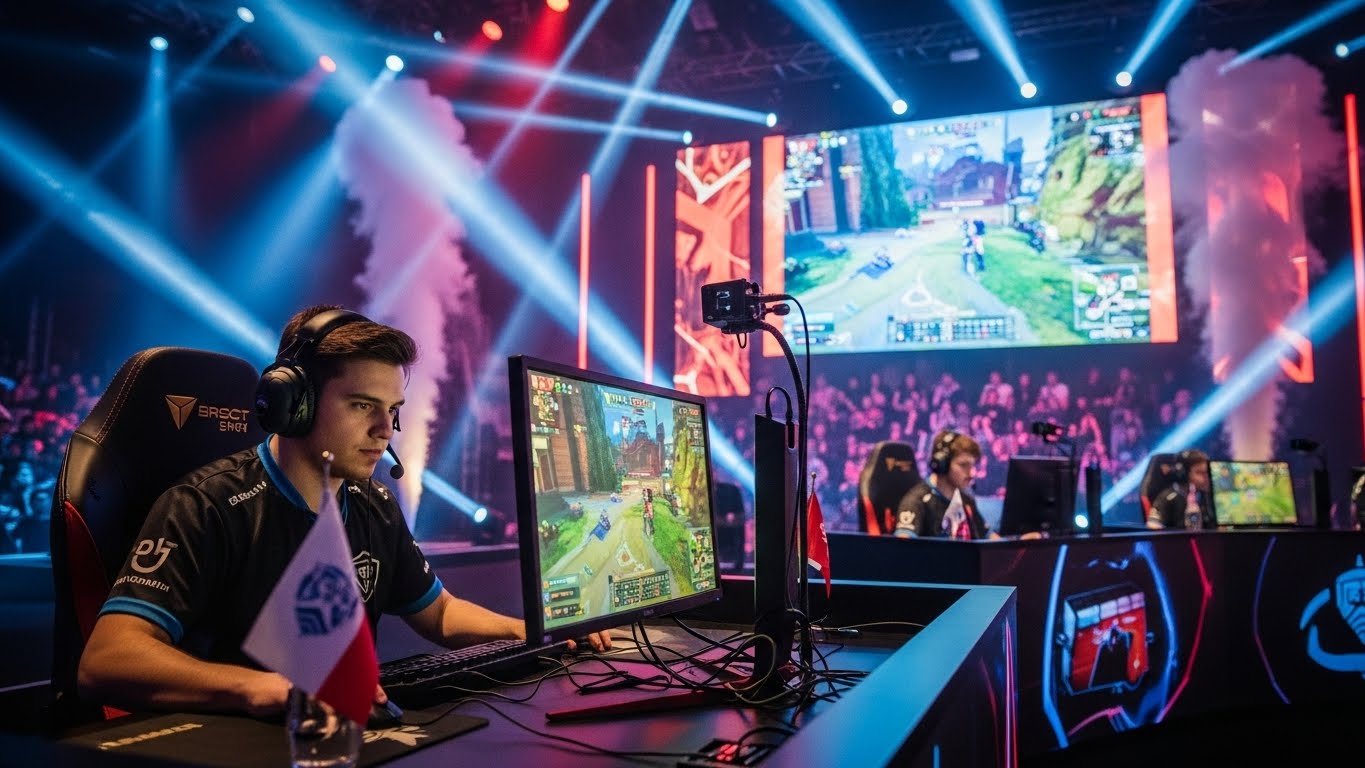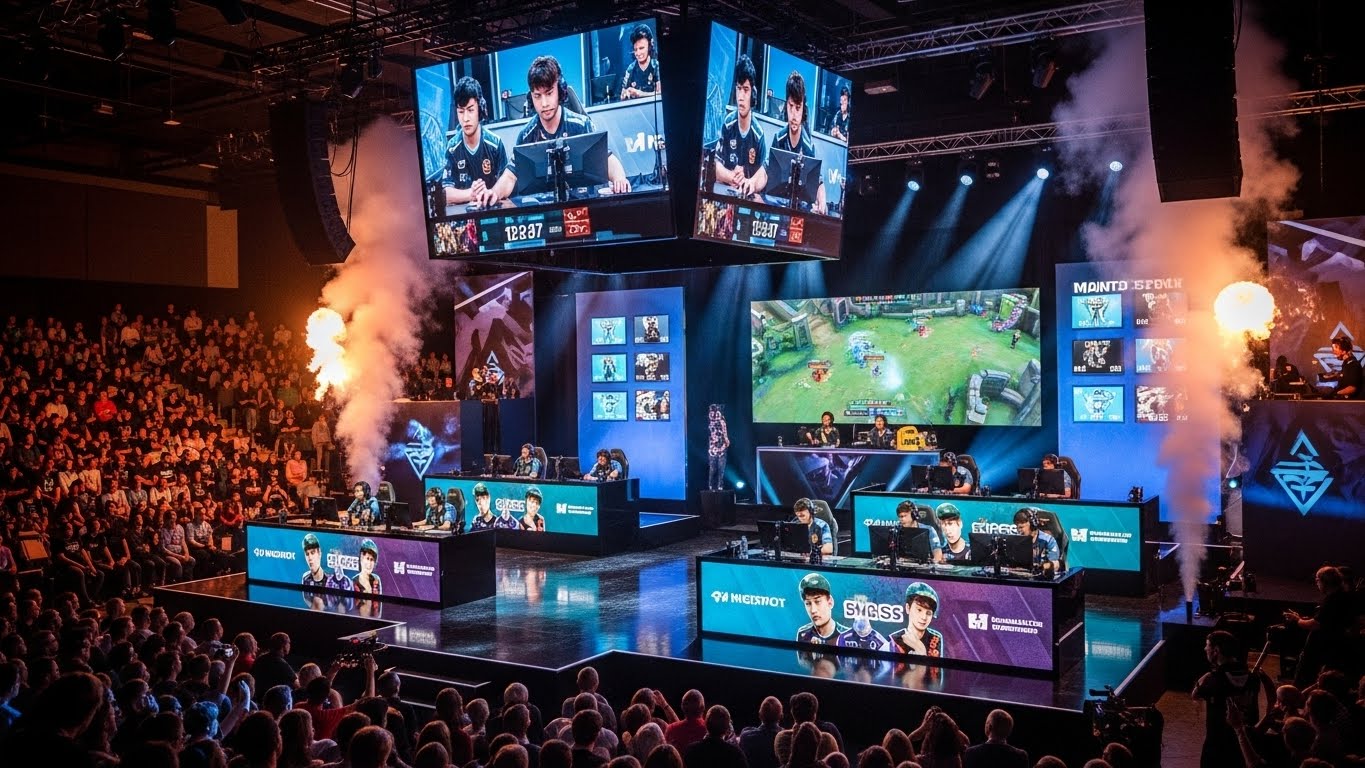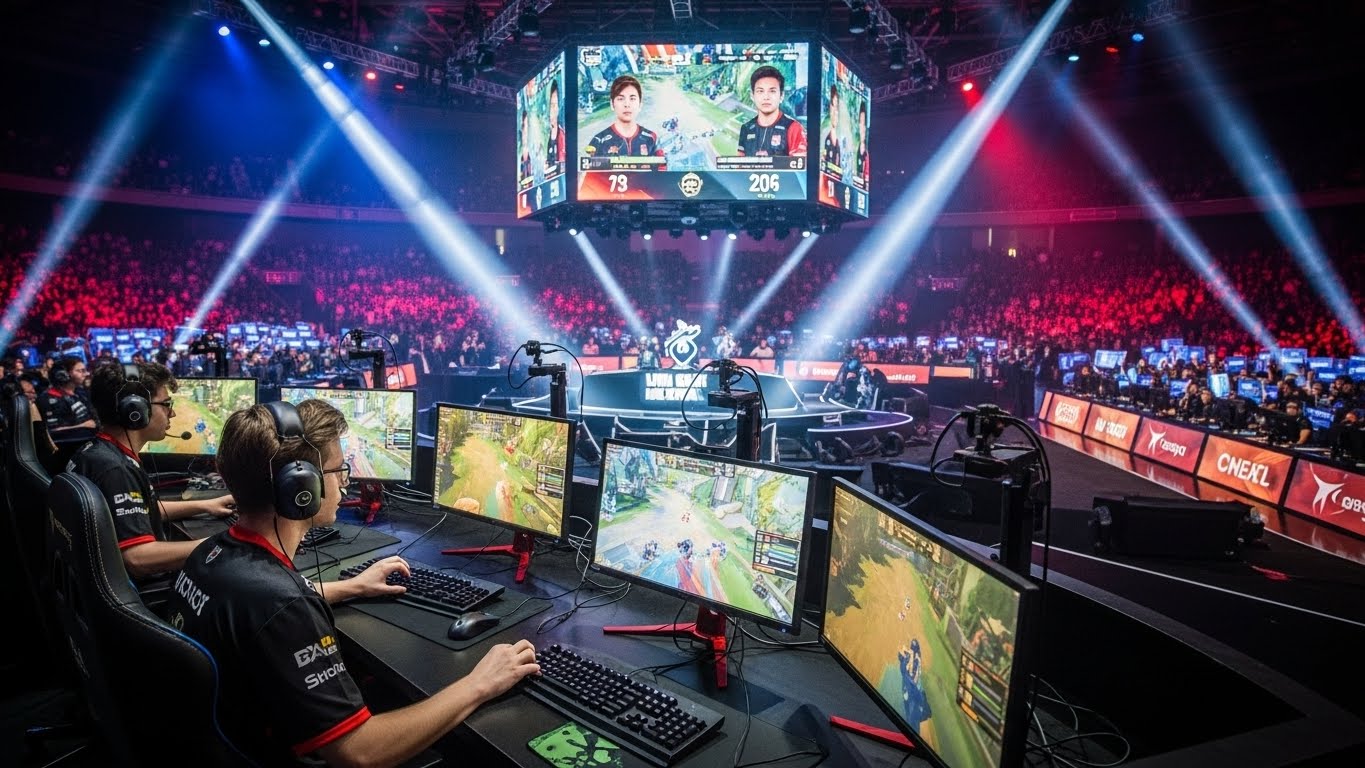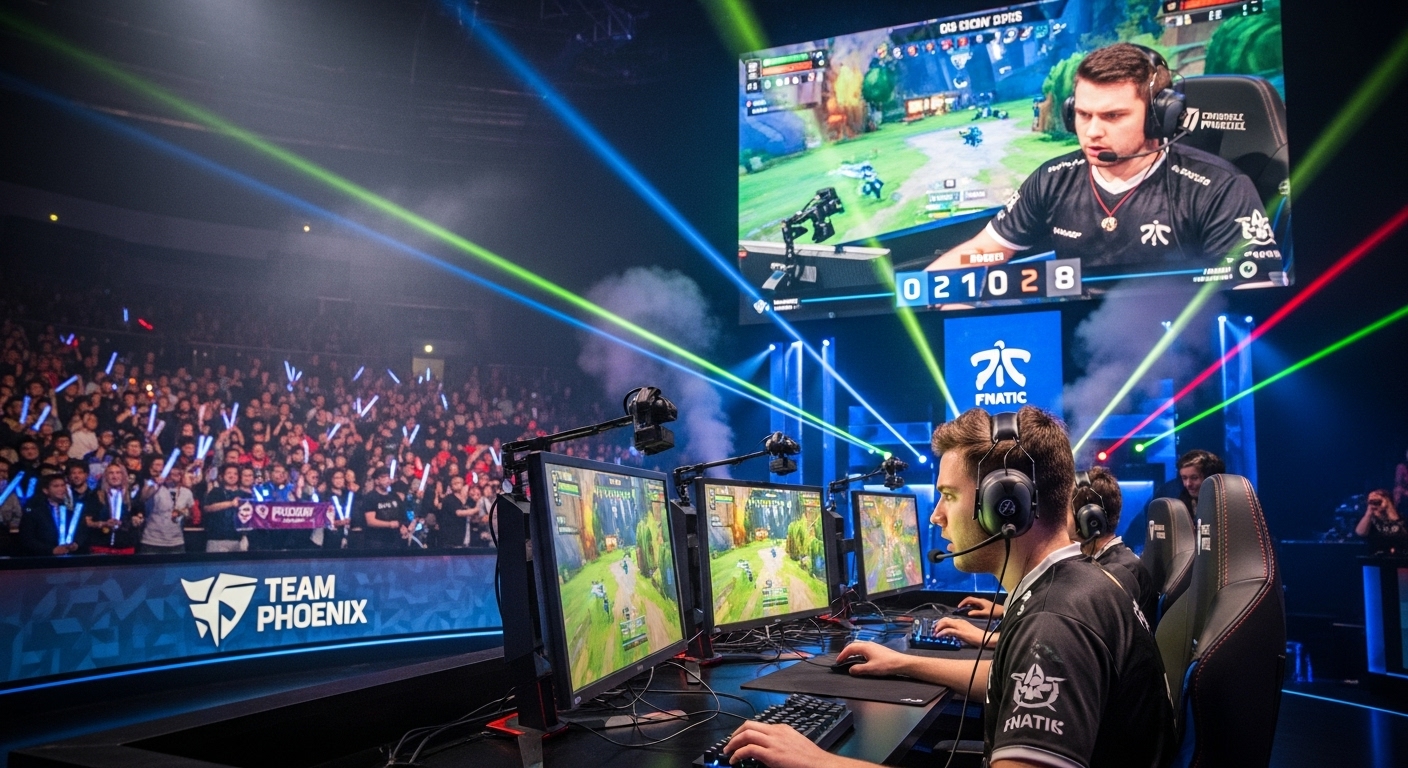


Esports tournaments have come a long way from being small, community-run events in crowded internet cafés to becoming massive global spectacles watched by millions. The journey of competitive gaming has been shaped not just by the players and games but also by the innovations that make tournaments smoother, fairer, and more engaging.
Hosting an esports tournament today involves cutting-edge technology, creative production, and fan-centered experiences that rival traditional sports events. From virtual arenas to AI-powered analytics, organizers are constantly pushing the boundaries of what’s possible.
In this blog, we’ll explore the best innovations in tournament hosting that have transformed esports into one of the most dynamic and futuristic entertainment industries in the world.
The Rise of Digital Tournament Infrastructure
One of the most revolutionary innovations in esports hosting is the digital infrastructure that supports global participation. Modern tournaments are no longer confined to physical venues—players from different countries can now compete seamlessly through cloud-based platforms.
These infrastructures include advanced online matchmaking systems, automated brackets, and real-time game integration. They ensure fair play, reduce latency, and allow smooth scheduling for teams across time zones.
Platforms like Battlefy, Toornament, and FACEIT have introduced automated tools for registration, score tracking, and result validation, making tournament organization efficient and accessible. This digital foundation is what allows even amateur tournaments to feel as polished as professional ones.
Hybrid Events: The Best of Both Worlds
Hybrid tournaments—events that combine physical venues with online participation—represent one of the most practical and creative innovations in hosting. These setups became especially popular after the global pandemic when travel restrictions challenged traditional event formats.
In a hybrid model, some teams play in a physical arena while others compete remotely through secure connections. Spectators can attend in person or watch from anywhere in the world. This flexibility increases participation and accessibility without compromising competitive integrity.
Moreover, hybrid tournaments have encouraged organizers to invest in more robust streaming setups, better camera angles, and synchronized broadcast tools to make the virtual experience as immersive as being at the venue.
Cloud Gaming and Low-Latency Servers
Latency has always been a critical challenge in online tournaments. The introduction of cloud gaming platforms and advanced low-latency servers has significantly reduced input lag, ensuring fairer matches for players across regions.
Cloud servers dynamically distribute processing power and network traffic, providing consistent performance even under heavy loads. Companies now invest in dedicated esports server networks that guarantee minimal ping for global participants.
This technological leap allows tournaments to run with near-zero delay, even when players are separated by thousands of miles—a feat that was once thought impossible.
Virtual Arenas and Augmented Reality Stages
Few innovations have captured fans’ imaginations like virtual and augmented reality (AR) in tournament hosting. Organizers now use AR and mixed-reality stages to blend the digital and physical worlds in spectacular ways.
For example, during live events, virtual effects such as holographic characters, animated environments, or 3D statistics appear around players on stage. These elements enhance storytelling and excitement, giving fans a cinematic experience that traditional sports rarely achieve.
Virtual arenas also allow complete customization. Tournaments can design digital stages inspired by in-game maps or themes, creating a seamless connection between the gameplay and the broadcast environment. This visual innovation not only impresses audiences but also builds brand identity for each event.
Immersive Fan Engagement Experiences
Audience engagement has become a major focus of esports tournaments. Today’s fans want to do more than just watch—they want to participate, predict, and connect.
Tournament hosts are leveraging interactive broadcast tools that allow viewers to vote on MVPs, predict match outcomes, or switch between camera angles. Some events even integrate real-time chat polls and live reaction overlays that appear on the main broadcast feed.
Mobile apps and companion platforms also enhance fan interaction by offering exclusive content, behind-the-scenes footage, and player interviews. These innovations make fans feel like they’re part of the event, not just spectators.
Advanced Production and Broadcasting Technologies
Esports broadcasting has evolved into an art form of its own. Modern tournament productions utilize high-definition cameras, real-time overlays, instant replays, and cinematic camera movements to create professional-grade coverage.
Production teams now use automation tools to switch perspectives, track player reactions, and display data analytics dynamically on-screen. This makes broadcasts smoother and more informative, keeping viewers engaged throughout the event.
Additionally, innovations in sound design, lighting, and stage choreography enhance the overall atmosphere. Every kill, clutch, or victory moment is synchronized with visual and audio effects that elevate excitement to new heights.
AI-Powered Data and Predictive Analytics
Artificial intelligence is changing how tournaments are analyzed and presented. AI systems can now process in-game data instantly, offering real-time insights that commentators and viewers can use to understand strategies and performance.
For example, AI analytics tools can display player heatmaps, weapon accuracy, team rotations, and win probabilities live during matches. This not only enriches the viewer experience but also helps teams and analysts identify trends and opportunities mid-tournament.
Predictive analytics, powered by machine learning, also allows organizers to forecast audience engagement, match outcomes, and even network performance, helping them plan more effectively for future events.
Streamlined Scheduling and Automation
Tournament logistics used to be a nightmare—scheduling matches, managing delays, and coordinating across teams and regions were often prone to error. Today, automation has transformed that process.
Modern tournament management software automatically updates brackets, schedules matches based on availability, and sends reminders to players and staff. AI-driven systems even optimize schedules to avoid overlap and minimize player fatigue.
For viewers, this means fewer delays and smoother transitions between games. For organizers, it means reduced administrative load and fewer mistakes during live broadcasts.
Blockchain and Secure Prize Distribution
One of the most groundbreaking innovations in tournament hosting is the integration of blockchain technology. It provides transparent, secure systems for handling prize pools, player verification, and match results.
Blockchain can record match data immutably, preventing disputes or fraudulent activities. It also allows instant, tamper-proof prize payments in digital currency, eliminating the need for intermediaries.
This innovation has built greater trust between players, organizers, and sponsors, ensuring that every competition remains fair and transparent.
Sustainable Tournament Hosting
As esports grows, so does its environmental footprint. The industry is now embracing sustainability-focused innovations to reduce energy consumption and waste during tournaments.
Organizers are using renewable energy sources for venues, minimizing plastic waste, and opting for digital ticketing systems. Some events even feature eco-friendly stage materials and energy-efficient lighting setups.
Additionally, hybrid and online tournaments reduce travel emissions, making competitive gaming one of the more sustainable forms of large-scale entertainment today.
Mobile Esports Hosting Innovations
Mobile gaming has exploded in popularity, and with it, mobile esports tournaments have become global phenomena. Hosting such events requires unique innovations tailored to mobile platforms.
Cloud-based casting tools, cross-device synchronization, and mobile-friendly spectator modes are making mobile tournaments as exciting as PC or console ones. Organizers also design specialized LAN setups with charging docks and device coolers to ensure stable performance.
These adjustments have allowed mobile esports—such as PUBG Mobile, Mobile Legends, and Free Fire—to reach massive audiences with professional-grade hosting standards.
Integration of Player Health and Wellness Programs
Tournaments today recognize that player performance depends on both mental and physical well-being. Innovative hosting practices now include wellness programs to help pros perform their best under pressure.
Organizers provide on-site physiotherapists, relaxation rooms, and mental health counselors. Break schedules are optimized to prevent fatigue, and players are encouraged to stretch or hydrate between matches.
These wellness-oriented innovations not only enhance performance but also set new standards for professionalism and player care in esports.
AI Refereeing and Fair Play Systems
To maintain integrity and fairness, tournament hosts are experimenting with AI refereeing systems that can automatically detect suspicious gameplay or cheating in real time.
These systems analyze player inputs, reaction speeds, and behavioral patterns to flag anomalies. This helps reduce human error in officiating and ensures a level playing field for all competitors.
Automated rule enforcement tools also streamline dispute resolution, allowing faster verdicts and fewer interruptions during tournaments.
Virtual Ticketing and Digital Fan Rewards
Another innovation changing the esports experience is virtual ticketing. Fans who can’t attend events physically can purchase digital passes that unlock exclusive content, such as player meet-and-greets, behind-the-scenes tours, or limited-edition digital collectibles.
Virtual ticket holders often receive loyalty points or digital merchandise, enhancing their sense of participation. This system creates new revenue streams for organizers while giving fans more ways to support their favorite teams.
Community-Driven Tournament Formats
The rise of community tournaments powered by crowdfunding and fan votes represents another major innovation in hosting. Fans can now directly influence which games, players, or teams appear in events by voting online or contributing to prize pools.
This community engagement builds stronger connections between audiences and organizers. It also democratizes tournament hosting, allowing passionate communities to bring niche or indie titles into the competitive spotlight.
The Future: Fully Immersive Esports Worlds
Looking ahead, the future of tournament hosting is set to become even more immersive. Imagine virtual worlds where fans can walk around digital arenas, chat with other viewers, and watch matches in 3D holographic form.
Advancements in metaverse platforms and spatial computing will likely make such experiences possible. Players and fans may soon share the same virtual space, blurring the line between spectator and participant entirely.
These innovations will continue to redefine what it means to host a tournament—not just as an event but as a living, interactive experience.
Conclusion
The evolution of esports tournament hosting is a story of creativity, technology, and community. Each innovation—from virtual arenas and AI analytics to blockchain security and hybrid formats—has brought competitive gaming closer to perfection.
These advancements have made tournaments more accessible, immersive, and fair, benefiting players, organizers, and fans alike. As technology continues to evolve, the boundaries of what an esports tournament can be will expand even further.
The best innovations in tournament hosting are not just about better tools or systems—they’re about reimagining how people connect through competition. In the years to come, esports tournaments will continue to inspire millions worldwide, proving that the future of entertainment is not only digital but deeply human at its core.