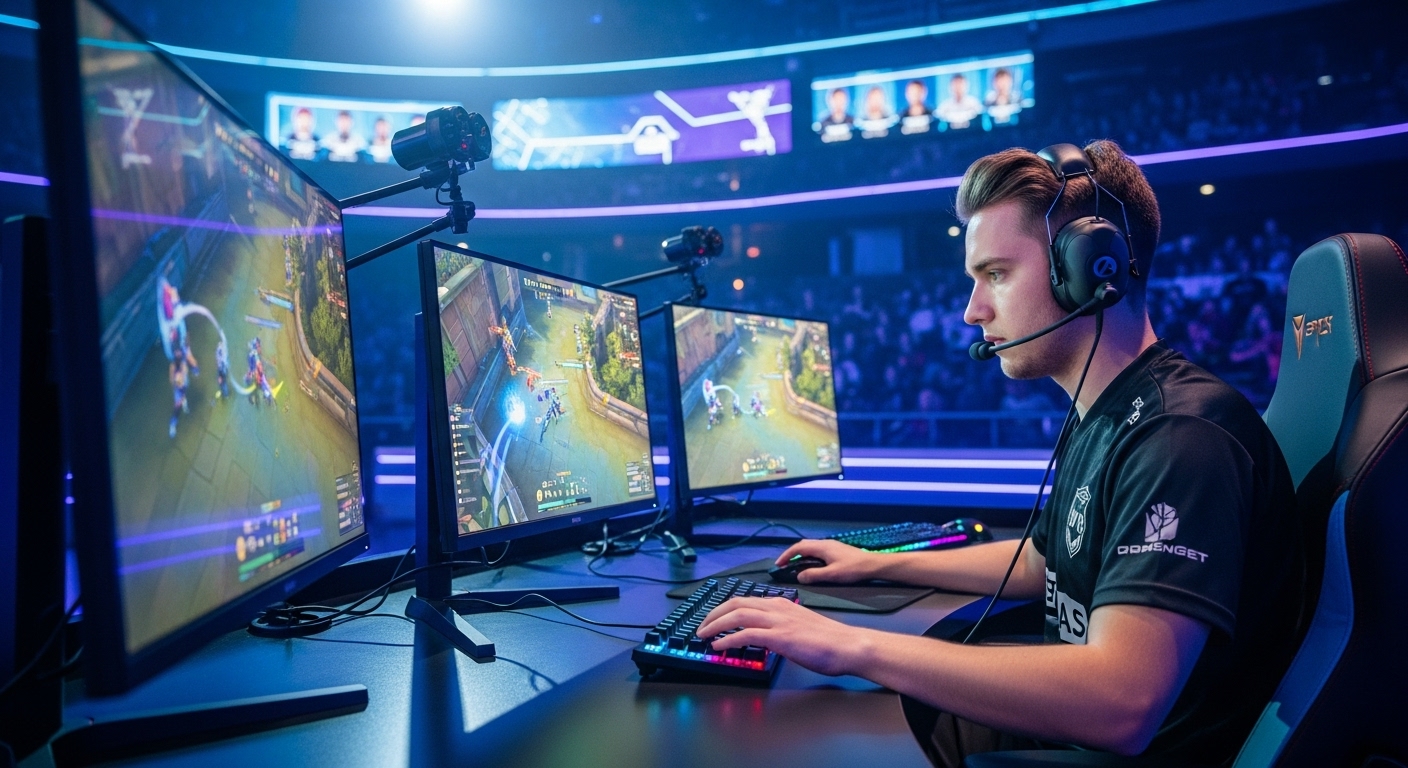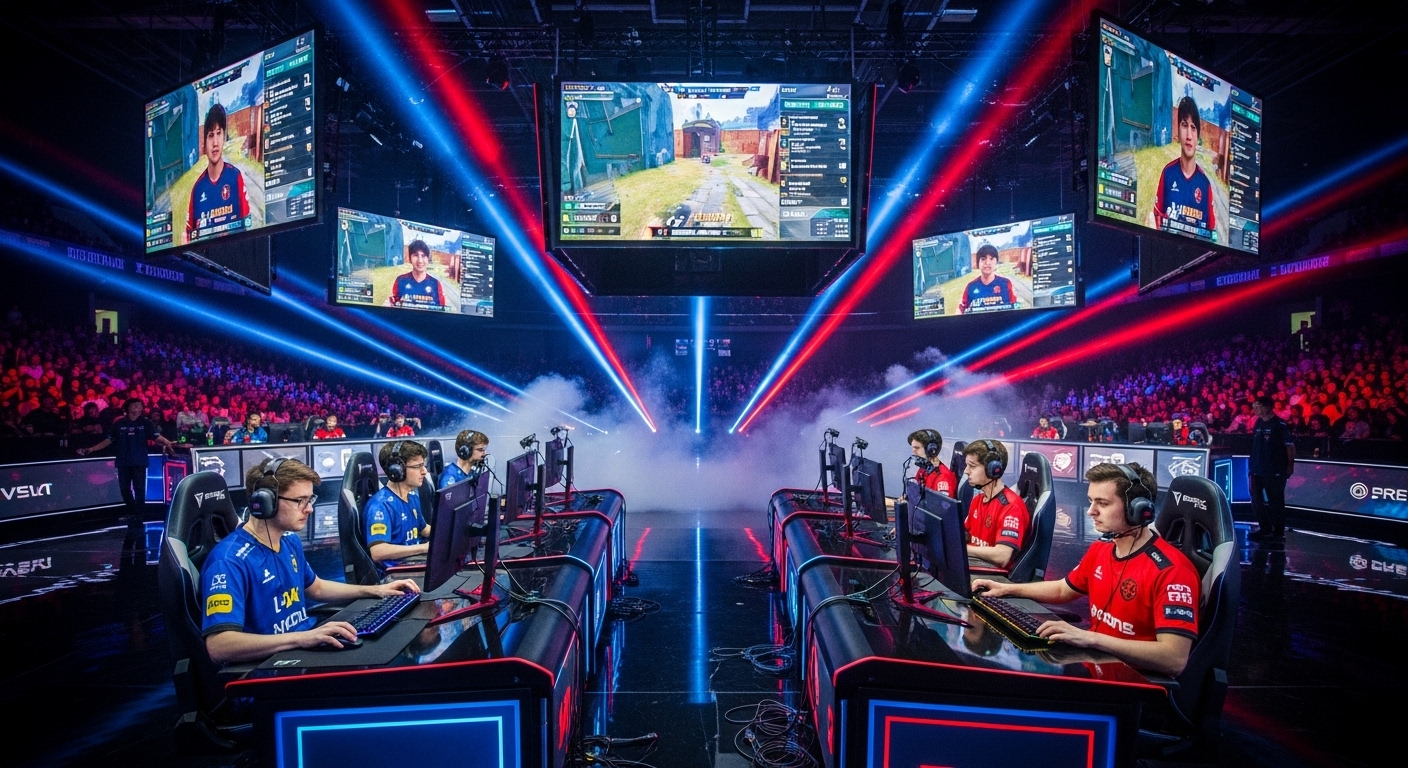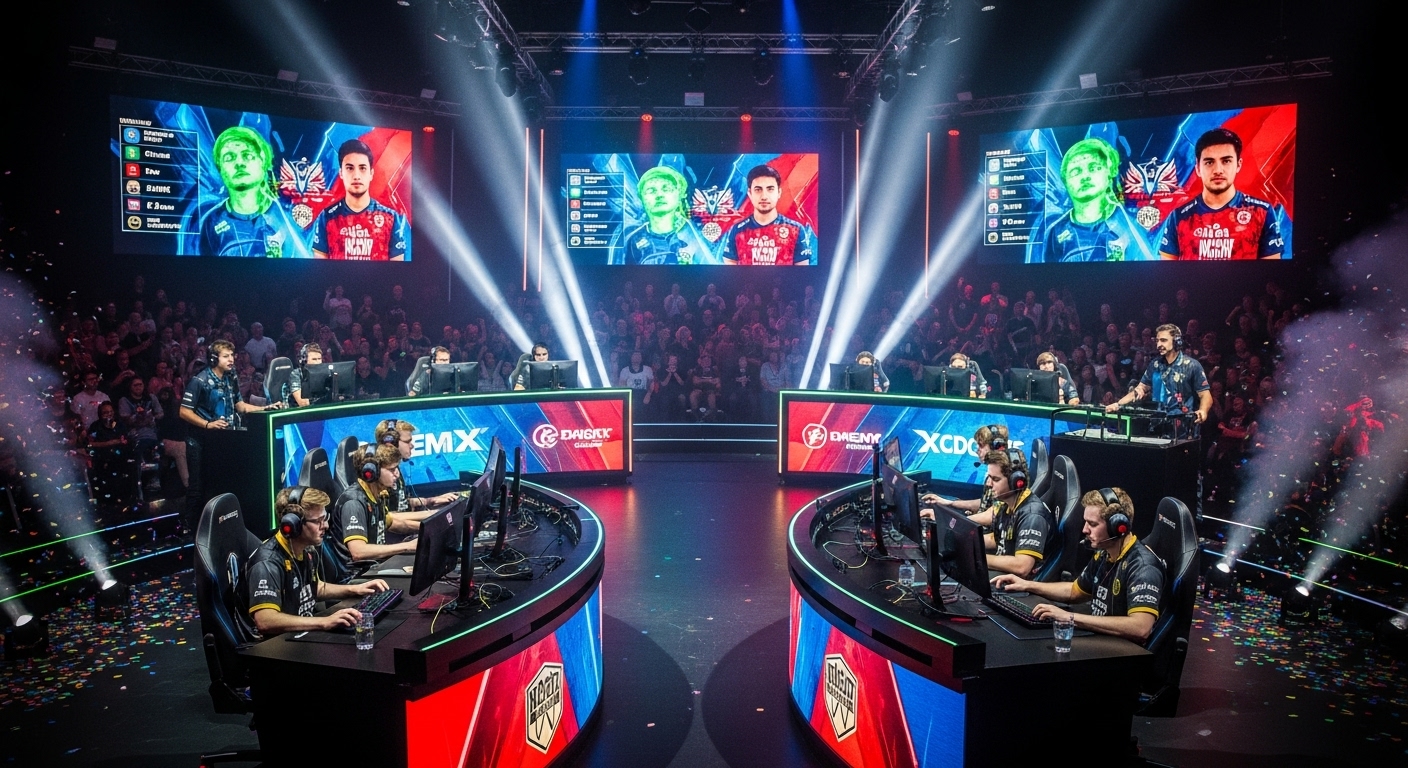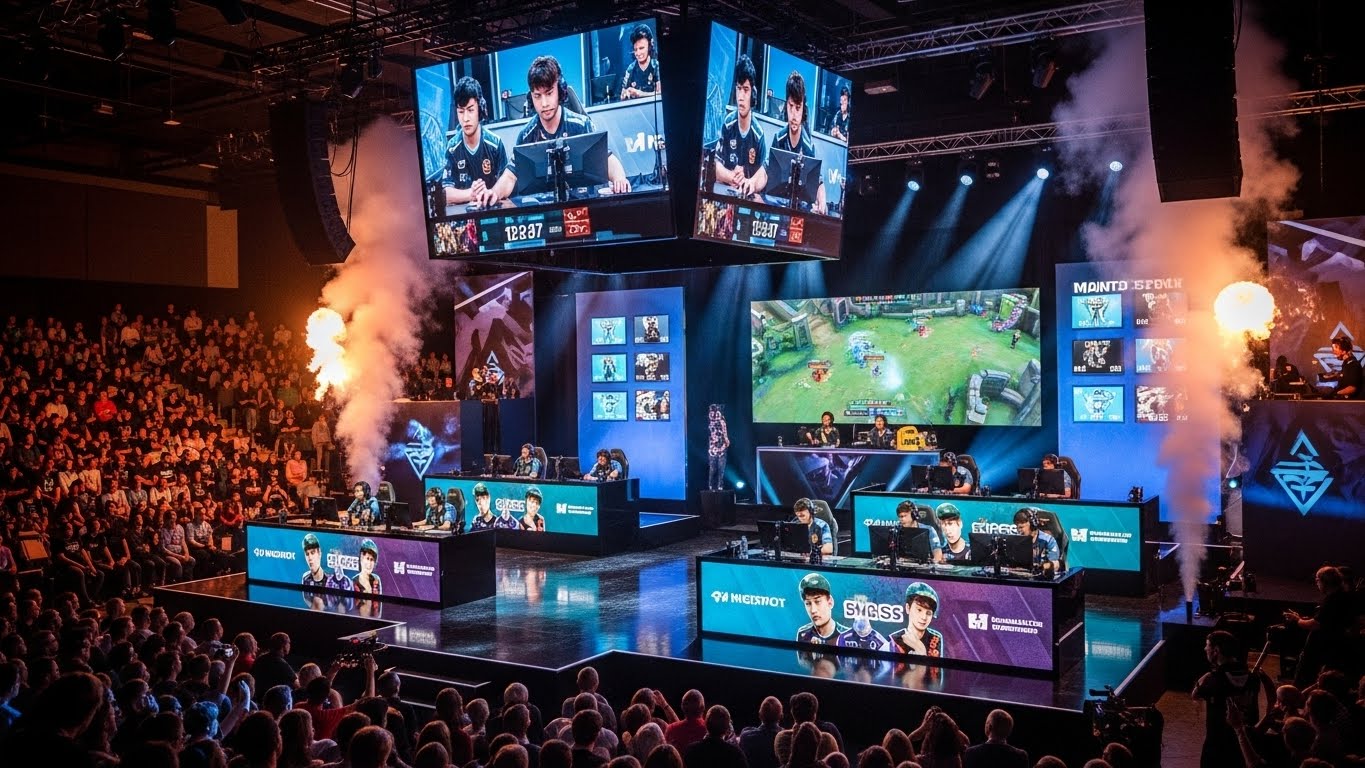

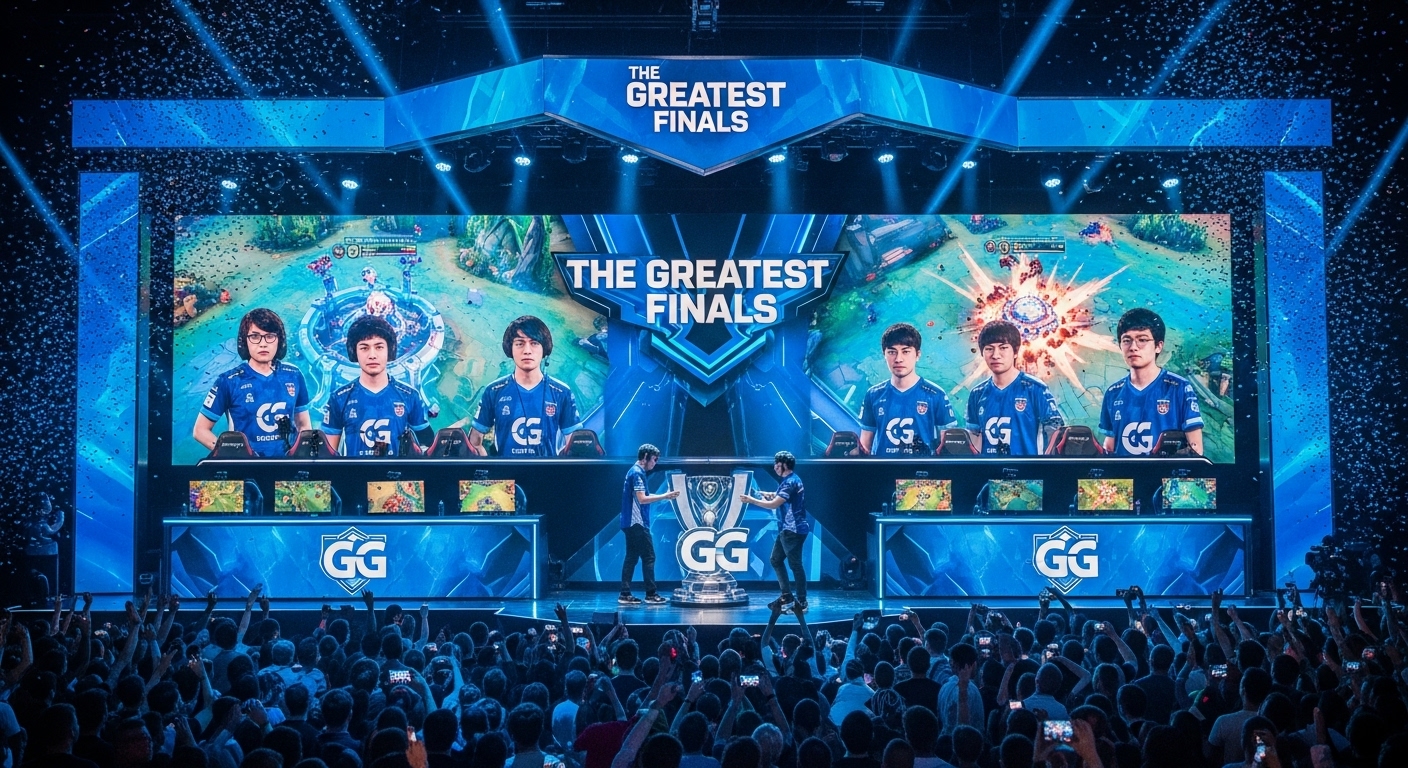
Esports athletes are among the most visible and scrutinized figures in modern entertainment. With millions of fans following their every move online, professional gamers are constantly under the spotlight. Unlike traditional sports, where players might interact primarily with live audiences or media interviews, esports athletes contend with global, instantaneous feedback from social media, streaming platforms, and forums. Public criticism—whether constructive or harsh—is a daily reality, and how players respond can have a profound impact on their performance, mental health, and career trajectory.
This blog explores how esports athletes manage public criticism, the challenges they face, and the strategies they use to maintain focus, resilience, and professionalism in the digital age.
The Nature of Public Criticism in Esports
Esports criticism comes in many forms. Fans may critique a player’s mechanics, strategic decisions, or teamwork. Analysts and commentators provide professional assessments during broadcasts. Social media and online communities amplify opinions, sometimes turning constructive feedback into personal attacks.
Unlike traditional athletes, esports players face constant scrutiny not just in matches but also in streams, interviews, and social media activity. A single mistake during a high-profile game can lead to viral memes, heated debates, or negative comments across multiple platforms. The immediacy and permanence of digital feedback make public criticism particularly intense.
Moreover, esports fans are highly engaged and opinionated. They often feel personally invested in teams and players, which can amplify both praise and criticism. This intense scrutiny can create pressure, stress, and, in some cases, mental health challenges.
Developing Mental Resilience
One of the most important skills for esports athletes is mental resilience—the ability to withstand pressure and remain focused despite criticism. Many professional players undergo psychological training to build this resilience. Techniques often include mindfulness, visualization, stress management, and cognitive behavioral strategies.
Mental resilience allows players to filter criticism effectively. Constructive feedback can be separated from toxicity, enabling improvement without emotional disruption. For example, a coach might highlight strategic mistakes during a match, which a player can internalize to refine performance, while ignoring unrelated personal attacks online.
This mindset mirrors that of traditional athletes but is amplified in esports due to the constant online exposure. Resilience ensures that players maintain focus, confidence, and motivation, even under public scrutiny.
Emphasizing Constructive Feedback
Successful esports athletes treat criticism as a tool for growth. They learn to extract valuable insights from analytical commentary or fan discussions. Constructive criticism often highlights weaknesses, alternative strategies, or opportunities for improvement.
For instance, after a loss in a major tournament, professional players may review gameplay footage, analyze opponent strategies, and discuss feedback from coaches or analysts. By focusing on actionable lessons rather than emotional reactions, athletes convert public criticism into a framework for improvement.
This approach encourages continuous learning and professional development. Players who can embrace critique without being discouraged often rise faster in competitive rankings and sustain long-term careers.
Setting Boundaries with Social Media
Social media is a double-edged sword. It connects esports athletes with fans, sponsors, and content platforms but also exposes them to immediate criticism. Many professional players actively manage their online presence to minimize stress and maintain focus.
Some strategies include:
- Limited Engagement: Only responding to messages or comments during designated times to avoid distraction.
- Filtering Tools: Using moderation software to block offensive language or spam.
- Trusted Circles: Consulting coaches, teammates, or friends before reacting publicly to criticism.
- Temporary Breaks: Taking short breaks from social media during intense tournament periods to focus on preparation.
By setting boundaries, athletes protect their mental health and ensure that external criticism does not affect in-game performance.
Relying on Support Systems
Support systems play a critical role in helping esports athletes handle criticism. Professional teams often provide coaches, psychologists, and mentors who guide players through high-pressure situations. Families and friends also offer emotional support and perspective.
Peer support from teammates is particularly important. Sharing experiences, discussing mistakes, and providing encouragement helps players feel understood and less isolated. Knowing that criticism is a shared experience within the team can reduce stress and maintain morale.
Many esports organizations now recognize the importance of mental health support and invest in dedicated staff to help players navigate public scrutiny and performance pressure.
Learning from Mistakes Without Internalizing Negativity
Handling criticism effectively requires distinguishing between external opinion and self-assessment. Players who internalize negativity risk anxiety, self-doubt, and burnout. Instead, successful esports athletes focus on measurable improvements while maintaining self-confidence.
For example, if a player receives harsh feedback about their positioning in a match, they can analyze the situation objectively: Was it a strategic error? Could communication have been improved? By framing criticism as an opportunity to refine skill rather than as a personal attack, players maintain both focus and morale.
This mindset prevents the destructive impact of negative comments and encourages a growth-oriented approach.
Public Communication and Professionalism
Esports athletes also manage criticism through public communication. Professionalism in interviews, social media posts, and fan interactions demonstrates maturity and can positively influence public perception.
Some players openly acknowledge mistakes, explaining their reasoning or outlining steps for improvement. This transparency builds trust with fans and often turns criticism into constructive dialogue. Conversely, defensive or reactive responses can escalate criticism and create unnecessary tension.
By controlling how they communicate publicly, esports athletes shape the narrative around their performance and maintain a professional image.
The Role of Experience
Experience is a powerful buffer against criticism. Veteran esports players often develop thicker skin over time, understanding that public feedback is an inevitable part of competitive life. Early-career players may be more sensitive to negative comments, while seasoned professionals learn to navigate criticism with perspective.
Experience also helps athletes recognize patterns in feedback. They can distinguish between fleeting public opinion, persistent issues in their gameplay, and valid insights from credible sources. This discernment is key to long-term success.
The Impact on Performance
How esports athletes handle criticism directly affects their performance. Players who internalize negativity may struggle with confidence, reaction time, or decision-making. In contrast, athletes who process criticism constructively can adapt, improve, and maintain peak performance.
The ability to remain mentally strong under scrutiny is a hallmark of elite esports players. It allows them to focus on the game, respond to challenges strategically, and perform consistently even in high-stakes tournaments.
Mental Health Awareness in Esports
The pressure of public criticism has led to increased awareness of mental health in esports. Organizations, players, and advocates emphasize the importance of psychological support, stress management, and healthy coping mechanisms.
Workshops, counseling, and mindfulness training are now common in professional esports. These initiatives help players build resilience, manage criticism, and sustain long-term careers without sacrificing well-being.
Conclusion
Public criticism is an inherent part of being an esports athlete. The global, highly connected nature of the industry means feedback is constant, immediate, and often intense. Handling criticism effectively requires mental resilience, constructive focus, support systems, and professional communication skills.
Successful esports athletes learn to extract value from critique, filter out toxicity, and maintain confidence under pressure. They rely on experience, mentorship, and mental training to navigate public scrutiny while staying focused on performance.
Ultimately, the ability to handle criticism is as critical as technical skill in esports. It separates good players from elite professionals and ensures longevity in a highly competitive, high-pressure environment. For aspiring esports athletes, mastering the art of constructive response to criticism is as important as mastering the game itself.