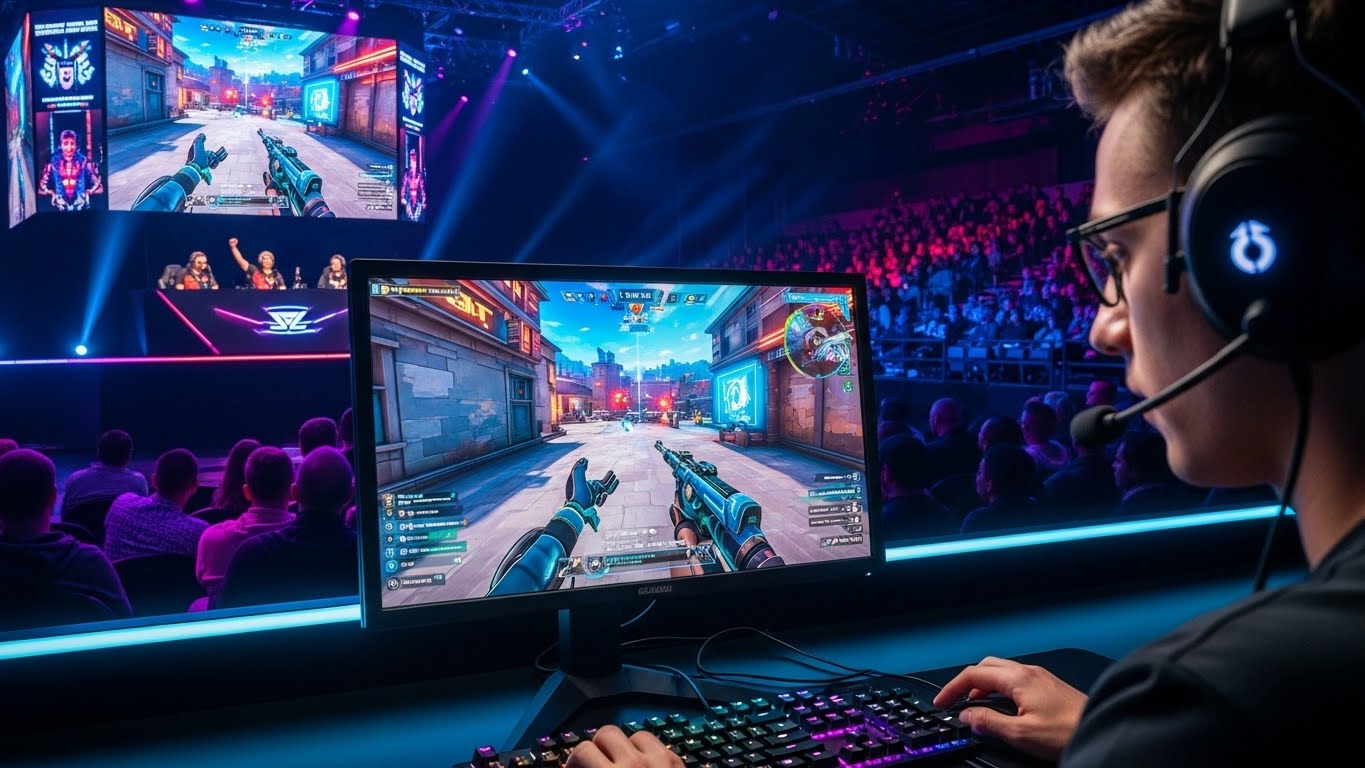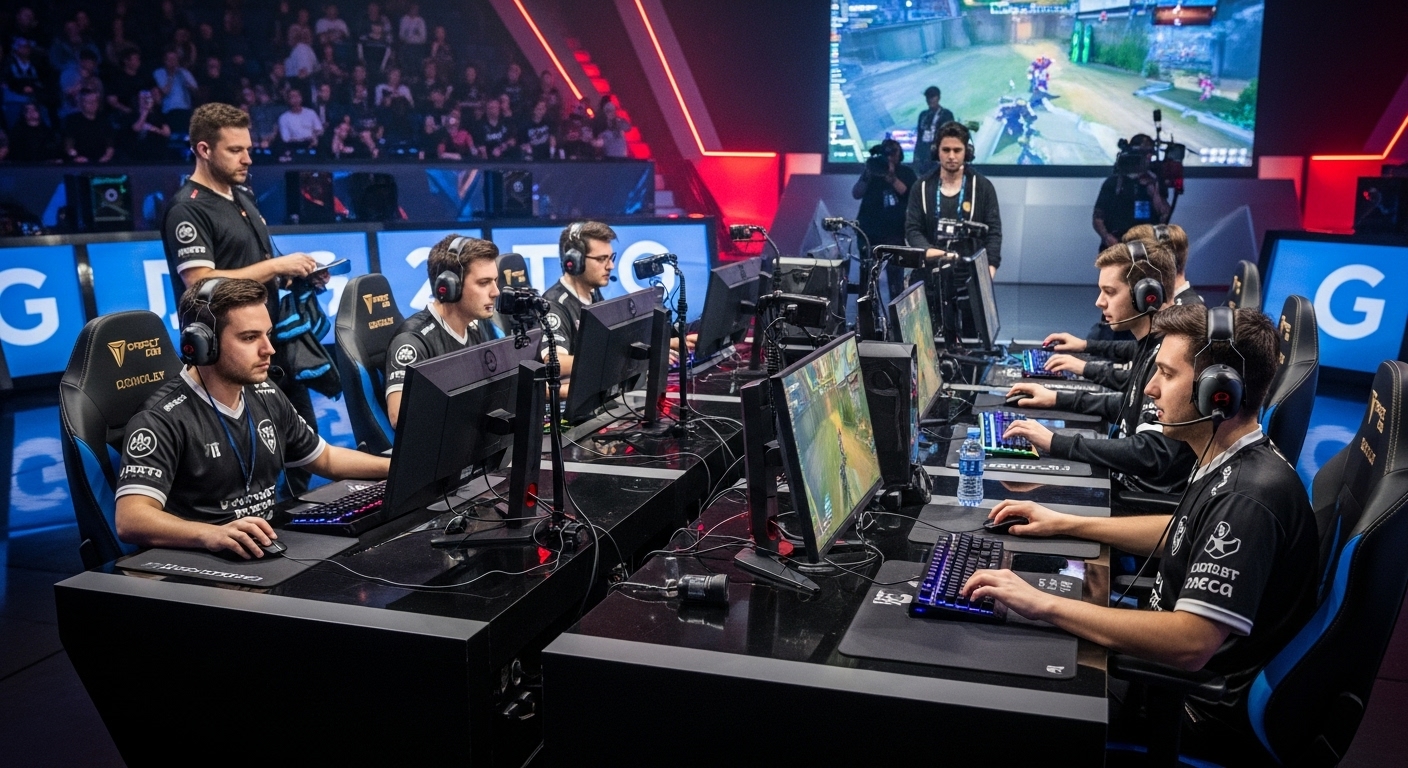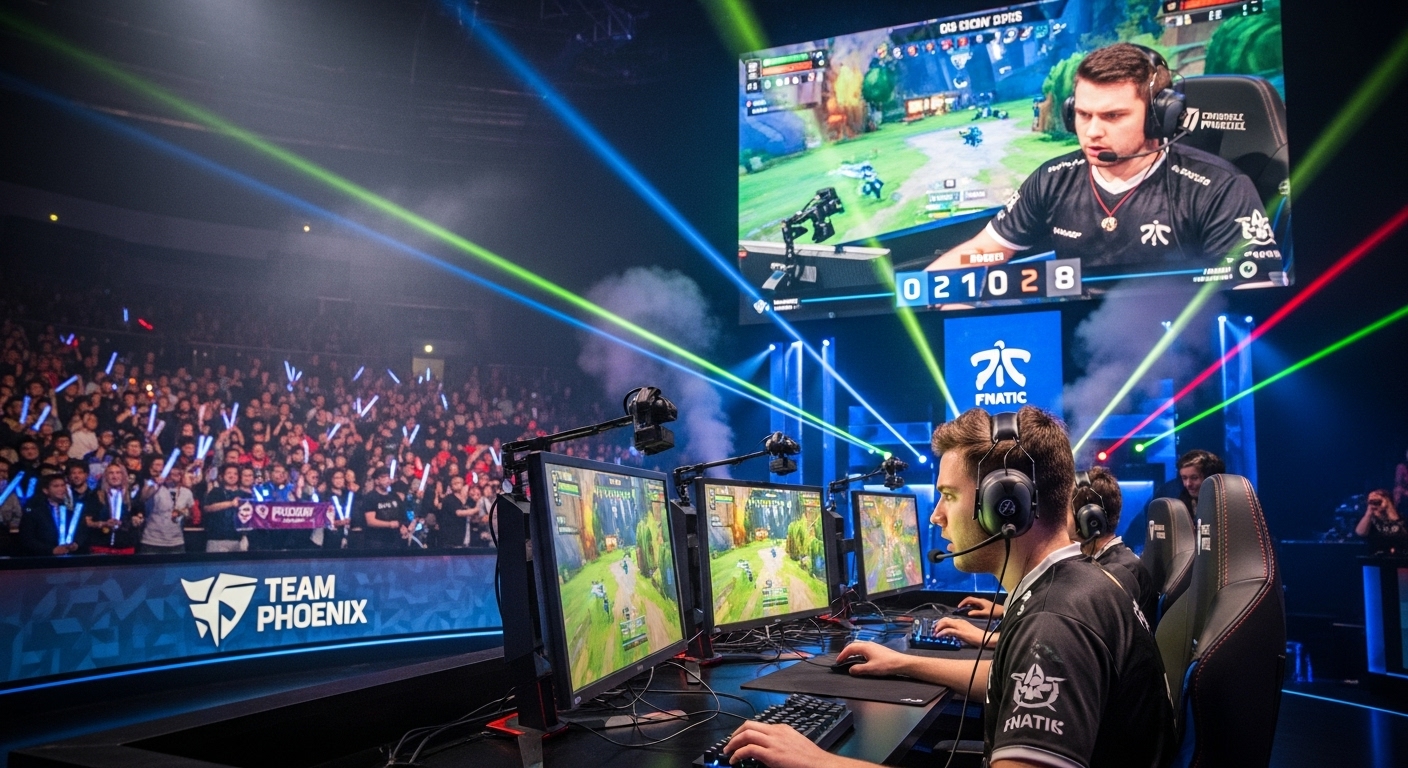
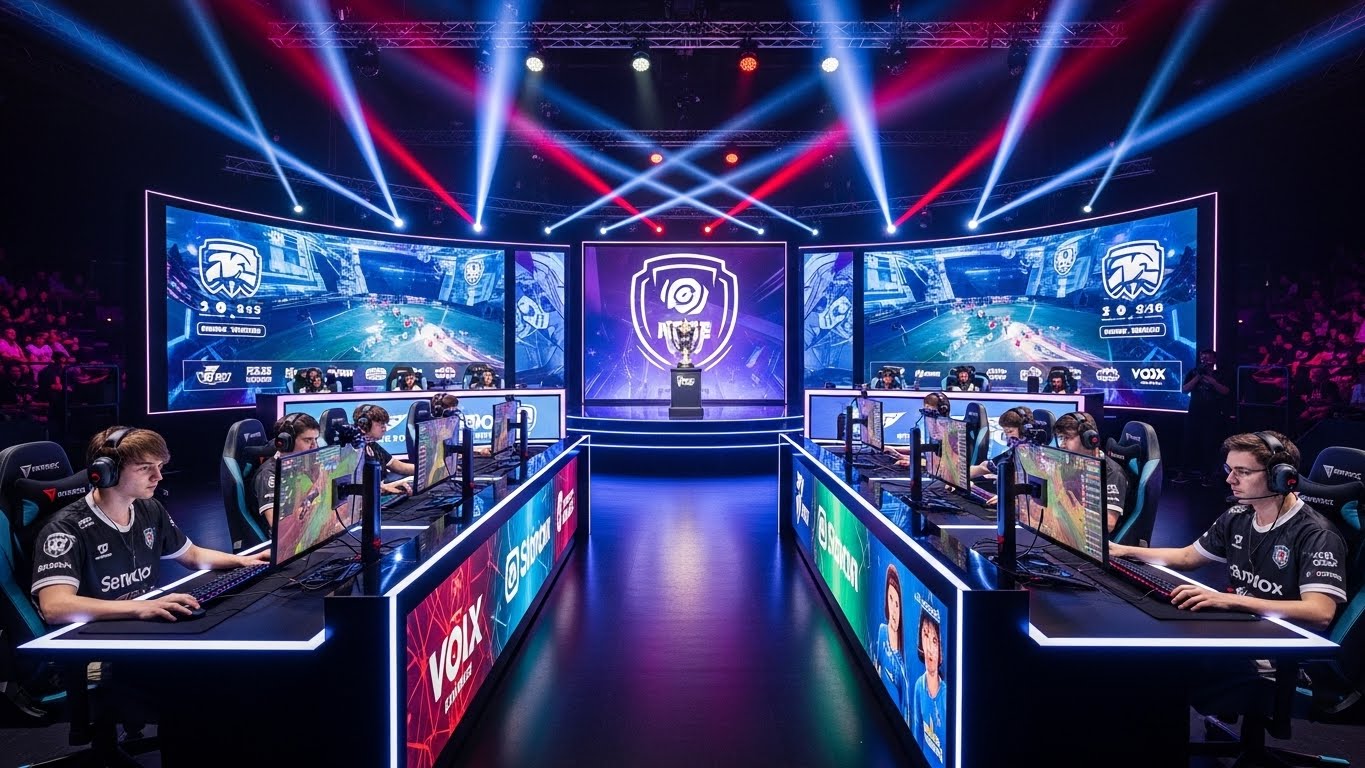
Esports, or competitive video gaming, has transformed from a niche hobby into a global phenomenon. What was once seen as a pastime for a select few has now become a multi-billion-dollar industry attracting millions of players, fans, and investors worldwide. With professional leagues, sponsorship deals, and international tournaments, esports has evolved into a serious career path and a cultural force. Understanding the rise of esports, its impact on society, and its future potential reveals why competitive gaming has become one of the most influential aspects of modern entertainment.
The Origins of Esports
The roots of esports trace back to the 1970s and 1980s when arcade competitions and early video game tournaments first gained attention. Games like Space Invaders and Pac-Man drew competitive players, and the first large-scale tournaments laid the foundation for organized competitive gaming. In the 1990s, games such as Quake, StarCraft, and Counter-Strike introduced more strategic and team-based competition, fostering a growing community of players and fans. The rise of the internet enabled online play and global connectivity, allowing tournaments to expand beyond local arcades and events. These early developments set the stage for the professional esports ecosystem we see today.
The Growth of Esports as an Industry
Esports has grown into a multi-faceted industry encompassing professional players, streaming platforms, sponsorships, merchandise, and live events. Professional teams operate much like traditional sports franchises, recruiting talent, coaching players, and competing for prizes and recognition. Major tournaments offer prize pools that reach millions of dollars, attracting global viewership comparable to traditional sports events. Streaming platforms such as Twitch and YouTube Gaming allow fans to watch competitions live, interact with players, and engage in communities built around their favorite games. This rapid growth has made esports not just entertainment but a viable career and economic driver.
Popular Esports Games and Genres
Esports encompasses a wide variety of game genres, each with its own competitive scene and fanbase. Multiplayer Online Battle Arena (MOBA) games such as League of Legends and Dota 2 are known for strategic teamwork and large-scale tournaments. First-Person Shooter (FPS) games like Counter-Strike: Global Offensive, Valorant, and Call of Duty focus on precision, strategy, and fast reflexes. Battle Royale games such as Fortnite and PUBG combine survival, strategy, and skill in large, open-world environments. Fighting games like Street Fighter and Tekken emphasize individual skill and quick decision-making. Sports simulation games such as FIFA and NBA 2K provide a digital recreation of real-world athletic competition. Each genre brings unique challenges, skills, and fan engagement opportunities, making esports a diverse and dynamic field.
The Role of Streaming and Media
Streaming platforms have played a pivotal role in the rise of esports. These platforms allow players to broadcast gameplay in real time, building communities and fanbases while offering monetization opportunities through subscriptions, donations, and sponsorships. Media coverage of esports has grown significantly, with dedicated channels, online publications, and social media accounts providing news, analysis, and highlights. Streaming has transformed esports into a spectator-friendly experience, enabling fans to connect with players and teams worldwide. The accessibility and interactivity of streaming have been critical in driving esports’ popularity and establishing it as a mainstream form of entertainment.
Professional Players and Careers in Esports
Professional esports players dedicate countless hours to training, strategy, and teamwork, similar to traditional athletes. The competitive scene requires mental agility, physical endurance, and consistent performance under pressure. Successful players often become influential public figures, with sponsorship deals, personal brands, and social media presence extending their impact beyond the game. Careers in esports are not limited to players; coaches, analysts, commentators, content creators, event organizers, and marketers all contribute to the industry. This diverse ecosystem provides opportunities for employment and entrepreneurship, making esports a legitimate and sustainable career path.
Esports and Education
Esports is increasingly being recognized within educational institutions. Many universities and colleges now offer esports programs, scholarships, and competitive teams. These programs teach not only gaming skills but also teamwork, communication, strategy, and leadership. Participation in esports can enhance problem-solving abilities, critical thinking, and time management, providing valuable life skills. Integrating esports into education also offers pathways to careers in technology, media, marketing, and game development. By embracing esports in academia, schools and universities are creating opportunities for students to pursue their passions while developing professional competencies.
The Global Appeal of Esports
Esports has a worldwide fanbase, with significant communities in Asia, North America, Europe, and increasingly in other regions. South Korea is known for pioneering professional esports with a well-established infrastructure and a strong cultural emphasis on gaming. China has one of the largest esports markets, with massive tournaments, government support, and a thriving player base. North America and Europe have rapidly growing esports communities, with professional leagues, sponsorships, and streaming platforms driving popularity. The global reach of esports allows players from different countries to compete, share strategies, and build cultural exchange, making esports a truly international phenomenon.
Social and Psychological Impact
Esports provides a sense of community and belonging for millions of players and fans. Online communities, forums, and social media groups allow enthusiasts to connect, collaborate, and share experiences. Esports also develops cognitive skills, including quick decision-making, problem-solving, and strategic planning. However, there are challenges to consider, such as managing screen time, maintaining physical health, and addressing potential addiction. Responsible engagement and balancing gaming with other aspects of life are crucial for ensuring the positive social and psychological benefits of esports.
The Business of Esports
Esports has become a significant economic force. Revenue comes from sponsorships, media rights, merchandise, ticket sales for live events, and streaming monetization. Major corporations, including technology companies, beverage brands, and apparel manufacturers, invest heavily in esports sponsorships to reach a young, engaged audience. Esports organizations operate much like traditional sports teams, with management structures, marketing strategies, and global fan engagement initiatives. The business side of esports continues to grow, attracting venture capital and corporate partnerships, signaling its long-term sustainability and influence.
Technology Driving Esports
Advanced technology is essential for esports. High-performance computers, fast internet connections, precise peripherals, and gaming platforms create the infrastructure needed for competitive play. Data analytics and performance tracking allow players and teams to optimize strategies and improve outcomes. Streaming technology enables real-time broadcasting to global audiences. Virtual reality and augmented reality are emerging technologies with potential to further enhance the esports experience. The interplay between technology and esports ensures constant innovation and a continually evolving competitive environment.
Esports and Traditional Sports
Esports has drawn comparisons to traditional sports in terms of competition, strategy, and audience engagement. Like traditional athletes, esports players train rigorously, practice teamwork, and compete for recognition and prizes. Major esports tournaments now fill arenas and stadiums, attracting live audiences similar to professional sports events. Sponsorships, branding, and media coverage further blur the lines between esports and traditional sports. While different in physical activity, esports mirrors many aspects of traditional athletic competition, establishing its legitimacy and cultural significance.
The Future of Esports
The future of esports looks promising, with continued growth in audience, revenue, and professional opportunities. Emerging technologies, expanded global connectivity, and mainstream acceptance are expected to drive further innovation. Virtual reality, artificial intelligence, and cloud gaming could transform gameplay and spectator experiences. Educational and professional esports programs will continue to provide pathways for aspiring players and industry professionals. As esports matures, it is likely to achieve a level of recognition comparable to traditional sports, solidifying its position as a central pillar of entertainment and culture.
Conclusion: Esports as a Cultural Force
Esports has grown from a niche interest to a global cultural phenomenon. It has redefined competition, entertainment, and career opportunities in the digital era. Beyond gameplay, esports fosters community, develops skills, and creates economic opportunities while bridging cultures across the world. With the continued integration of technology, education, and professional development, esports is poised to become a permanent and influential part of global society. Embracing esports responsibly allows players, fans, and communities to benefit from its potential while shaping the future of competitive digital entertainment. Esports is not just gaming; it is a transformative force redefining how we play, compete, and connect in the 21st century.