Introduction: More Than Just Playing Games
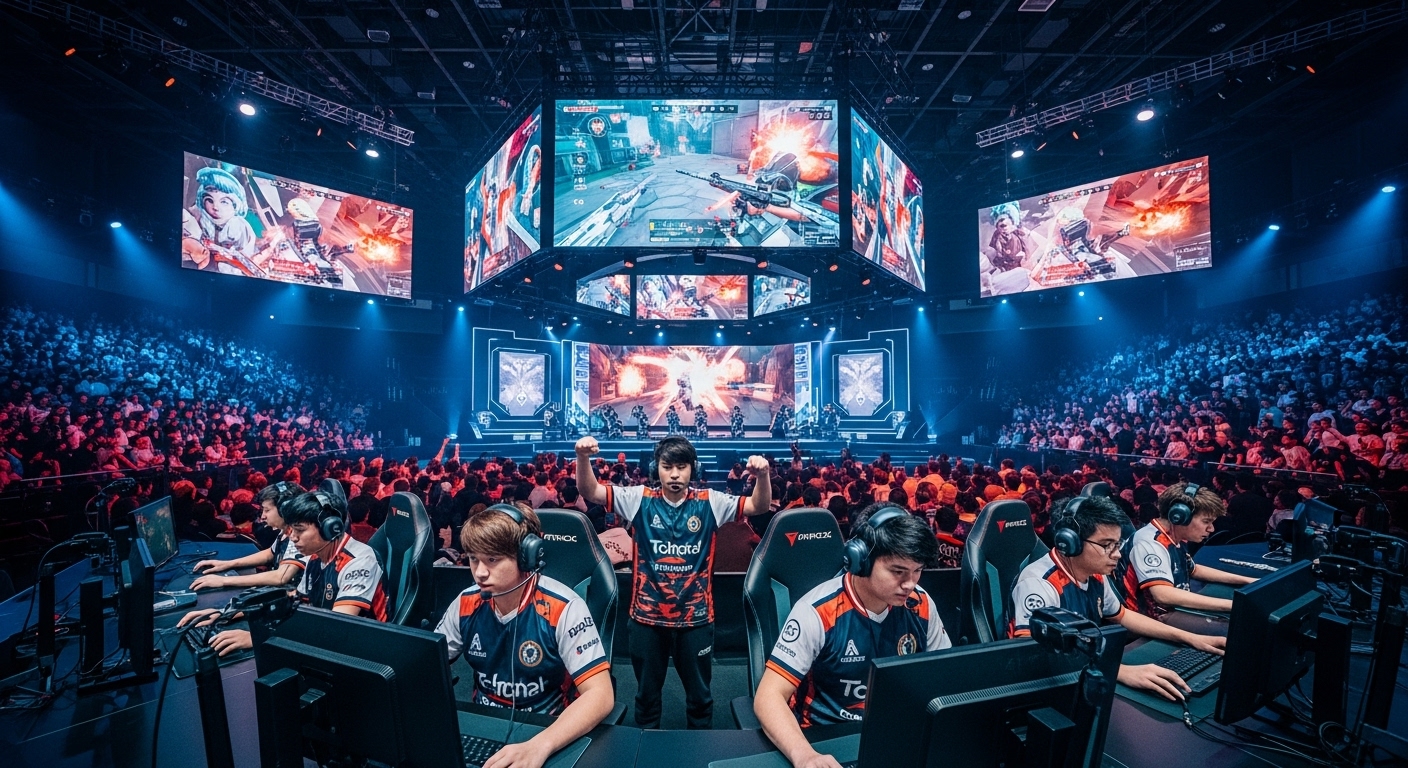
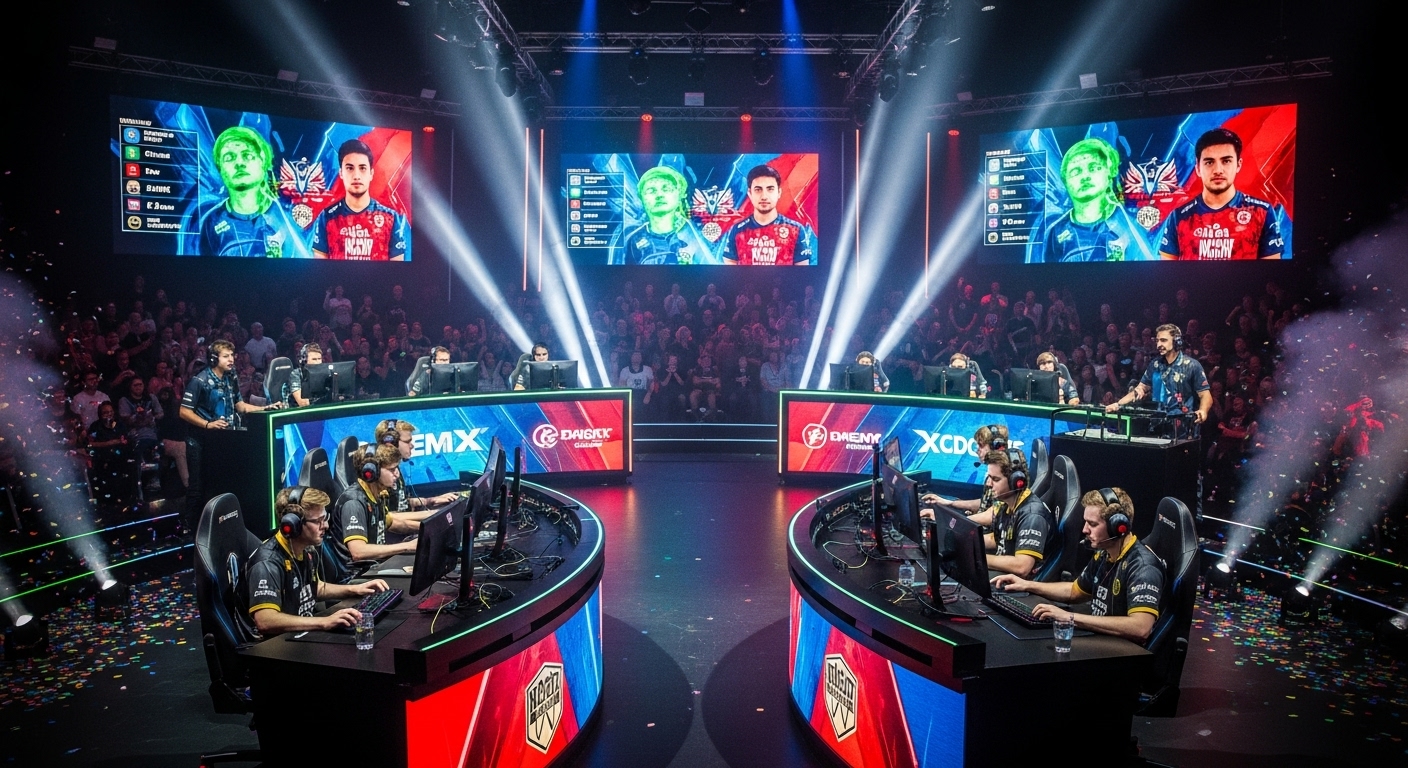
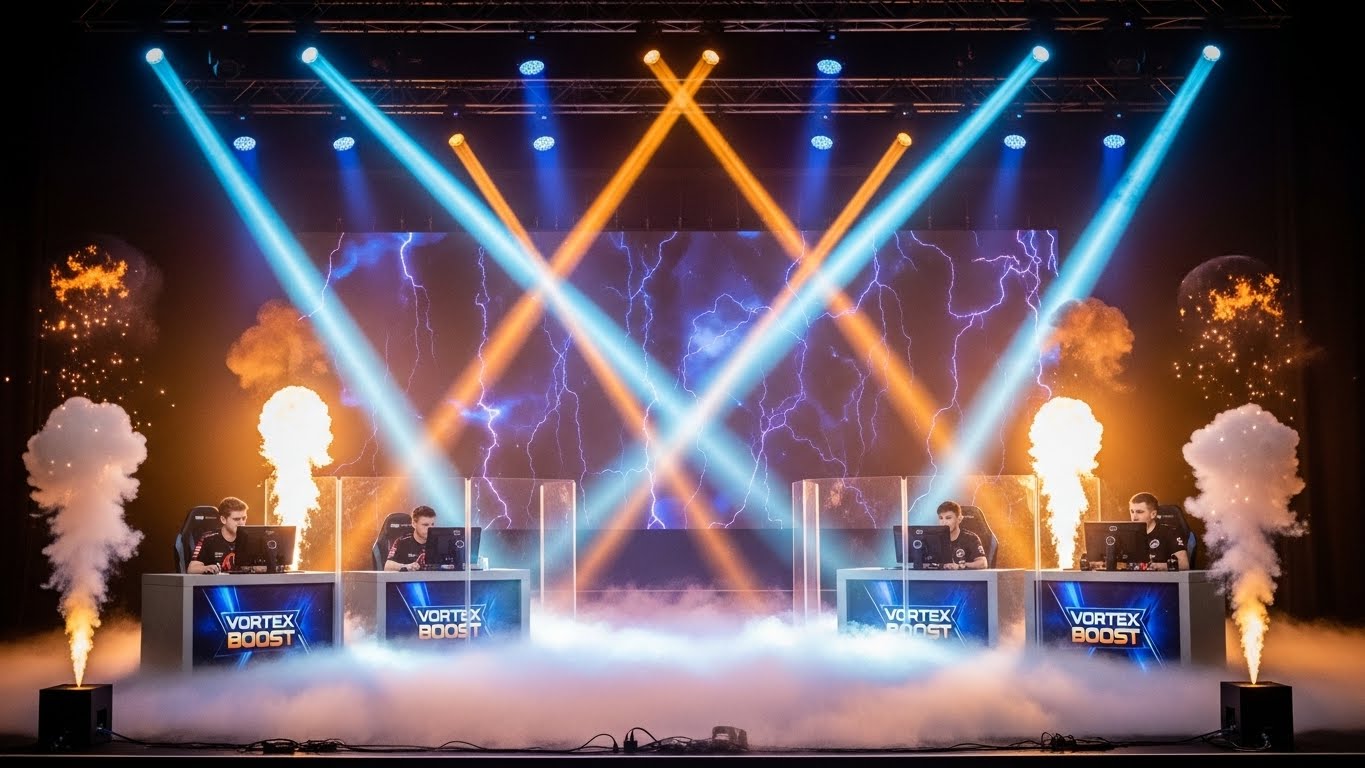
Esports has evolved far beyond the stereotype of people playing video games in dark rooms. Today, it stands as a global phenomenon that blends competition, entertainment, technology, and culture into one powerful movement. From packed stadiums and million-dollar prize pools to professional athletes and devoted fanbases, esports has transformed gaming into a legitimate and respected industry. This blog explores how esports rose to prominence, why it matters, and where it is headed in the future.
The Early Days of Competitive Gaming
The roots of esports can be traced back to the early days of arcade gaming and home consoles. Competitive gaming began informally, with players challenging each other for high scores or local recognition. As technology advanced and personal computers became more accessible, multiplayer games allowed players to compete against one another more easily. These early competitions were small and community-driven, but they laid the foundation for what would become a global industry.
The Role of Technology in Esports Growth
Technology has been the backbone of esports development. High-speed internet made online multiplayer gaming seamless, while powerful gaming hardware allowed for complex and visually stunning games. Streaming platforms enabled players to broadcast their gameplay to audiences around the world, turning competitive matches into spectator events. This accessibility helped esports grow rapidly, as fans no longer needed to attend events in person to feel connected.
Popular Games That Defined Esports
Certain games played a crucial role in shaping esports into what it is today. Strategy games, first-person shooters, and multiplayer online battle arenas captured competitive interest because they required skill, teamwork, and strategic thinking. These games offered depth and replayability, making them ideal for professional competition. Over time, dedicated leagues and tournaments formed around these titles, further professionalizing the scene.
Esports as a Professional Career
One of the most significant shifts in esports has been the recognition of gaming as a viable career path. Professional players train rigorously, often following strict schedules that include practice, analysis, physical fitness, and mental conditioning. Teams employ coaches, analysts, and support staff to ensure peak performance. For top players, esports can offer financial stability, fame, and long-term opportunities beyond active competition.
The Business and Economics of Esports
Esports has become a major economic force. Revenue streams include sponsorships, advertising, merchandise, ticket sales, and media rights. Brands from both gaming and non-gaming industries invest heavily in esports to reach younger, digitally native audiences. This influx of investment has allowed organizations to build infrastructure, host large-scale events, and support players more effectively, further legitimizing the industry.
The Fan Experience and Community Culture
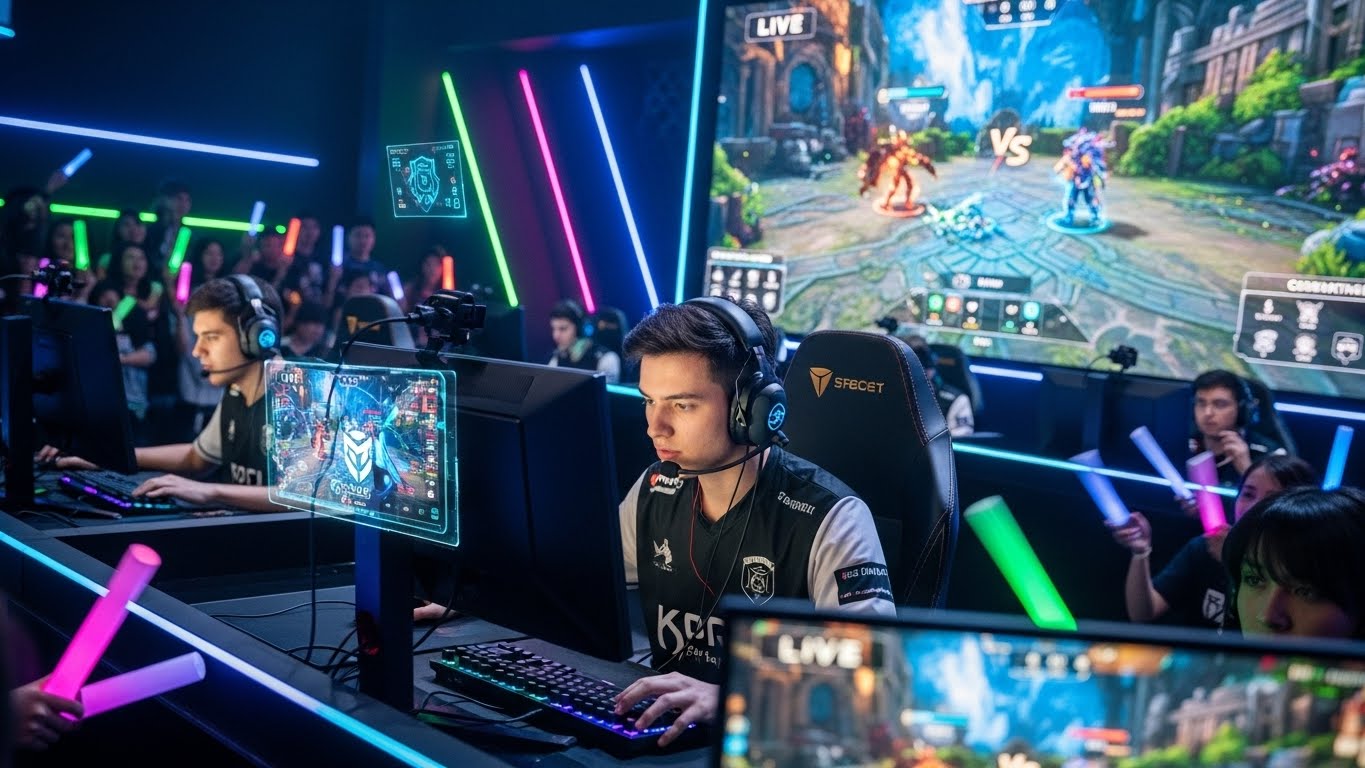
At the heart of esports lies its passionate community. Fans engage with their favorite teams and players through live events, online discussions, and social media. Esports culture values inclusivity, shared passion, and constant interaction between creators and audiences. This strong sense of community differentiates esports from traditional sports and helps maintain its rapid growth.
Esports and Global Reach
Unlike many traditional sports that are regionally dominant, esports is inherently global. Players and teams from different countries compete regularly, and international tournaments bring together diverse cultures and fanbases. This global nature fosters cross-cultural exchange and creates a shared language through gaming. Esports events often feel like global celebrations rather than localized competitions.
Education and Skill Development Through Esports
Esports is increasingly being recognized for its educational potential. Competitive gaming helps develop skills such as teamwork, communication, strategic thinking, and problem-solving. Many schools and universities now offer esports programs, scholarships, and clubs. These initiatives help bridge the gap between gaming and education, showing that esports can contribute positively to personal and professional development.
Health, Wellness, and Challenges in Esports
Despite its growth, esports faces challenges related to player health and sustainability. Long practice hours can lead to physical strain and mental burnout. In response, organizations are placing greater emphasis on wellness, incorporating fitness routines, proper nutrition, and mental health support. Addressing these issues is crucial for ensuring the long-term success of players and the industry as a whole.
Media, Entertainment, and Mainstream Acceptance
Esports has steadily entered mainstream media and entertainment. Matches are broadcast in high-quality productions with professional commentary, analysis, and storytelling. Documentaries and shows featuring esports personalities have introduced competitive gaming to wider audiences. This increased visibility has helped change public perception, positioning esports alongside traditional forms of entertainment.
The Future of Esports
The future of esports looks promising and dynamic. Emerging technologies such as virtual reality and augmented reality may redefine how games are played and watched. Greater integration with education, entertainment, and even traditional sports is likely. As the industry matures, regulations, player unions, and standardized structures may further professionalize esports while protecting those involved.
Conclusion: A Digital Sport for a Digital Generation
Esports represents more than competition; it reflects how technology, culture, and entertainment intersect in the modern world. What began as casual gaming has become a powerful global industry that inspires millions. As esports continues to grow and evolve, it will shape not only the future of gaming but also how society defines sports, careers, and community in the digital age.