Introduction: The Rise of Esports
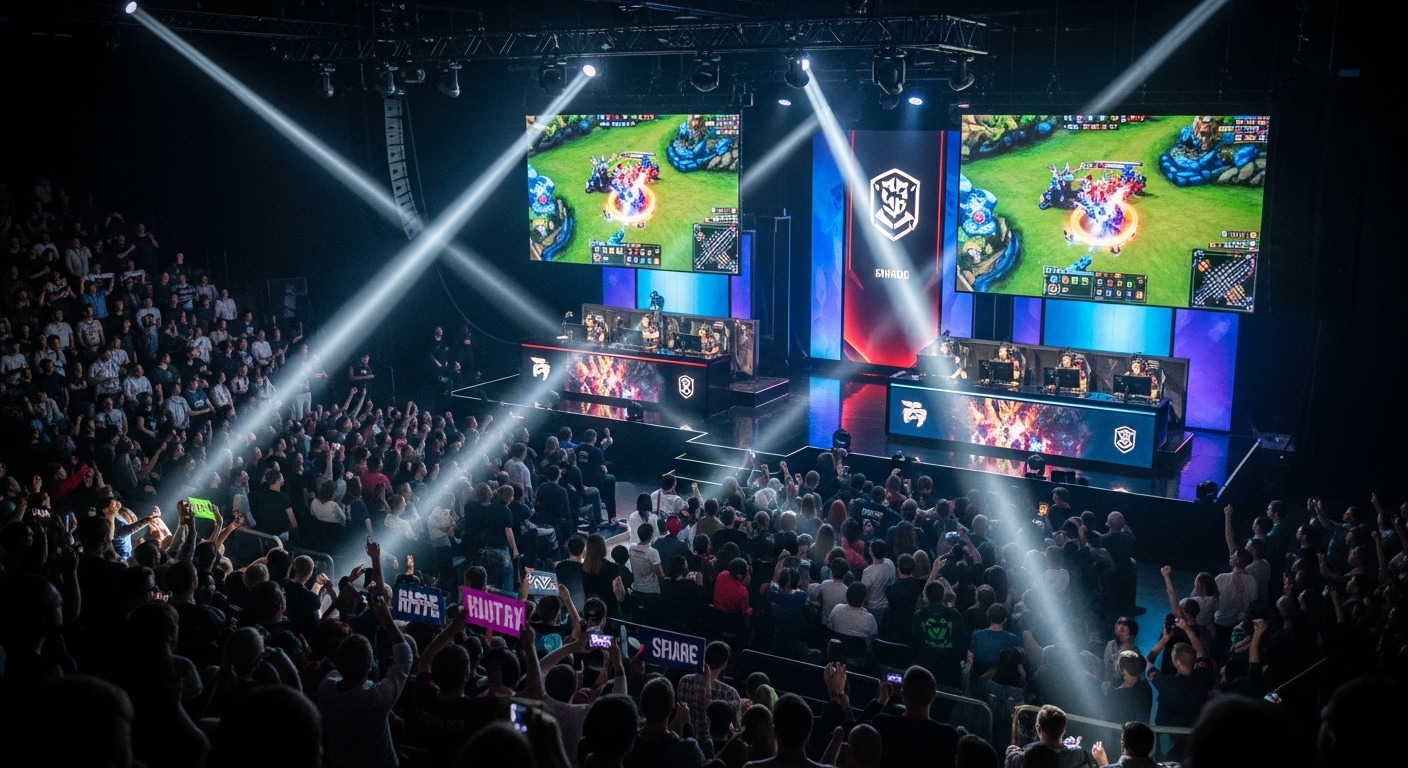
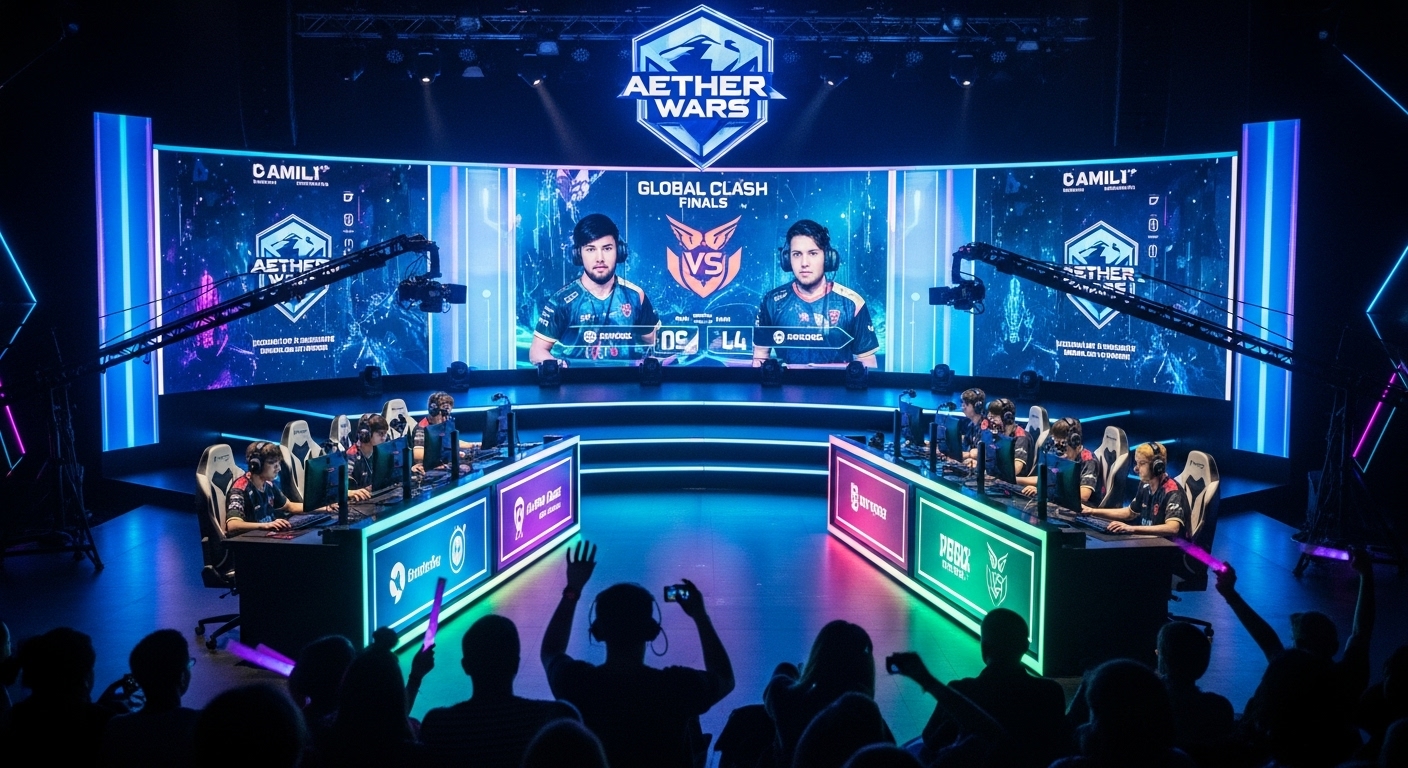
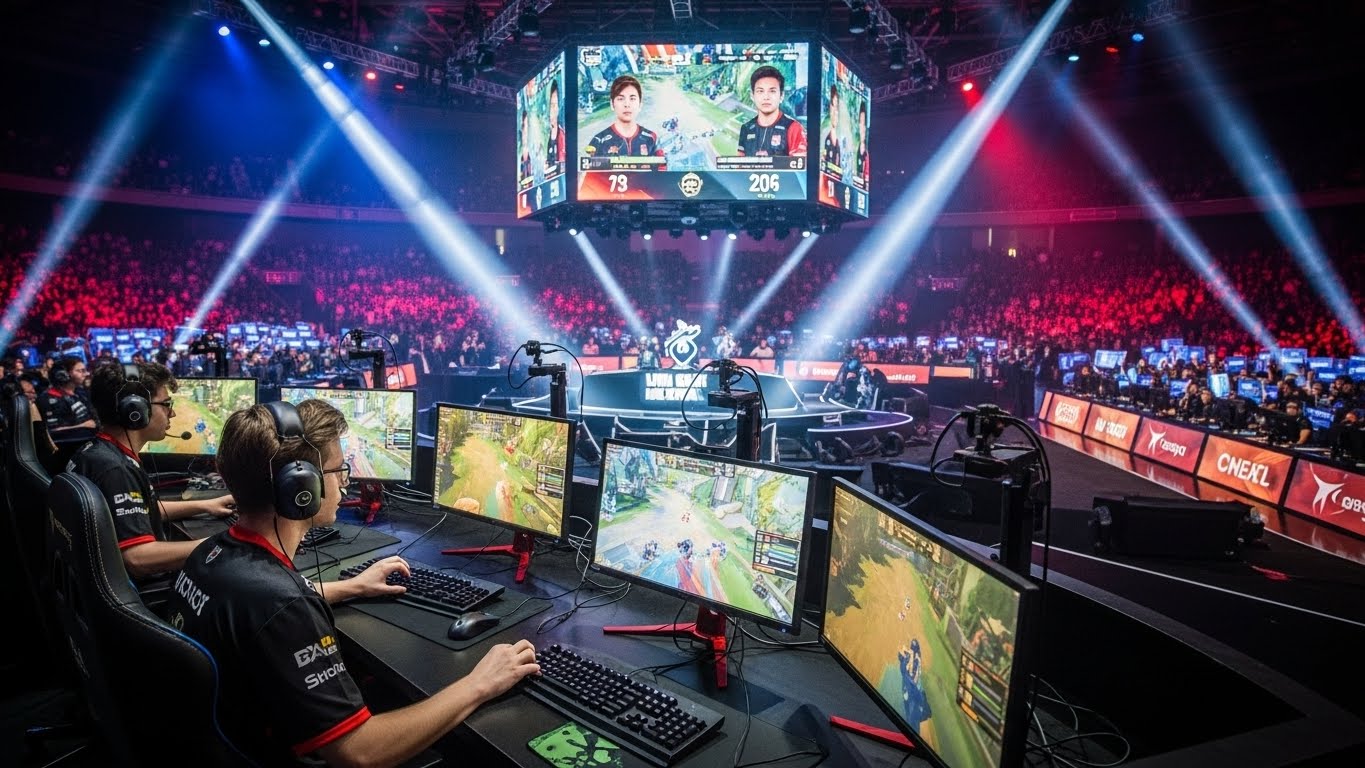
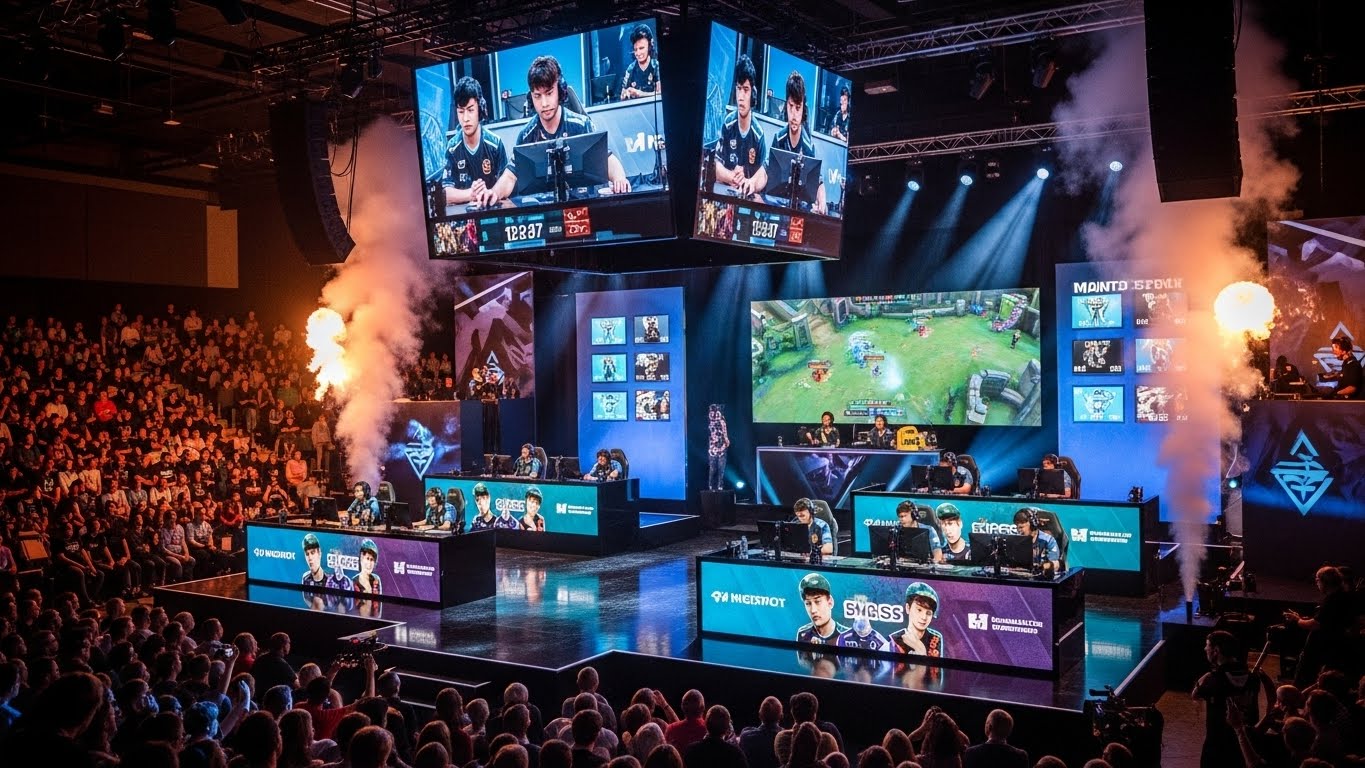
Esports, or competitive gaming, has evolved from a niche hobby to a global phenomenon. What once began as casual competitions among friends has now grown into a multi-billion-dollar industry with professional leagues, international tournaments, and millions of fans worldwide. Unlike traditional sports, esports transcends physical limitations, allowing players from all backgrounds and regions to compete on a global stage. This blog explores the rise of esports, its impact on culture, technology, and society, and what the future holds for this rapidly growing industry.
The Origins of Competitive Gaming
The origins of esports can be traced back to the early days of video gaming. In the 1970s and 1980s, arcade competitions and early console tournaments captured the attention of passionate gamers. Events like Space Invaders championships and Street Fighter competitions provided a glimpse into the potential of competitive gaming.
As personal computers became more powerful and networks expanded, online multiplayer games created a platform for players to compete across cities, countries, and continents. Games such as StarCraft, Counter-Strike, and Warcraft became staples of competitive gaming, laying the foundation for organized esports leagues and communities.
The Global Esports Industry
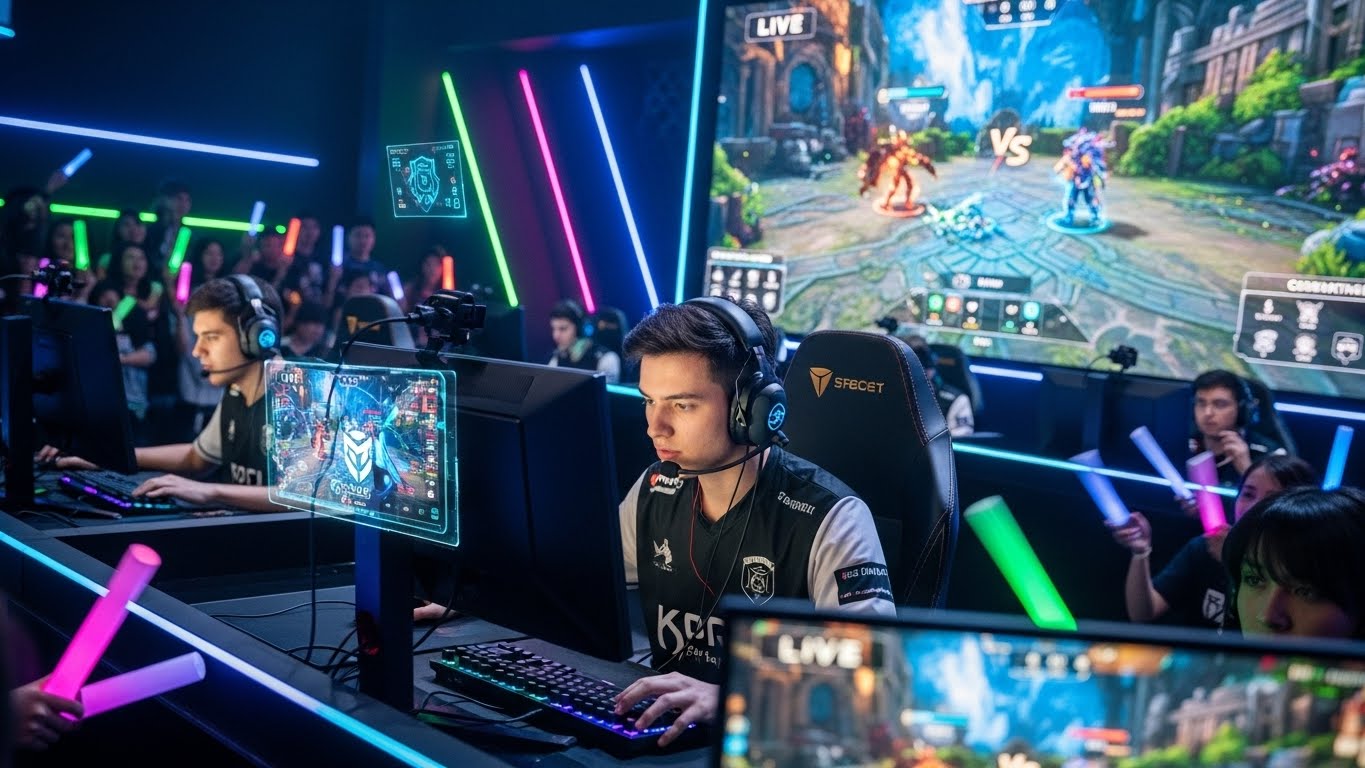
Today, esports is a multi-billion-dollar industry encompassing professional teams, streaming platforms, sponsorships, and live events. Major tournaments such as the League of Legends World Championship, Dota 2’s The International, and Fortnite World Cup attract millions of viewers and offer prize pools comparable to traditional sports championships.
Esports organizations operate like professional sports teams, employing coaches, analysts, and support staff to maximize performance. Sponsorships from tech companies, apparel brands, and even non-endemic industries highlight the economic potential and mainstream appeal of competitive gaming.
Streaming and the Role of Platforms
The growth of esports has been fueled by streaming platforms, which allow fans to watch live gameplay from anywhere in the world. Platforms such as Twitch, YouTube Gaming, and other streaming services have transformed players into global celebrities and created direct engagement between fans and professional gamers.
Streaming has also democratized the industry. Aspiring players can showcase their skills without relying on traditional broadcasters or sponsors. The interactive nature of streams allows for fan participation, from live chats and polls to audience-driven events, creating a highly engaged and loyal community.
Esports and Traditional Sports: A Comparison
Esports shares many similarities with traditional sports, including teamwork, strategy, and competition. Professional players train rigorously, often dedicating hours daily to practice, strategy development, and performance analysis. Like traditional athletes, esports players face intense pressure, mental stress, and the need for peak performance.
However, esports differs in its accessibility. Unlike traditional sports, which require specific physical abilities or facilities, esports relies on skill, strategy, and reflexes. This inclusivity allows players from diverse backgrounds and regions to compete on an equal footing, breaking down barriers that exist in conventional sports.
The Psychology of Competitive Gaming
Success in esports is not solely dependent on technical skill. Mental fortitude, focus, and emotional regulation play a crucial role. High-stakes tournaments can create pressure akin to championship games in traditional sports, requiring players to maintain composure and make split-second decisions.
Team dynamics are equally important. Communication, collaboration, and trust among teammates often determine outcomes. Coaches and psychologists are increasingly involved in esports teams, helping players manage stress, optimize performance, and maintain healthy routines. This recognition of mental health reflects the maturity and professionalism of the industry.
Esports as a Career Path
Esports has created legitimate career opportunities, from professional players and coaches to analysts, commentators, event organizers, and content creators. Scholarships and academic programs for esports are emerging, offering structured pathways for young talent.
Professional players can earn substantial incomes through salaries, prize winnings, sponsorships, and streaming revenue. However, the career span of an esports athlete is often shorter than traditional sports, due to the high intensity of training and the rapid evolution of games. Planning for long-term career sustainability is essential for those entering the field.
The Technology Behind Esports
Technology is at the heart of esports. High-performance gaming rigs, ultra-fast internet connections, and sophisticated software ensure competitive fairness and peak performance. Innovations in AI, analytics, and virtual reality are further enhancing training and gameplay experiences.
Analytics tools allow teams to review gameplay, identify patterns, and develop strategies. AI can simulate opponents or generate training scenarios, helping players improve faster. As technology advances, esports continues to push the boundaries of digital interaction, performance, and entertainment.
Esports and Culture
Esports has become a cultural phenomenon, influencing music, fashion, and media. Popular games create iconic characters, storylines, and visuals that extend beyond the screen, inspiring fan art, cosplay, and community events. Tournaments and conventions foster social engagement, bringing fans and players together to celebrate gaming culture.
Esports also promotes diversity and inclusivity. Players from different genders, ethnicities, and backgrounds are participating in competitions, challenging stereotypes and broadening representation. Gaming communities have become spaces for creativity, self-expression, and shared experiences.
The Role of Sponsorship and Branding
Sponsorships play a critical role in esports’ growth. Brands partner with teams, events, and streaming platforms to reach highly engaged audiences. Unlike traditional advertising, esports sponsorship allows for immersive experiences, such as branded in-game items, live event activations, and interactive content.
This symbiotic relationship benefits both parties. Teams and players gain financial support and visibility, while brands connect with a younger, tech-savvy demographic. Sponsorship has transformed esports into a viable and lucrative industry, comparable to traditional sports marketing.
Challenges Facing Esports
Despite its rapid growth, esports faces challenges. The industry must address issues such as player burnout, online toxicity, cheating, and regulatory concerns. Unlike traditional sports, esports lacks standardized governing bodies, making enforcement of rules and ethical standards more complex.
Monetization and sustainability are also critical. While top-tier players and teams thrive, many aspiring professionals struggle to secure stable income. Ensuring equitable opportunities, fair contracts, and ethical practices is vital for the long-term success of the industry.
Esports and Education
Esports is increasingly integrated into education. Schools and universities are offering esports programs, scholarships, and clubs, recognizing its potential for skill development. Students learn teamwork, strategic thinking, communication, and digital literacy through competitive gaming.
These programs also foster pathways to professional careers, providing mentorship, structured training, and exposure to industry networks. Education in esports reflects the growing legitimacy of the field and its potential as a tool for personal and professional growth.
The Future of Esports
The future of esports is bright, with emerging technologies and global expansion shaping the next phase of growth. Virtual reality, augmented reality, and AI-driven gameplay will create more immersive experiences. Cloud gaming and streaming innovations will make esports accessible to even broader audiences.
International collaboration and tournaments will continue to grow, establishing esports as a truly global phenomenon. As recognition of esports as a legitimate sport increases, infrastructure, governance, and professionalism will further enhance its credibility. The next decade promises unprecedented opportunities for players, fans, and industry stakeholders alike.
Conclusion: Esports as a Cultural and Professional Force
Esports has transformed the way we perceive competition, entertainment, and community. It is not merely a pastime but a professional industry, cultural movement, and technological frontier. From grassroots competitions to international championships, esports engages millions, inspires creativity, and pushes the boundaries of digital interaction.
The rise of esports demonstrates the power of gaming to unite people, create careers, and influence culture. With continued innovation, inclusivity, and professionalization, esports will remain a defining element of modern entertainment and sports. It is a testament to how technology, skill, and passion can converge to create a dynamic, global phenomenon.
Esports is more than games—it is a window into the future of competitive entertainment, a platform for talent and creativity, and a cultural force shaping how the world plays, watches, and connects.