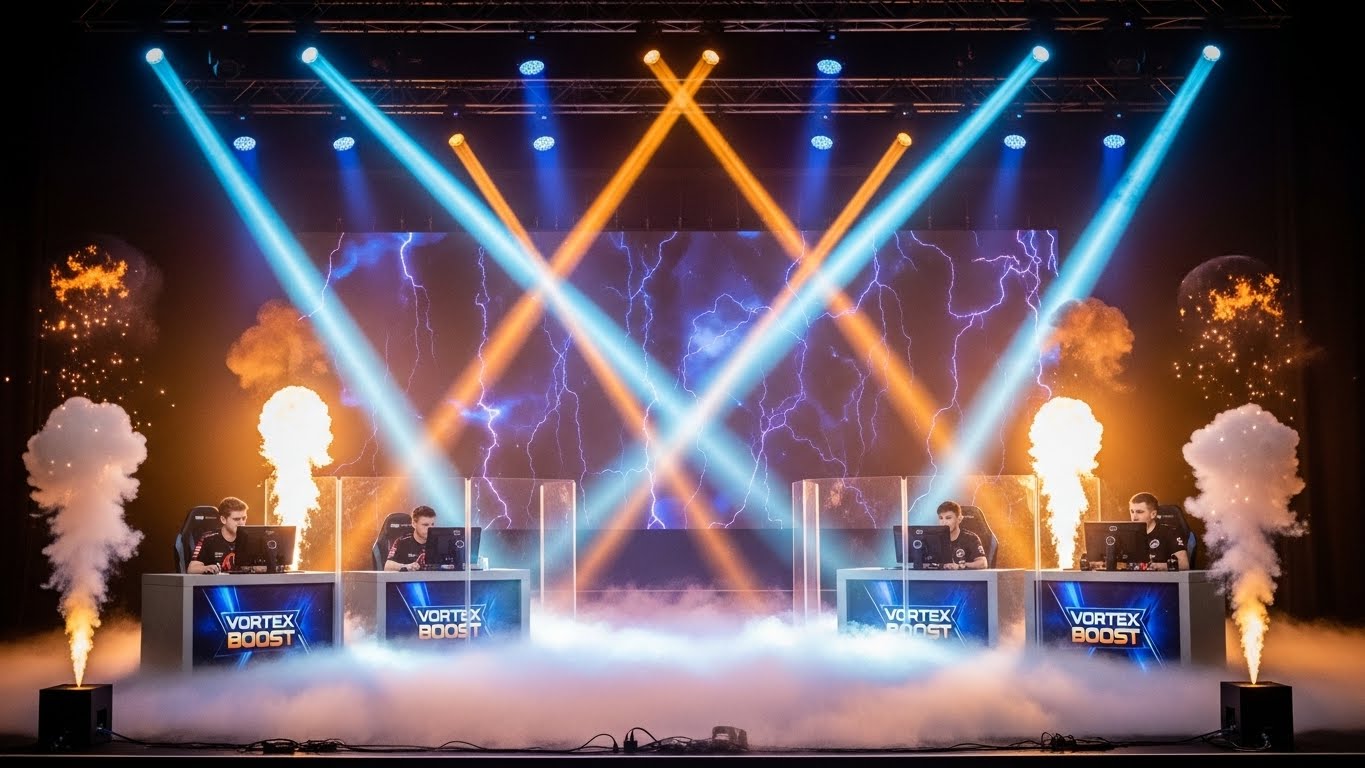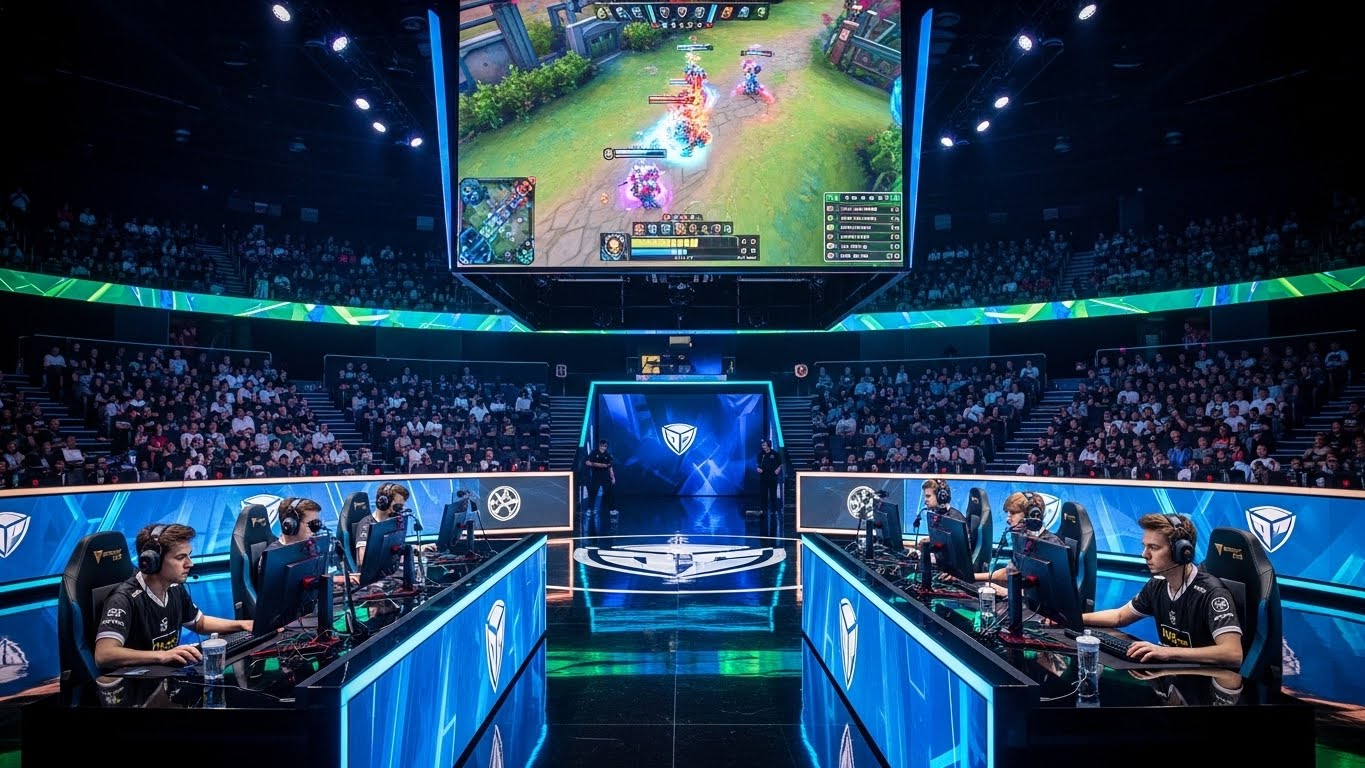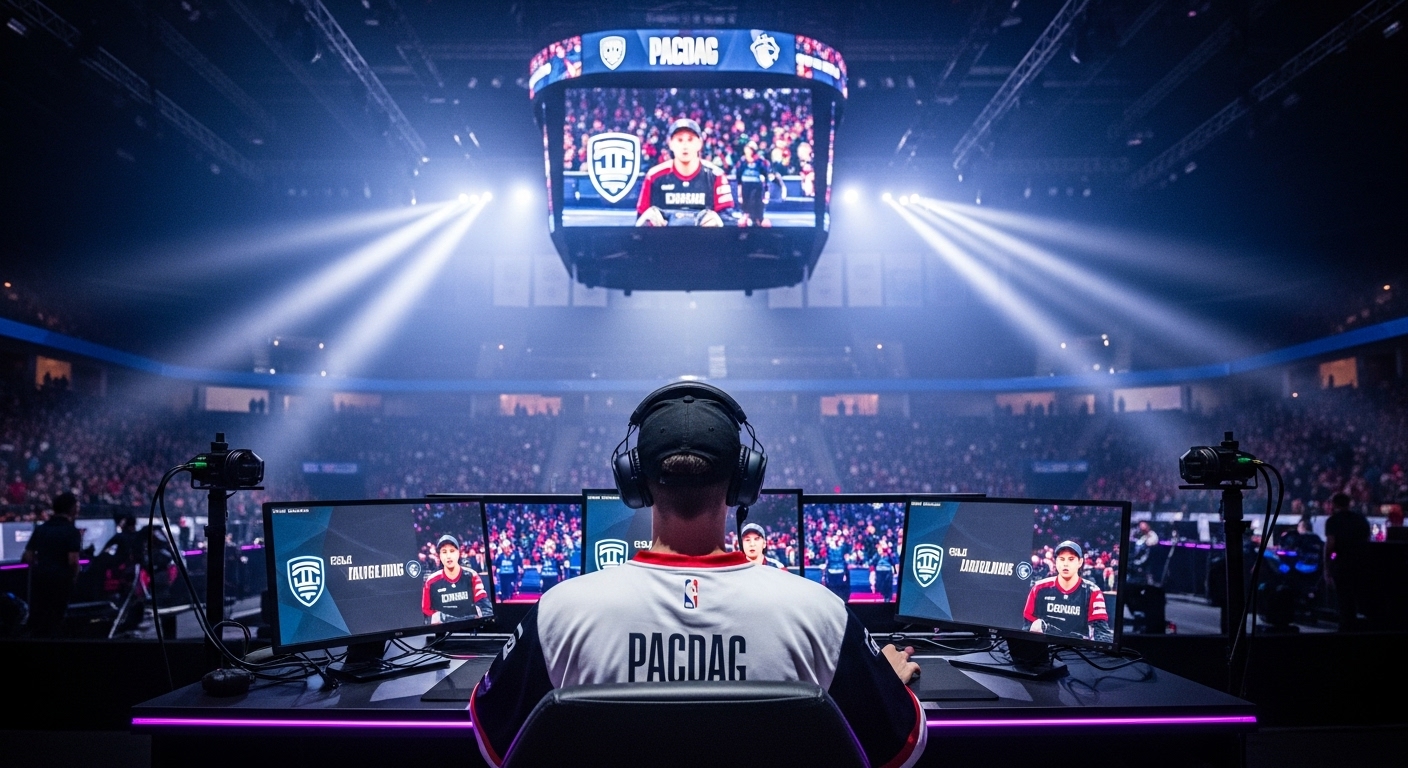
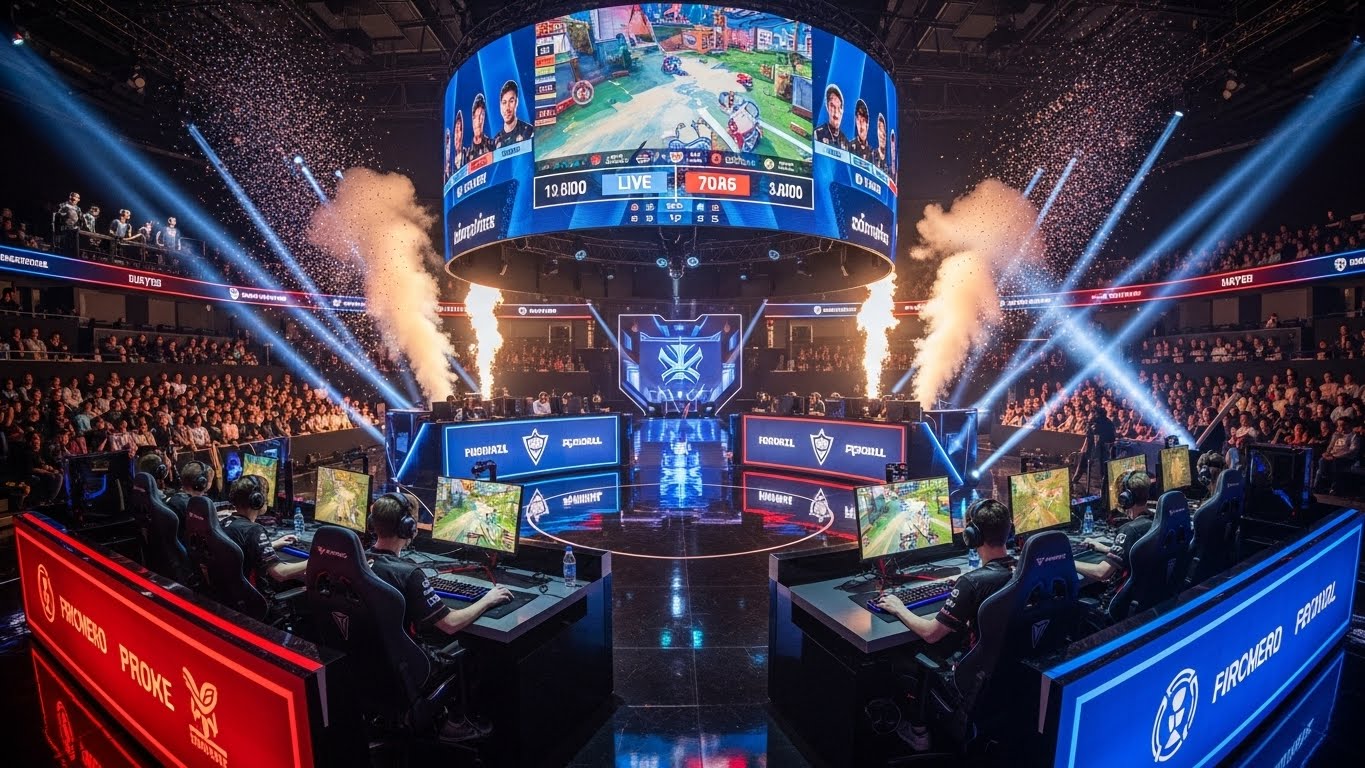
In recent years, esports has emerged as a global phenomenon, transforming the way people perceive gaming and competition. Once considered a niche hobby, competitive gaming now attracts millions of players, fans, and investors worldwide. Esports represents the convergence of technology, entertainment, and sportsmanship, creating a dynamic ecosystem that thrives on strategy, skill, and collaboration. This blog explores the multifaceted world of esports, examining its history, cultural impact, economic significance, and future potential.
The Rise of Esports: From Hobby to Global Phenomenon
The origins of esports can be traced back to the 1970s and 1980s when arcade games and early home consoles first gained popularity. While early gaming competitions were localized and informal, they laid the groundwork for structured tournaments in the years to come. The 1990s saw the emergence of online multiplayer games, allowing players from different regions to compete against each other. Games such as StarCraft, Counter-Strike, and Quake became the early pillars of competitive gaming.
The 2000s marked a turning point as high-speed internet became widely accessible, facilitating large-scale online tournaments. Organizations dedicated to esports began to form, and events started attracting significant audiences. Today, esports tournaments are held in massive arenas and streamed online to millions of viewers worldwide, showcasing a level of professionalism and excitement comparable to traditional sports.
Understanding Esports: Competitive Gaming Defined
Esports, short for electronic sports, refers to organized, competitive gaming where players or teams compete in video games at professional levels. Unlike casual gaming, esports emphasizes strategy, skill, and teamwork. Players dedicate hours to mastering their chosen games, analyzing opponents, and refining their techniques.
Esports encompasses various genres, including multiplayer online battle arenas, first-person shooters, real-time strategy, sports simulations, and fighting games. Each genre requires unique skills, whether it’s precise reflexes, strategic thinking, or effective communication. This diversity ensures that esports offers something for every type of player and fan.
The Physical and Mental Demands of Esports
While esports might appear to be purely digital, it requires both mental and physical endurance. Professional players train rigorously to enhance their reaction time, decision-making abilities, and concentration. Hand-eye coordination, reflex speed, and precise timing are critical, often dictating the difference between victory and defeat.
Mental resilience is equally important. Competitive gaming involves high-pressure situations, where a single mistake can cost an entire match. Players must manage stress, maintain focus, and adapt quickly to changing circumstances. Physical health also plays a role, as long hours of practice can lead to repetitive strain injuries, fatigue, and posture-related issues. Teams often employ fitness trainers and health professionals to ensure players maintain peak performance.
Esports as a Career Path
Esports has evolved into a legitimate career option, offering opportunities beyond playing professionally. Top players can earn substantial income through tournament winnings, sponsorships, streaming, and content creation. Successful players often develop personal brands, attracting fans and endorsements similar to traditional athletes.
Beyond players, the esports ecosystem provides careers in coaching, team management, event organization, game development, broadcasting, and marketing. The industry’s rapid growth has created a global demand for skilled professionals, making esports an attractive and viable career path for individuals passionate about gaming and technology.
The Cultural Impact of Esports
Esports has significantly influenced modern culture, particularly among younger generations. It has created a shared space where people from diverse backgrounds connect through a common passion. Online communities, fan forums, and live-streaming platforms foster interaction, discussion, and collaboration among fans worldwide.
Moreover, esports has blurred the line between entertainment and sports. Just as traditional sports have role models and fan heroes, esports has cultivated professional players who inspire millions. Competitive gaming tournaments now attract massive live audiences, with fans showing loyalty, enthusiasm, and even rivalries reminiscent of football or basketball fandoms.
Economic Significance of Esports
The economic impact of esports is immense and continues to grow. The industry generates revenue through tournament sponsorships, advertising, merchandise sales, broadcasting rights, and game sales. Major tournaments offer prize pools worth millions of dollars, reflecting the industry’s financial potential.
Additionally, esports has become a catalyst for technological development, including innovations in streaming technology, gaming hardware, and software platforms. Local economies benefit from hosting international tournaments, as these events attract tourism, media attention, and investment. Esports has firmly established itself as a powerful economic driver with a global reach.
Esports and Education
Esports is increasingly being integrated into educational institutions, with schools and universities recognizing its value in promoting critical thinking, teamwork, and leadership skills. Many institutions now offer esports programs, scholarships, and competitive teams, treating gaming as a legitimate extracurricular activity.
These programs teach students valuable skills such as strategic planning, communication, and time management. They also provide pathways to careers in technology, media, and entertainment, highlighting esports as a tool for personal development and academic engagement.
Technology Driving Esports
Technology is at the heart of esports, shaping the way games are played, watched, and analyzed. High-performance gaming hardware, such as graphics cards, processors, and peripherals, allows players to perform at peak levels. Streaming platforms and broadcasting tools bring tournaments to global audiences in real time, enhancing accessibility and fan engagement.
Data analytics and artificial intelligence are also transforming esports. Teams use performance data to analyze gameplay, identify weaknesses, and develop winning strategies. Virtual reality and augmented reality technologies are expanding the possibilities for immersive gaming experiences, further pushing the boundaries of competitive gaming.
Women in Esports
While esports has historically been male-dominated, the participation of women has steadily increased. Female players, commentators, and content creators are breaking barriers and gaining recognition. Organizations and communities are actively promoting inclusivity and diversity, encouraging women to pursue competitive gaming and leadership roles within the industry.
Increased visibility of women in esports challenges stereotypes and inspires the next generation of female gamers. Gender inclusivity not only strengthens the community but also fosters creativity, collaboration, and innovation within the esports ecosystem.
Esports as a Platform for Social Change
Esports has the potential to influence social change, as it provides a platform for raising awareness on important issues. Players, teams, and organizations have used their visibility to advocate for causes such as mental health awareness, equality, and charitable initiatives.
Community-driven esports programs, especially for underprivileged youth, create opportunities for education, mentorship, and skill development. By combining competitive gaming with social responsibility, esports demonstrates its capacity to make a positive impact beyond entertainment.
Challenges Facing the Esports Industry
Despite its rapid growth, the esports industry faces several challenges. Player burnout, mental health issues, and the pressure to perform at peak levels are ongoing concerns. Regulatory frameworks for fair competition, anti-cheating measures, and player contracts are still evolving, requiring careful attention.
Additionally, the perception of esports as “just a game” persists in some parts of society, limiting opportunities for recognition and funding. Addressing these challenges is essential to ensure the sustainability and credibility of esports as a professional industry.
The Future of Esports
The future of esports is bright and full of potential. Advancements in technology, increased investment, and growing mainstream acceptance are poised to drive further growth. Esports will continue to innovate in gameplay, fan engagement, and educational opportunities, solidifying its place as a major form of entertainment and competition.
As the industry matures, it is likely that esports will achieve recognition comparable to traditional sports, with more structured leagues, standardized rules, and widespread media coverage. The convergence of gaming, technology, and culture ensures that esports will remain a significant part of global entertainment for years to come.
Conclusion: Esports as a Cultural and Competitive Revolution
Esports is more than just a trend; it is a cultural and competitive revolution. It challenges traditional notions of sports, entertainment, and career paths while fostering global communities and technological innovation. Through its blend of strategy, skill, and spectacle, esports engages millions of players and fans, creating an ecosystem that thrives on passion and dedication.
As esports continues to grow, it promises to inspire new generations, break barriers, and redefine the boundaries of competition. Whether you are a player, fan, or observer, the world of esports offers excitement, opportunity, and a glimpse into the future of interactive entertainment. Competitive gaming has proven that in the digital age, the arena of human achievement extends far beyond physical fields—it thrives in virtual worlds where skill, teamwork, and resilience reign supreme.