Introduction: A New Era of Competitive Play
Esports, once a niche hobby confined to dimly lit gaming cafés and basement LAN parties, has evolved into one of the fastest-growing entertainment industries in the world. What was once viewed as casual recreation has transformed into a legitimate profession, drawing millions of viewers, generating significant revenue, and shaping the future of sports culture. This blog explores how esports became a global phenomenon, the ecosystem fueling its growth, and the opportunities it continues to create for players, creators, and fans.
The Origins of Competitive Gaming
The roots of esports stretch back to the early days of arcade machines and home computers. Competitive gaming began when players started challenging each other for high scores, often displayed on leaderboard screens. As technology advanced, so did the ambitions of gamers. Multiplayer games on early consoles and PCs opened the door to organized competitions, giving rise to tournaments and leagues long before esports became a recognized industry.
The true spark came with the internet boom. Players could suddenly challenge opponents from around the world in real time, transforming gaming from a solitary pastime into a global battleground. This shift laid the foundation for the massive, interconnected esports ecosystem we know today.
The Rise of Professional Esports Organizations
The emergence of dedicated esports organizations marked a defining moment in the industry. These teams began recruiting top-tier players, offering structured training environments, coaching staff, analysts, and business managers. What once resembled informal gaming communities transformed into full-fledged professional franchises.
Today, many esports organizations operate similarly to traditional sports teams. They manage player contracts, negotiate sponsorships, and build fanbases. This level of professionalism has pushed esports into mainstream visibility, attracting investment from major companies, celebrities, and even athletes from established sports.
Popular Game Titles Shaping the Industry
Esports success is closely tied to the games that fuel competition. Each game brings its own culture, mechanics, and fanbase, contributing to the diversity of the esports landscape. Titles like League of Legends, Dota 2, and Counter-Strike have defined the industry for years, offering deep strategic gameplay and massive communities.
Meanwhile, newer games such as Valorant, Apex Legends, and Fortnite have expanded the audience even further. These titles introduced fresh formats, accessible gameplay styles, and dynamic visuals that appeal to younger players and casual viewers. The breadth of game genres ensures that there is a place for nearly every type of gamer, from strategy enthusiasts to battle royale adventurers.
The Global Growth of Esports Tournaments
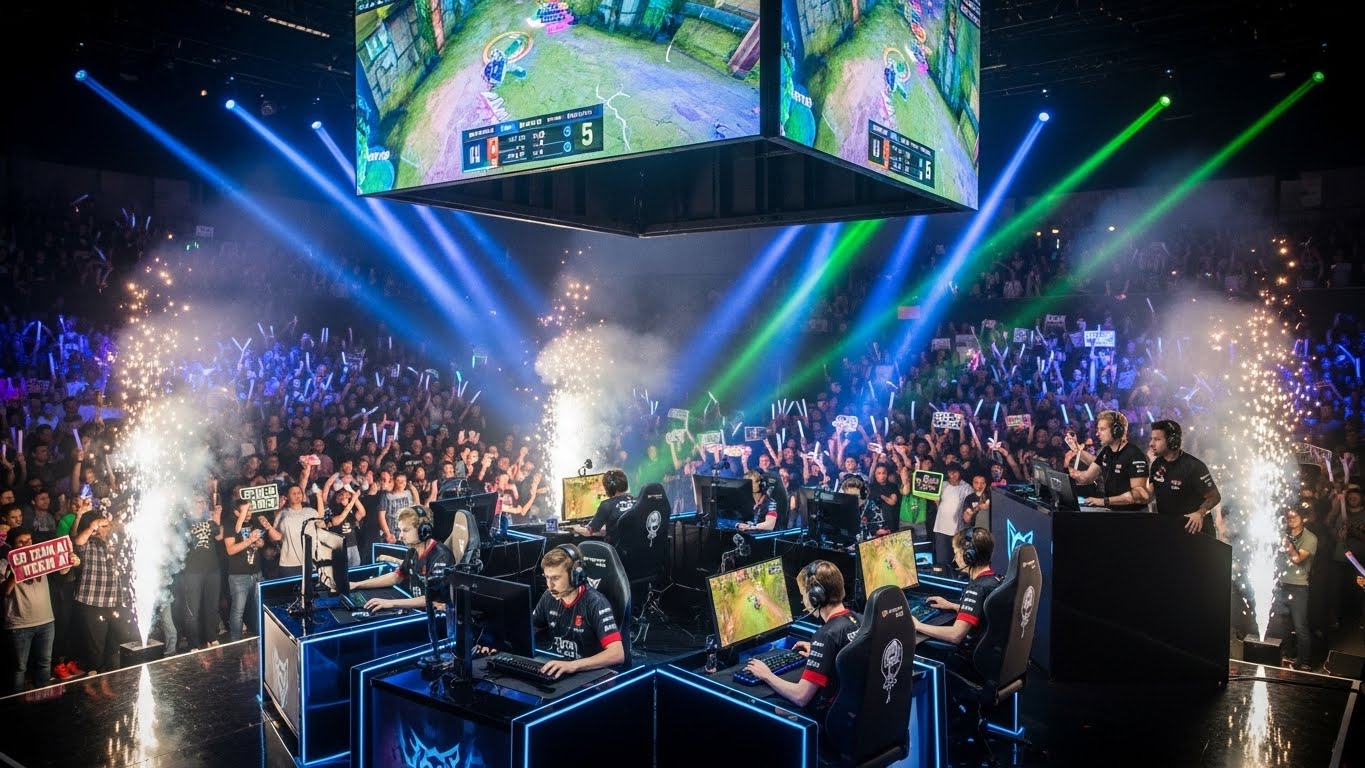
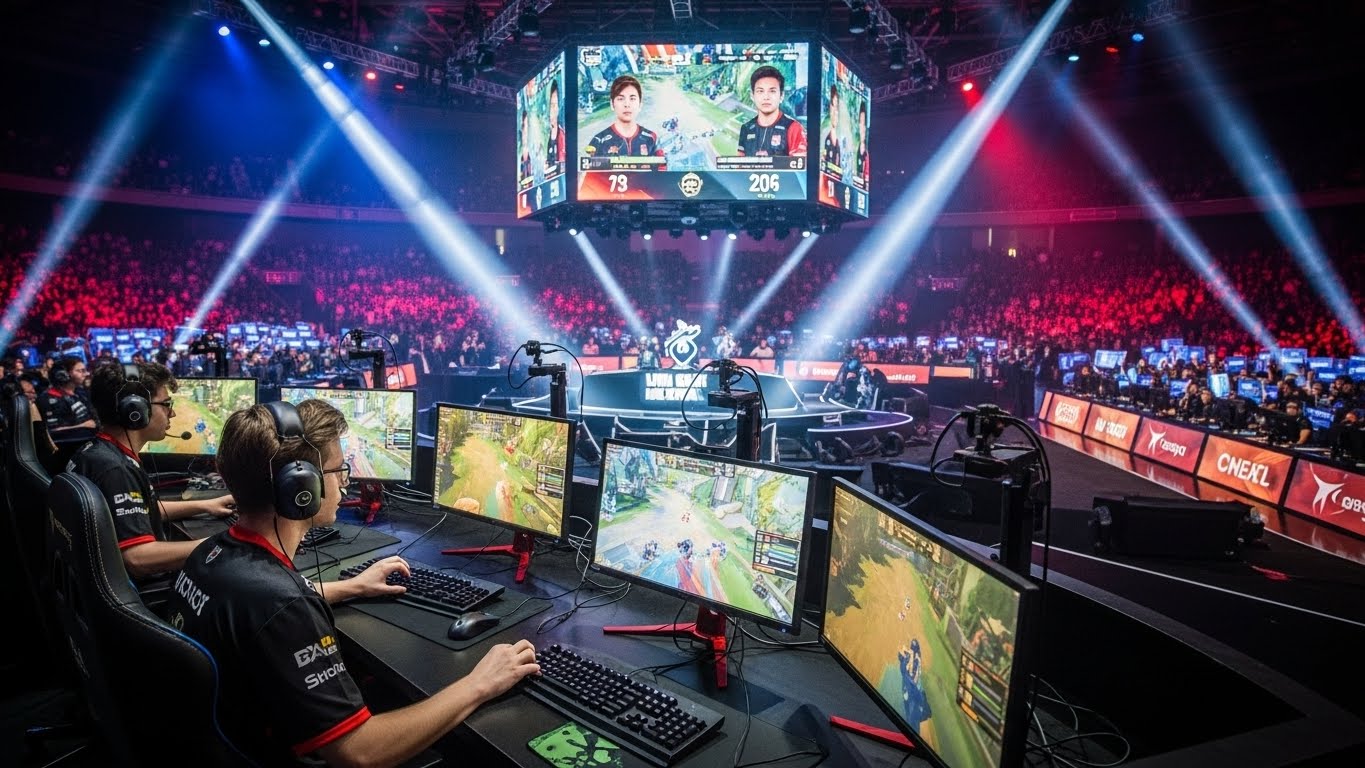
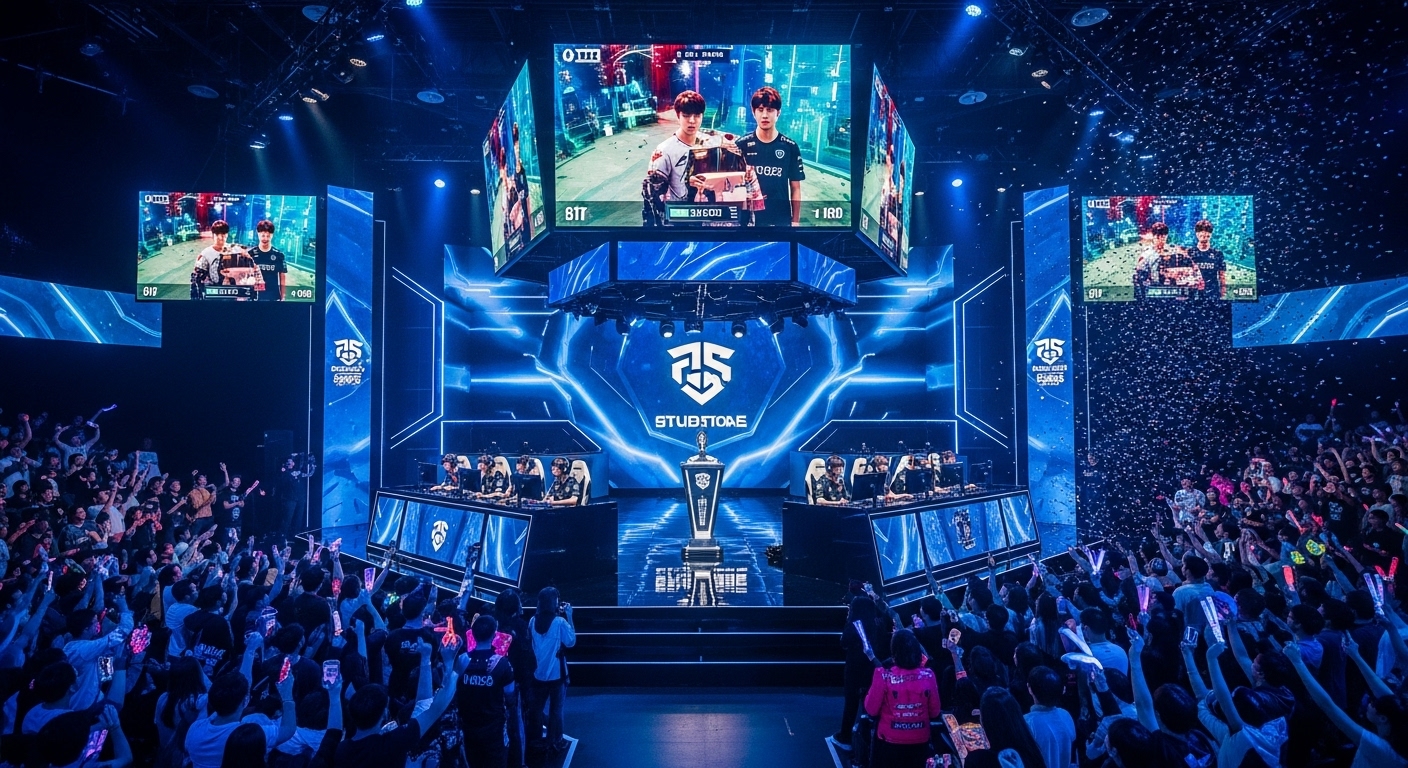
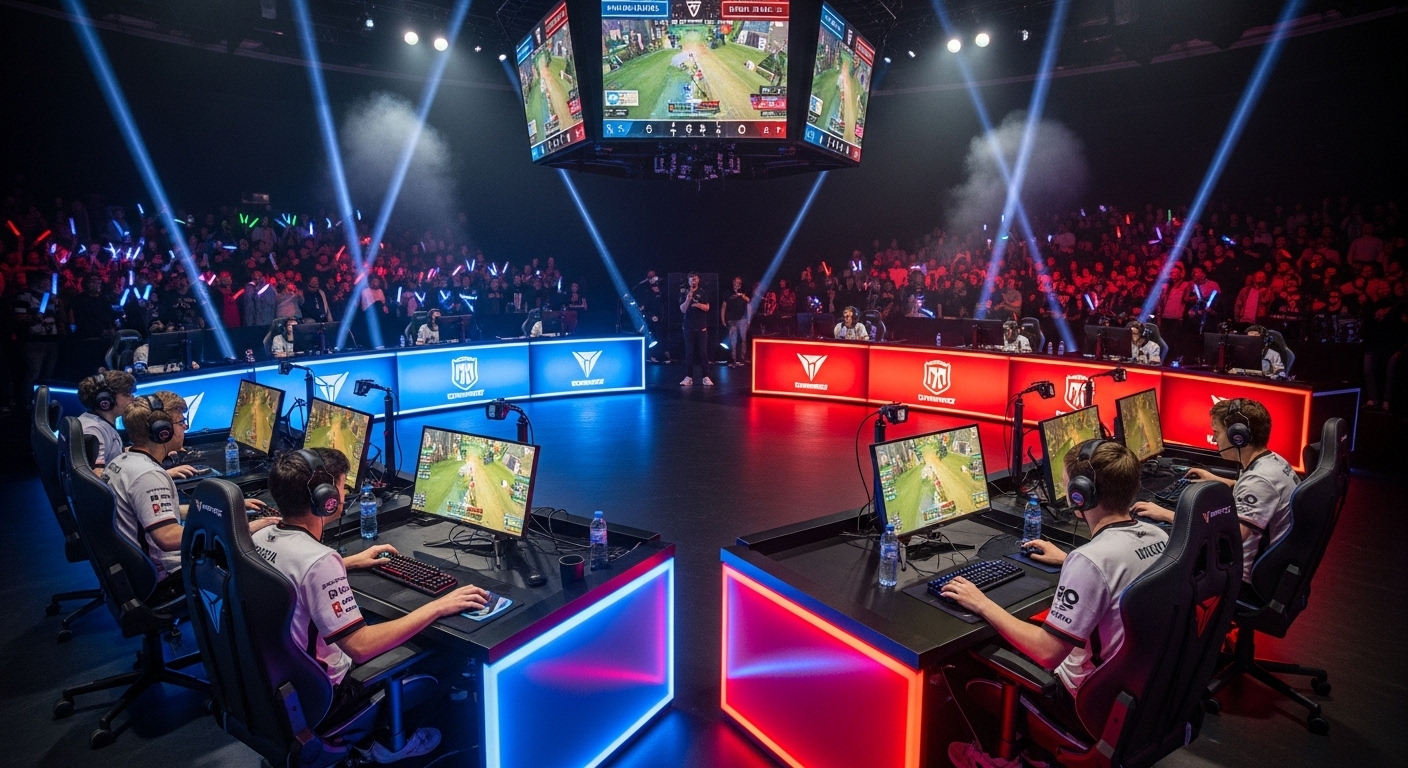
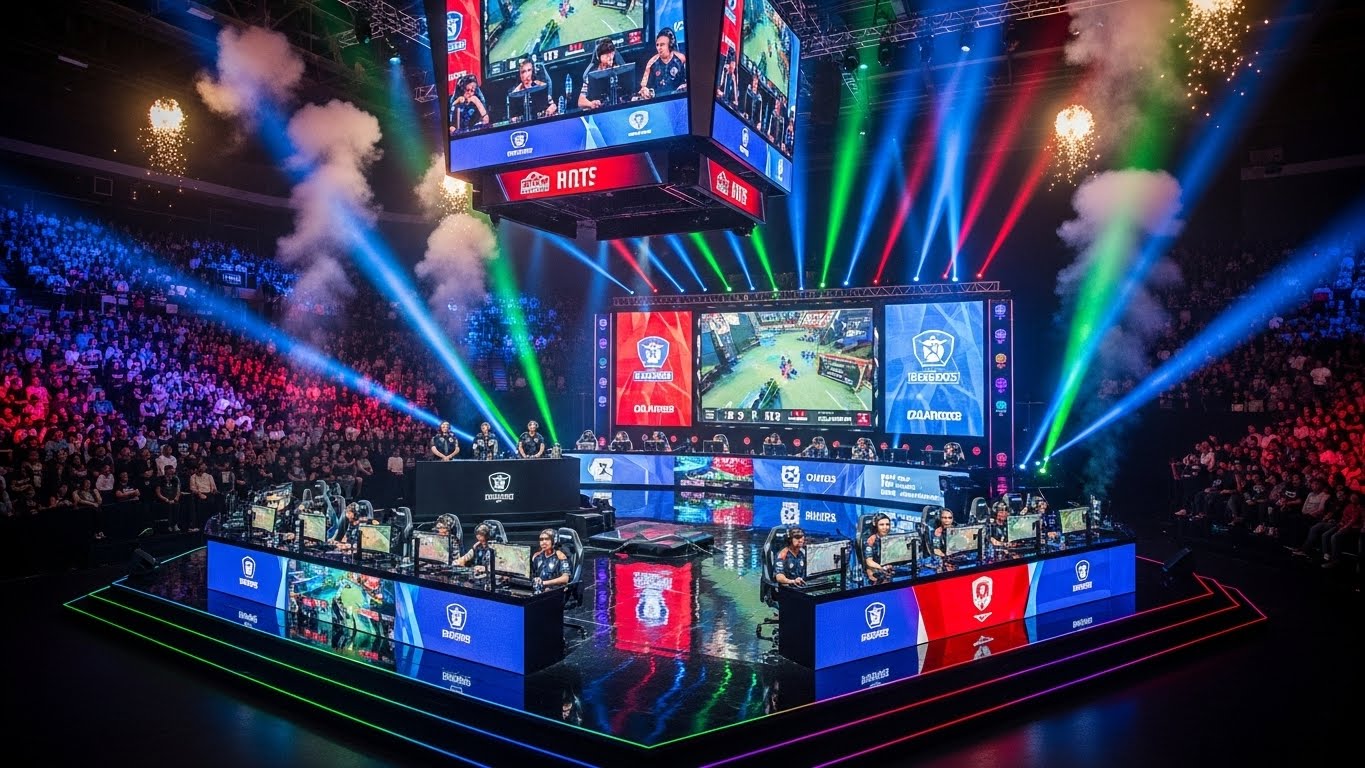
One of the most thrilling aspects of esports is the sheer spectacle of major tournaments. These events attract millions of viewers, fill stadiums, and offer prize pools that rival some traditional sports competitions. Large-scale tournaments have transformed esports into must-watch entertainment, complete with intense rivalries, emotional victories, and unforgettable moments.
Events such as world championships and international leagues serve as the pinnacle of competitive play. Players from different countries clash for glory, representing their teams, regions, and personal legacies. The passionate fandom surrounding these tournaments has helped push esports into the mainstream, cementing its role in modern entertainment.
Esports Audiences and Fan Culture
Esports fandom operates on a level that blends the energy of sports enthusiasts with the creativity of online communities. Fans follow their favorite teams, track player stats, watch livestreams, and participate in discussions that elevate the experience beyond simply watching competitions.
Streaming platforms have played a massive role in this cultural shift. Fans can engage directly with players, watch behind-the-scenes content, and learn the strategies that professionals use. This accessibility has created a deep bond between players and their audiences, helping esports thrive through genuine community engagement.
The Growing Influence of Streaming and Content Creation
While professional tournaments form the peak of esports competition, streaming has become the heart of daily engagement. Platforms that allow gamers to share live content have transformed many players into influential personalities with millions of followers. These content creators bridge the gap between professional gameplay and everyday entertainment.
Streaming has also opened pathways for aspiring players to showcase their skills. Many top esports professionals were first discovered through streaming platforms, proving that talent can be recognized without traditional scouting or tryouts. This democratization of opportunity is one of the defining advantages of esports as an industry.
The Economics of Esports: Sponsorships, Revenue, and Opportunities
The financial ecosystem surrounding esports has grown dramatically in recent years. Sponsorships, advertising, team merchandise, tournament ticket sales, and streaming revenue all contribute to the industry’s impressive economic scale. Brands from various sectors, including technology, fashion, food, and even automotive industries, have invested heavily in esports.
This financial momentum has opened the door for countless job opportunities beyond playing professionally. Roles such as coaches, analysts, event organizers, broadcasters, social media managers, and marketers are now essential parts of the esports world. For many individuals, esports has become a viable and rewarding career path.
The Mental and Physical Demands of Professional Play
Despite the misconception that esports requires little physical effort, professional gaming demands intense mental focus, strategic planning, and quick reflexes. Players train for hours daily, honing their coordination, teamwork, and stamina. The pressure of competition, travel schedules, and performance expectations can be overwhelming.
As the industry grows, organizations increasingly prioritize player health and well-being. Many teams employ sports psychologists, nutritionists, and fitness trainers to support their players. This emphasis on holistic wellness ensures that esports athletes remain at peak performance both mentally and physically.
Challenges Facing the Esports Industry
Although esports has seen rapid growth, it is not without challenges. Maintaining sustainable player careers, promoting diversity, preventing burnout, and managing the integrity of competitions are ongoing concerns. Additionally, the industry continues to navigate issues such as game publisher control, standardization of tournament rules, and global regulatory differences.
Despite these hurdles, esports continues to evolve. Industry leaders, players, and fans actively collaborate to create more inclusive, stable, and forward-thinking structures that support long-term success.
The Impact of Esports on Youth and Education
Esports has begun influencing academic institutions, with many schools and universities forming official teams and offering scholarships for competitive gaming. These programs recognize the value of esports in developing teamwork, strategic thinking, communication skills, and digital literacy.
Students now have access to structured environments that support their competitive ambitions while promoting education and personal growth. As esports becomes a recognized academic path, it provides opportunities for young people who might not resonate with traditional sports or extracurricular activities.
Technology Pushing the Industry Forward
Advancements in gaming technology play a vital role in the continued rise of esports. High-performance hardware, faster internet speeds, and sophisticated game engines enable smoother, more immersive gameplay. Virtual reality, augmented reality, and artificial intelligence also hold potential for transforming the esports experience in the future.
As technology continues evolving, new formats of competition will emerge, further expanding what esports can offer to players and audiences alike.
The Future of Esports
Looking ahead, esports shows no signs of slowing down. With increasing global attention, expanding involvement from major industries, and growing cultural acceptance, esports is positioned to become a dominant force in entertainment for generations to come. Innovations in technology will introduce new genres, new competitive formats, and new ways to connect fans worldwide.
In the next decade, esports may rival traditional sports in scale and influence. As new players rise, new teams form, and new audiences join the excitement, esports will continue shaping how the world views competition and digital culture.
Conclusion: More Than Just a Game
Esports is much more than competitive gaming. It represents passion, innovation, community, and the unifying power of play. What began as a niche pastime has transformed into a global phenomenon that brings people together across continents, languages, and backgrounds. As the industry continues to evolve, its impact on entertainment, technology, and culture will only grow stronger.