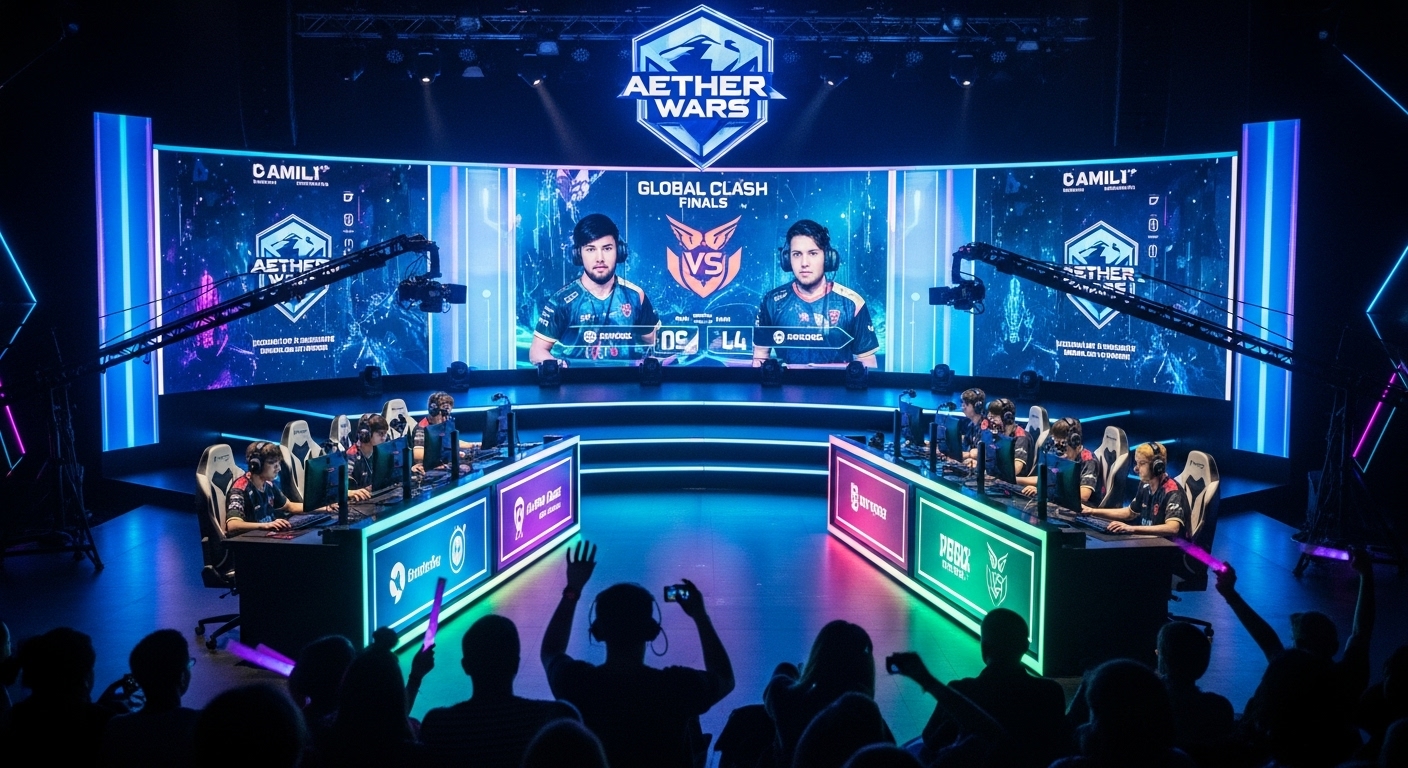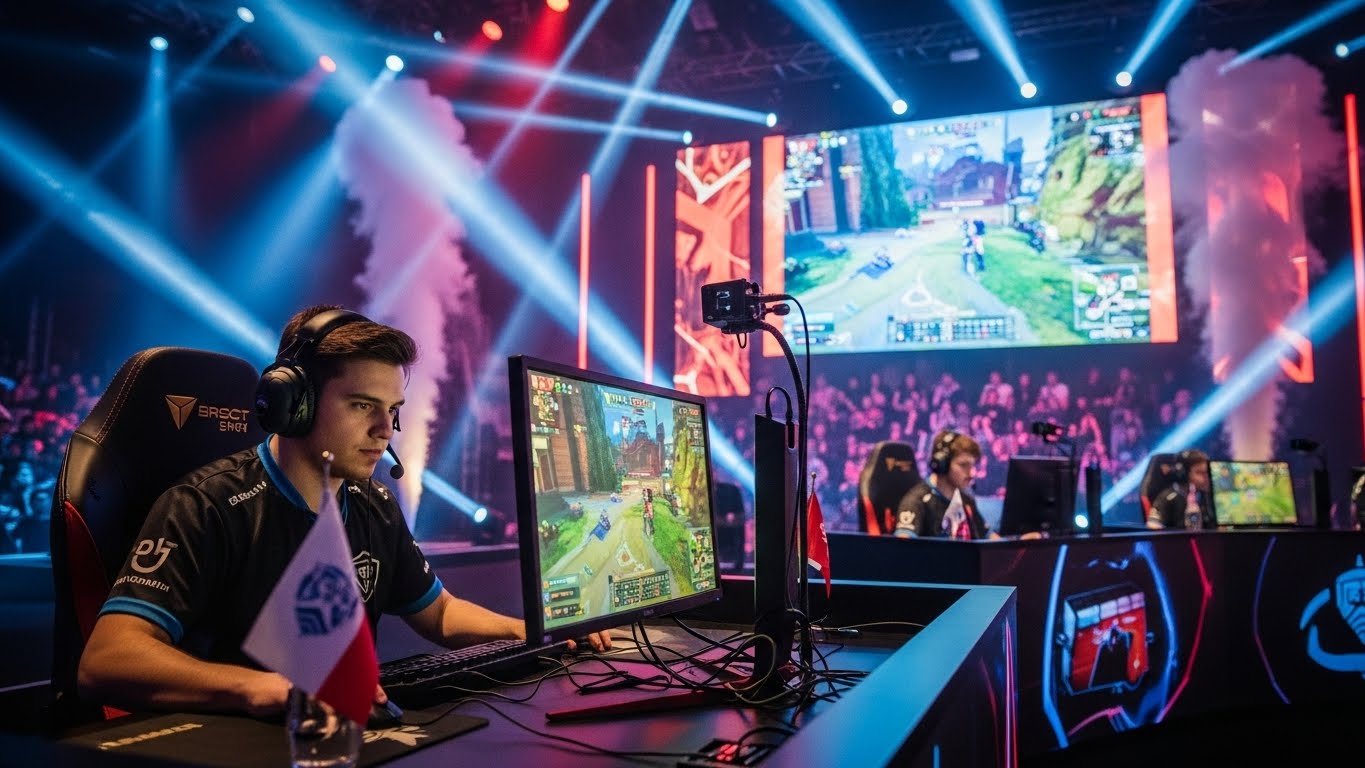
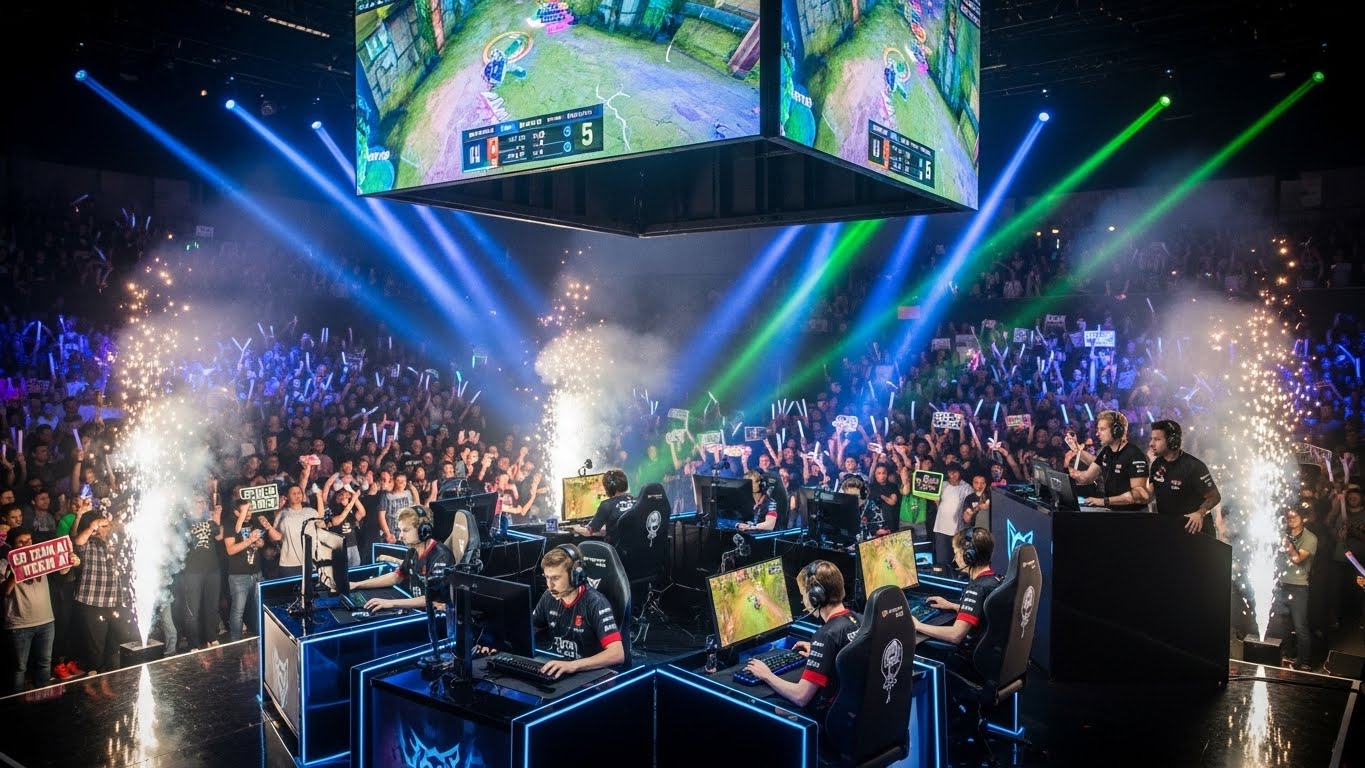
In the last decade, the world of esports has evolved from a niche hobby into a global phenomenon. What was once a small community of competitive gamers has grown into a multi-billion-dollar industry with millions of fans, professional players, teams, sponsors, and media coverage. This rise has not only changed how we view gaming, but also how we engage with sports, entertainment, and technology. But what exactly is driving this meteoric rise, and where does esports stand today in the world of entertainment?
In this blog post, we will explore the fascinating world of esports, delving into its origins, growth, impact on traditional sports, and the future prospects of competitive gaming. Whether you’re a seasoned esports fan or someone just starting to explore this universe, this post aims to provide you with a comprehensive look at what makes esports such a compelling and exciting space.
What Is Esports?
Esports, short for “electronic sports,” refers to competitive video gaming, where individuals or teams play against each other in organized tournaments or leagues, often with a professional level of play. Unlike casual gaming, esports is highly competitive and involves rigorous training, strategic planning, and skill development, akin to traditional sports.
The games involved in esports are varied and span multiple genres, including real-time strategy (RTS), first-person shooters (FPS), multiplayer online battle arenas (MOBAs), and sports simulation games. Some of the most popular games in the esports scene include titles like League of Legends, Dota 2, Counter-Strike: Global Offensive, Fortnite, Overwatch, and Call of Duty.
These games typically feature competitive multiplayer modes where players face off against each other, either individually or as part of teams. The winners often receive cash prizes, sponsorship deals, and global recognition, while the best players can make a career out of their gaming skills.
The Origins of Esports
The roots of esports can be traced back to the early 1970s and 1980s, when the first competitive gaming events were organized. One of the earliest documented esports tournaments was the 1972 Spacewar championship at Stanford University, which was part of a computer science event. However, it wasn’t until the late 1990s and early 2000s that esports began to develop into a more formalized and recognized industry.
One pivotal moment in esports history occurred in 1997, with the creation of the Red Annihilation tournament for Quake, a popular first-person shooter. This event attracted thousands of players from around the world and became one of the first major global esports competitions. However, it wasn’t until the early 2000s, when games like Warcraft III, StarCraft, and Counter-Strike gained massive popularity, that esports began to garner significant attention, particularly in South Korea. By the mid-2000s, esports had become a mainstream phenomenon in South Korea, with televised tournaments and professional leagues established for various games.
Esports Growth and Globalization
The rapid growth of esports in the 2010s can be attributed to several factors: the increasing accessibility of high-speed internet, the rise of streaming platforms like Twitch, the rise of mobile gaming, and the growing involvement of large corporations and sponsors. These developments enabled esports to reach a larger global audience, with fans tuning in to watch their favorite players and teams compete in high-stakes tournaments.
Streaming platforms, in particular, have played a critical role in the growth of esports. Twitch, which was launched in 2011, has become the dominant platform for live-streaming esports events and competitive gaming content. Players and fans alike can engage in real-time interactions during tournaments, making the experience more immersive and interactive. Other platforms like YouTube, Facebook Gaming, and now even TikTok have also contributed to the esports boom by offering additional avenues for streaming and viewing.
In terms of viewership, esports has seen exponential growth. Major tournaments like the League of Legends World Championship, The International (Dota 2), and the Overwatch League regularly attract millions of viewers from around the globe. These events often feature grand prize pools worth millions of dollars, further fueling interest in esports as a professional career choice.
Esports in the Age of Mainstream Recognition
What sets esports apart from traditional gaming is its emphasis on professionalization. Much like traditional sports, top esports players are required to train rigorously, with practice schedules that can span up to 10-12 hours a day. Esports athletes need to develop reflexes, strategic thinking, and team coordination in ways that mirror the preparation required in physical sports like football or basketball.
The growth of esports has also led to the establishment of professional leagues and tournaments. Games like League of Legends have organized global leagues with teams representing cities and countries, while Dota 2’s annual International event has a global reach with millions of dollars in prize money. These leagues attract sponsorships from major companies in technology, energy drinks, apparel, and even traditional sports, further legitimizing esports as a legitimate form of entertainment.
Even traditional sports organizations have taken note of esports’ potential. Many football teams, basketball franchises, and other sports organizations have formed their own esports teams or entered sponsorship deals with popular esports organizations. For instance, the NBA has its own NBA 2K League, and football clubs like Manchester City and Paris Saint-Germain have invested in esports teams for games like FIFA and League of Legends.
Additionally, some of the world’s biggest tech companies, such as Intel, Samsung, and Red Bull, have invested heavily in the esports ecosystem. These partnerships have allowed tournaments to be broadcast in stunning high-definition quality and reach an even wider audience. Esports is no longer confined to the niche world of gaming enthusiasts but has entered the broader mainstream entertainment landscape.
The Financial Impact of Esports
The financial side of esports has become a game-changer. The esports industry was valued at around $1 billion in 2019, and this number continues to rise. Sponsorships, advertising, merchandise sales, and media rights all contribute to this booming economy. Major esports tournaments often have prize pools reaching millions of dollars. The International 2018 set a record with a prize pool of over $25 million, making it one of the largest prize pools in the history of sports and entertainment.
In addition to tournament earnings, professional esports players often earn income through sponsorships, brand deals, and streaming revenue. Top players can amass significant wealth through these multiple income streams. For example, players like Ninja (Tyler Blevins) and Shroud have earned millions of dollars through streaming platforms, sponsorships, and appearances.
Esports has also created job opportunities in fields such as event organization, broadcasting, game development, and marketing. This growing industry provides a wide array of career paths for people with various skill sets, ranging from content creation to broadcasting, game design, and even esports medicine.
The Social and Cultural Impact of Esports
Beyond its financial and entertainment value, esports has also had a profound impact on social dynamics and culture. Esports communities foster strong bonds among fans, who often form global networks to discuss strategies, watch tournaments together, and share experiences. The rise of esports has encouraged the idea of gaming as a legitimate social activity, breaking down stigmas that once surrounded video games.
Esports also plays an important role in the inclusion and representation of diverse groups. The esports world is known for being more inclusive than many traditional sports, with a greater emphasis on gender and racial diversity. While the gaming industry has traditionally been male-dominated, more women are now making their mark as professional players, coaches, and commentators. Initiatives aimed at fostering diversity and inclusion in esports are becoming more widespread, providing opportunities for marginalized groups to participate in this exciting field.
The culture of esports has also influenced mainstream pop culture. Many esports players have become celebrities in their own right, with some even crossing over into other areas of entertainment like music and acting. Esports has transcended gaming, becoming a global entertainment and cultural force.
The Future of Esports
As esports continues to evolve, its future looks bright. One of the most exciting developments is the potential integration of esports into the Olympic Games. While esports is not yet an official Olympic sport, discussions around its inclusion have been ongoing. The rapid expansion of esports and its global appeal make it a compelling candidate for future Olympic recognition.
Another area of growth is the integration of virtual and augmented reality (VR and AR) into esports competitions. As technology advances, esports could become even more immersive, with VR and AR providing new ways for players and fans to experience events. In addition, the continued development of artificial intelligence (AI) and machine learning will likely play a role in improving esports training, analytics, and gameplay.
The mobile gaming sector is also growing rapidly, with mobile esports tournaments becoming increasingly popular, especially in regions like Southeast Asia and China. As mobile gaming continues to dominate in many parts of the world, mobile esports tournaments will likely become a major part of the global esports ecosystem.
Conclusion
Esports is no longer just a form of entertainment; it has become a global cultural and economic powerhouse that attracts millions of viewers, players, and investors alike. With its massive growth, the industry is showing no signs of slowing down, and it is poised to continue shaping the way we think about gaming, sports, and entertainment. From its humble beginnings in the early 2000s to its current status as a billion-dollar industry, esports has truly revolutionized the world of gaming.
As technology continues to advance and new generations of gamers emerge, the future of esports is bright, and its impact on culture, society, and the entertainment industry will only continue to grow. Whether you’re a competitive gamer, a casual fan, or someone curious about this evolving world, esports is undoubtedly a space worth exploring.