Esports has grown from a niche hobby into a global phenomenon, captivating millions of players and spectators worldwide. What was once considered a pastime for gamers in their bedrooms is now a professional arena with massive tournaments, sponsorships, and careers built around digital competition. With its unique blend of technology, strategy, and entertainment, esports is reshaping how we think about sports, competition, and digital culture. In this article, we will explore the rise of esports, its cultural impact, the skills it develops, and why it has become a defining feature of modern entertainment.
The Rise of Esports: From LAN Parties to Stadiums
The history of esports dates back to the early days of competitive video gaming. In the 1970s and 1980s, players would compete in arcade games and early home consoles, often in small tournaments or local competitions. The concept of esports truly began to gain traction in the late 1990s and early 2000s with the rise of multiplayer online games and internet connectivity. Games like StarCraft, Counter-Strike, and Warcraft III laid the foundation for organized competitive gaming, attracting players from around the world.
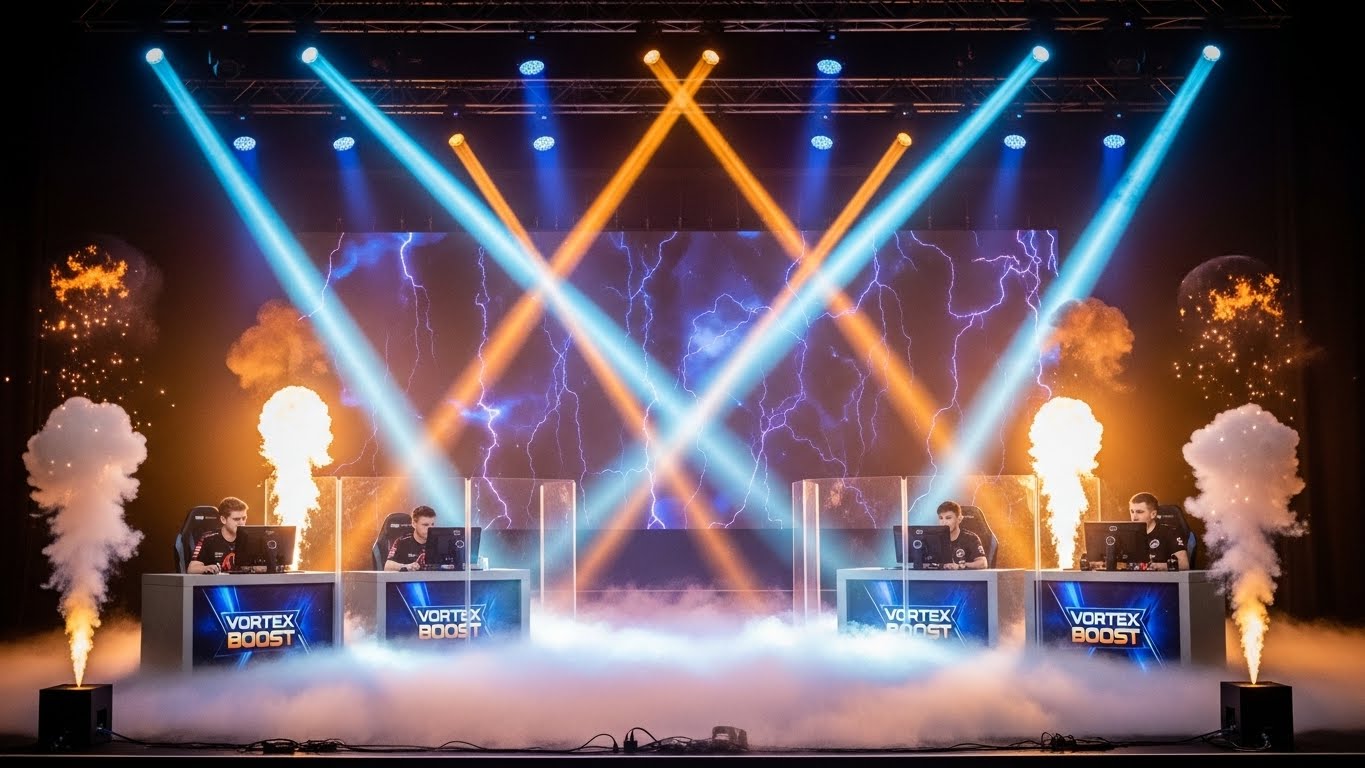
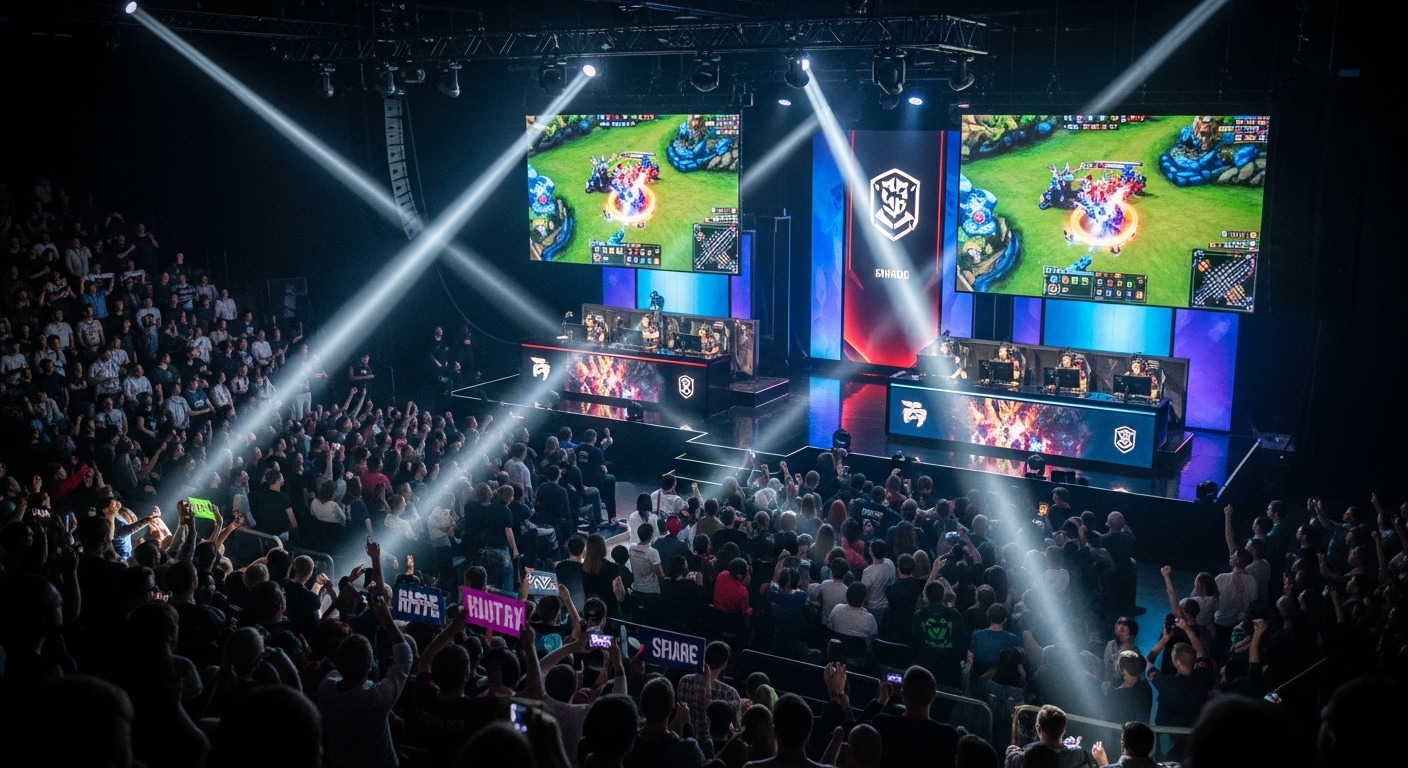
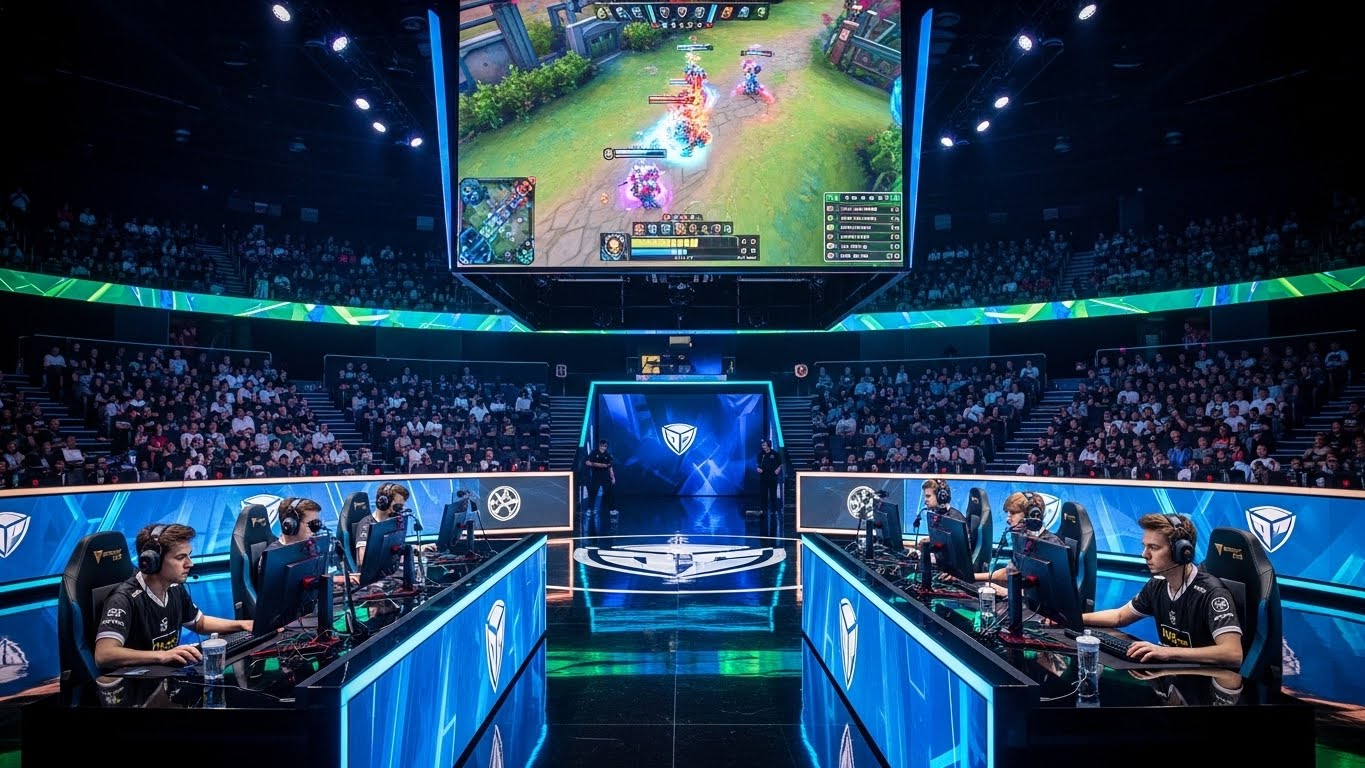
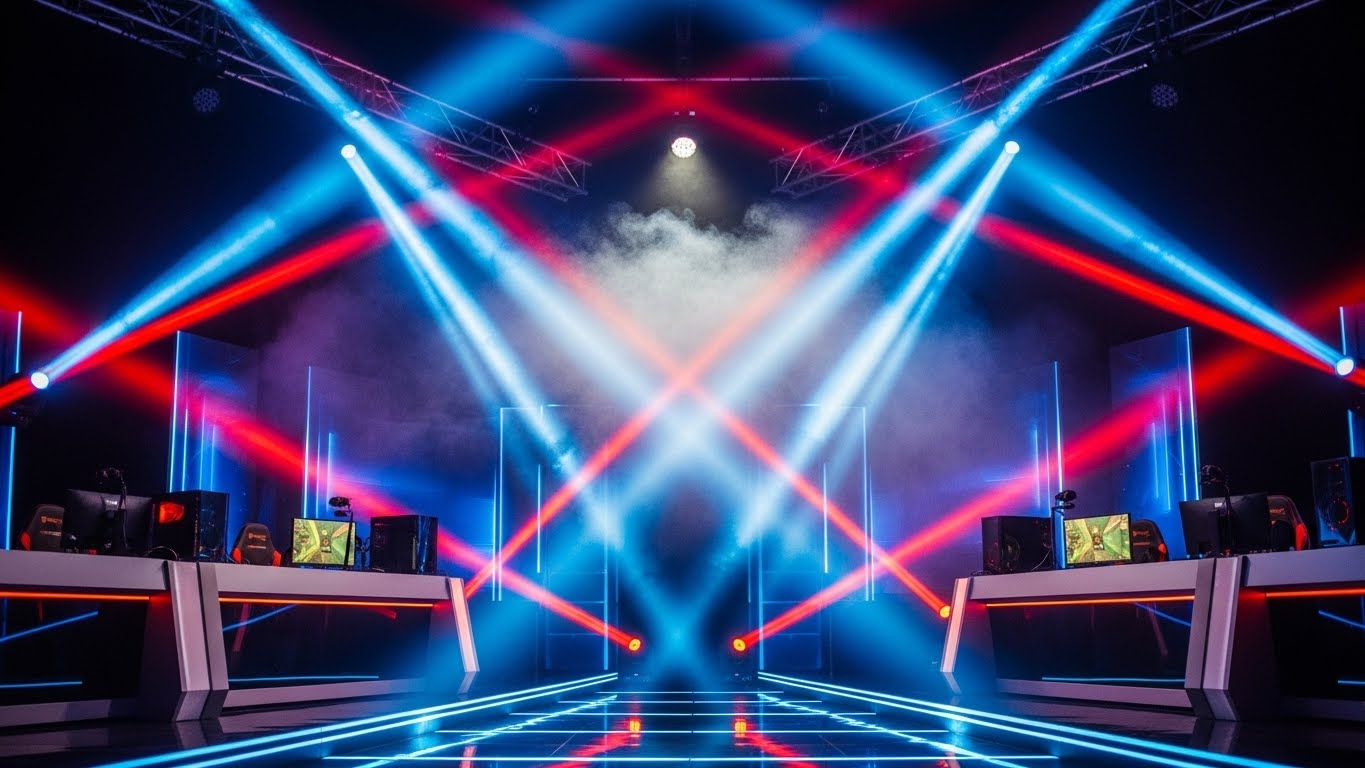
Today, esports is a billion-dollar industry. Major tournaments now fill arenas with thousands of fans, broadcast live to millions online. Platforms like Twitch and YouTube Gaming allow spectators to watch their favorite players and teams in real time, creating a sense of community that transcends geographic boundaries. The rapid growth of esports has also led to professional leagues, franchised teams, and even university scholarships for talented gamers, illustrating how digital competition has evolved into a structured, respected field.
Popular Esports Games and Their Unique Appeal
Esports covers a wide variety of game genres, each offering a unique set of skills and strategies. Multiplayer online battle arena (MOBA) games like League of Legends and Dota 2 require strategic thinking, team coordination, and quick decision-making. First-person shooters (FPS) like Counter-Strike: Global Offensive and Call of Duty demand precision, reflexes, and tactical awareness. Battle royale games like Fortnite combine survival strategies with adaptability and creativity.
Each genre attracts a dedicated fanbase and requires specialized training. Professional players spend countless hours perfecting their mechanics, analyzing opponents, and refining strategies. Just like traditional sports, success in esports depends on a combination of natural talent, practice, and teamwork. The diversity of games ensures that players of all types can find a competitive environment suited to their strengths and interests.
Physical and Mental Skills in Esports
Contrary to the stereotype that gaming is purely sedentary, esports requires a unique combination of mental and physical skills. Hand-eye coordination, reflexes, and precise control of input devices are essential for competitive play. Professional players often train rigorously to maintain peak reaction times and fine motor skills, demonstrating the physical demands of high-level gaming.
Equally important is mental acuity. Esports players must process vast amounts of information in real time, anticipate opponents’ moves, and make strategic decisions under pressure. Concentration, focus, and adaptability are crucial for maintaining performance during extended matches. Players often work with coaches, analysts, and psychologists to optimize both their mental and physical preparation, highlighting the professionalism and dedication involved in competitive gaming.
The Role of Teamwork and Strategy
Team-based esports emphasizes collaboration, communication, and strategy. In games like League of Legends, Dota 2, and Overwatch, individual skill is important, but success is ultimately determined by how well a team executes coordinated strategies. Players must communicate efficiently, share information, and adapt plans on the fly based on opponents’ tactics.
This focus on teamwork mirrors traditional sports in many ways. Just as a soccer team must coordinate passes and formations, an esports team must coordinate rotations, positioning, and resource management. These experiences teach players valuable interpersonal and leadership skills, including conflict resolution, decision-making under stress, and the importance of trust and accountability within a group.
The Cultural Impact of Esports
Esports has created a new cultural landscape where gaming is celebrated as a legitimate form of competition and entertainment. Major tournaments draw millions of viewers, and professional players enjoy celebrity status, influencing fashion, music, and online culture. Esports content has become a staple of streaming platforms, with fans engaging in live commentary, memes, and community-driven discussions.
The rise of esports has also challenged traditional perceptions of gaming. No longer seen as a purely recreational activity, esports demonstrates that gaming can develop cognitive skills, foster social connections, and even provide viable career opportunities. Universities and colleges now offer esports programs, scholarships, and research opportunities, further legitimizing competitive gaming as an academic and professional pursuit.
Esports and Career Opportunities
The esports industry offers a variety of career paths beyond being a professional player. Coaches, analysts, commentators, event organizers, content creators, and marketing specialists all contribute to the ecosystem. Professional players themselves can transition into streaming, brand partnerships, or team management after their competitive careers.
Esports also provides opportunities for entrepreneurship. Many players and enthusiasts create content, develop gaming products, or launch esports organizations, turning passion into profitable ventures. The industry’s rapid growth ensures that there are opportunities for individuals with diverse skill sets, from technical expertise to creative production.
Challenges and Controversies in Esports
Despite its growth, esports faces several challenges. One major concern is the intense pressure and stress experienced by professional players. Long hours of practice, high expectations, and public scrutiny can lead to burnout, mental health issues, and physical strain. Unlike traditional sports, esports players often start their careers at a very young age, making guidance and support essential for sustainable growth.
Another challenge is inclusivity. While esports is more accessible than many traditional sports, issues of diversity and representation persist. Women, minority groups, and players from underrepresented regions often face barriers to entry, discrimination, or lack of support. The industry is gradually addressing these issues through initiatives promoting inclusivity, mentorship, and community-building, but there is still significant work to be done.
The Future of Esports
The future of esports looks promising. As technology continues to advance, new gaming experiences, virtual reality competitions, and AI-driven analytics are likely to reshape the industry. Global investment in esports infrastructure, sponsorships, and media rights is expected to increase, further professionalizing the field.
Esports also has the potential to influence education and personal development. Gamified learning, strategic problem-solving, and teamwork skills cultivated in esports can translate into academic and professional contexts. With ongoing innovation, esports is positioned to remain a significant cultural and competitive force for decades to come.
Conclusion: Esports as a Modern Phenomenon
Esports is more than just gaming; it is a reflection of the intersection between technology, culture, and human competition. It offers physical and mental challenges, fosters teamwork, and provides a platform for creativity, strategy, and personal growth. From small local tournaments to international championships, esports demonstrates that competition can thrive in digital spaces as much as it does on traditional fields.
As esports continues to evolve, it challenges preconceived notions of what it means to be an athlete, a team, or a competitor. It empowers individuals, builds communities, and inspires millions to push the boundaries of their skills. The rise of esports is a testament to the changing nature of competition in the modern world, proving that beyond the screen, there is a vibrant, dynamic, and transformative world waiting to be explored.