Introduction: The New Frontier of Competition
In recent years, esports has emerged as a global phenomenon, transforming competitive gaming from a niche hobby into a mainstream entertainment powerhouse. Once considered a pastime for teenagers in basements, esports now commands multi-million-dollar audiences, massive sponsorships, and professional athletes who dedicate their lives to mastering digital arenas. The rise of esports reflects not only technological advancements but also a cultural shift in how people perceive competition, skill, and entertainment. Today, esports is not just about playing video games; it is a dynamic ecosystem combining strategy, teamwork, psychology, and showmanship on a global scale.
The Evolution of Esports: From Arcade to Stadiums
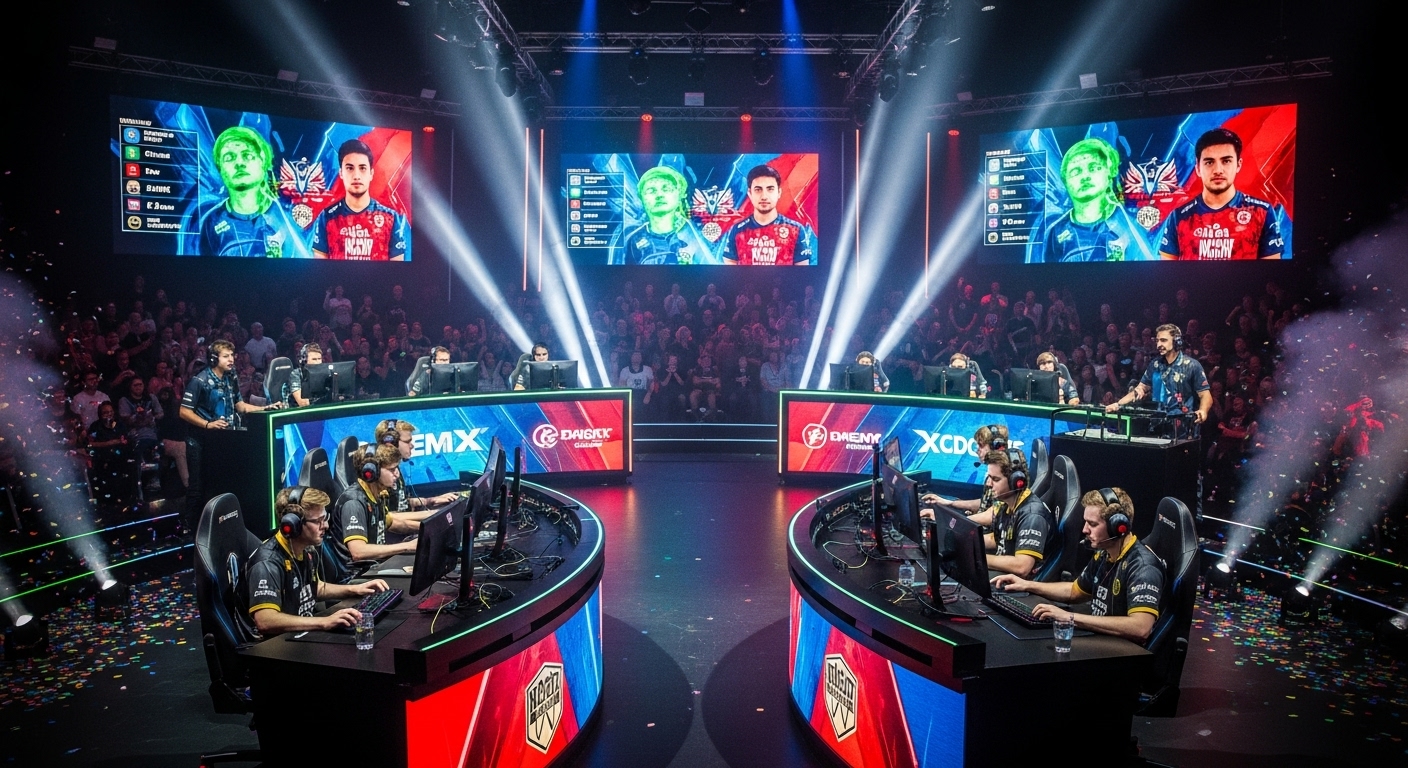
The roots of esports can be traced back to the 1970s and 1980s, when early video game competitions began to appear in arcades and college campuses. Simple games like Space Invaders and Pac-Man laid the groundwork for competitive gaming, as players began seeking recognition for their skills. The 1990s saw a surge in online multiplayer games, which enabled players to connect and compete beyond local networks. Titles like StarCraft in South Korea and Counter-Strike in Europe helped establish the foundation of professional esports leagues. By the 2000s, esports tournaments started gaining traction, attracting sponsors and media attention. Today, esports stadiums can host tens of thousands of fans, while millions more watch live streams online, creating a global spectacle rivaling traditional sports events.
Popular Esports Genres and Games
Esports is not confined to a single type of game; instead, it spans multiple genres, each requiring unique skills and strategies. Multiplayer online battle arena games, or MOBAs, like League of Legends and Dota 2, emphasize teamwork, strategy, and real-time decision-making. First-person shooters, such as Counter-Strike: Global Offensive and Valorant, focus on reflexes, precision, and tactical coordination. Fighting games, including Street Fighter and Tekken, highlight individual skill and timing, while real-time strategy games challenge players with resource management and long-term planning. Recently, sports simulations like FIFA and NBA 2K have introduced familiar athletic competitions into digital arenas, attracting fans who appreciate traditional sports. Each genre contributes to the diversity of the esports industry and draws different audiences, making esports a multifaceted entertainment platform.
The Esports Athlete: Training and Dedication
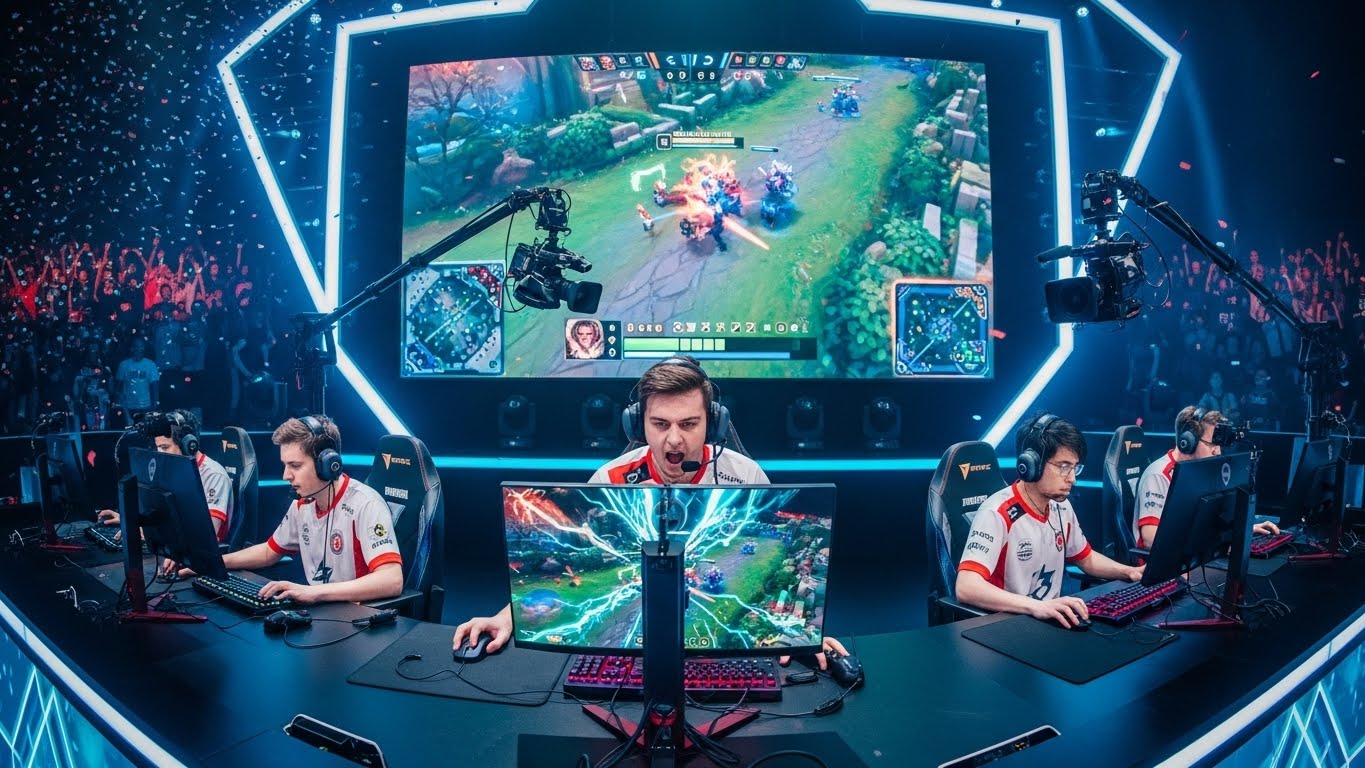
Behind every professional esports player lies rigorous training, discipline, and a strategic approach akin to traditional athletes. Esports competitors often dedicate six to twelve hours a day to practice, reviewing gameplay footage, analyzing opponents, and refining techniques. Physical fitness has also become a key component of professional gaming, as stamina, reflexes, and mental clarity are essential for peak performance. Teams often employ coaches, analysts, and nutritionists to ensure players are prepared for high-stakes competitions. Unlike casual gaming, esports demands consistency, teamwork, and mental resilience, as a single mistake can determine the outcome of a multi-million-dollar match. The dedication of esports athletes challenges stereotypes about gaming being a purely recreational activity, highlighting the professionalism and commitment required at the top level.
The Economics of Esports: A Billion-Dollar Industry
The financial impact of esports is staggering, reflecting its growth from niche hobby to mainstream business. Revenue streams include sponsorships, advertising, merchandise sales, ticket sales, and media rights. Major companies in technology, gaming, and consumer goods are investing in esports to reach younger, digitally connected audiences. Prize pools for tournaments can reach millions of dollars, with top players earning salaries, bonuses, and sponsorship deals that rival traditional sports athletes. Additionally, esports content creation on streaming platforms has created new opportunities for influencers and personalities to monetize their skills and build communities. The economics of esports demonstrate its legitimacy as a professional industry while also revealing the potential for exponential growth as technology and audience engagement continue to evolve.
The Role of Streaming Platforms
Streaming platforms have been instrumental in the rise of esports, enabling fans to watch competitions in real-time and engage with players directly. Platforms like Twitch, YouTube Gaming, and other streaming services allow viewers to follow tournaments, interact through live chats, and support their favorite players through subscriptions or donations. Streaming has also created a new form of entertainment, where personality, commentary, and social interaction are as important as the gameplay itself. Many professional players have built massive followings by streaming practice sessions, sharing insights, and entertaining fans with engaging commentary. This accessibility has democratized esports, making it easier for anyone to participate as a viewer or content creator, further accelerating the growth of the industry.
Global Influence and Cultural Impact
Esports is more than just a form of entertainment; it has become a cultural force influencing fashion, music, and social interactions. International tournaments attract fans from diverse backgrounds, fostering cross-cultural exchange and global community building. In countries like South Korea, esports players are revered as celebrities, with fan clubs, merchandise, and media coverage similar to traditional sports stars. The cultural acceptance of gaming as a legitimate pursuit has shifted societal attitudes, reducing stigma and opening pathways for young talent to pursue professional careers. Furthermore, esports has influenced education, with universities offering scholarships and degrees in competitive gaming, game design, and esports management. The cultural impact of esports demonstrates its ability to reshape perceptions of skill, creativity, and achievement in the digital age.
Challenges and Controversies
Despite its rapid growth, esports faces significant challenges and controversies. Issues such as player burnout, mental health concerns, and lack of regulatory standards have drawn attention from both fans and industry stakeholders. The intense competition and high stakes can lead to stress, anxiety, and long-term health issues for players who dedicate countless hours to practice. Additionally, concerns about cheating, match-fixing, and doping have prompted discussions about governance and ethical standards within esports. Gender diversity and inclusivity remain areas where the industry is striving to improve, as female players and marginalized communities continue to face barriers in professional competitions. Addressing these challenges is crucial for sustaining long-term growth and maintaining the credibility of esports as a legitimate industry.
The Future of Esports
The future of esports is poised for continued expansion, driven by technological innovation, audience engagement, and evolving business models. Virtual reality and augmented reality technologies have the potential to create immersive esports experiences, while advancements in artificial intelligence may enhance training and strategy analysis for players. Esports is also likely to further integrate with mainstream sports, entertainment, and media, creating hybrid events that appeal to a broader audience. As more countries recognize esports as a formal sport, opportunities for international collaboration, scholarships, and professional development will continue to grow. The trajectory of esports suggests that it will remain a defining component of modern entertainment, blending technology, culture, and competition in unprecedented ways.
Conclusion: Esports as a Cultural Revolution
Esports is more than just a trend; it represents a fundamental shift in how people experience competition, entertainment, and community. From its humble beginnings in arcades to the global arenas of today, esports has demonstrated resilience, creativity, and adaptability. It has created new career paths, fostered international collaboration, and challenged traditional notions of what it means to be an athlete. As the industry continues to evolve, esports will likely remain at the forefront of digital culture, shaping the future of entertainment and redefining the concept of competition for generations to come. The story of esports is far from finished, but one thing is certain: the virtual battlefield has become a powerful stage where skill, strategy, and human ingenuity converge, captivating audiences across the globe.