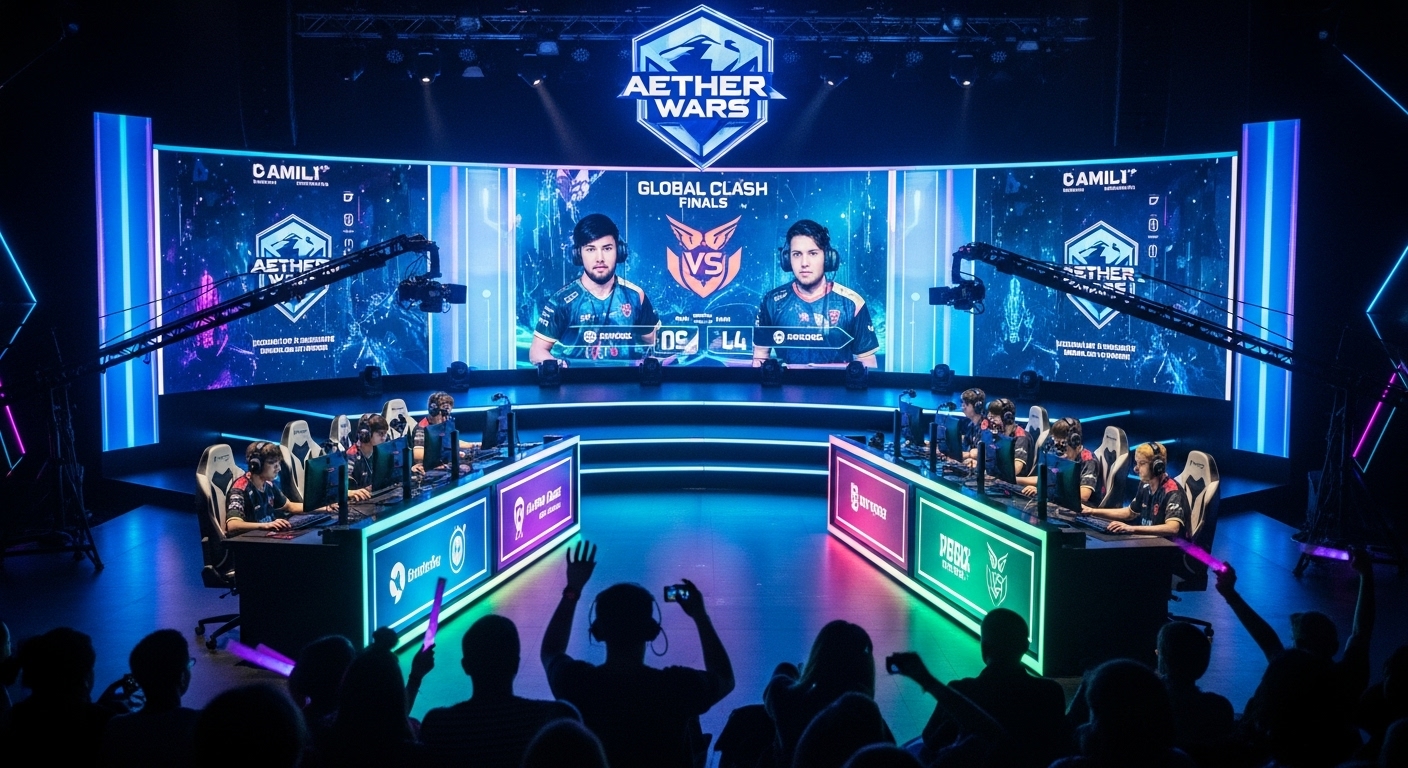
In recent years, esports has evolved from a niche activity into a global entertainment juggernaut. Competitive gaming, once considered a pastime for dedicated gamers, has now become a multi-billion-dollar industry, attracting millions of fans, professional players, and sponsors. With large-scale tournaments, sponsorships from top global brands, and an ever-growing fanbase, esports has firmly established itself as a dominant force in the entertainment world. This blog post will explore the rise of esports, its impact on the gaming industry, the key elements that make it so exciting, and what the future holds for competitive gaming.
The Birth of Esports: A New Form of Entertainment
The concept of esports can be traced back to the early 1990s, when competitive gaming began to emerge as a legitimate form of organized competition. The first recorded esports tournament took place in 1997, when Red Annihilation, a Quake competition, attracted professional gamers and viewers alike. However, it wasn’t until the early 2000s that esports truly started to take shape as a mainstream phenomenon.
The launch of StarCraft in the late 1990s, particularly in South Korea, was a game-changer for the esports scene. South Korea became the epicenter of competitive gaming, with StarCraft tournaments drawing massive crowds and receiving television coverage. The establishment of dedicated esports organizations and television networks, like OGN (OnGameNet), paved the way for esports to grow exponentially, transforming it into a professional sport with high-level competitions, sponsorships, and prize pools.
At the same time, competitive games like Counter-Strike, Warcraft III, and Dota started gaining traction in the West, setting the stage for a global expansion. Tournaments like The International for Dota 2 and League of Legends World Championships began attracting attention not only from hardcore gamers but from mainstream audiences as well. The global esports scene was born, and it only continued to grow from there.
Esports Today: A Billion-Dollar Industry
Today, esports is a global industry worth billions of dollars, with projections indicating that the esports market will continue to grow at an impressive rate. Major gaming companies like Riot Games, Blizzard Entertainment, and Valve have created some of the most successful and widely-played esports titles in the world, including League of Legends, Overwatch, CS:GO, Dota 2, and Call of Duty.
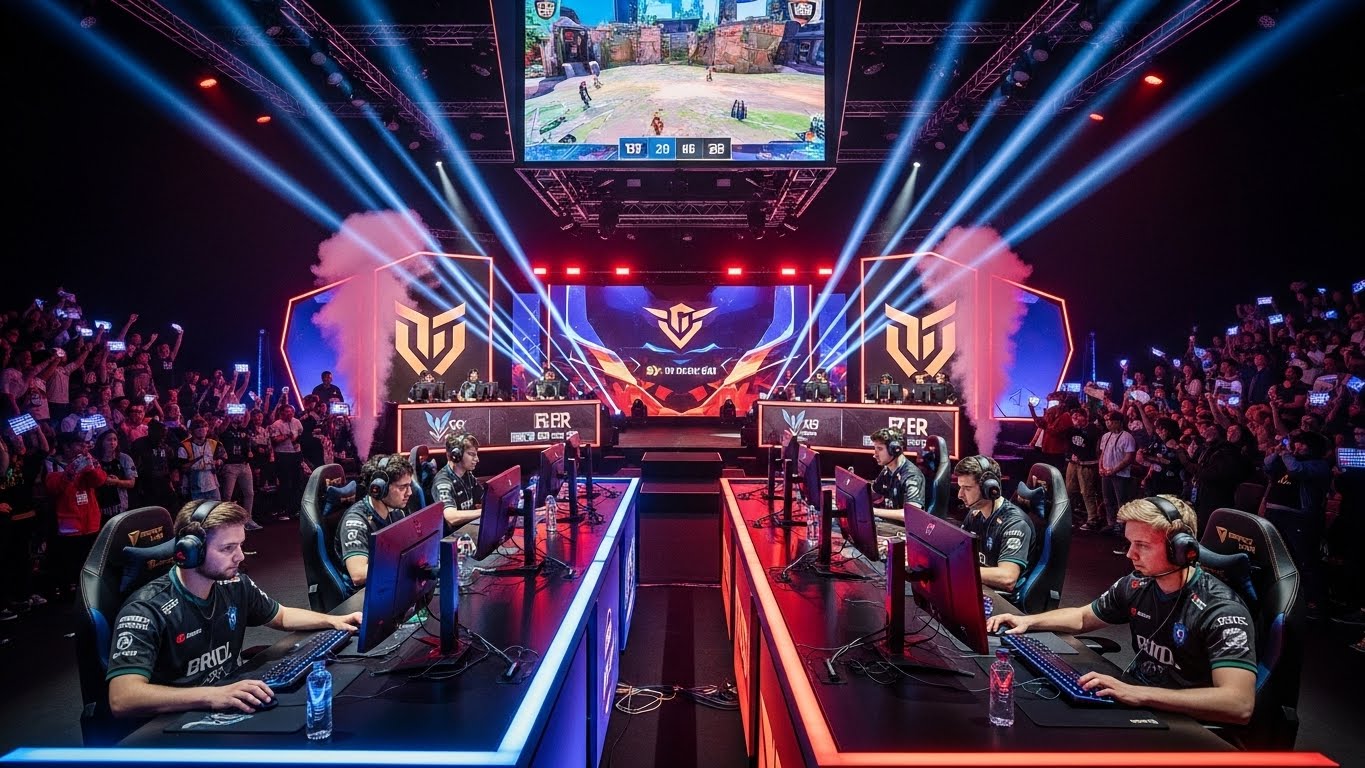
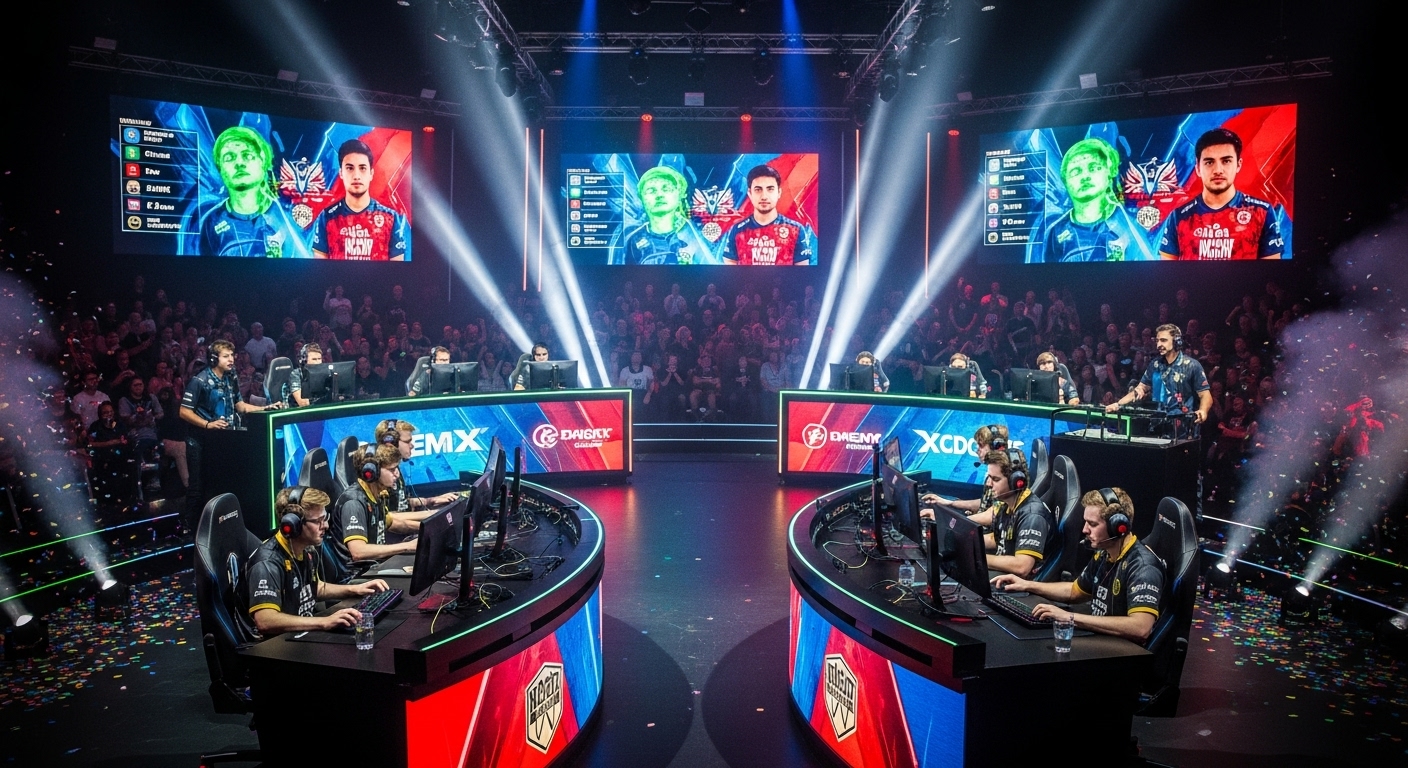
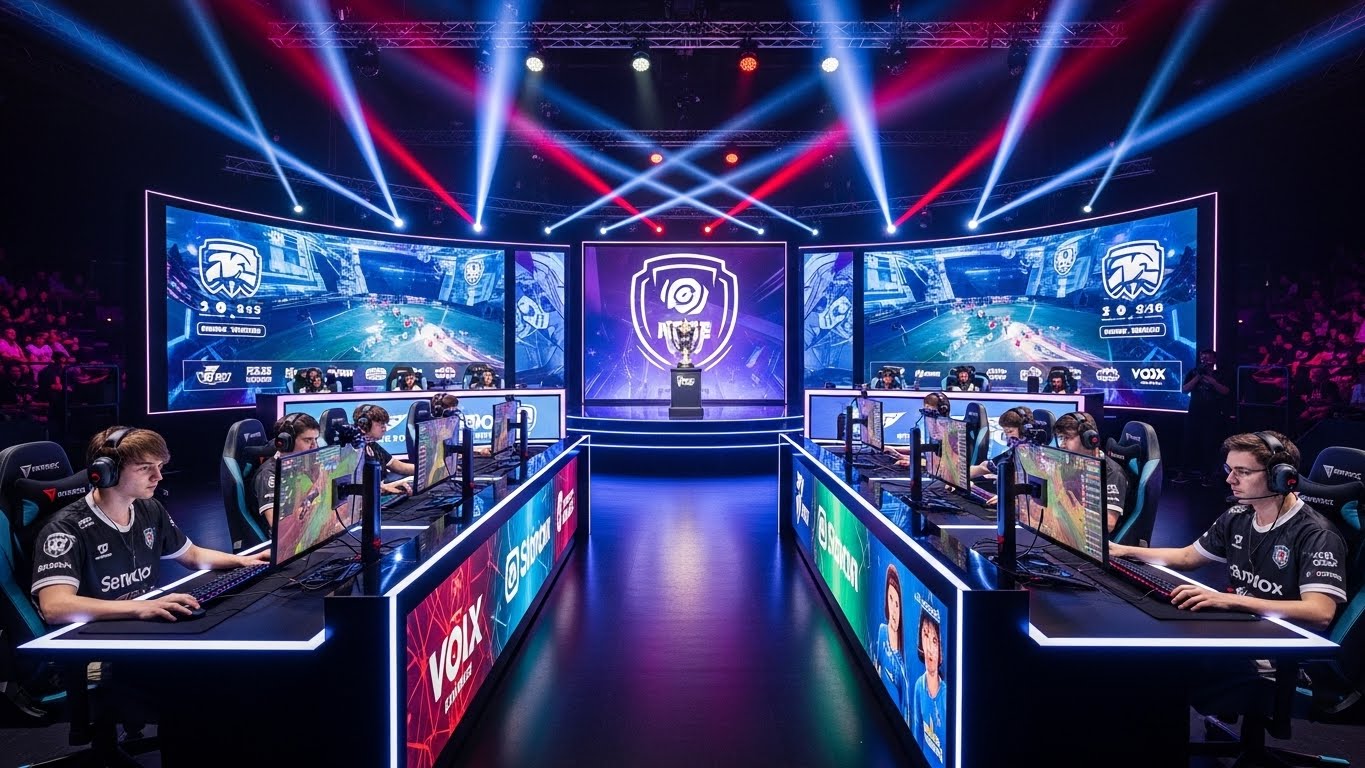
The scale of modern esports is astonishing. Some of the world’s most popular esports tournaments offer prize pools worth millions of dollars, and top-tier events are held in massive arenas, broadcast to millions of viewers worldwide. For example, The International, the annual Dota 2 championship, has become one of the biggest and most prestigious tournaments in esports, with prize pools often exceeding $30 million. The League of Legends World Championships, held annually, attracts millions of viewers and garners sponsorships from major companies such as Mastercard, Coca-Cola, and Louis Vuitton.
Esports also boasts a wide variety of professional leagues and tournaments across multiple game titles, ensuring there’s always something for fans to follow, no matter their game of choice. For example, the Call of Duty League, Overwatch League, CS:GO Major Championships, and Fortnite World Cup are just a few examples of high-profile competitions that draw global attention.
This financial boom has not gone unnoticed by traditional sports organizations and mainstream entertainment companies. Big-name investors, such as basketball legend Michael Jordan and NFL player Tom Brady, have shown interest in esports teams and organizations. Media platforms like ESPN and traditional sports networks have begun airing esports events, further cementing esports as a legitimate part of the entertainment landscape.
The Excitement of Esports: Why People Love It
One of the main reasons esports has grown so rapidly is its ability to offer a unique, thrilling experience for both players and viewers. Here are some of the key elements that make esports so exciting:
1. Skill and Strategy
Esports, like traditional sports, requires a great deal of skill, strategy, and teamwork. Players need to master intricate game mechanics, understand complex strategies, and work in sync with their teammates to succeed. The best esports players are often compared to professional athletes because of their immense dedication, reflexes, and strategic thinking. Whether it’s executing precise headshots in Counter-Strike, coordinating team movements in League of Legends, or outsmarting opponents in Dota 2, esports is a highly competitive field that rewards those who can think quickly and act decisively.
2. Dramatic Moments and High-Stakes Gameplay
Esports tournaments often feature nail-biting moments and high-stakes gameplay that keep fans on the edge of their seats. The intensity of live-streamed matches, with players competing for large cash prizes and championship titles, creates a unique atmosphere that draws in viewers. A well-timed strategy or a clutch play can turn the tide of a match, creating unforgettable moments of excitement for both the players and the audience. These dramatic moments are often accompanied by real-time commentary, which adds to the thrill of watching the action unfold.
3. Global Appeal
Esports brings together players and fans from all over the world. With major games like League of Legends, Dota 2, and Fortnite, fans from different countries and cultures can unite over a shared love of the game. The international nature of esports creates a vibrant global community where players can form bonds with others from different regions, creating a truly inclusive and diverse space. Furthermore, live-streaming platforms like Twitch, YouTube, and Facebook Gaming allow fans to watch events and follow their favorite players from anywhere in the world, making esports accessible to a global audience.
4. The Spectator Experience
Esports offers an unparalleled spectator experience, thanks to its advanced production values, professional commentary, and interactive features. Major tournaments often include live broadcasts with high-quality graphics, real-time analysis, and in-depth breakdowns of gameplay. Viewers can follow along with the action, learn about the strategies used by top players, and engage with other fans in real time. Social media platforms also play a significant role in the spectator experience, with fans sharing highlights, reacting to live events, and supporting their favorite teams and players.
The Esports Ecosystem: Players, Teams, and Organizations
At the heart of esports are the players who dedicate their time and energy to mastering their respective games. These professional players are often seen as celebrities within the esports community, and many have amassed large followings on platforms like Twitch and Twitter. Top players not only compete in tournaments but also stream their gameplay for their fans, interact with their audience, and build a personal brand. Some players even secure sponsorships from major companies, further increasing their visibility and influence.
Esports teams and organizations are another essential part of the ecosystem. These teams are made up of professional players who compete under the banner of their respective organizations. Teams like Cloud9, Fnatic, T1, and G2 Esports have become household names in the esports world, with their players competing in multiple titles across various leagues. These organizations often sign sponsorship deals with brands, manage player contracts, and promote their teams through marketing efforts.
Additionally, esports organizations help foster the development of young talent. Many esports teams have their own training facilities, coaching staff, and analyst teams to help their players improve and stay at the top of their game. These organizations also play a role in organizing grassroots tournaments, creating pathways for new players to break into the competitive scene.
The Future of Esports: What Lies Ahead?
The future of esports looks incredibly bright, with continued growth in both the competitive and spectator aspects of the industry. Several factors point to the ongoing success and expansion of esports:
1. Increased Investment and Sponsorship
As more traditional sports organizations, media companies, and tech giants pour money into the esports industry, the financial landscape of esports will continue to expand. This investment will help esports grow in terms of prize pools, infrastructure, and marketing, which will help it gain even more mainstream attention. Esports tournaments will continue to attract sponsorships from high-profile companies, and new partnerships with non-endemic brands will bring further legitimacy to the scene.
2. Technological Advancements
As technology continues to advance, esports will benefit from improvements in gaming hardware, streaming platforms, and fan engagement tools. Virtual reality (VR) and augmented reality (AR) may offer new ways for players to experience games and for fans to engage with their favorite esports events. Advances in AI and machine learning could also enhance player training and game analysis, leading to even higher levels of competition.
3. Mainstream Media Integration
With esports becoming more mainstream, it is likely that esports events will be featured on traditional sports networks and platforms, further blurring the line between traditional sports and gaming. Television deals, partnerships with streaming services, and live broadcasts on major networks could bring esports to a larger audience, making it more accessible to the average viewer.
4. Esports as a Career Path
Esports will continue to evolve into a viable career path for both players and professionals in other areas, such as coaching, commentary, production, and event management. As the industry grows, more opportunities will arise for young talent to pursue a career in esports, whether as a player, content creator, or behind-the-scenes professional.
Conclusion: Esports—The Future of Competitive Entertainment
Esports has come a long way since its humble beginnings, and it shows no signs of slowing down. With its growing fanbase, increasing investment, and ever-evolving competitive scene, esports has proven that it is more than just a passing trend—it is a legitimate and thriving industry that is reshaping the world of entertainment. Whether you’re a hardcore gamer or someone who has never picked up a controller, it’s clear