Introduction: A New Age of Competitive Entertainment
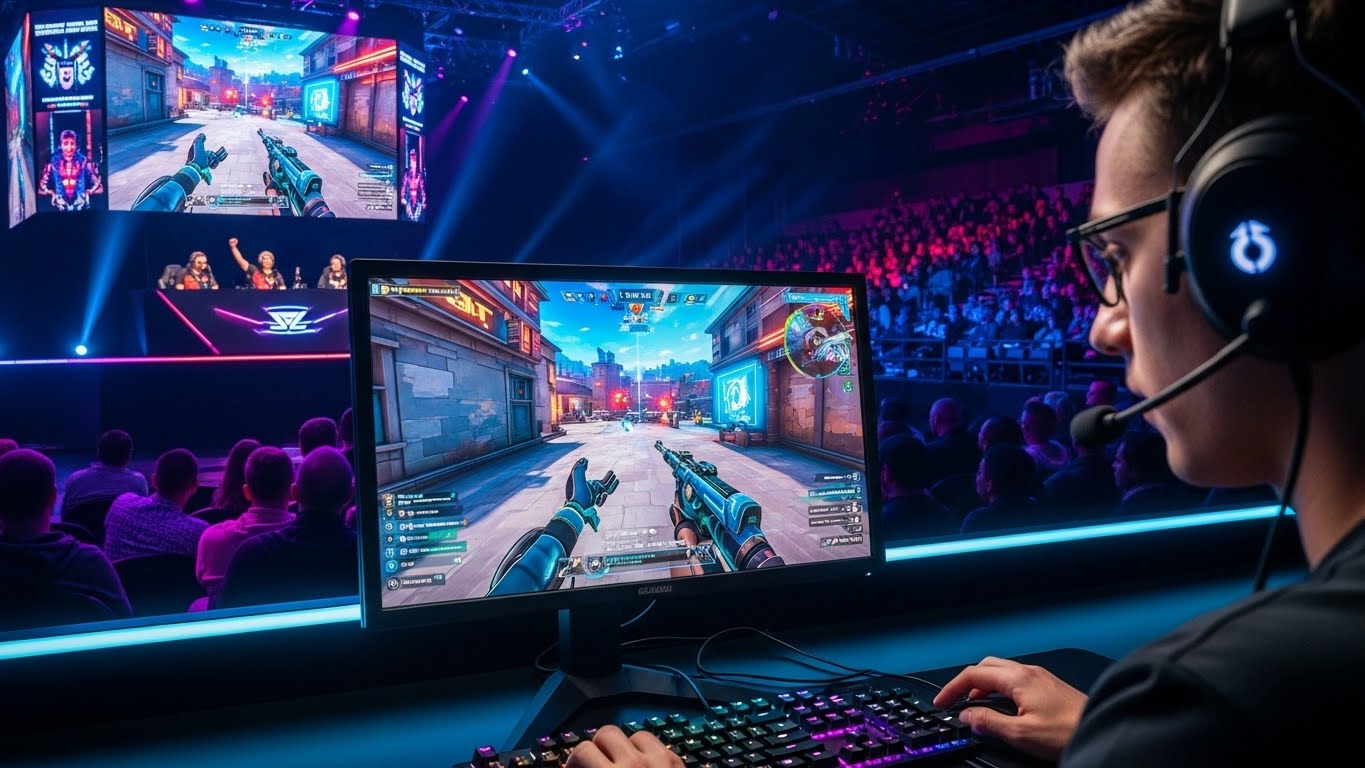
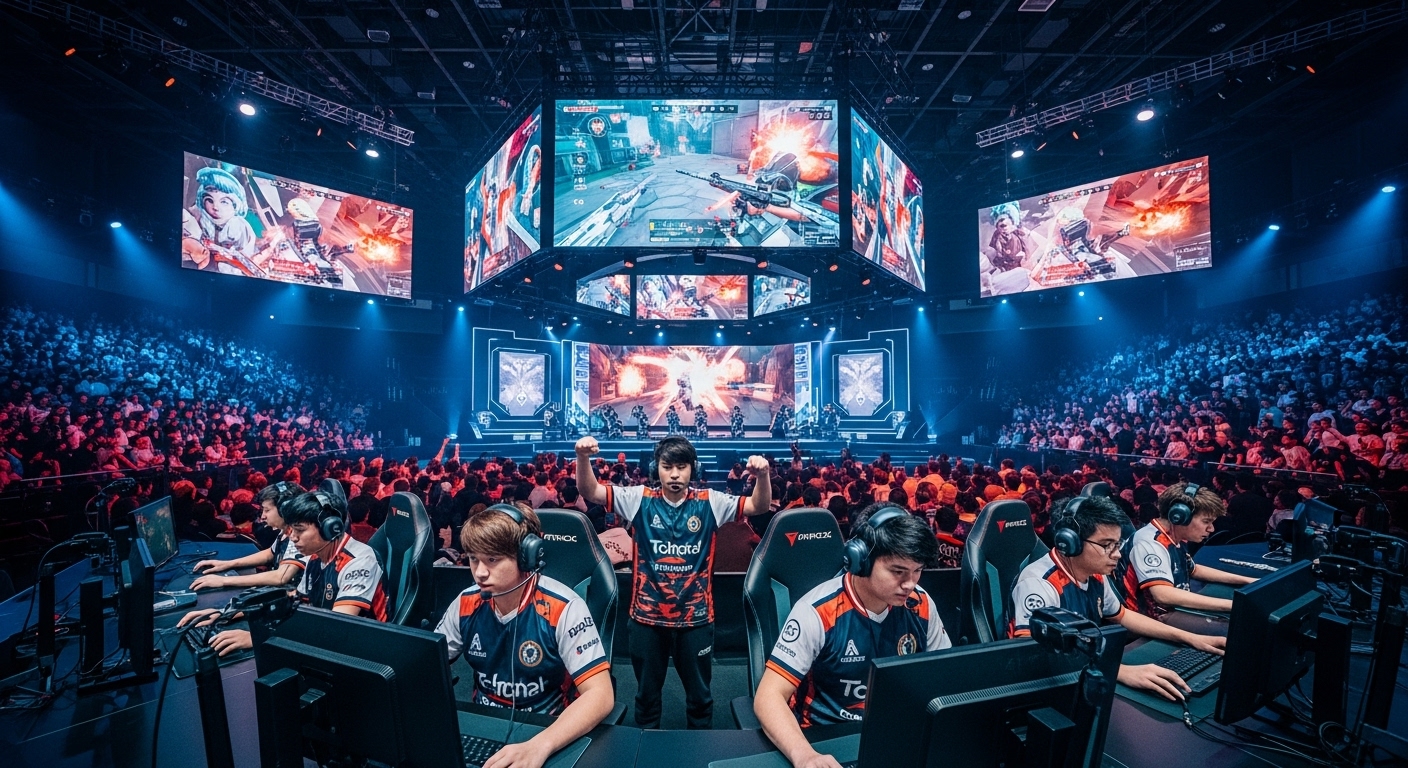
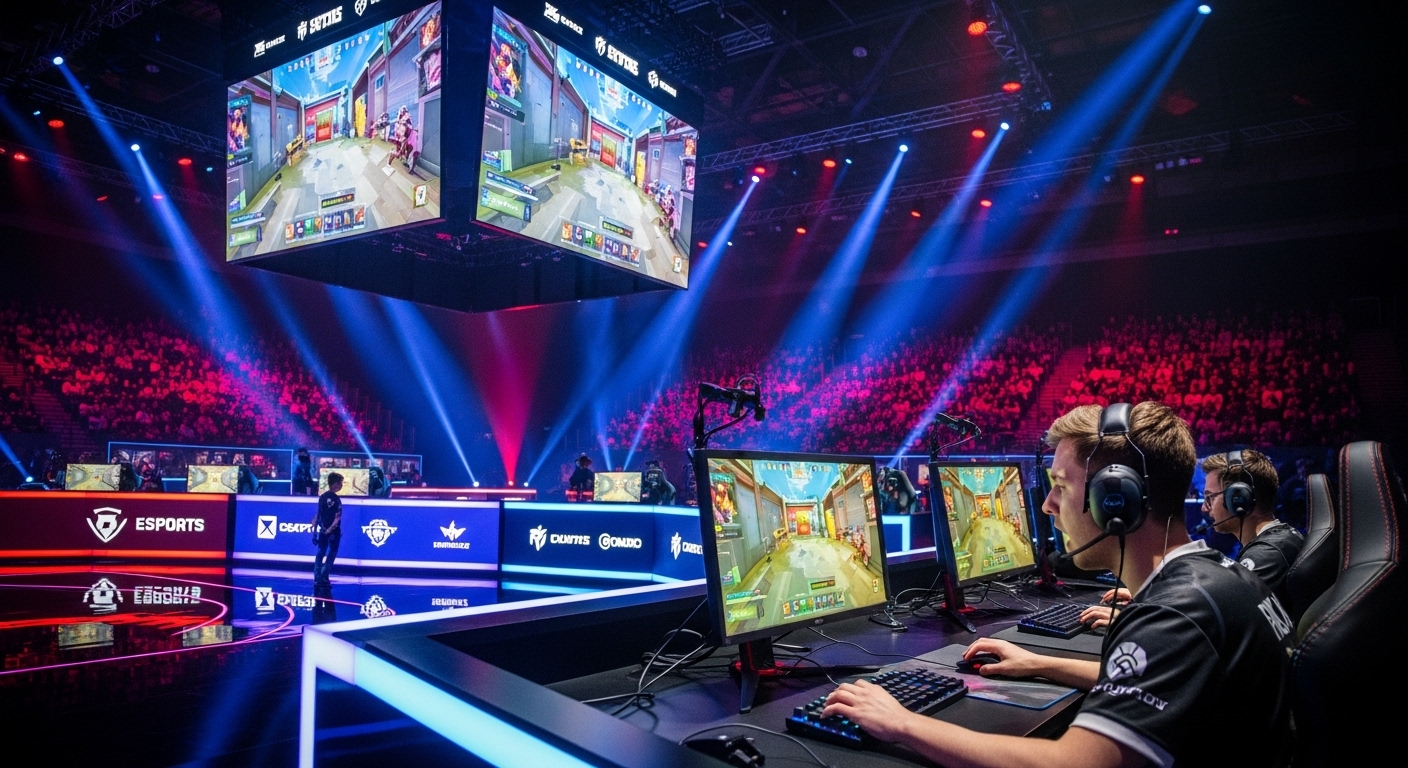
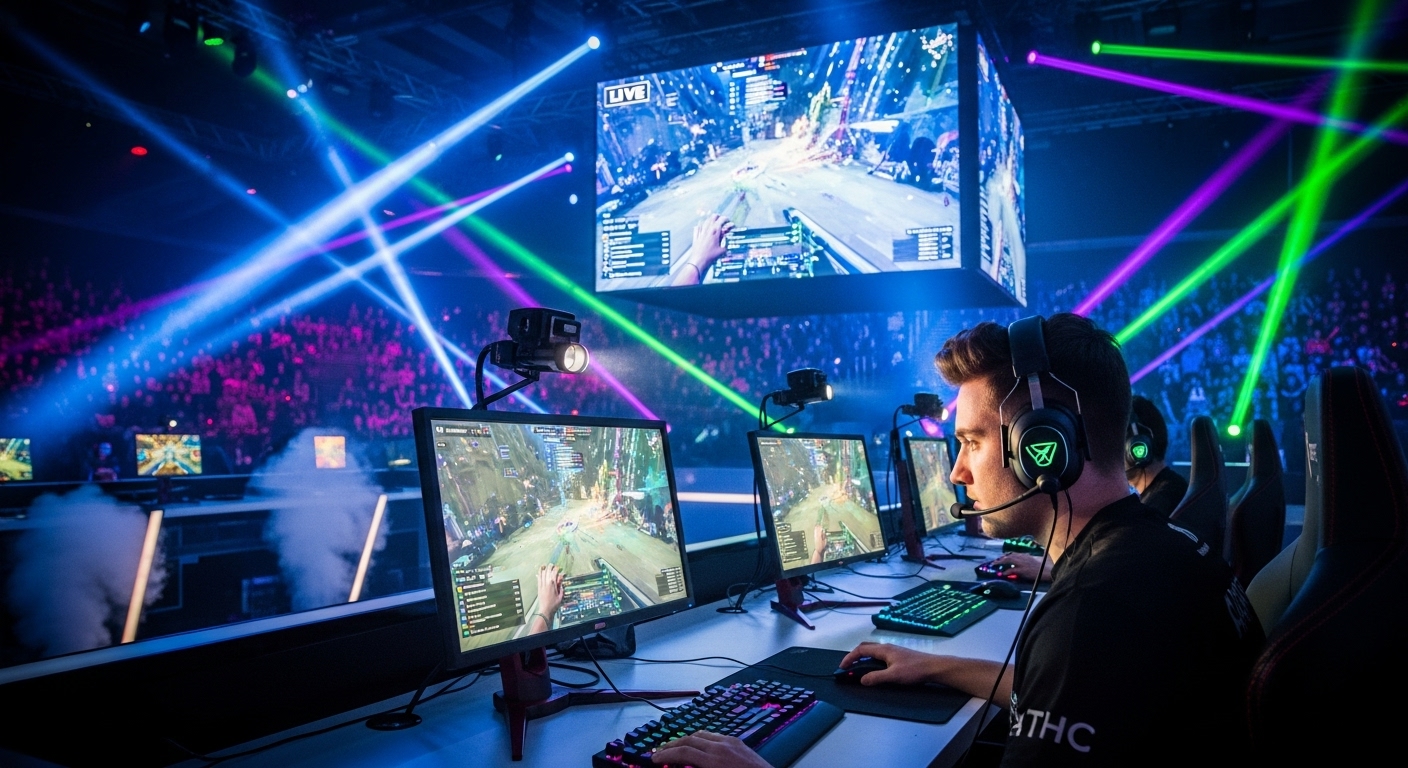
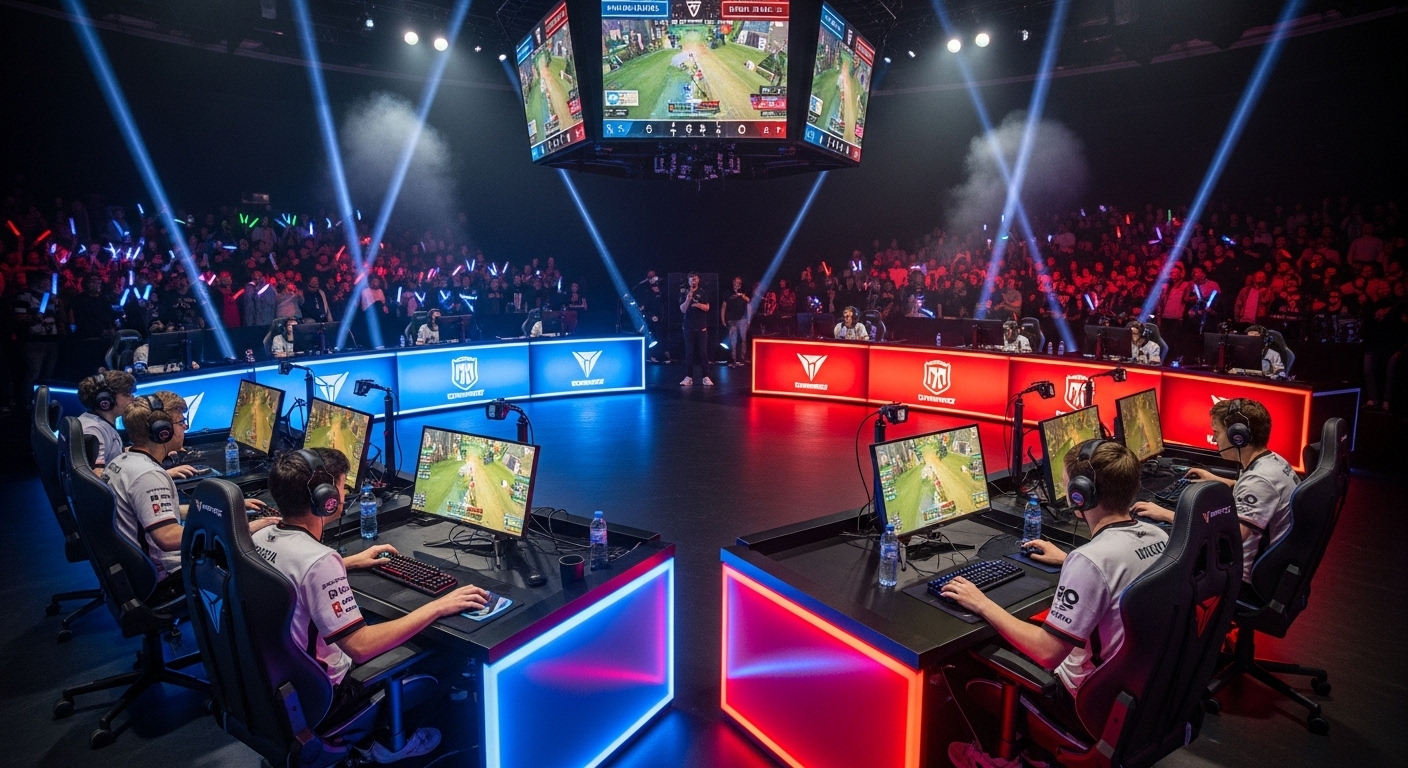
Esports has emerged as one of the most powerful forces in modern entertainment. What began as casual competition among gamers has grown into a global industry with professional athletes, massive fan bases, and stunningly large tournaments. Competitive gaming is no longer just a pastime; it has become a cultural movement. Today, esports events fill stadiums, attract millions of viewers online, and generate revenue comparable to traditional sports. The speed, strategy, and adrenaline of digital battles have transformed how people view competition. In this blog, we explore the rise of esports, its influence, its players, and why it has become one of the most dynamic forms of entertainment in the world.
The Origins of Esports: From Arcades to International Arenas
The esports revolution did not happen overnight. It began with simple arcade competitions in the 1970s, where players tested their skills on games like Space Invaders and Pac-Man. Back then, high scores on arcade machines were symbols of pride, and local tournaments served as the first unofficial esports competitions.
By the 1990s, multiplayer games and early internet connections sparked the rise of competitive online gaming. Titles like Doom, Quake, Warcraft, and StarCraft introduced new forms of competition where strategy and skill dominated. Players connected through local networks or dial-up internet, forming the earliest professional gaming communities.
The 2000s marked the turning point. Online platforms improved, tournaments became more organized, and competitive games gained global popularity. What once was limited to small gatherings evolved into world-class events. By the 2010s, esports tournaments began selling out stadiums, attracting sponsors, and creating professional leagues that changed the landscape of gaming forever.
The Game Titles That Built the Esports Empire
Esports would not be what it is today without the iconic games that shaped competitive play. Each genre brings unique challenges, drawing players with different strengths and strategies.
Multiplayer Online Battle Arenas: Games such as League of Legends and Dota 2 stand at the top of esports popularity. They combine strategy, team coordination, and fast reactions. MOBAs are known for their massive prize pools, global championships, and millions of dedicated fans.
First-Person Shooters: Titles like Counter-Strike, Valorant, and Call of Duty create high-intensity experiences where precision and teamwork are everything. These games require lightning-fast reflexes, clear communication, and tactical expertise.
Battle Royale Games: The rise of Fortnite, PUBG, and Apex Legends introduced large-scale survival competitions where unpredictability and adaptability rule the battlefield. These games attract younger audiences and encourage new competitive formats.
Fighting Games: Street Fighter, Mortal Kombat, Tekken, and Smash Bros maintain strong grassroots communities. Their tournaments emphasize individual skill and quick-thinking, offering some of the most electrifying one-on-one competition in esports.
Sports Simulations: Fifa, NBA 2K, and racing simulators bring traditional sports into the virtual world, giving players a chance to compete in digital versions of their favorite games.
Each category of esports has built its own culture, fan base, and competitive ecosystem, contributing to the industry’s incredible diversity and growth.
The Modern Esports Athlete: Skill, Discipline, and Pressure
Esports athletes are often misunderstood by those unfamiliar with the industry. Far from being casual players, professionals dedicate countless hours every day to practice. They refine strategies, study opponents, and work closely with coaches to ensure peak performance.
Their training resembles that of traditional athletes. Many teams schedule strict routines that include physical exercise, mental conditioning, and proper rest to maintain focus during long matches. Professional gamers must also cope with intense pressure. Unlike casual play, one mistake in an esports match can cost a championship. The mental resilience required is immense.
Age also plays a unique role in esports. Reaction times peak in the late teens and early twenties, making the competitive lifespan of a professional gamer shorter than that of many traditional athletes. Despite this, the influence of esports athletes continues long after they retire, as many transition into coaching, streaming, or content creation.
Behind the Scenes: The Organizations Driving Esports Forward
Esports teams operate like professional sports organizations. They hire coaches, analysts, managers, medical staff, and media professionals to support their players. Some teams run training facilities equipped with advanced technology, nutrition programs, and living spaces to help players stay focused.
These organizations are more than just teams; they are brands. They build huge fan communities, sell merchandise, create documentaries, and develop identities that people connect with. Fans passionately follow their favorite teams, celebrate victories, and share emotional stories about their journeys.
The success of these organizations shows how structured and sophisticated esports has become. It is no longer simply about playing well; it is about building a legacy.
The Global Fan Base: A Community Connected by Screens
One of the most remarkable aspects of esports is its global appeal. Fans come from every continent, connected by a shared love of competition. Events are broadcast worldwide, often attracting millions of viewers at once.
Unlike many traditional sports that are region-specific, esports has no geographical barrier. A fan in Asia can support a team from Europe, and a tournament in North America can attract viewers from Africa or South America.
Esports has also benefited from online communities. Fans gather on social platforms to discuss strategies, share highlights, and engage with players directly. The sense of connection is powerful. Many young fans look up to esports players the way previous generations admired football or basketball stars.
This global community is one of the strongest pillars supporting the rise of esports, helping it grow into a cultural force that transcends borders.
Esports and Technology: A Partnership Built on Innovation
Technology is at the heart of esports. Without high-quality internet, powerful gaming systems, and advanced software, the industry would not exist.
Innovations such as cloud gaming, virtual reality, and improved graphics engines are shaping the future of competitive gaming. Faster internet speeds ensure smooth online matches, while new hardware allows for more complex and visually stunning games.
Streaming technology has also revolutionized how people watch esports. Real-time broadcasts bring spectators closer to the action, creating new opportunities for commentators, analysts, and content creators.
As technology continues to advance, esports is expected to adopt even more immersive experiences. Virtual reality tournaments, smarter matchmaking, and advanced training platforms may soon become standard, pushing competitive gaming into exciting new territory.
The Business of Esports: A Thriving Global Industry
The financial growth of esports has been extraordinary. Revenue streams include sponsorships, advertising, merchandising, ticket sales, and media rights. Brands from all sectors, including technology, apparel, and consumer goods, invest in esports because of its enormous reach and young audience.
Tournament prize pools can be life-changing, often reaching millions of dollars. Players not only earn money from competition but also through streaming, endorsements, and sponsorship deals.
Esports career paths have expanded far beyond playing professionally. The industry now includes roles such as game designers, analysts, event coordinators, shoutcasters, content creators, and marketing executives.
The economic impact of esports shows that it is a strong, sustainable industry with opportunities for individuals of various talents and interests.
Challenges and Growing Pains in Esports
Despite its growth, esports faces challenges. Player burnout is a major issue due to demanding practice schedules and long competitive seasons. Mental health concerns are increasingly being addressed by teams, but more work remains.
Another challenge is regulation. Since each game has different rules and publishers, esports lacks a unified governing body. This fragmentation makes standardization difficult.
There is also an ongoing debate about recognition. While esports has gained acceptance in many parts of the world, some regions still question whether gaming should be considered a legitimate sport. However, public perception continues to shift positively as more people understand the dedication and skill required in competitive gaming.
Addressing these challenges is crucial for the stable growth of the industry.
The Future of Esports: A New Era of Digital Competition
The future of esports is incredibly promising. Technological advancements will introduce new types of games, more immersive experiences, and stronger global competitions. Educational institutions are adopting esports programs, offering scholarships and courses related to gaming and digital entertainment.
Traditional sports organizations are entering the esports world as well, forming partnerships and creating crossover events that appeal to both audiences.
Esports may soon become a standard part of sports culture, standing proudly alongside football, basketball, and other major competitions. Its accessibility, diversity, and digital nature make it a perfect fit for the next generation of fans.
Conclusion: Esports and the Power of Modern Competition
Esports represents more than just games. It is a global movement built on passion, skill, creativity, and community. It brings people together across borders, inspires new career paths, and showcases the power of digital innovation. As competitive gaming continues to grow, it proves that competition is not limited to physical arenas. The digital colosseum is here, powerful, electrifying, and ready to shape the future of entertainment.