Introduction: The Explosive Rise of eSports
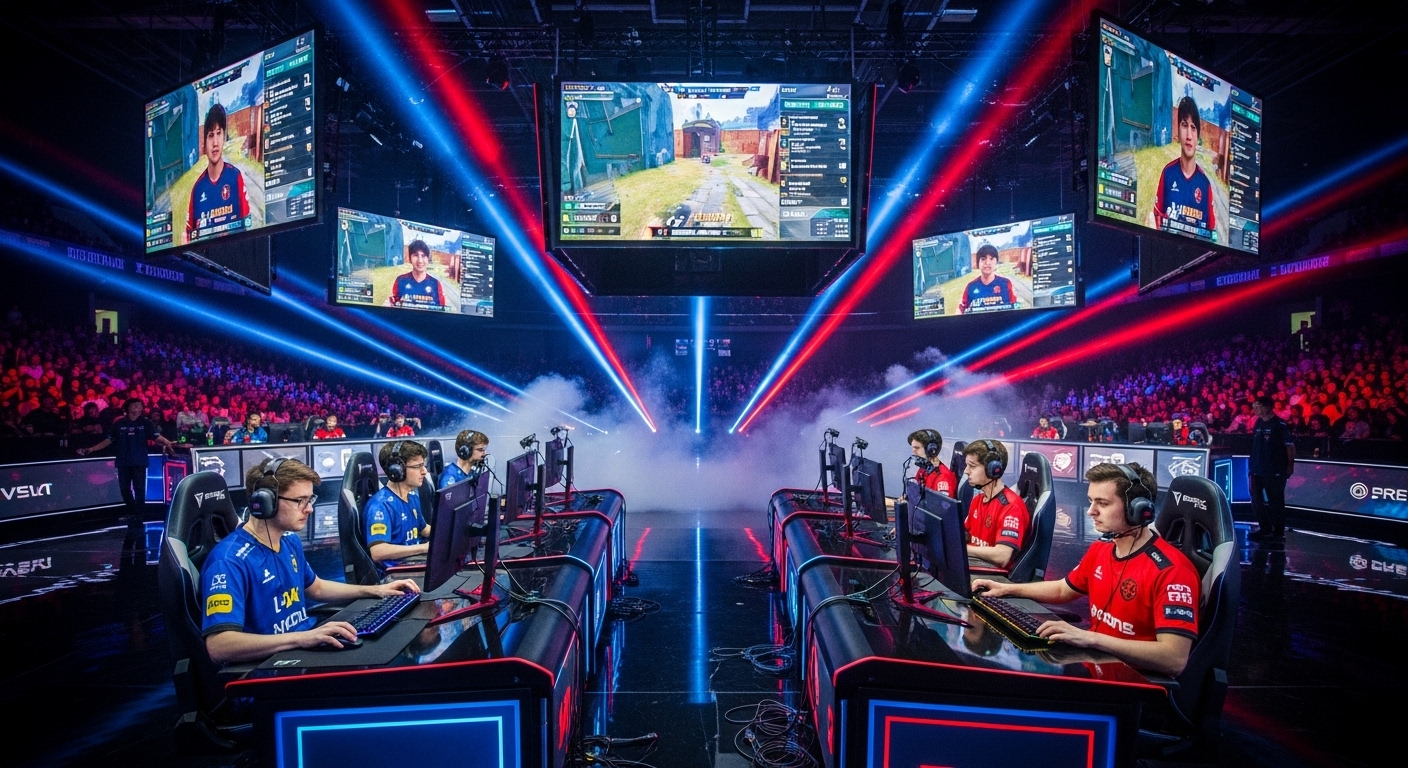
In recent years, eSports has become a cultural and economic juggernaut, rapidly transforming competitive gaming from a niche interest into a global entertainment industry. What was once considered a pastime for dedicated gamers has evolved into a billion-dollar industry with millions of fans, professional players, sponsorships, and multi-million-dollar tournaments. From humble LAN parties to massive global competitions, eSports is reshaping the landscape of gaming and entertainment.
This blog post delves into the origins of eSports, its rapid growth, the technological innovations that power it, the cultural impact it has had on society, and its future prospects as an entertainment and sports category.
The Evolution of eSports: From Arcade Games to Global Spectacles
The story of eSports begins in the early days of video gaming. In the 1970s and 1980s, gaming was limited to arcades, and competitive play consisted mostly of high-score challenges. However, as the 1990s approached, the arrival of personal computers, internet connectivity, and the first LAN (Local Area Network) parties helped lay the foundation for competitive gaming. Gamers began gathering in person to play games like “Doom” and “Warcraft,” which introduced the idea of multiplayer competitions.
By the late 1990s and early 2000s, the rise of online gaming platforms such as Battle.net and the introduction of games like “StarCraft” and “Quake” pushed competitive gaming to new heights. The first professional tournaments began to take shape, with organizations like the World Cyber Games and Cyberathlete Professional League hosting large-scale competitions. These tournaments were groundbreaking, not only for their size but also for the significant prize money they offered, establishing the foundation for the eSports ecosystem.
Fast forward to the present, and eSports is an established global industry. The rapid growth of streaming platforms like Twitch and YouTube Gaming has created unprecedented access to tournaments and events, turning eSports into a mainstream phenomenon with millions of viewers.
The Games That Define eSports
Certain game genres have become the cornerstone of eSports, each contributing to its rise in unique ways. These genres range from fast-paced shooters to complex strategy games, offering something for a wide variety of player skills and interests.
MOBA (Multiplayer Online Battle Arena) games like “League of Legends” and “Dota 2” are among the most popular and have massive professional scenes. These games require strategic thinking, teamwork, and precise execution, making them the perfect fit for competitive play. Major tournaments such as “The International” for Dota 2 and the “League of Legends World Championship” are watched by millions of fans worldwide and offer multi-million-dollar prize pools.
First-Person Shooter (FPS) games, such as “Counter-Strike: Global Offensive” (CS:GO) and “Call of Duty,” have also become integral to the eSports ecosystem. These games emphasize reflexes, aim, and strategic team coordination. Competitive FPS tournaments are held regularly, often drawing large live audiences and broadcasting to millions of viewers online.
Battle Royale games like “Fortnite” and “Apex Legends” have added a new dimension to eSports with their fast-paced, survival-style gameplay. These games emphasize both individual skill and strategy, creating exciting and unpredictable matches that have gained immense popularity among both players and viewers.
Sports Simulation games such as “FIFA” and “NBA 2K” also play a significant role in the eSports landscape. These games simulate real-world sports, and their competitive tournaments attract both gamers and sports fans. The “FIFA eWorld Cup” and “NBA 2K League” are prime examples of how sports simulation games are making their mark in the world of competitive gaming.
Each of these game genres attracts a different type of player, audience, and viewing experience, contributing to the vast diversity of eSports events and communities.
The Social Impact of eSports: A New Form of Community
One of the most significant aspects of eSports is its ability to foster communities and build social connections across the globe. Online multiplayer games allow players to interact with one another in real-time, creating a sense of camaraderie and shared experience. These interactions transcend geographic boundaries, allowing players to team up with others from different countries and cultures.
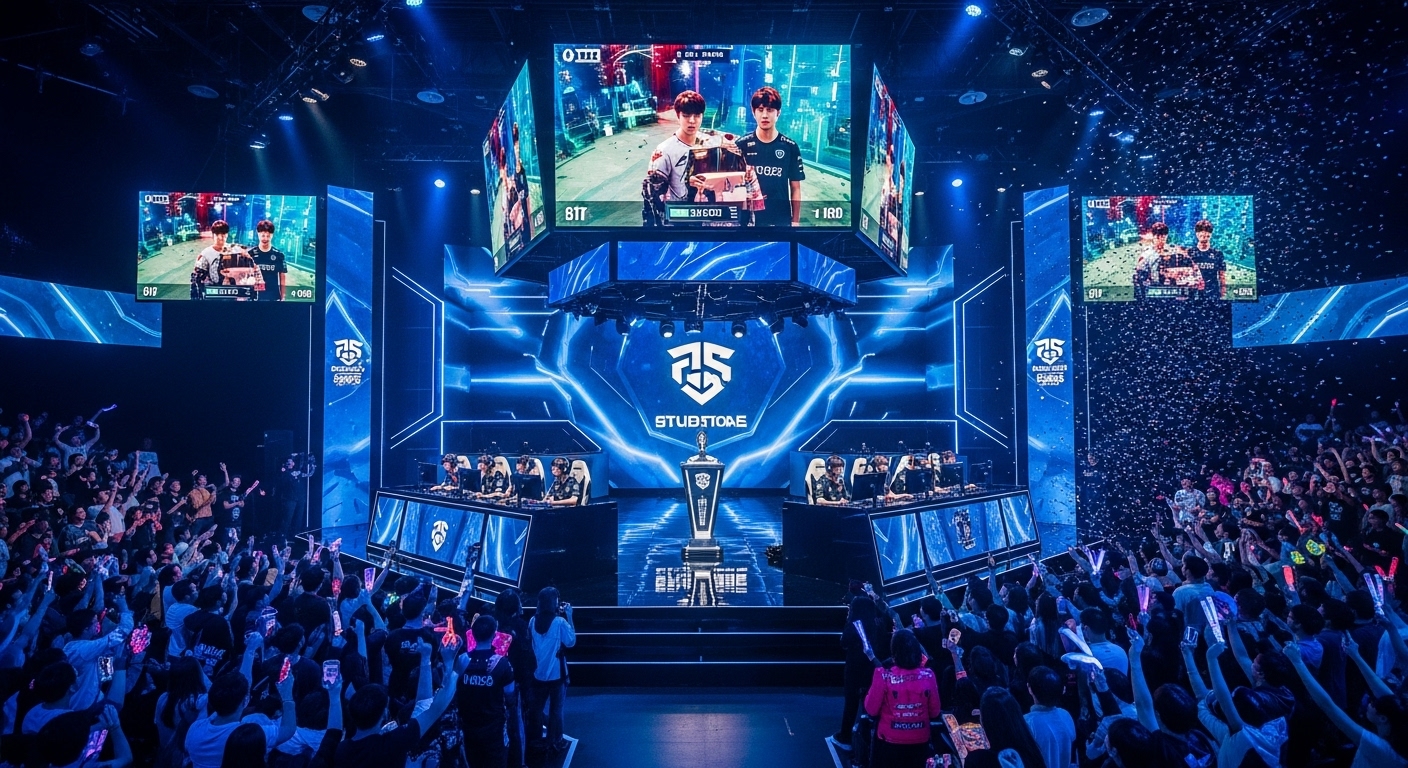
Streaming platforms like Twitch and YouTube Gaming have taken the social aspect of eSports to new heights. Viewers can watch live matches, chat with players, and engage with the community in real time. Professional players, streamers, and commentators have developed massive followings, turning gaming personalities into celebrities. These figures not only entertain but also educate and inspire their audiences, creating a sense of connection and shared identity within the eSports ecosystem.
Moreover, the growing popularity of eSports has helped break down stereotypes and foster inclusivity in gaming. With the rise of female gamers, diverse teams, and advocacy for mental health and well-being in competitive gaming, eSports has become a space that embraces players from all backgrounds. Communities are increasingly centered around collaboration, respect, and mutual support, marking a shift from the toxic environments often associated with online gaming in the past.
The Economic Boom of eSports
eSports is no longer just a hobby or passion; it has become a full-fledged industry, generating billions of dollars annually. A major source of revenue for the industry comes from sponsorships and partnerships with companies from various sectors, including tech, energy drinks, telecommunications, and even automobile brands. These brands see eSports as a way to connect with a young, engaged audience.
Prize pools for top-tier eSports tournaments now reach staggering amounts. For example, the prize pool for “The International” Dota 2 tournament regularly surpasses $30 million, with individual players earning significant portions of that prize. In addition to prize money, eSports players and teams can earn income through sponsorships, streaming revenue, and merchandising.
eSports is also creating new job opportunities beyond professional players. Analysts, commentators, event organizers, coaches, and content creators are all integral to the eSports ecosystem. As the industry continues to grow, the demand for skilled professionals in various roles is expected to rise, making eSports a viable career path for many.
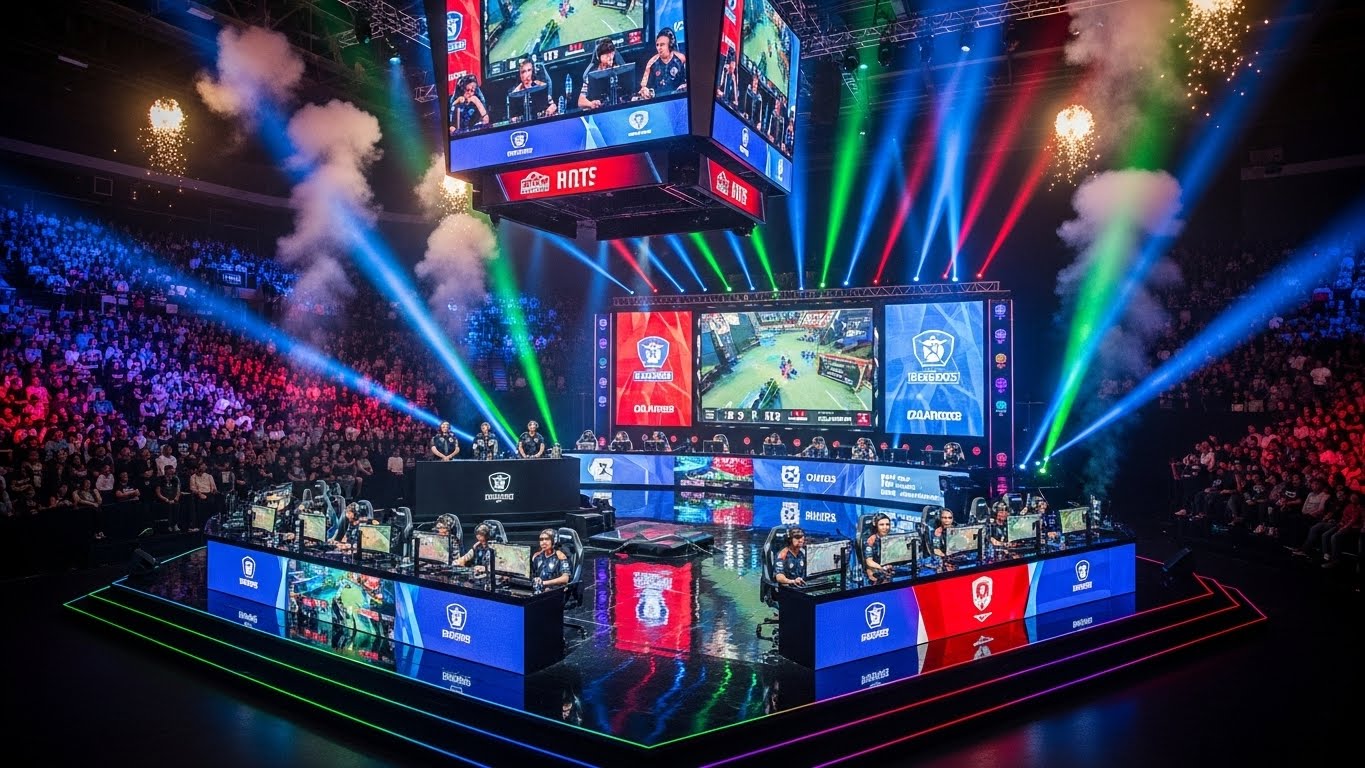
The rise of eSports has also led to the establishment of dedicated eSports arenas, such as the Blizzard Arena in Los Angeles and the HyperX Esports Arena in Las Vegas, where tournaments are held in front of live audiences. These venues further demonstrate the mainstream appeal of eSports and its significant contribution to the global economy.
Technological Advancements in eSports
Technology is at the heart of eSports’ success. The rise of high-speed internet connections, powerful gaming PCs, and specialized equipment has enabled competitive gaming to flourish. Fast internet allows players to compete with minimal latency, providing a smooth and fair playing experience in online tournaments.
Moreover, advancements in streaming technology have made it easier for audiences to access eSports content from anywhere in the world. The use of high-definition broadcasts, real-time statistics, and interactive features enhances the viewing experience, making eSports events as thrilling as traditional sports broadcasts.
The development of virtual reality (VR) and augmented reality (AR) is also beginning to influence the future of eSports. These technologies could provide new, immersive experiences for both players and spectators, making eSports even more dynamic and engaging. VR-based eSports tournaments, for example, could offer players a fully immersive competitive environment, while AR could enable real-time data visualization and audience interaction during live events.
The Global Reach of eSports: A Worldwide Phenomenon
One of the most remarkable aspects of eSports is its global reach. Competitive gaming has transcended geographic boundaries, allowing players and fans from all corners of the world to participate. Tournaments and leagues are held on every continent, with massive international events such as “The International” (Dota 2), the “League of Legends World Championship,” and the “CS:GO Major Championships” drawing fans from across the globe.
In addition, eSports is becoming a major cultural export, with games and tournaments gaining popularity in countries such as South Korea, China, North America, Europe, and Latin America. The global nature of eSports has fostered the development of international tournaments and leagues, uniting players and fans from diverse cultures and backgrounds in a shared love for competitive gaming.
The increasing accessibility of online gaming and streaming services ensures that eSports will continue to expand its global footprint. As mobile gaming becomes more popular and broadband infrastructure improves in developing regions, the potential for eSports to grow even further is immense.
The Future of eSports: Expanding Horizons
Looking ahead, the future of eSports is bright. With the continued development of new games, innovative broadcasting techniques, and the expansion of professional leagues, eSports will likely continue to grow in both size and influence. The integration of eSports into mainstream media, such as television networks and major sports channels, signals that competitive gaming will become even more integrated into popular culture.
New game genres, technologies like VR and AR, and deeper integration with traditional sports will all shape the future of eSports. It’s possible that one day we could see eSports as a part of the Olympics, with nations sending teams to compete in digital sporting events. The next generation of gamers, broadcasters, and fans will further expand the industry, ensuring that eSports remains at the forefront of the global entertainment landscape.
Conclusion: eSports as a Permanent Fixture in Global Entertainment
The rise of eSports has been nothing short of extraordinary. From its humble beginnings in arcades and LAN parties to becoming a billion-dollar global industry, eSports has captured the attention of millions of people around the world. It has transformed competitive gaming into a mainstream form of entertainment that rivals traditional sports in terms of viewership, sponsorship, and cultural impact.
As technology advances and eSports continues to grow in popularity, there is no doubt that it will remain a significant part of the entertainment ecosystem