Introduction
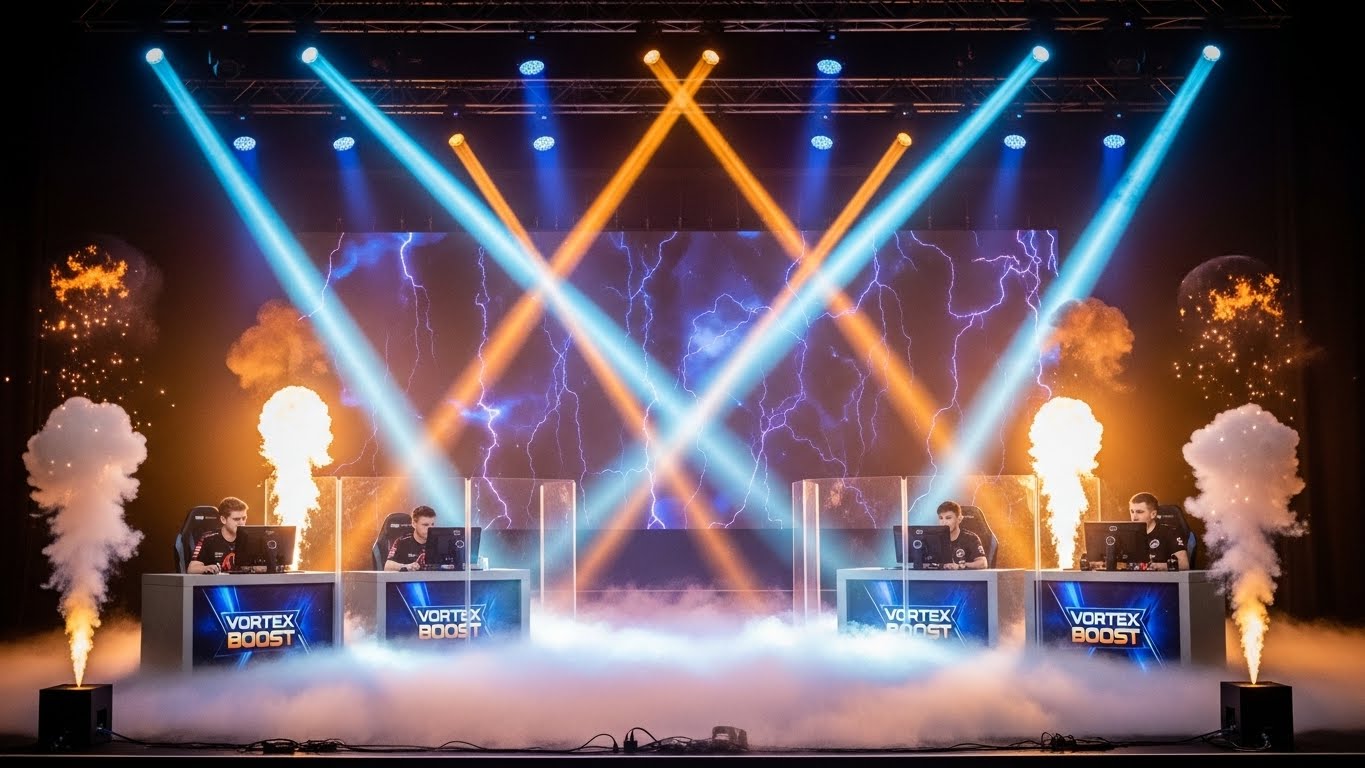
Esports, or electronic sports, has emerged as one of the most influential trends in modern entertainment. What began as casual competitive gaming among friends has grown into a global phenomenon with professional players, massive tournaments, and dedicated fan bases. Esports combines technology, strategy, teamwork, and entertainment, creating an industry that rivals traditional sports in popularity and revenue. This blog explores the rise of esports, its cultural and economic impact, the professional ecosystem, and its future in shaping entertainment.
The Origins of Esports
The history of esports can be traced back to the early 1980s with arcade competitions and tournaments for games like Space Invaders. Competitive gaming gained traction with the advent of personal computers and online connectivity in the 1990s. Titles like Quake, StarCraft, and Counter-Strike became early platforms for organized competition.
Esports initially attracted niche audiences, but the combination of competition and technology laid the foundation for a professional ecosystem. Communities began forming around games, hosting tournaments, sharing strategies, and building social connections. These early competitions set the stage for the global esports industry we see today.
The Growth of Esports as an Industry
Over the past two decades, esports has evolved from hobbyist competitions into a billion-dollar industry. Major tournaments now feature multi-million-dollar prize pools, attracting professional teams and sponsors from around the world. Events like The International for Dota 2, the League of Legends World Championship, and the Fortnite World Cup showcase the scale and popularity of competitive gaming.
Streaming platforms play a crucial role in esports growth. Viewers can watch live matches, follow their favorite players, and engage in interactive commentary. The accessibility of online streaming has allowed esports to reach millions globally, creating a dynamic entertainment ecosystem that rivals traditional sports broadcasting.
Popular Esports Games and Genres
Esports encompasses a wide range of game genres, each with unique gameplay mechanics and competitive dynamics. Multiplayer online battle arena games, such as League of Legends and Dota 2, emphasize strategy, teamwork, and real-time decision-making. First-person shooters like Counter-Strike: Global Offensive and Call of Duty test reflexes, precision, and communication under pressure.
Battle royale games such as Fortnite and Apex Legends combine survival mechanics with fast-paced competition, offering unique challenges to players. Sports simulation games, including FIFA and NBA 2K, attract fans who enjoy virtual representations of traditional sports. The diversity of esports genres ensures there is something for every type of gamer and viewer.
The Professional Esports Ecosystem
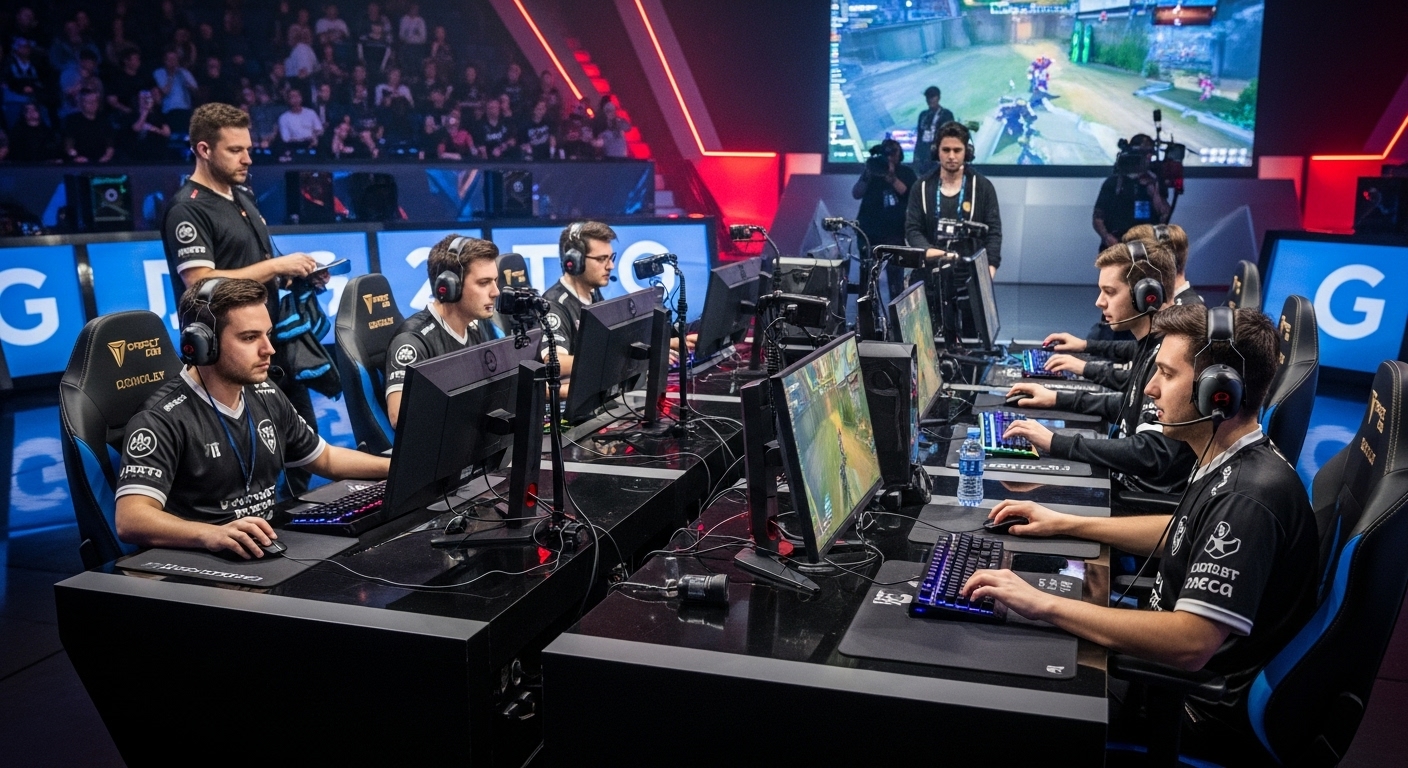
Esports is now a fully professionalized industry. Players train rigorously, often for eight to twelve hours a day, focusing on strategy, reflexes, teamwork, and mental resilience. Teams are managed by coaches, analysts, and support staff who optimize performance and ensure player well-being.
Professional contracts, sponsorships, and streaming opportunities provide players with substantial income and career growth. Top-tier players become celebrities within the gaming community, influencing trends, promoting brands, and inspiring aspiring gamers worldwide. The professional ecosystem mirrors traditional sports, combining skill, business, and entertainment into a thriving industry.
The Role of Tournaments and Leagues
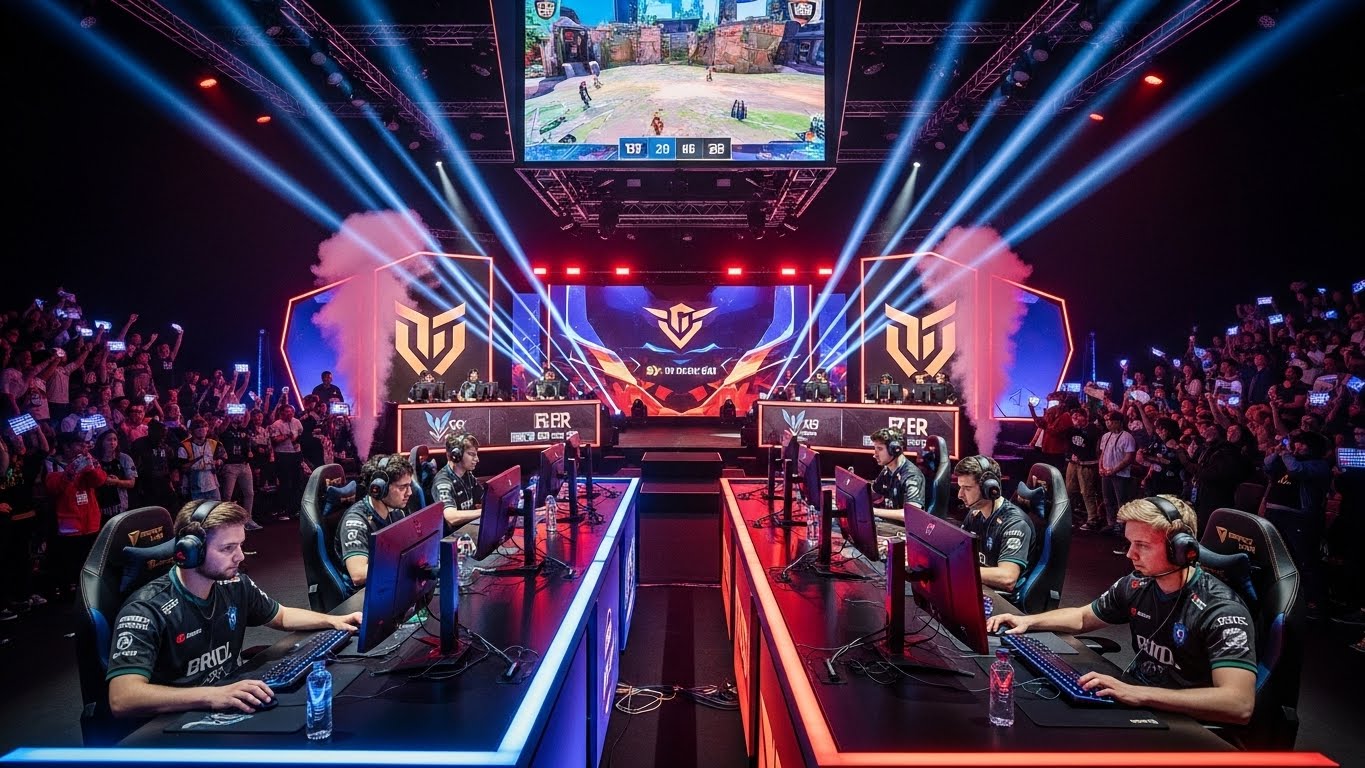
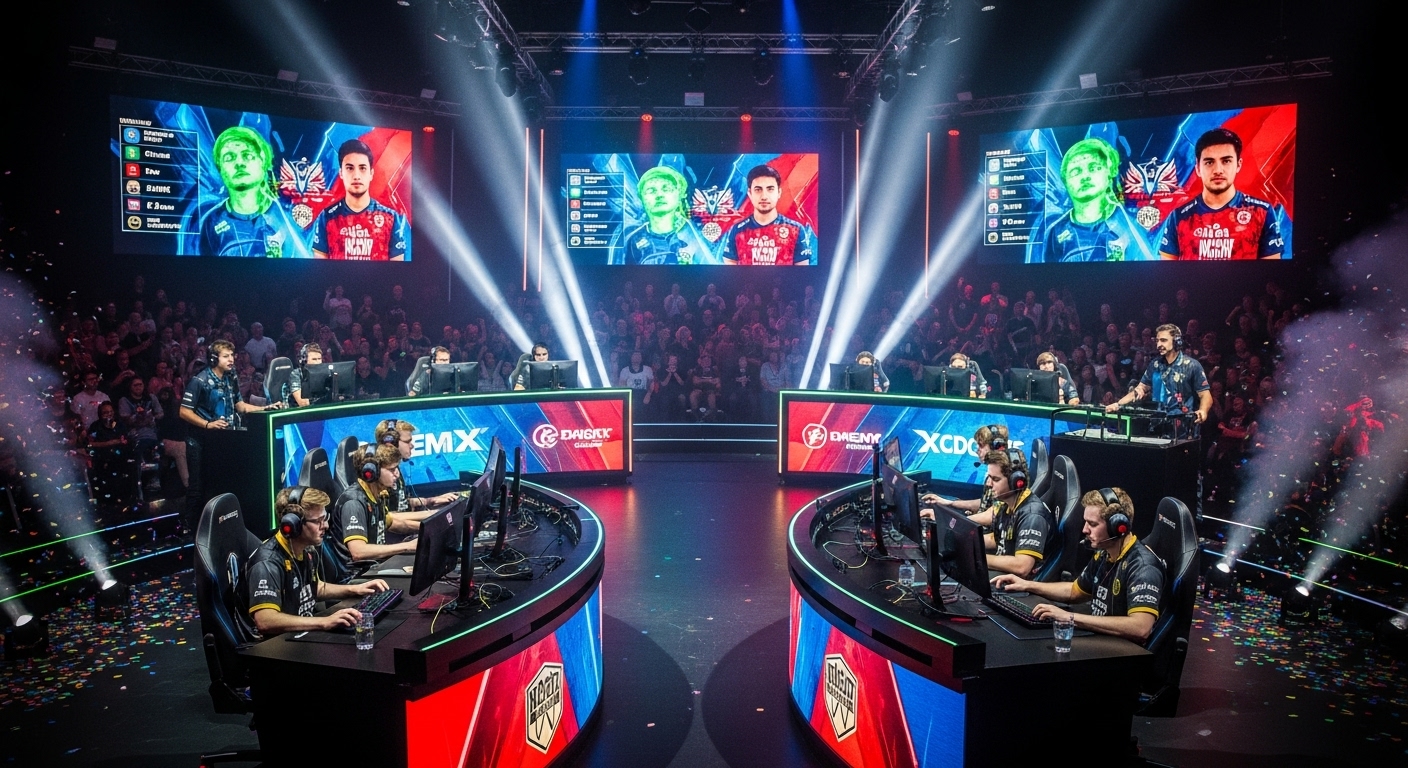
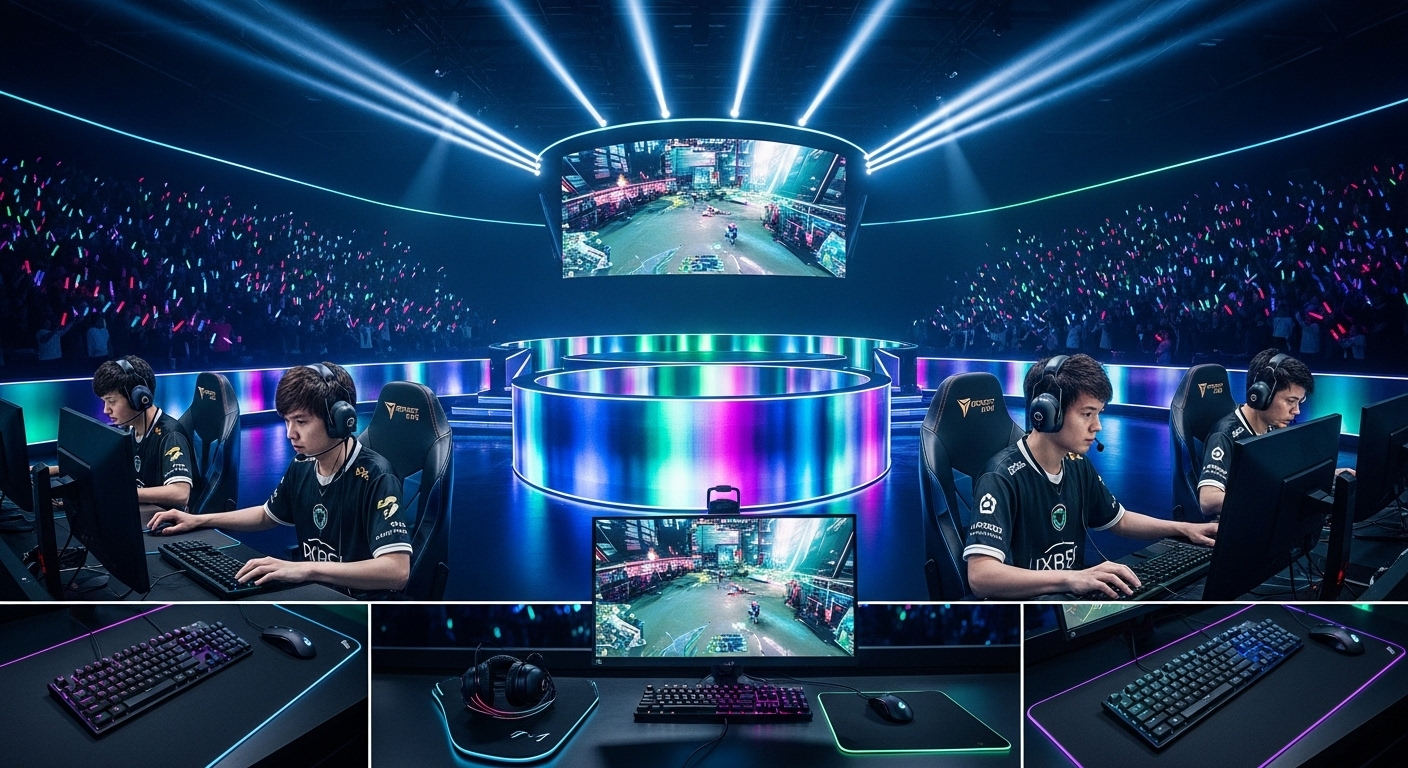
Esports tournaments and leagues are central to the industry’s growth. Events like the League of Legends World Championship, EVO fighting game tournaments, and Call of Duty League matches draw millions of viewers, both online and in live venues. Prize pools have grown exponentially, with some tournaments offering multi-million-dollar rewards for the winning teams.
Tournaments foster global competition, bringing together players from different regions, cultures, and skill levels. The competitive environment encourages innovation, teamwork, and strategic thinking. Leagues and structured competitions provide stability and ongoing engagement for fans, ensuring that esports remains a sustainable and evolving industry.
Esports and Streaming Culture
Streaming platforms such as Twitch and YouTube Gaming have transformed esports into an interactive entertainment experience. Fans can watch live matches, participate in chat, and follow players’ personal content. Streamers often blend professional gameplay with personal storytelling, creating intimate connections with audiences.
Streaming culture has also allowed amateur players to gain recognition and enter professional esports. Viral moments, highlights, and tutorials provide exposure, fostering a community-driven ecosystem where talent is discovered organically. This interactive engagement sets esports apart from traditional sports, combining competition with real-time audience participation.
The Economic Impact of Esports
Esports has become a significant economic force. Sponsorships, advertising, merchandising, and ticket sales contribute billions annually to the industry. Companies invest heavily in esports to reach younger, tech-savvy audiences who engage deeply with gaming culture.
The financial growth has also enabled infrastructure development, including training facilities, esports arenas, and dedicated broadcasting studios. Universities and educational institutions now offer esports scholarships and programs, providing pathways for careers in gaming, content creation, and game development. The economic impact extends beyond players, influencing technology, media, and marketing sectors worldwide.
The Social and Cultural Influence of Esports
Esports has redefined social interaction and community building. Online multiplayer games foster collaboration and teamwork, while fan communities create spaces for discussion, creativity, and shared experiences. Cosplay, fan art, podcasts, and social media engagement extend the cultural reach of esports beyond gameplay.
Esports also challenges stereotypes about gaming. It showcases skill, strategy, and dedication, promoting gaming as a legitimate form of competition. The inclusion of diverse players and audiences highlights gaming as an inclusive, global culture that transcends age, gender, and geography.
Esports and Mental Resilience
Competitive gaming requires mental toughness and focus. Players must handle high-pressure situations, adapt strategies in real time, and maintain teamwork and communication under stress. These skills translate into valuable life lessons, including discipline, perseverance, and collaboration.
The industry is also increasingly aware of player well-being. Professional teams employ psychologists, fitness coaches, and wellness programs to ensure players maintain physical and mental health. Balancing competitive demands with self-care has become a critical component of sustainable esports careers.
Education and Career Opportunities in Esports
Esports has expanded into education and professional development. Universities offer esports programs, covering game design, broadcasting, team management, and analytics. Scholarships and competitions encourage students to develop both technical and strategic skills.
Career opportunities extend beyond playing professionally. Analysts, commentators, event organizers, marketing specialists, and content creators all contribute to the esports ecosystem. The industry provides diverse career pathways, blending creativity, technology, and business into a growing professional landscape.
The Future of Esports
The future of esports is full of potential. Virtual reality and augmented reality may introduce new dimensions to competitive gaming, creating immersive experiences for players and viewers. Artificial intelligence may enhance training and performance analysis, pushing the boundaries of strategy and skill.
Global expansion continues, with new regions developing competitive leagues and talent pipelines. Esports may become increasingly integrated with mainstream entertainment, including collaborations with traditional sports, music, and media. The industry’s growth is poised to redefine how people consume, interact with, and participate in entertainment worldwide.
Conclusion
Esports has transformed from niche gaming competitions into a global entertainment and professional industry. It combines skill, strategy, storytelling, and community engagement, creating experiences that rival traditional sports and entertainment. The professional ecosystem, streaming culture, and educational opportunities demonstrate the depth and maturity of the industry.
As technology advances and global interest grows, esports will continue to shape entertainment, culture, and careers in unprecedented ways. It is no longer just a pastime; it is a dynamic, evolving field that challenges perceptions, inspires communities, and celebrates human skill and innovation. The esports revolution is here, and its impact on gaming and society is only beginning.