Introduction
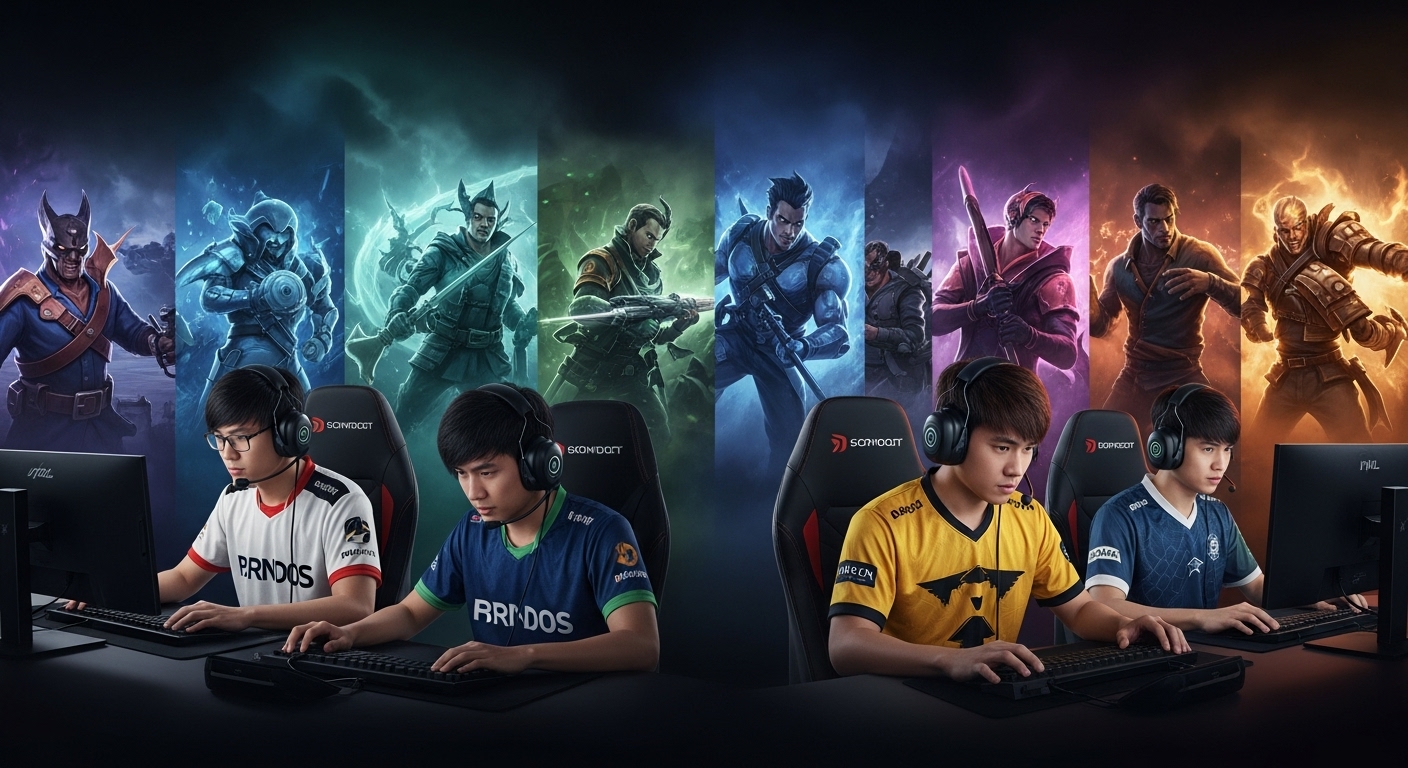
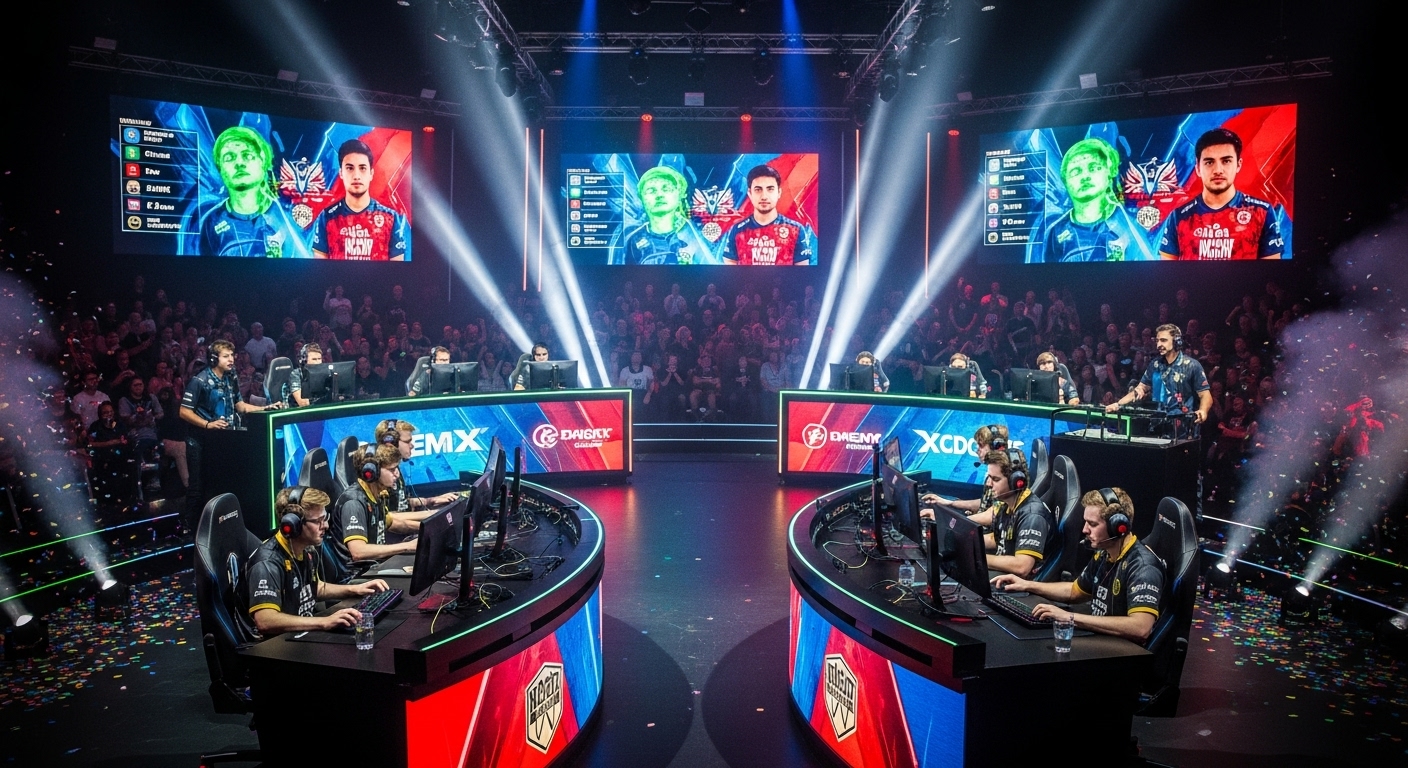
In a world where entertainment is continually evolving, one of the most significant and fastest-growing industries in recent years has been Esports. What once began as a niche hobby for a small group of gamers has blossomed into a global powerhouse that attracts millions of viewers and generates billions of dollars in revenue. Competitive gaming, also known as Esports, has moved far beyond casual play, becoming a legitimate industry, a source of entertainment, and a career path for thousands of players worldwide. This blog explores the rise of Esports, its impact on culture and society, and its future prospects, shedding light on how gaming has evolved into a phenomenon that’s here to stay.
The Origins of Esports
The history of Esports can be traced back to the early days of video gaming, when the idea of competition was more about casual fun than professional achievement. In the 1970s and 1980s, arcades were the battlegrounds for gamers to compete for high scores in popular titles like Pong and Space Invaders. However, it wasn’t until the late 1990s and early 2000s that Esports truly began to take shape.
One of the first major Esports tournaments occurred in 1997 with the Red Annihilation tournament for Quake, a first-person shooter that introduced the concept of organized, competitive gaming. The tournament featured professional players from around the world, and its success paved the way for future gaming competitions. The early 2000s saw the emergence of popular real-time strategy games like StarCraft, Warcraft III, and Counter-Strike, all of which played a significant role in shaping the competitive gaming scene.
The rise of broadband internet in the mid-2000s helped accelerate Esports’ growth. Players could now compete in online tournaments, and streaming platforms such as Twitch and YouTube allowed fans to watch their favorite games and tournaments from the comfort of their homes. These platforms laid the foundation for the global audience that Esports would eventually attract.
The Mechanics of Esports
At its core, Esports is a form of competitive video gaming, but it is far more structured and professional than casual gaming. Esports involves players or teams competing in multiplayer video games that require strategic thinking, teamwork, and exceptional skill. Popular titles include games such as League of Legends, Dota 2, Fortnite, Counter-Strike: Global Offensive, and Overwatch.
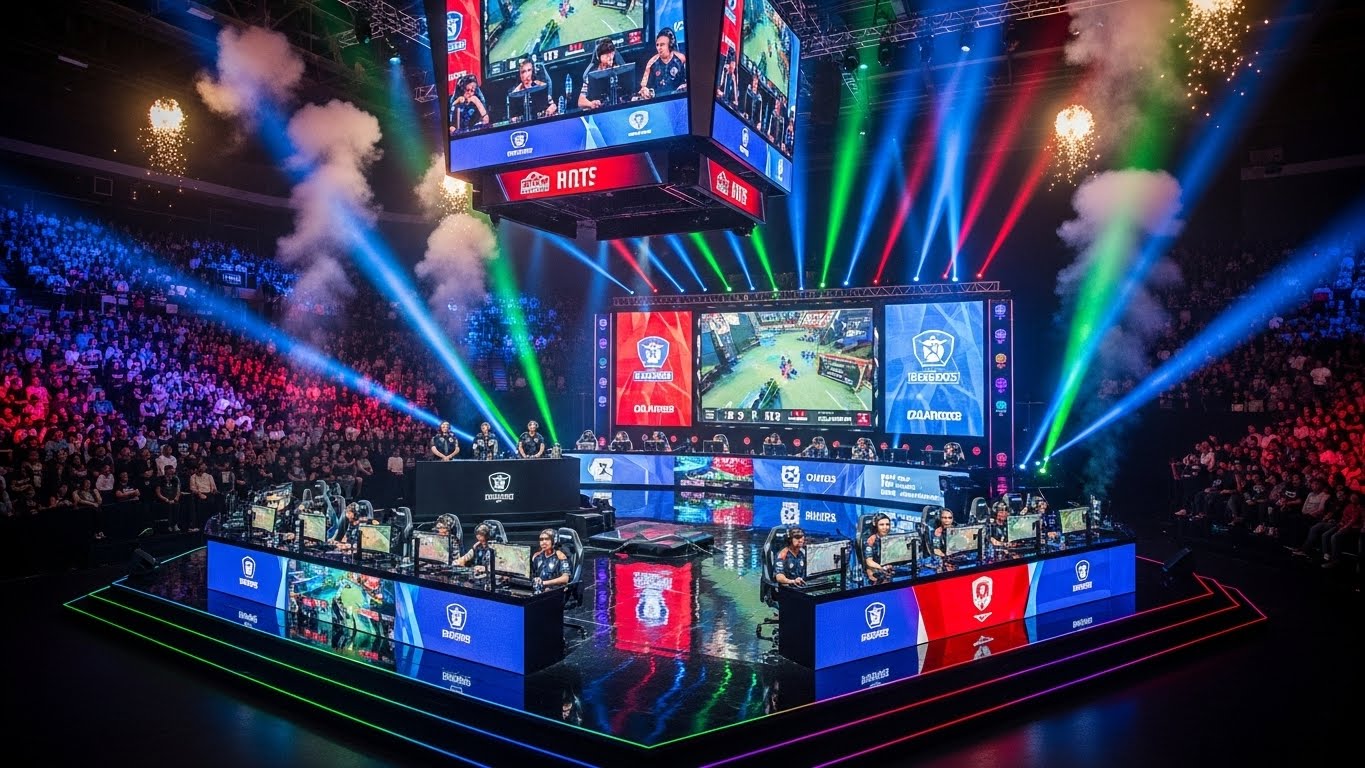
Esports competitions typically involve tournaments or leagues, with players or teams competing in a series of matches leading to elimination rounds. These tournaments are often live-streamed, attracting large audiences both online and in physical arenas. Prize pools for major tournaments can range from thousands to millions of dollars, further fueling the growth of the industry.
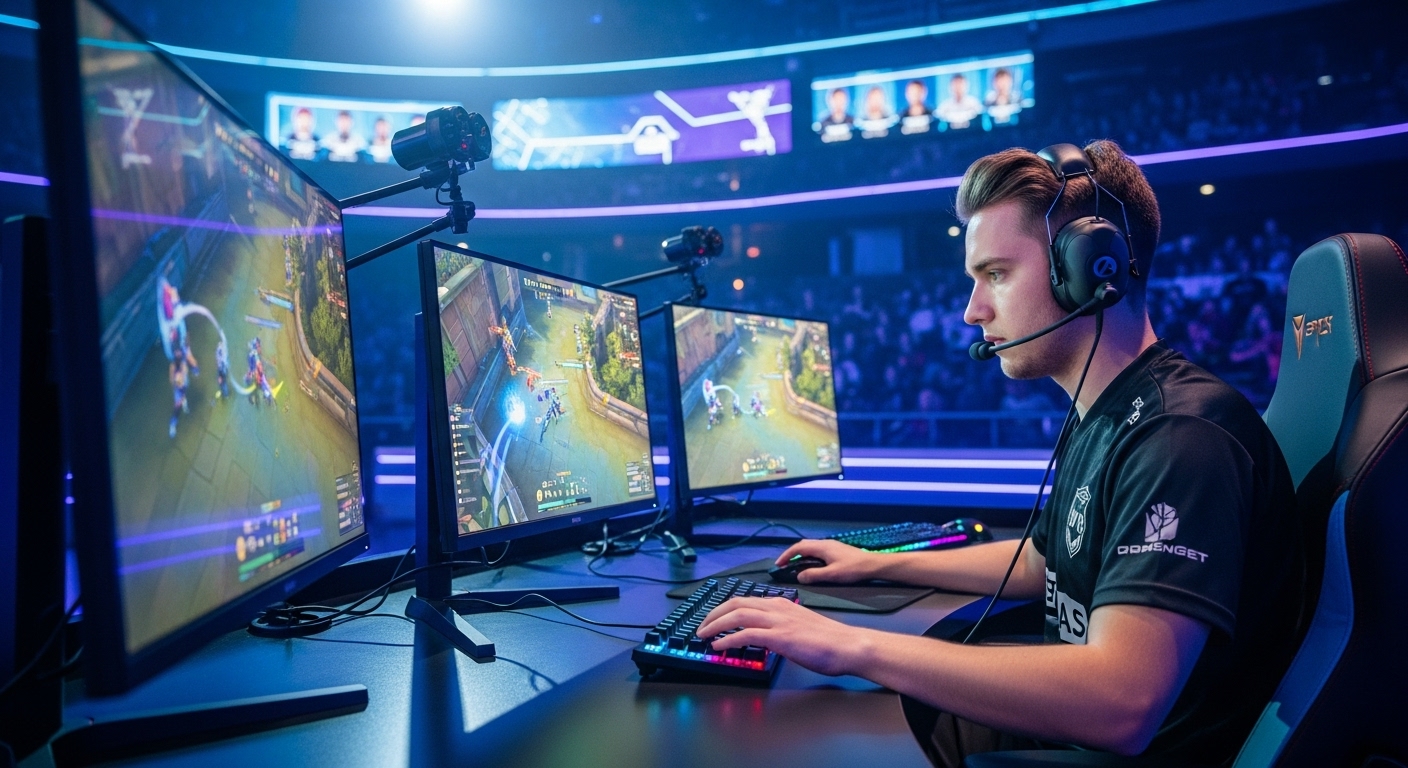
A critical aspect of Esports is the level of skill and dedication required to succeed. Professional gamers train for hours each day to master their games, developing strategies, improving reaction times, and working on their teamwork and communication. While many casual gamers enjoy playing for fun, Esports players approach gaming with the same level of seriousness and preparation as traditional athletes.
The Rise of Esports Viewership
One of the most striking aspects of Esports’ growth has been its massive increase in viewership. Major Esports events like the League of Legends World Championship and The International for Dota 2 attract millions of viewers globally. In 2020, The International alone drew over 100 million viewers, surpassing the viewership of traditional sports such as the NBA Finals and Super Bowl.
This growth in viewership has been facilitated by platforms like Twitch, YouTube Gaming, and Facebook Gaming, which allow fans to watch live streams of games and tournaments. These platforms have made Esports more accessible than ever before, bringing fans closer to the action and creating interactive experiences where viewers can engage with players and commentators in real-time.
Additionally, Esports is now a mainstream form of entertainment that is not limited to niche gaming communities. It has crossed over into popular culture, with many traditional sports organizations and celebrities investing in the industry. This mainstream recognition has further amplified Esports’ visibility and legitimacy as a form of entertainment.
The Economics of Esports
Esports is no longer just a hobby—it’s a thriving global industry. The revenue generated by Esports comes from various sources, including sponsorships, advertising, media rights, merchandise sales, and ticket sales for live events. The global Esports market was valued at over $1 billion in 2021, and it continues to grow rapidly.
One of the most significant drivers of revenue in Esports is sponsorship. Companies from a wide range of industries, including technology, energy drinks, sportswear, and even traditional sports, are increasingly partnering with Esports organizations. These sponsorships provide financial support to teams and tournaments, while also allowing brands to reach a highly engaged and tech-savvy audience.
Esports teams also have a major role in generating revenue. Professional gaming organizations like Cloud9, Team Liquid, and Fnatic not only compete in tournaments but also engage in merchandising and content creation. Many of these teams have expanded into other areas, such as streaming, creating YouTube channels, and partnering with brands to offer exclusive content to their fans.
As Esports continues to grow, its economic impact is expanding beyond just gaming. It is influencing industries such as media, advertising, and even education. Universities around the world are offering Esports scholarships, and some schools have even established dedicated Esports programs to train the next generation of professional players, coaches, and analysts.
Esports and Traditional Sports: A Symbiotic Relationship
Esports and traditional sports share many similarities, but they also diverge in several important ways. Both forms of entertainment require skill, dedication, and teamwork, but Esports operates in a digital space, whereas traditional sports are played in physical arenas.
Despite their differences, the relationship between Esports and traditional sports is growing stronger. Many traditional sports organizations are investing in Esports, recognizing the potential of the industry to attract younger, more digitally connected audiences. For example, the NBA has created the NBA 2K League, a professional Esports league based on the popular NBA 2K video game, while Manchester City has invested in Esports teams for games like FIFA and League of Legends.
This collaboration has also led to the formation of hybrid events, where Esports and traditional sports intersect. For example, some major Esports tournaments are held in the same arenas as traditional sports events, creating a fusion of both cultures. Furthermore, athletes from traditional sports are increasingly participating in the Esports scene, either as team owners, sponsors, or even gamers themselves.
The Social and Cultural Impact of Esports
Esports is more than just a form of entertainment—it has become a cultural movement. The rise of Esports has created global communities of fans who come together to share their passion for gaming. Fans connect through online platforms, attend live events, and engage with players and teams via social media. These communities have helped Esports grow into a global phenomenon, with passionate fan bases in countries such as South Korea, the United States, China, and Brazil.
Moreover, Esports has provided opportunities for people from diverse backgrounds to find a sense of belonging. Unlike traditional sports, which often have physical or geographic limitations, Esports is an inclusive environment where anyone with an internet connection can participate. This inclusivity has helped bridge cultural divides and create a global community of gamers.
Esports also provides a platform for social interaction and personal development. Many players find friendships, mentorship, and career opportunities through their involvement in Esports. The industry promotes teamwork, communication, and problem-solving, which are valuable skills both in and outside the game.
Challenges Facing Esports
While Esports has experienced significant growth, it is not without its challenges. One of the biggest issues facing the industry is the lack of regulation. Unlike traditional sports, which are governed by established leagues and associations, Esports is still a relatively young industry, and the lack of standardized rules can create inconsistencies between tournaments and leagues.
Another challenge is the physical and mental health of players. Professional gaming is intense and requires long hours of practice, which can take a toll on players’ health. Esports players often experience issues such as carpal tunnel syndrome, eye strain, and mental burnout. As the industry continues to grow, it will be important to prioritize player welfare and ensure that there are proper support systems in place.
Finally, Esports faces criticism from those who still perceive gaming as a form of escapism or as something that’s not “real” sports. Despite its increasing legitimacy, there are still those who struggle to accept Esports as a professional, competitive pursuit. Overcoming this stigma and gaining widespread recognition as a legitimate form of sport will be key to Esports’ long-term success.
The Future of Esports
The future of Esports looks bright, with continued growth and innovation on the horizon. As technology advances, new trends such as virtual reality and augmented reality could further enhance the gaming experience and create even more immersive Esports competitions. These advancements could redefine how fans experience tournaments, offering new ways to watch, interact with, and participate in games.
Esports will also continue to become more integrated into mainstream entertainment. As more traditional sports organizations invest in Esports and new revenue streams are explored, we can expect to see Esports further establish itself as a dominant force in the entertainment industry.