Introduction: eSports as a Cultural Phenomenon
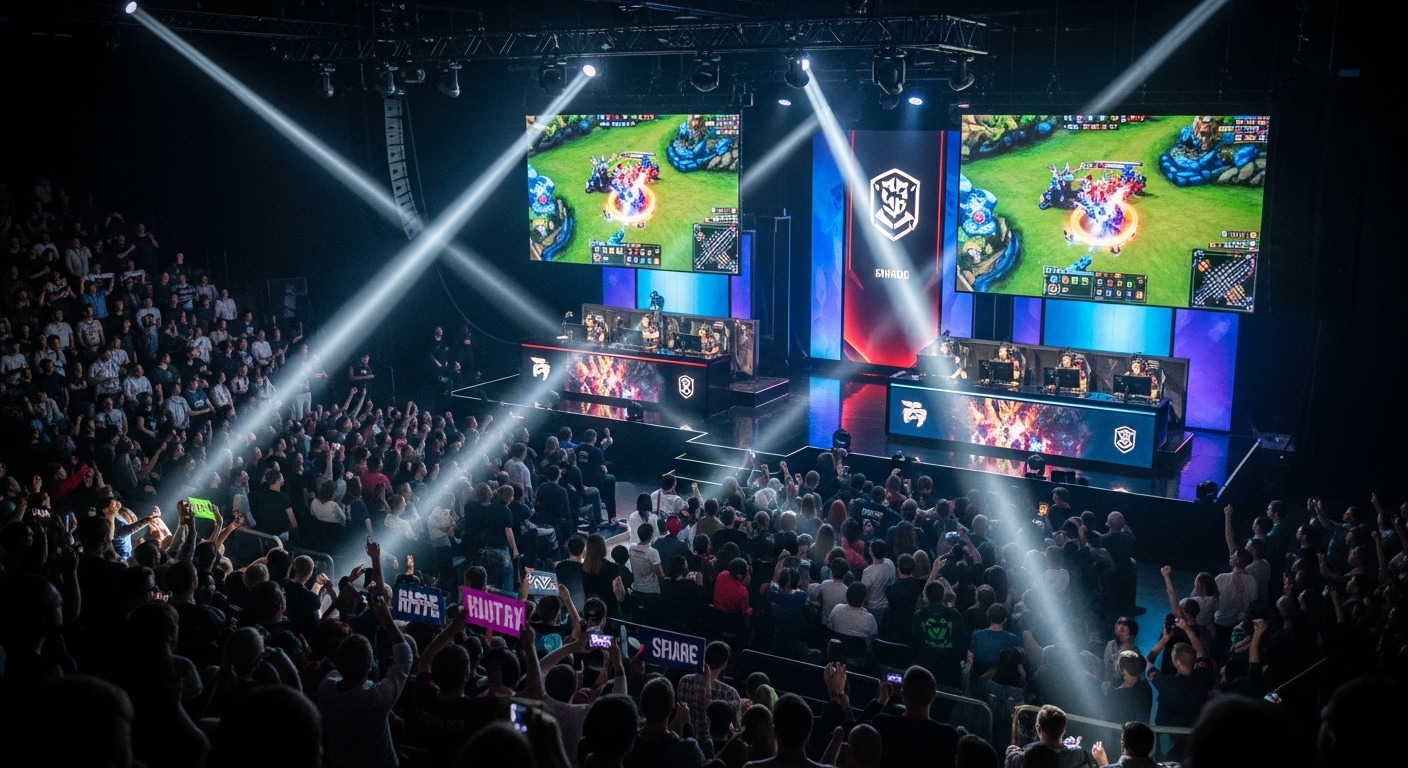
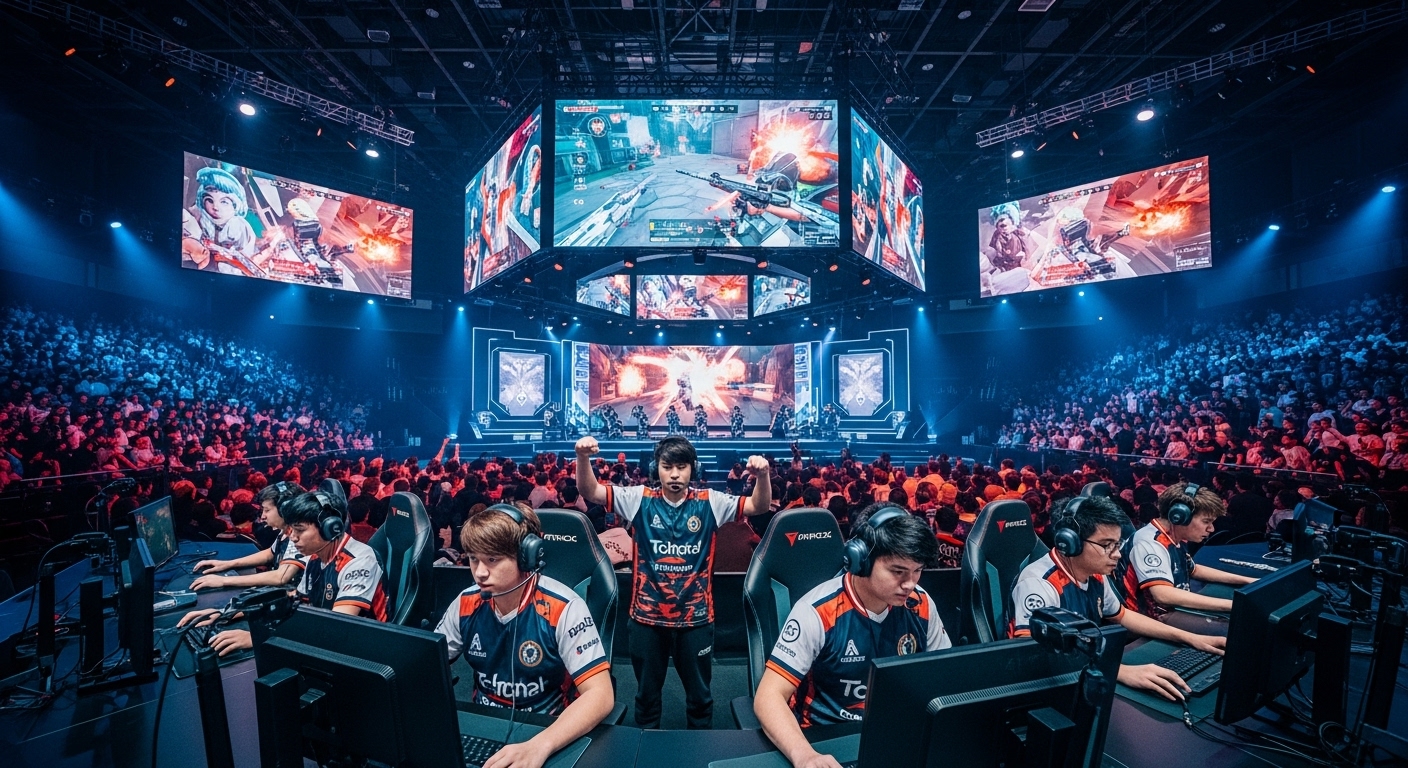
In recent years, eSports has evolved from a niche hobby into a global phenomenon, transforming competitive gaming into a professional and highly respected industry. Millions of fans worldwide tune in to watch professional gamers compete in tournaments, and prize pools have reached figures once unimaginable. eSports is more than just playing video games—it is a cultural movement, blending skill, strategy, entertainment, and technology. Its influence extends to entertainment, education, and even traditional sports.
The Origins of eSports
The roots of eSports can be traced back to the early days of video gaming. In the 1970s and 1980s, arcade competitions and home console tournaments laid the groundwork for organized competitive gaming. Games like Space Invaders, Pac-Man, and later Street Fighter sparked community competitions and local rivalries. These early events, though small-scale, introduced the idea of gaming as a competitive sport.
With the advent of personal computers and online connectivity in the 1990s, competitive gaming gained a new platform. Titles like StarCraft, Counter-Strike, and Quake became early staples of professional competition, attracting dedicated players and passionate fanbases. Online forums and LAN (Local Area Network) events enabled players to compete globally, establishing the foundation for modern eSports.
The Growth of Professional eSports
The 2000s marked the transformation of competitive gaming into a professional industry. Game developers began organizing official tournaments, complete with sponsorships, professional teams, and structured leagues. South Korea emerged as a hub for professional gaming, with titles like StarCraft II gaining immense popularity. eSports athletes were treated as celebrities, and professional gaming houses provided training, coaching, and support for players pursuing careers in the industry.
This era also introduced live broadcasting and streaming, allowing audiences worldwide to watch tournaments in real-time. Platforms such as Twitch and YouTube Gaming played a critical role in connecting players and fans, enabling competitive gaming to become a global spectacle.
Popular eSports Titles and Their Impact
Today, eSports encompasses a wide range of games, each with its unique competitive scene. Multiplayer Online Battle Arenas (MOBAs) like League of Legends and Dota 2 dominate global tournaments with massive audiences. First-Person Shooters (FPS) like Counter-Strike: Global Offensive, Call of Duty, and Valorant combine precision, strategy, and teamwork, offering thrilling matches for spectators. Battle Royale games like Fortnite and PUBG bring large-scale, high-intensity gameplay that attracts millions of viewers online.
Sports simulation games, such as FIFA and NBA 2K, bring traditional sports into the digital realm, allowing players to compete in realistic virtual leagues. Each game contributes to the diversity of eSports, attracting different communities and broadening its appeal to fans worldwide.
The eSports Ecosystem
The eSports industry is not limited to players and tournaments. It comprises a complex ecosystem that includes teams, sponsors, event organizers, broadcasters, and content creators. Professional teams recruit skilled players, provide coaching, and develop strategies to compete at the highest level. Sponsors from tech companies, energy drinks, and apparel brands invest heavily in these teams, recognizing the marketing potential of the eSports audience.
Event organizers coordinate live competitions, ensuring professional standards for players and spectators alike. Streaming platforms broadcast matches to millions of viewers, generating revenue through advertisements, subscriptions, and donations. Meanwhile, content creators contribute to the culture by producing tutorials, highlight reels, and commentary, keeping fans engaged even between tournaments.
The Role of Streaming in eSports Growth
Streaming platforms have revolutionized how fans experience eSports. Live streaming allows viewers to watch matches in real-time, interact with commentators, and engage with the community. This accessibility has created a sense of connection between players and fans, enhancing the spectator experience.
Content beyond competitive matches, such as behind-the-scenes footage, player interviews, and training sessions, provides insight into the lives of professional gamers. Streaming has also democratized the industry, allowing amateur players to showcase their skills, build fanbases, and potentially transition into professional eSports careers.
Economic Impact of eSports
The eSports industry has grown into a multi-billion-dollar global market. Prize pools for major tournaments often reach millions of dollars, rivaling traditional sports competitions. Sponsorships, advertising, media rights, and merchandise contribute to a robust financial ecosystem. Cities and countries are investing in eSports infrastructure, hosting international tournaments that attract tourism and generate revenue.
The industry also creates employment opportunities beyond the players themselves. Coaches, analysts, event managers, content creators, and marketing specialists all contribute to the growing ecosystem. eSports has proven that competitive gaming is not just entertainment but a viable career path for many.
eSports as a Career Path
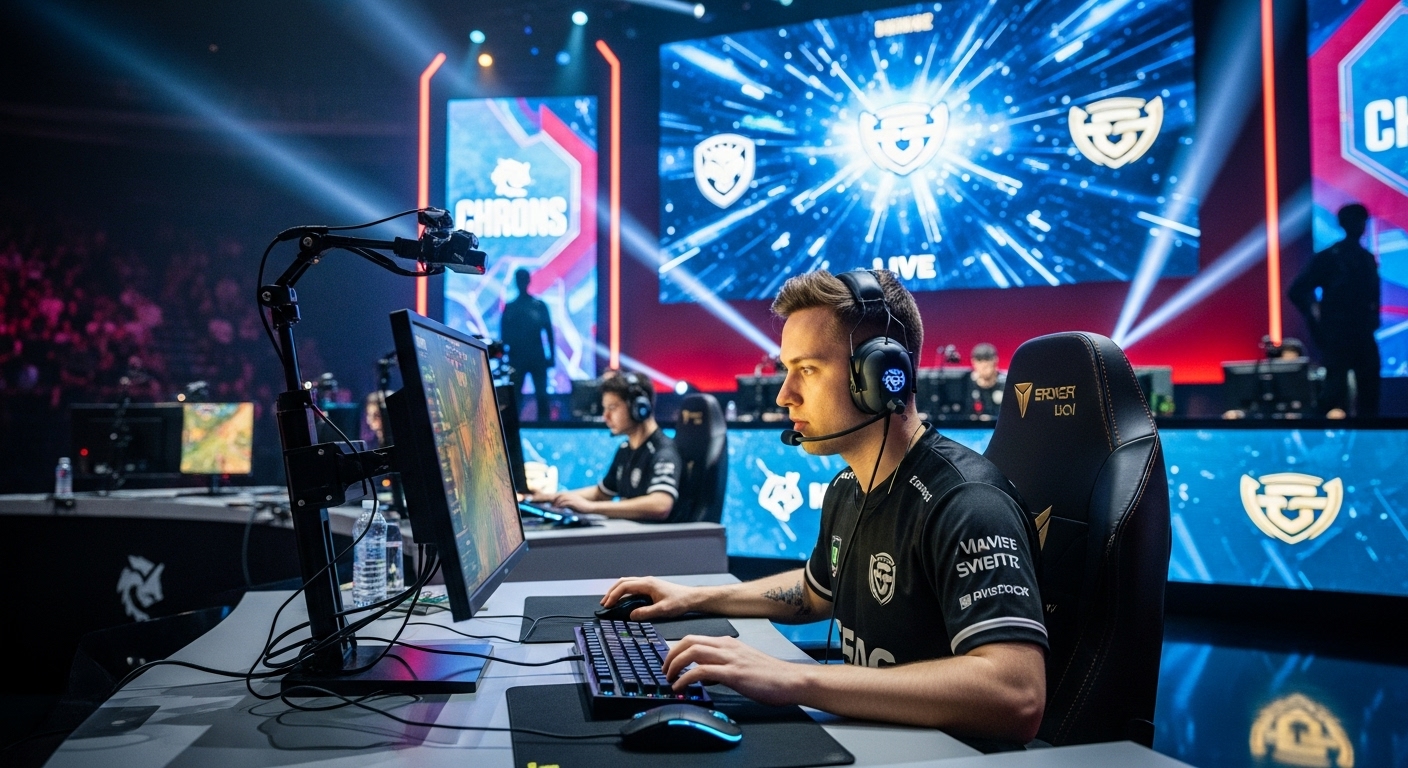
Professional eSports players dedicate countless hours to practice, strategy development, and teamwork. Competitive gaming requires skill, quick reflexes, mental focus, and a deep understanding of game mechanics. Many players begin their careers in local or online tournaments, gradually rising through rankings to reach professional leagues.
Teams often provide structured support, including coaching, nutrition advice, mental health resources, and media training. While the career span of professional gamers can be relatively short due to the physical and mental demands, many transition into coaching, commentary, content creation, or management roles within the industry.
The Cultural Influence of eSports
eSports has had a profound impact on culture, influencing entertainment, fashion, and media. Popular tournaments are broadcast to millions worldwide, while players gain celebrity status with social media followings rivaling traditional athletes. Merchandise, fan events, and online communities contribute to a thriving fan culture.
eSports has also helped redefine perceptions of gaming. What was once considered a hobby or niche interest is now recognized as a legitimate form of competition, requiring dedication, strategy, and teamwork. Schools and universities are even offering eSports programs and scholarships, acknowledging its educational and professional potential.
The Role of Technology in eSports
Technology is at the core of eSports. High-performance computers, advanced gaming peripherals, and fast internet connections are essential for competitive play. Streaming technology allows global audiences to watch live matches, while analytics software helps teams optimize strategies and performance.
Emerging technologies, such as virtual reality and augmented reality, are beginning to influence the eSports landscape. These innovations promise new gameplay experiences, immersive spectator options, and opportunities for expanding the industry further.
Challenges Facing the eSports Industry
Despite its rapid growth, eSports faces several challenges. Player burnout and mental health concerns are significant, as professional gamers often train for hours each day under high pressure. Cheating, online toxicity, and harassment remain issues that the industry must address to maintain a positive environment for players and fans.
Regulation and governance are also critical. Standardizing rules, enforcing fair play, and ensuring player rights are vital for the industry’s long-term sustainability. Additionally, eSports organizations must find ways to maintain audience engagement amid an increasingly competitive entertainment landscape.
The Future of eSports
The future of eSports looks bright, with continued growth expected across the globe. Increased investment from traditional sports organizations, mainstream media, and technology companies will further legitimize competitive gaming. Virtual and augmented reality could create new gaming experiences, while AI-driven analytics may improve performance and strategy.
Educational institutions are likely to expand eSports programs, nurturing the next generation of professional gamers, coaches, and industry specialists. As technology continues to evolve, the line between traditional sports and eSports may blur, with hybrid events, virtual arenas, and interactive fan experiences becoming standard.
Conclusion: eSports as a Modern Sport
eSports has evolved from humble beginnings into a global phenomenon, reshaping the world of competitive gaming. It combines skill, strategy, teamwork, and technology to create an entertainment experience that rivals traditional sports. With professional leagues, international tournaments, and millions of fans worldwide, eSports is more than a pastime—it is a legitimate industry and a cultural force.
As technology continues to advance, eSports will continue to grow, innovate, and inspire. It represents a modern era of competition where passion, talent, and creativity are celebrated on a global stage. For players, fans, and the industry as a whole, eSports is not just about games—it is about redefining the meaning of sport, entertainment, and human potential in the 21st century.