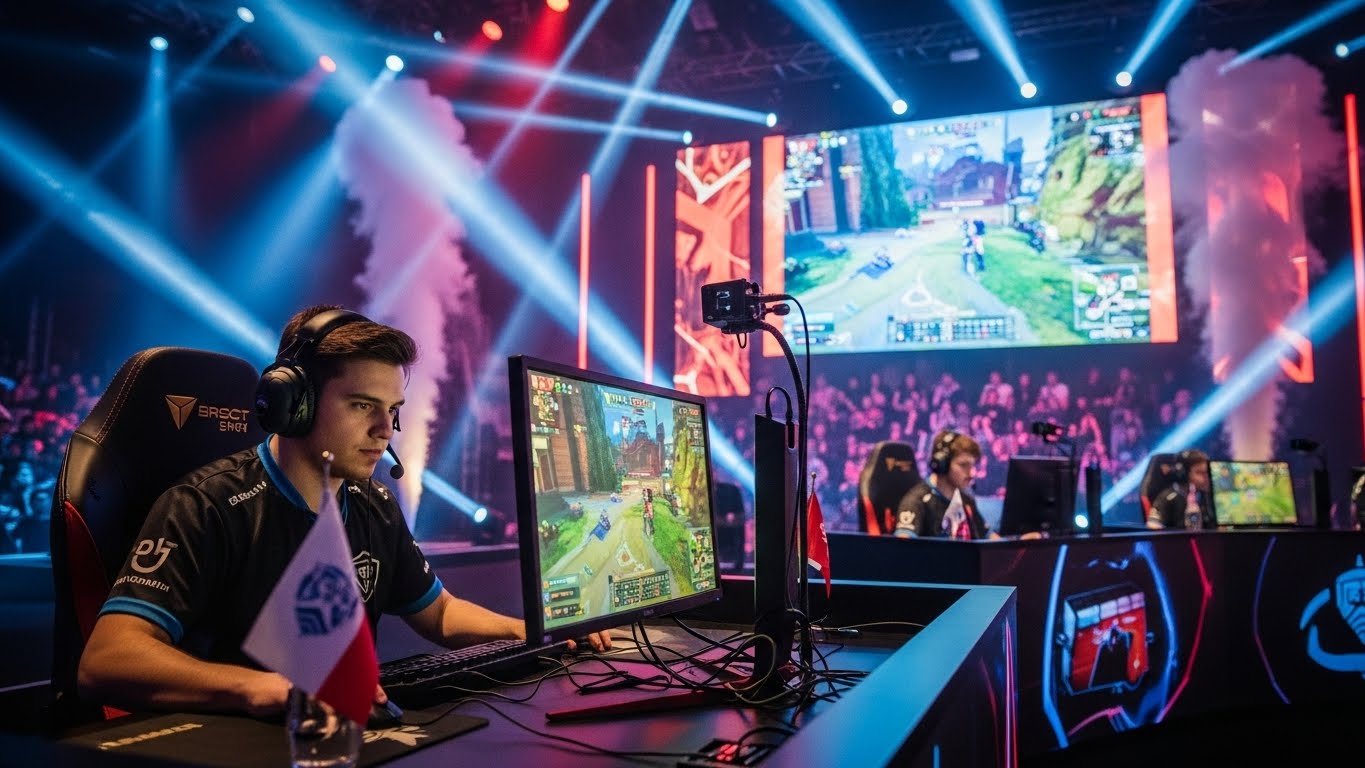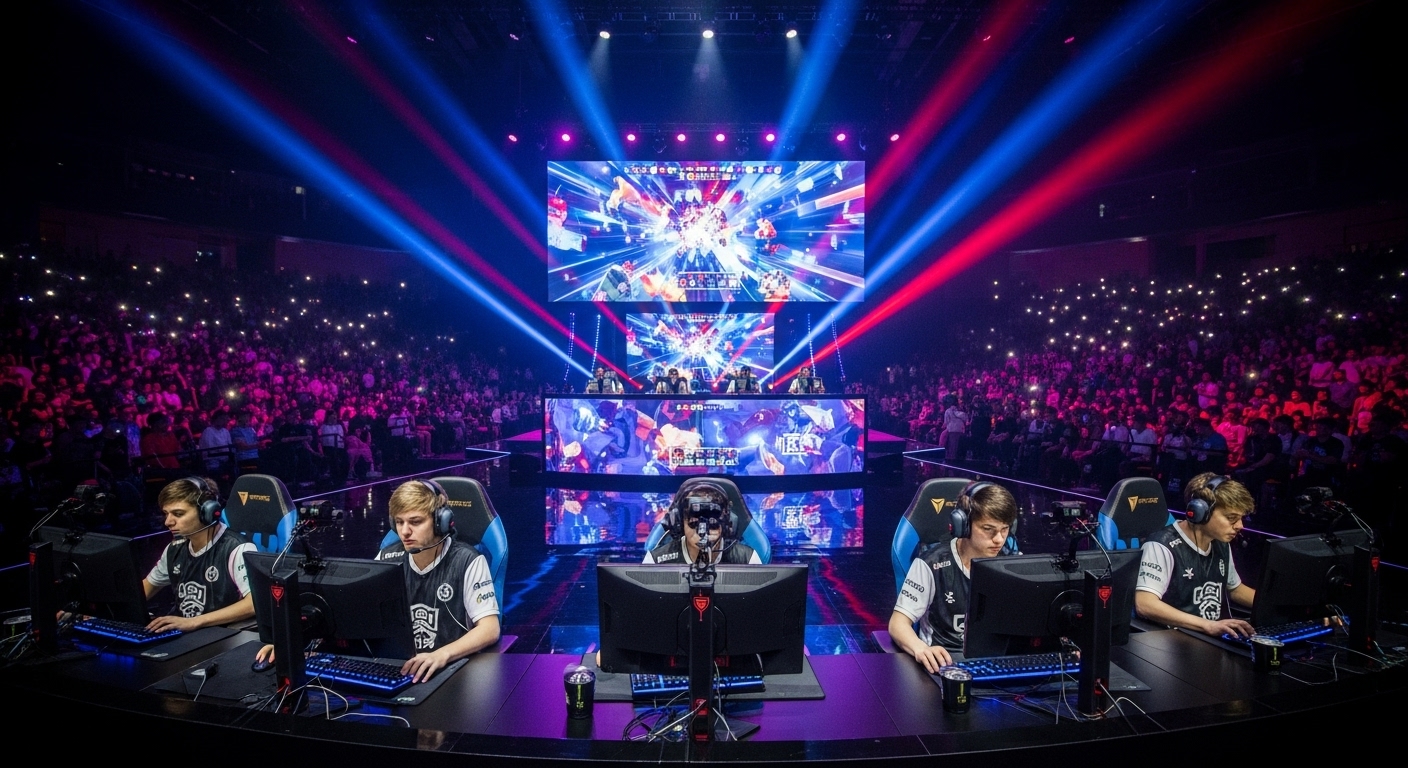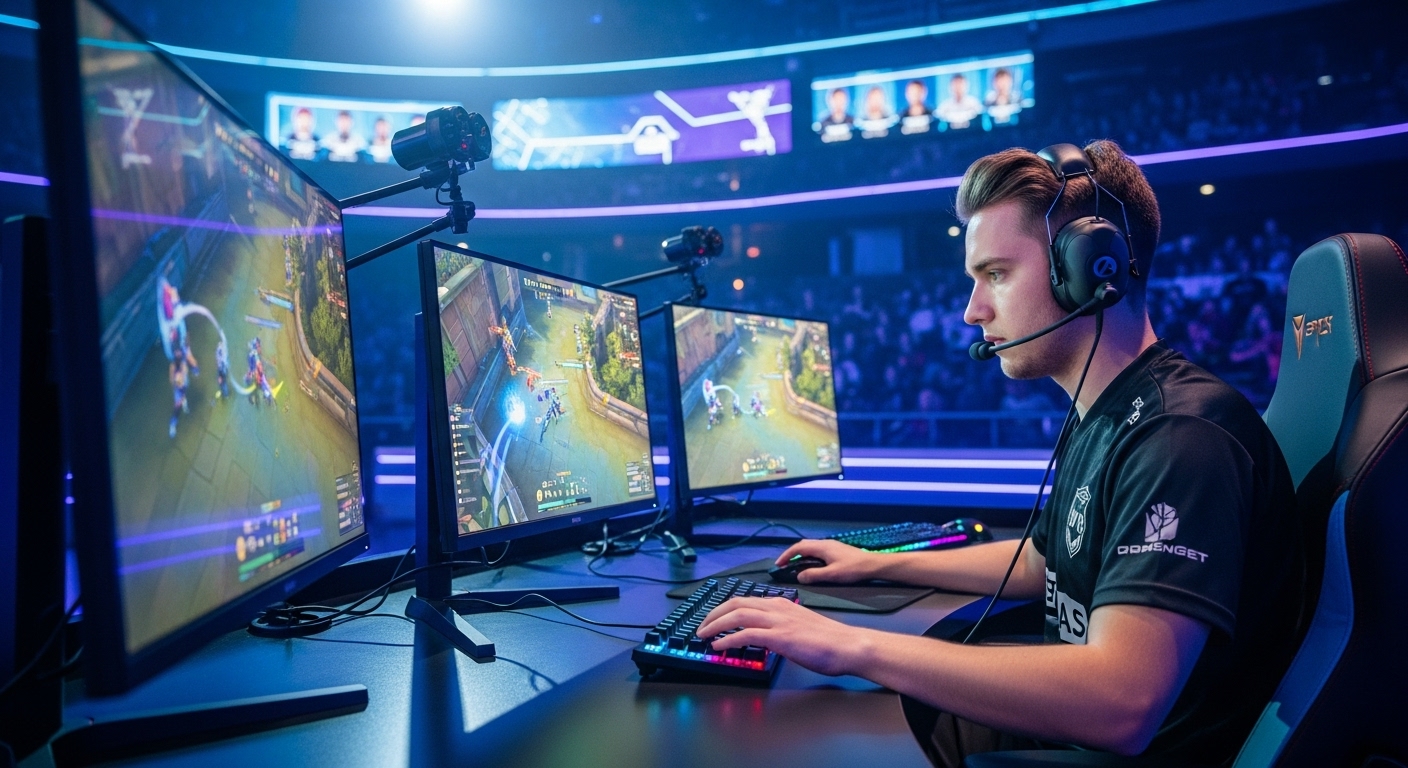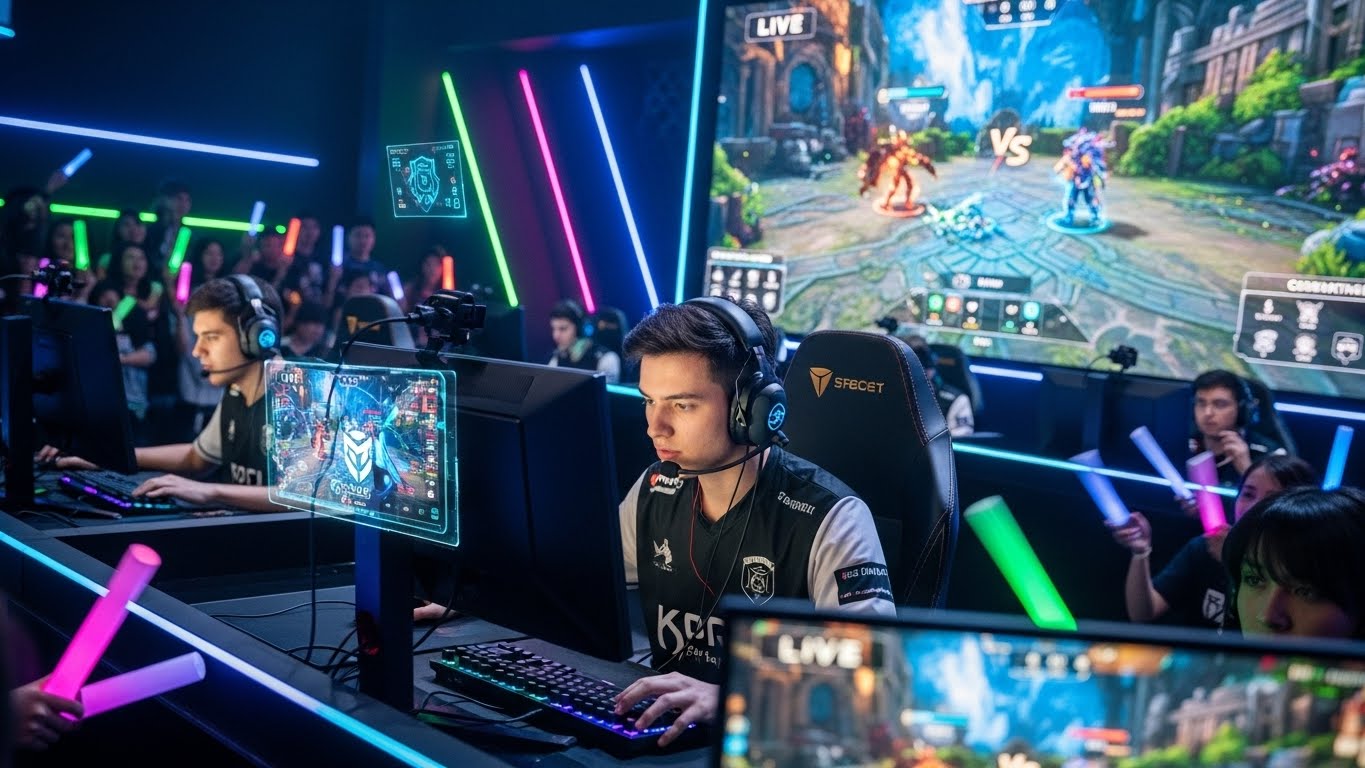
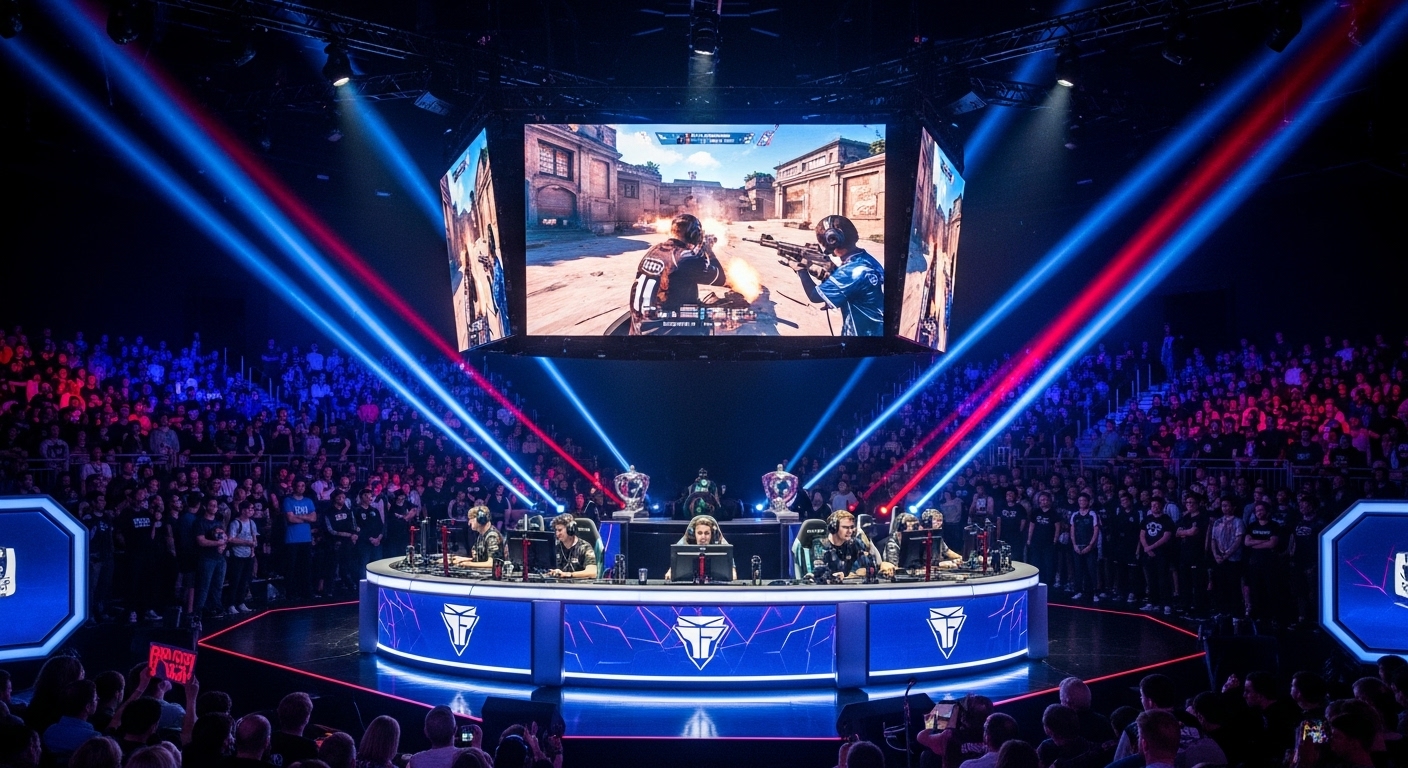
Esports, or electronic sports, refers to competitive gaming, where players participate in organized, multiplayer video game tournaments, often for substantial monetary prizes. What started as an underground hobby has since grown into a global industry with millions of fans, professional players, and lucrative sponsorships. From its humble beginnings in the 1990s to the present day, esports has become an integral part of the entertainment and sports ecosystem.
This blog post delves into the history, rise, and transformation of esports, exploring its impact on the gaming community, the wider world, and what the future holds for this ever-evolving phenomenon.
The Birth of Esports: A Niche Interest in the 1990s
In the early days of video games, competitive gaming was far from mainstream. However, as video games began to grow in complexity and popularity during the late 1980s and early 1990s, a small but dedicated group of gamers began to organize informal tournaments. These events were far from the large-scale productions we see today, often consisting of local competitions in arcades or living rooms. The first significant step toward the establishment of esports as a formal industry occurred in 1997 with the creation of the Red Annihilation Tournament for the game Quake. This event attracted thousands of players, culminating in a finals match at the 1997 E3 Expo in Los Angeles. The winner, Dennis “Thresh” Fong, went on to become one of the first professional esports players and established the foundation for future competitive gaming.
By the late 1990s, the growth of the internet made it easier for players to connect remotely, opening the door for online multiplayer games and tournaments. This gave rise to games like StarCraft and Warcraft, which laid the foundation for esports’ future. However, it wasn’t until the 2000s that esports began to take on its current form, with more professional organizations and sponsorships backing large-scale tournaments.
The Rise of Esports in the 2000s
The 2000s marked a pivotal decade for esports, as the industry gained traction in the mainstream. While the esports scene was still relatively niche, a few key developments propelled competitive gaming into the public eye. Games like StarCraft, Warcraft III, and Counter-Strike helped establish the foundations for the competitive gaming scene we know today. These games were played on a global scale, drawing large numbers of spectators, as well as sponsorships and media coverage.
In 2000, the first World Cyber Games (WCG) was held, bringing together gamers from all over the world to compete for international glory. The WCG was one of the earliest examples of esports tournaments held on a global stage, and it helped bring attention to competitive gaming as a serious discipline. Similarly, The Electronic Sports World Cup (ESWC) was founded in 2003 and played a major role in formalizing the esports scene.
Another landmark moment came in 2003 with the creation of the Major League Gaming (MLG), which quickly became one of the most recognizable brands in competitive gaming. The MLG focused on Halo and Call of Duty tournaments and featured live events that attracted large crowds. These tournaments garnered the attention of both players and fans, solidifying the growth of competitive gaming in the early 2000s.
By the mid-2000s, the internet had become a key driver in connecting players from all over the world, and games like League of Legends (LoL), Counter-Strike: Global Offensive (CS:GO), and Dota 2 became household names in the esports world. The rise of streaming platforms, particularly Twitch, also helped fuel the esports boom by providing a dedicated platform for gamers to watch live tournaments and interact with their favorite players.
The Mainstream Breakthrough: Esports in the 2010s
The 2010s were a defining decade for esports, as it moved from a niche hobby to a mainstream phenomenon. With the help of streaming services like Twitch (launched in 2011), esports began to gain significant visibility. This era saw the professionalization of competitive gaming, with an increase in sponsorships, the establishment of professional leagues, and the rise of esports as a spectator sport. Major tournaments, such as the League of Legends World Championship and The International (Dota 2), became annual events watched by millions.
The global reach of esports grew exponentially during this time, with major brands like Coca-Cola, Intel, and Red Bull entering the scene as sponsors. These sponsorships and partnerships helped boost the credibility of esports as a legitimate form of entertainment, while also providing the financial backing necessary for the development of large-scale events. Not only did esports tournaments begin offering million-dollar prize pools, but they also attracted huge live audiences and millions of viewers from all around the world.
By the end of the 2010s, esports had firmly established itself as an integral part of the entertainment landscape. The industry generated billions of dollars in revenue, with lucrative sponsorships, advertising, media rights, merchandise sales, and ticket sales for live events. The rise of esports teams, such as Cloud9, Team Liquid, and Fnatic, further solidified the competitive gaming scene, creating a true sense of professionalism within the industry.
The Role of Streaming Platforms and Social Media in Esports Growth
One of the key factors that propelled esports to global prominence was the role of streaming platforms and social media. The launch of Twitch in 2011 revolutionized the way esports tournaments were viewed. With the click of a button, fans could watch live streams of their favorite tournaments, interact with other viewers, and even support their favorite streamers through donations and subscriptions.
Streaming platforms allowed fans from around the world to connect with players and teams, fostering a sense of community and belonging. The rise of social media platforms like Twitter, Instagram, and YouTube also played a significant role in the growth of esports. Esports players, teams, and tournament organizers were able to build large fan bases by sharing highlights, behind-the-scenes content, and live updates from events. Social media allowed fans to engage directly with their favorite players and teams, making esports a truly interactive experience.
As a result of these platforms, esports players gained celebrity status in the gaming world. Players like Faker (Lee Sang-hyeok), Ninja (Tyler Blevins), and Shroud (Michael Grzesiek) became household names, garnering millions of followers on social media and making significant contributions to the global recognition of esports.
Esports as a Career Path: The Professionalization of Gaming
Esports has transformed from a casual hobby to a legitimate career path. In the early years of esports, players were often amateurs competing for small prizes or recognition within their local communities. However, as esports grew in popularity, it became possible for players to turn their passion into a full-time profession. Professional players can now make a living from competing in tournaments, streaming their gameplay, and securing sponsorships and endorsements.
The development of esports academies, team management structures, and training facilities has further professionalized the industry. Major esports organizations like Team Liquid, Cloud9, and G2 Esports have full rosters of professional players who compete in multiple games and tournaments, including League of Legends, Counter-Strike: Global Offensive, Fortnite, and Valorant. These organizations invest in player development, hiring coaches, analysts, and mental health professionals to help players reach their full potential.
Players now sign lucrative contracts with esports organizations, receive salaries, and earn performance-based bonuses. They also have the opportunity to secure sponsorships from global brands, making esports a viable career for top-tier players. Additionally, some esports organizations have partnerships with traditional sports teams, such as Team SoloMid’s partnership with the New York Yankees or Cloud9’s collaboration with the Los Angeles Lakers. These partnerships help bridge the gap between esports and traditional sports, signaling that competitive gaming has reached the highest levels of recognition.
Esports in Mainstream Media and Traditional Sports
Esports’ rise to prominence has also led to its integration with mainstream media. Television networks like ESPN, TBS, and ABC began airing esports tournaments in the 2010s, bringing competitive gaming into the living rooms of millions of viewers. Major esports tournaments, such as the League of Legends World Championship and The International, have been broadcasted to massive audiences both online and on television. This trend has only accelerated with the growing availability of streaming services and the increasing popularity of gaming among younger audiences.
Moreover, esports is now seen as a legitimate part of traditional sports. In 2018, the Asian Games included esports as a demonstration sport, and the International Olympic Committee has considered including esports in future Olympic Games. Several traditional sports teams, such as Paris Saint-Germain and FC Schalke 04, have established esports divisions, further solidifying the connection between competitive gaming and traditional sports. The development of esports as a spectator sport has created a new ecosystem where both gaming and traditional sports fans can come together.
The Future of Esports: Challenges and Opportunities
As the esports industry continues to grow, there are a number of challenges and opportunities that will shape its future. One of the biggest challenges is the sustainability of the esports ecosystem. While sponsorships and media rights are significant revenue streams, there is concern about the long-term financial viability of some esports organizations. Overreliance on sponsorships and prize pools can make the industry susceptible to economic downturns or changes in sponsor interest.
Another challenge is ensuring that the competitive integrity of esports is maintained. As esports grows, so does the prevalence of cheating, match-fixing, and other forms of unfair play. Maintaining fair competition and protecting the integrity of tournaments will be critical in preserving the legitimacy of esports as a professional discipline.
On the other hand, the future of esports is full of opportunities. The growth of mobile gaming, virtual reality (VR), and augmented reality (AR) could open up new avenues for esports competitions and tournaments. Mobile esports, in particular, has already seen a surge in popularity in countries like China and India, where mobile phones are the primary gaming devices. The continued development of VR and AR technologies could revolutionize the way esports are played and experienced, creating entirely new genres of competitive gaming.
Additionally, the growing recognition of esports in traditional sports and mainstream media presents opportunities for new partnerships and collaborations. As the industry becomes more globalized, esports could attract new audiences and sponsors from all over the world, further accelerating its growth.
Conclusion: Esports as a Cultural and Social Phenomenon
Esports has undergone a remarkable transformation over the past few decades. From humble beginnings as a niche hobby, it has evolved into a global industry that attracts millions of fans, professional players, and major sponsors. The rise of streaming platforms, the integration of esports with traditional sports, and the increasing recognition of esports as a legitimate career path have all contributed to the growth of competitive gaming.
As the esports industry continues to expand, it will face new challenges and opportunities that will shape its future. However, one thing is clear: esports is no longer just a game—it is a cultural and social phenomenon that is here to stay.