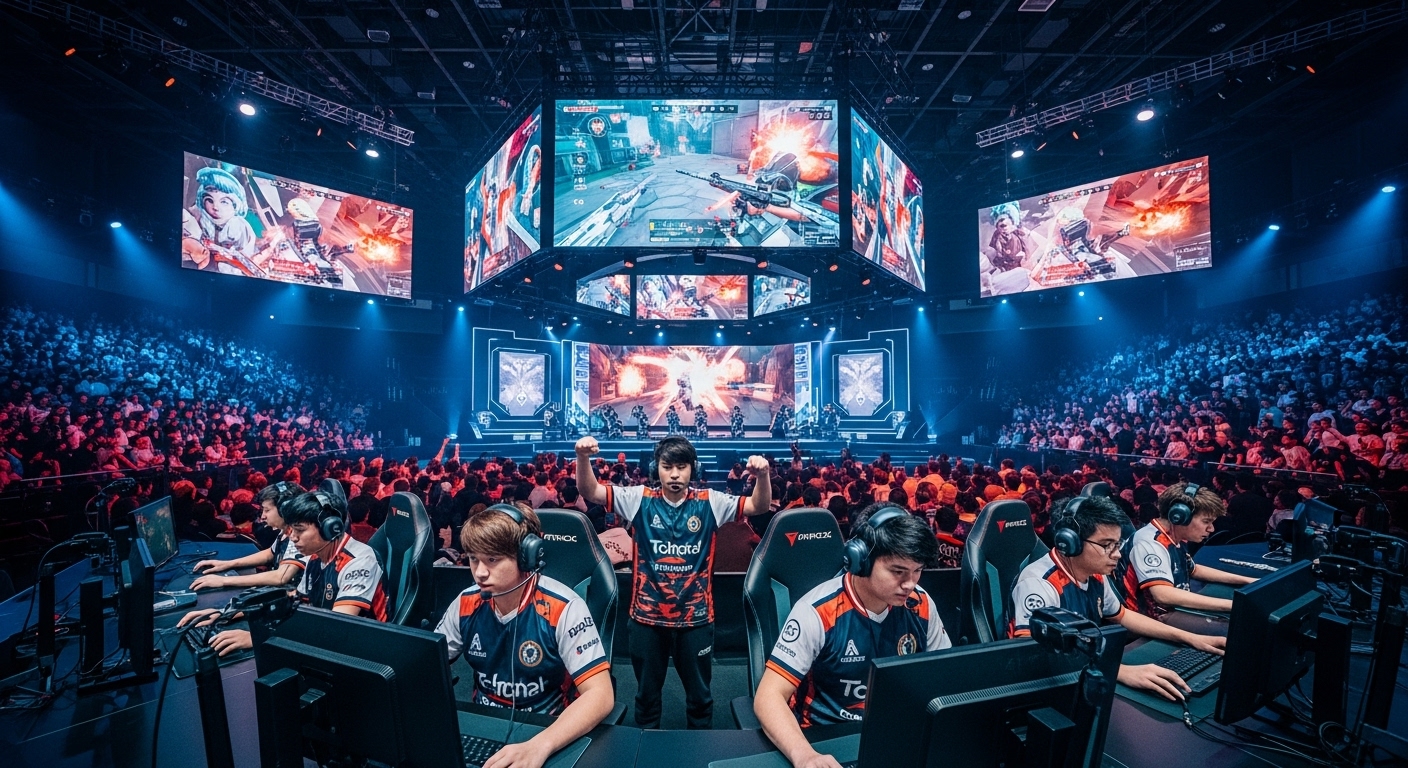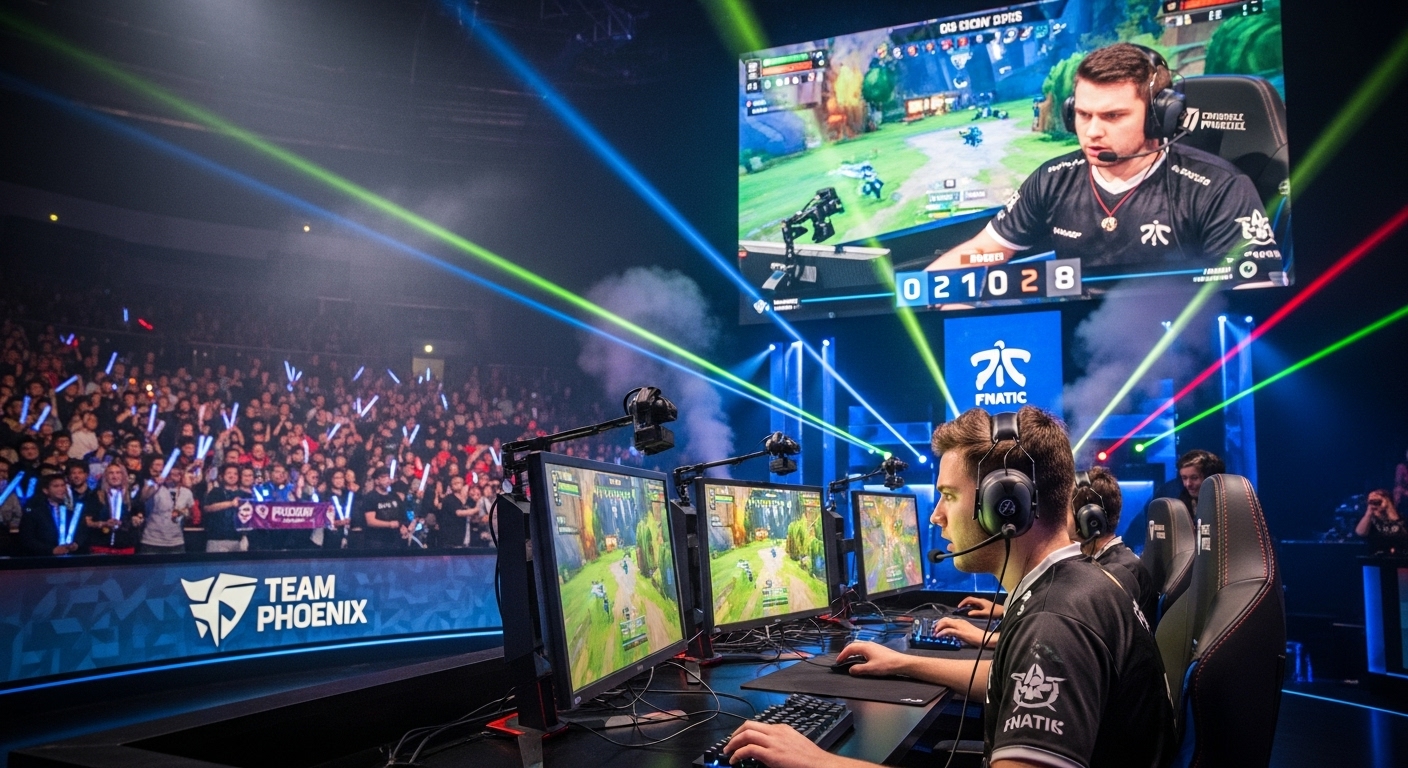
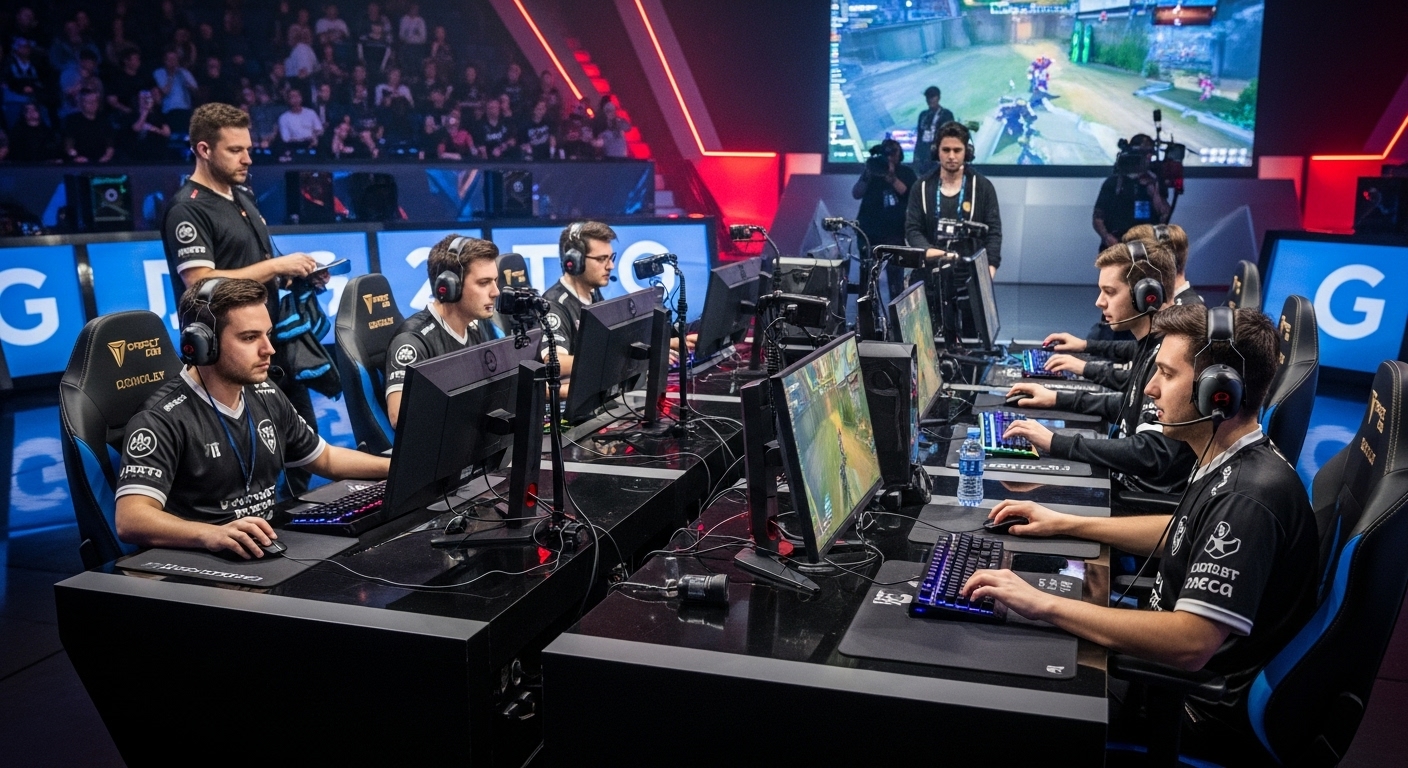
Esports, or electronic sports, has evolved from a niche pastime into a global entertainment industry that rivals traditional sports in both viewership and revenue. Once considered a hobby limited to gamers spending hours in front of their computers, esports has now become a professional domain with players, teams, leagues, and tournaments attracting millions of viewers worldwide. The rise of esports is a fascinating journey that intersects technology, culture, and entertainment, reshaping the way people perceive competitive gaming.
The Origins of Esports
Competitive video gaming is not a new concept. Its roots can be traced back to the 1970s and 1980s, when games like Pong, Space Invaders, and Pac-Man gained widespread popularity. Early competitions were mostly local arcade tournaments, where players could test their skills against others in person. These events were often informal, but they laid the foundation for the competitive gaming culture that would flourish decades later.
In the 1990s, with the rise of home consoles and personal computers, competitive gaming started gaining structure. Games such as Street Fighter II and StarCraft became the early staples of esports communities. StarCraft, in particular, became a phenomenon in South Korea, where professional leagues were established, television broadcasts aired matches, and players became national celebrities. This period marked a pivotal moment in esports history, demonstrating that competitive gaming could be taken seriously as a professional pursuit.
The Growth of Esports in the 2000s
The 2000s were transformative for esports, driven by technological advancements, internet accessibility, and the rise of online multiplayer gaming. Games like Counter-Strike, Warcraft III, and Halo brought competitive gaming to a new level, allowing players to compete with others around the world. Online platforms enabled leagues and tournaments to flourish, fostering communities and fan bases that crossed geographical boundaries.
During this era, esports organizations began to form. Teams such as SK Gaming, Team Liquid, and Evil Geniuses started sponsoring players, providing salaries, training, and support, similar to traditional sports clubs. This professionalization helped legitimize esports as a career path, attracting talented individuals who could now pursue gaming full-time.
The Role of Streaming Platforms
One of the most significant drivers of esports’ global popularity has been streaming platforms. Platforms like Twitch, YouTube Gaming, and later Facebook Gaming allowed players and teams to broadcast their matches live to millions of viewers worldwide. Fans could watch their favorite teams, learn strategies, and engage with the community in real time.
Streaming also created a new form of entertainment. Esports content is not just about watching the game; it’s about the personalities, commentary, and interactions that accompany it. Popular streamers became celebrities, bridging the gap between professional competition and casual entertainment. This combination of skill, personality, and accessibility contributed to esports’ exponential growth, attracting audiences beyond traditional gaming circles.
The Business of Esports
Esports has developed into a multi-billion-dollar industry, driven by sponsorships, media rights, merchandise, ticket sales, and advertising. Major tournaments offer prize pools that rival traditional sports events. For example, tournaments for games like Dota 2, League of Legends, and Counter-Strike: Global Offensive regularly feature multi-million-dollar prize pools, providing financial incentives that attract top-tier talent from around the world.
Sponsorship has become a crucial revenue stream. Companies in technology, gaming peripherals, energy drinks, and even traditional brands invest heavily in esports, recognizing its influence among young, digitally-native audiences. Teams and players benefit from these partnerships, securing stable income and further professionalizing the ecosystem.
Esports and Traditional Sports Parallels
Esports shares many similarities with traditional sports, including training regimens, team strategies, coaching, and fan engagement. Professional esports players dedicate hours each day to practice, studying game mechanics, analyzing opponents, and refining strategies. Teams employ coaches, analysts, and psychologists to optimize performance, mirroring the structures seen in football, basketball, or soccer teams.
Moreover, the concept of leagues and tournaments in esports closely resembles traditional sports leagues. Events like the League of Legends World Championship, The International in Dota 2, and the Overwatch League follow structured schedules, feature seasonal play, and attract global audiences. The fan culture is equally passionate, with supporters forming communities, wearing team merchandise, and celebrating victories just like fans of conventional sports.
Popular Esports Games
Esports encompasses a wide variety of game genres, each offering unique competitive experiences. Multiplayer online battle arena (MOBA) games like League of Legends and Dota 2 are among the most popular, requiring team coordination, strategy, and individual skill. First-person shooters (FPS) such as Counter-Strike: Global Offensive, Call of Duty, and Valorant emphasize precision, reflexes, and tactical gameplay.
Real-time strategy (RTS) games like StarCraft II demand high-level thinking and micromanagement, while fighting games such as Street Fighter, Tekken, and Super Smash Bros. focus on timing, execution, and matchup knowledge. Each genre attracts its own community, creating diverse ecosystems within the esports landscape.
Global Reach and Cultural Impact
Esports is not confined to any single country or region. While South Korea and China have been early adopters and leaders, North America, Europe, and Southeast Asia have also witnessed significant growth. International tournaments bring players from different continents together, fostering a sense of global community and competition.
The cultural impact of esports is profound. It has influenced media, fashion, and entertainment, blurring the lines between gaming and popular culture. Esports stars are now celebrities in their own right, appearing in mainstream media, collaborating with brands, and inspiring new generations of gamers. Furthermore, esports has challenged traditional notions of sports, expanding the definition of competition and athleticism to include digital skill and strategic thinking.
Esports as a Career Path
For many, esports is no longer just a hobby—it is a viable career path. Professional players, coaches, commentators, and analysts can earn substantial incomes. The rise of collegiate esports programs and scholarships further legitimizes competitive gaming as an educational and professional pursuit. Universities around the world now offer esports scholarships, training facilities, and structured programs similar to traditional athletic departments.
Beyond players, careers in esports include event management, marketing, content creation, and game development. The industry offers diverse opportunities for individuals passionate about gaming, technology, and media, creating an ecosystem that extends far beyond the playing field.
Challenges and Controversies in Esports
Despite its success, esports faces challenges and controversies. Player burnout is a significant concern, as the demands of professional gaming can lead to physical and mental health issues. Long practice hours, high stress, and travel schedules require careful management to ensure sustainability in the industry.
Cheating and doping are other issues. Some players have been caught using performance-enhancing drugs or exploiting game mechanics, prompting leagues to implement strict regulations. Additionally, the esports industry has grappled with gender inequality, harassment, and toxicity, highlighting the need for inclusive and safe environments for all participants.
The Future of Esports
The future of esports looks promising. Technological advancements such as virtual reality (VR), augmented reality (AR), and cloud gaming could redefine the esports experience, offering new ways to play, spectate, and engage with content. As esports continues to gain mainstream recognition, it is likely to see further integration with traditional sports, entertainment, and media platforms.
Global expansion remains a key focus. Emerging markets in Africa, Latin America, and Southeast Asia offer untapped potential for growth, with increasing internet penetration and mobile gaming adoption driving participation. Esports could become a truly universal phenomenon, connecting players and fans across cultures and continents.
Conclusion
Esports has come a long way from its humble beginnings in arcades and local tournaments. Today, it stands as a testament to the power of technology, community, and competition. It has transformed the way we perceive gaming, offering professional opportunities, global entertainment, and cultural influence. While challenges remain, the continued growth and innovation within esports suggest a bright future.
The rise of esports is not just about games; it is about human creativity, skill, and connection in a digital age. Whether you are a player, fan, or industry professional, esports offers a dynamic, exciting, and ever-evolving landscape that promises to shape the future of entertainment for years to come.